 Empty Nest
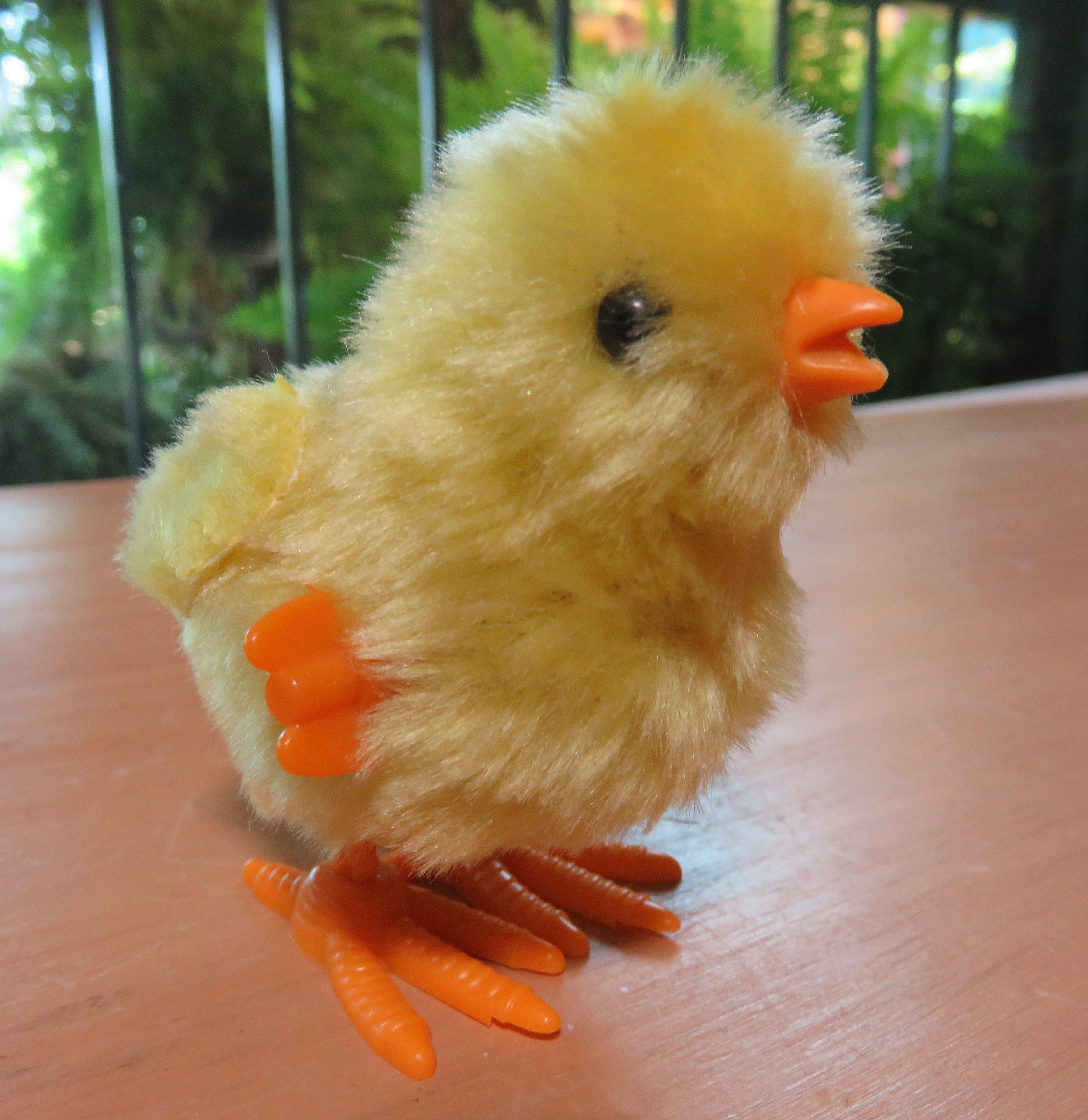
“Open Morrie, open!” We pried our Scottie’s jaws apart to find a small bird whole inside his mouth, rain soaked and bedraggled, its tail feathers either gone or not yet grown in. For three days, we sheltered the baby bird with heater on, taking him for feedings on the terrace table where his father and mother could find him and return once or twice per hour to fill him up like a small mechanical bird purchased in the market who, when wound up, first hops, then sits dormant until fueled again.
This fledgling had survived under our care for three days and four nights, hale and hearty. Loud chirps brought the mother, at first, until yesterday, when we could see a new nest in construction. Then the father came, first to a nearby rock, then later, clung to the side of the cage to fill his nestless chick like a small car from the fuel pump.
This morning dawned overcast, and though the chick needed feeding, when I neared the rock, I felt his tremors and took him back to the house for another 10 minutes warming, then tucked him into an old nest I’d found years ago and saved. I hoped for protection and warmth and security, perhaps a memory of the nest he’d fallen from. Then I carried him in his cage back to the tree to be fed.
From the hammock, far enough away to pose no threat, I watched the father’s descent and an ascent too quick. Then no return, so that when minutes later I searched the cage for the small bird tucked into that scavenged nest inside, I found the nest empty and one ruffled back against the cage bottom, claws curled upwards.
There is no difference equal to the difference between a body chirping—wings pulsing—and its empty husk after the life has left. No question bigger than: What is life that we can only see it through what it inhabits, and where does it go when it soars away?


 lifelessons - a blog by Judy Dykstra-Brown