Tag Archives: fairytales

“Same Old Story” for MVB, Mar 10, 2024

Same Old Story

Each myth, legend or fairytale
from “once upon” to “fare thee well”
shares some elements of story
be they sad, uplifting, gory.

Always a damsel in some distress—
Rumplestiltskin’s name to guess,
for straw once spun out into gold,
or another story to be told.

Too much sleep may be her curse,
ugly stepsisters, or worse.
Murder, treason, sloth and pox
were emptied from Pandora’s box.

These troubles spread from near to far,
(although, in fact, it was a jar.)
Zeus forgave Pandora’s shame
and the imp revealed his own strange name.

But the other women described above
were saved by cleverness or love.
Scheherazade escaped the hearse
with stories, legends, tales and verse.

Cinderella rose from hearth and ashes
and Sleeping Beauty opened lashes­­––
both maids saved by daring-do:
one by a kiss, one by a shoe.

So whatever might have been their fate:
loss of child or murderous mate,
wipe tears and fears away with laughter.
They all lived happily ever after.

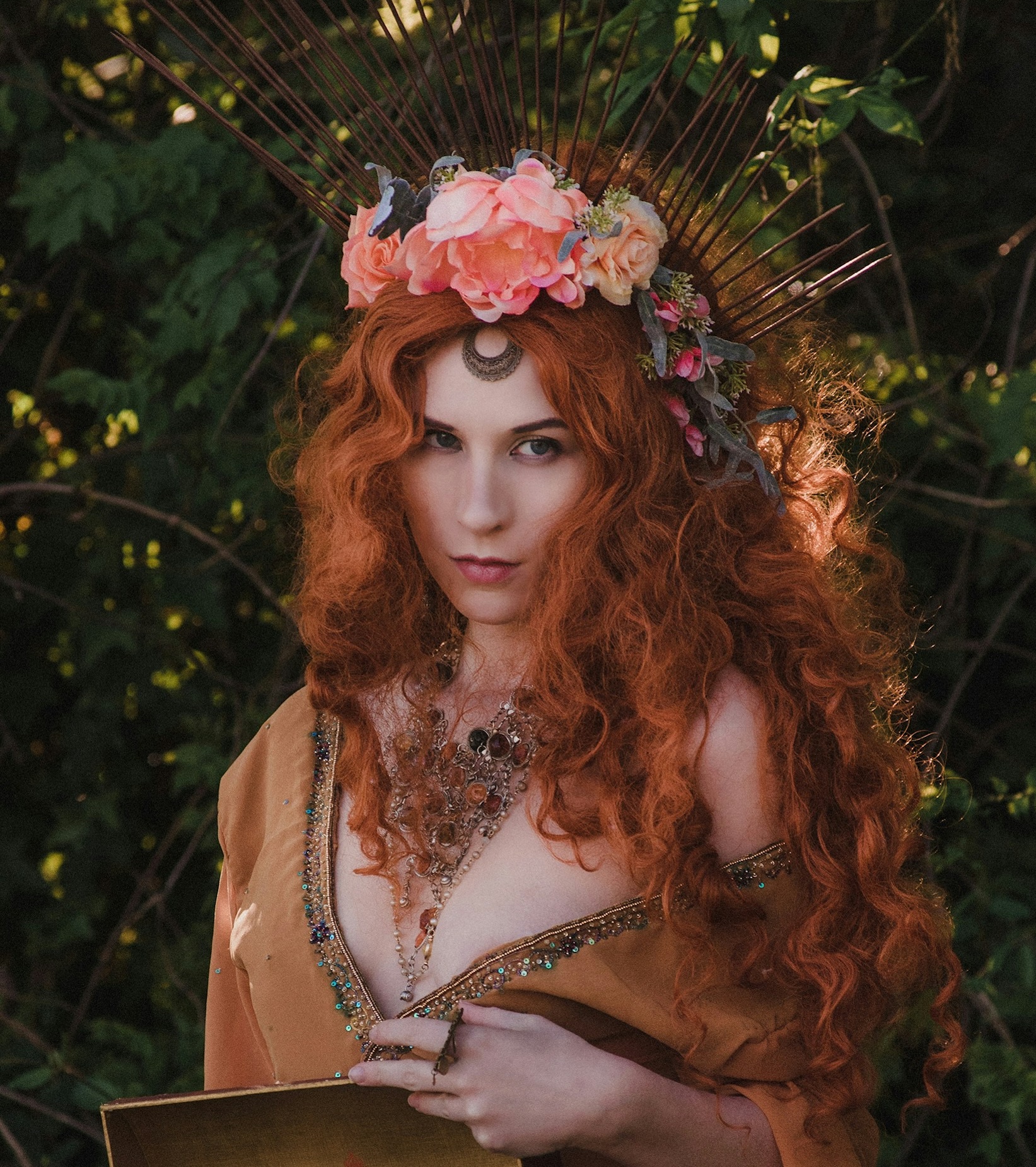
For the MVB prompt: Story (Image by Noel Nichols on Unsplash)

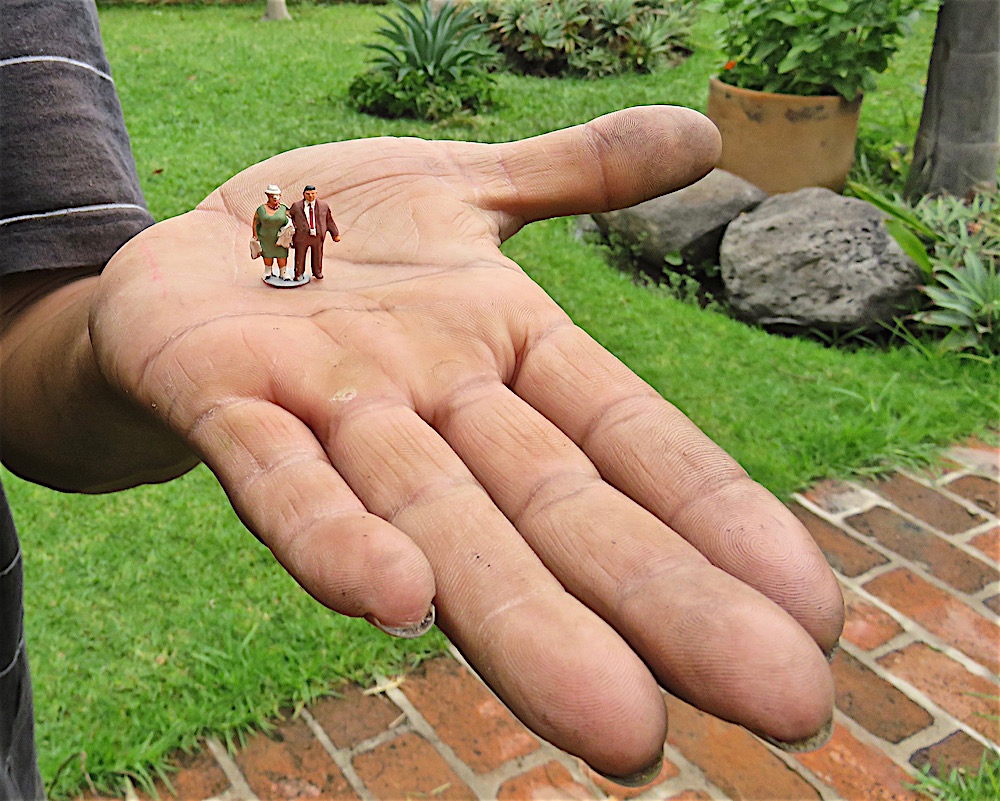
Fairies

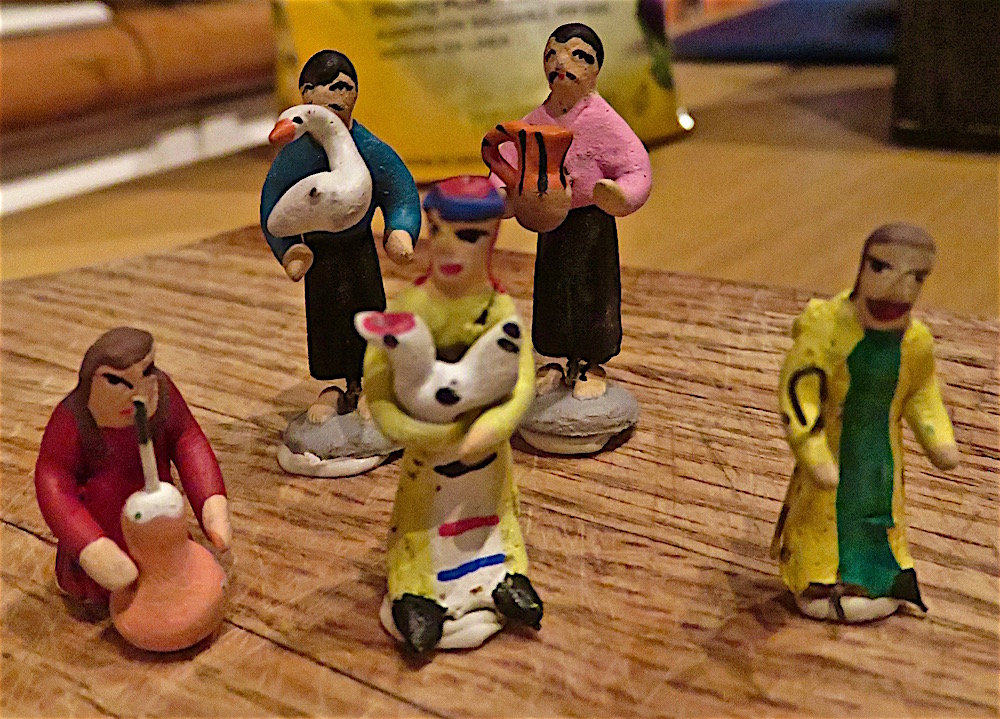
IMG_3655
Fairies

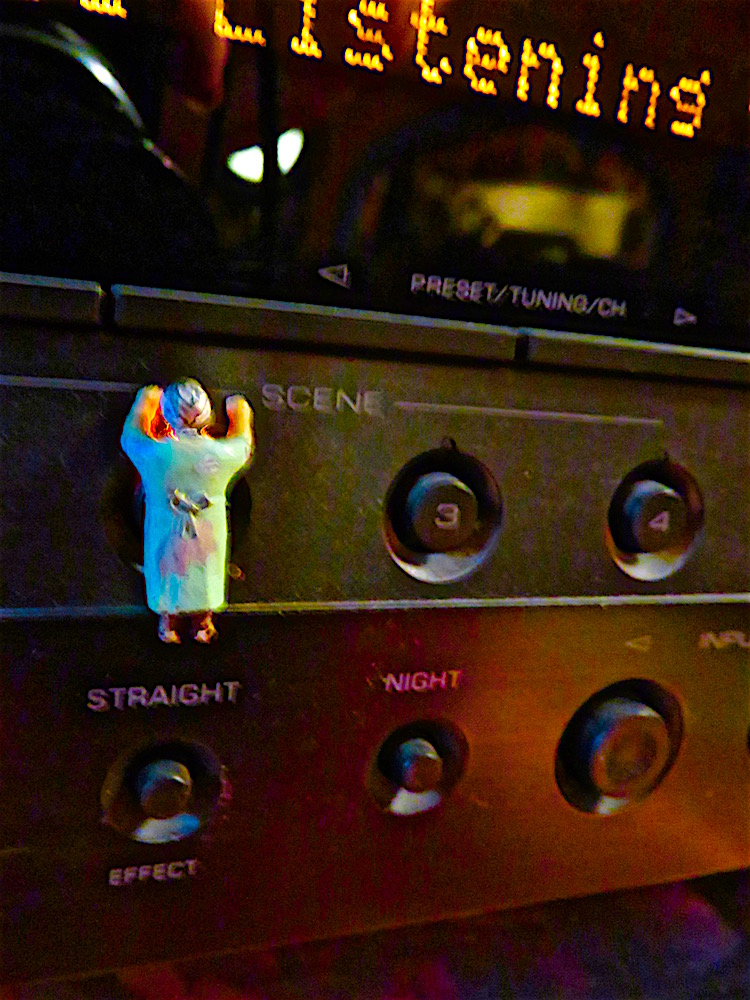
When we go to bed, they sneak in
and loll about on the chair cushions,
combing their coarse straight hair,
leaving traces we’ll brush off with the lint brush, blaming the cat.


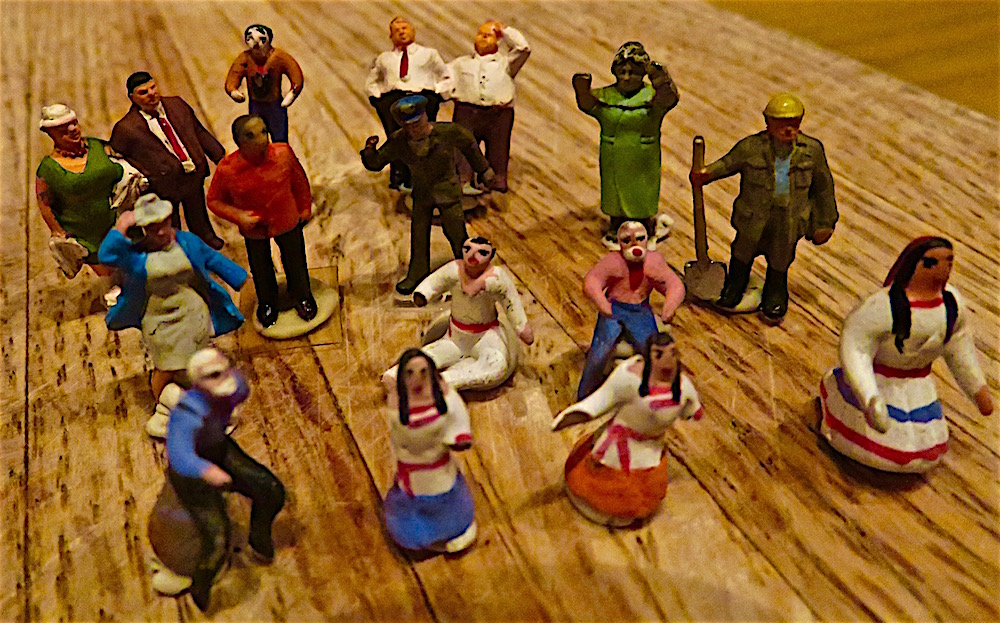
IMG_3621
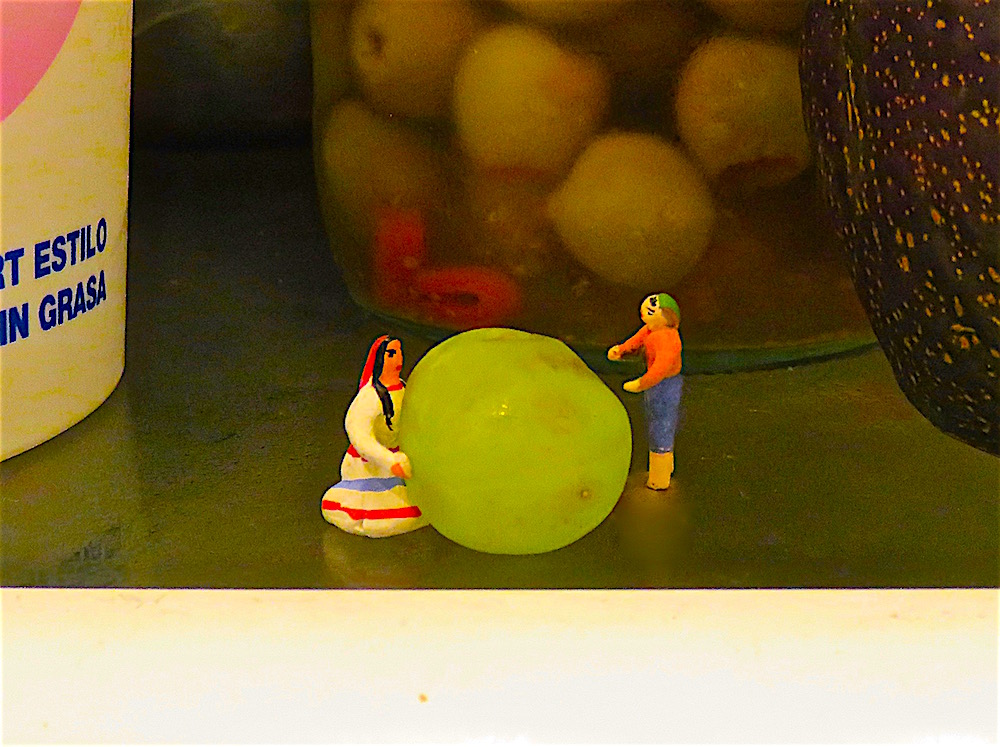
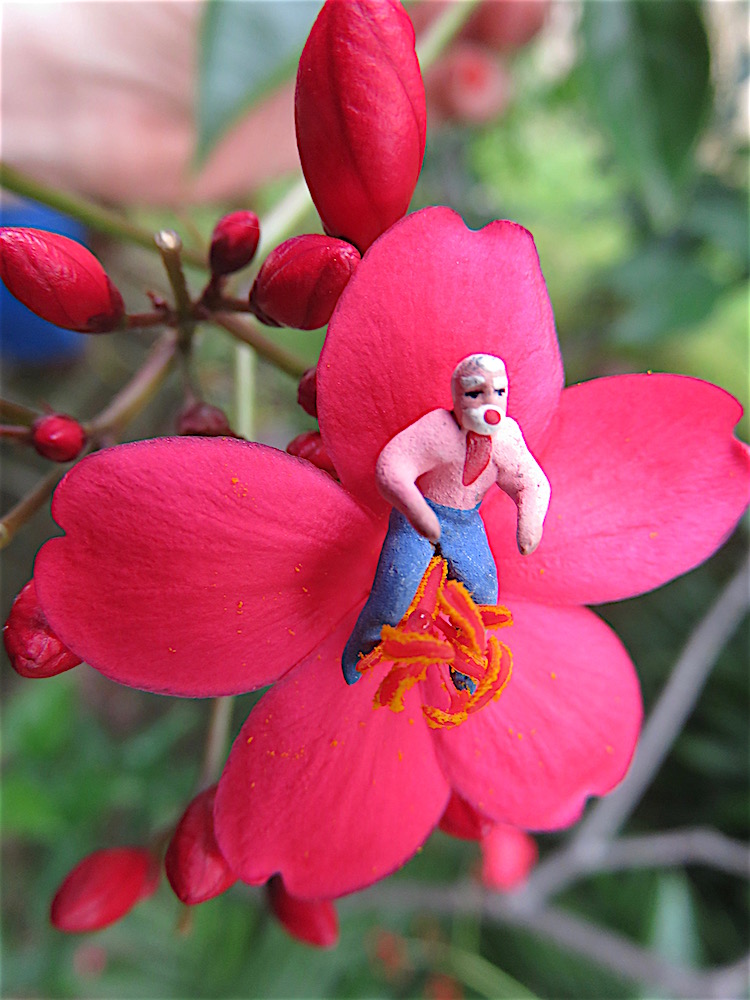
They mine the refrigerator,
looking for wine spills or crumbs of cheese.

IMG_3615
The more intrepid jump on the rubber pillow of the sink squirter,
starting a slow drip they can drink from like a water fall,

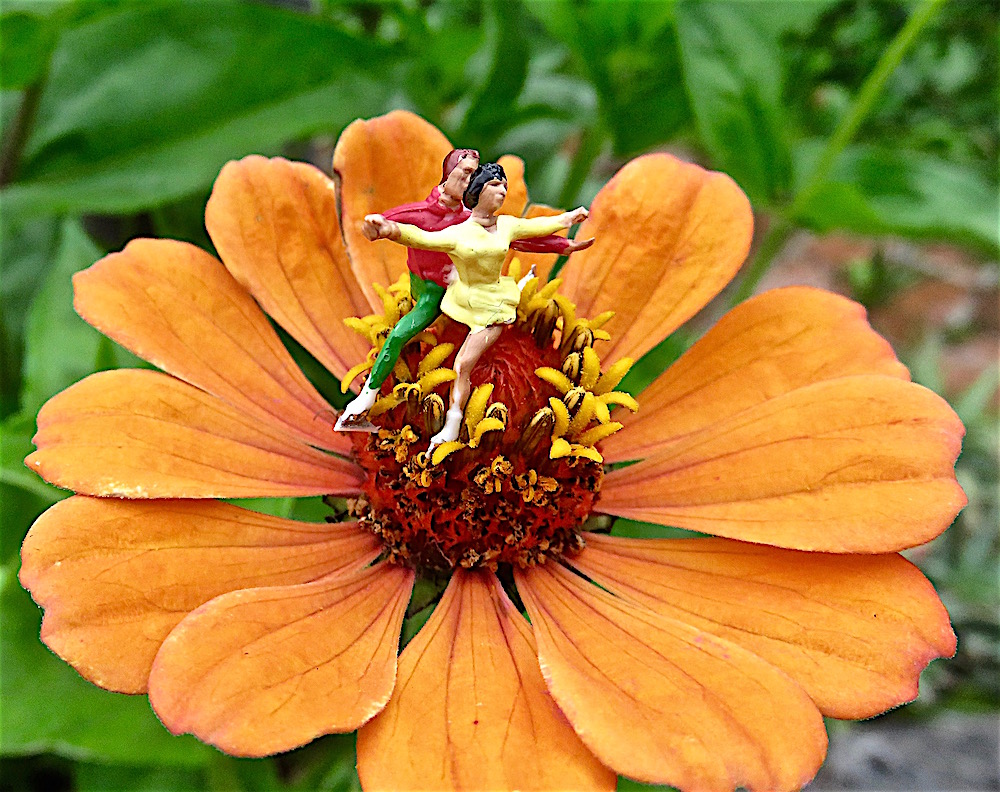
IMG_3571
then make the long trek into the cave of my computer room,
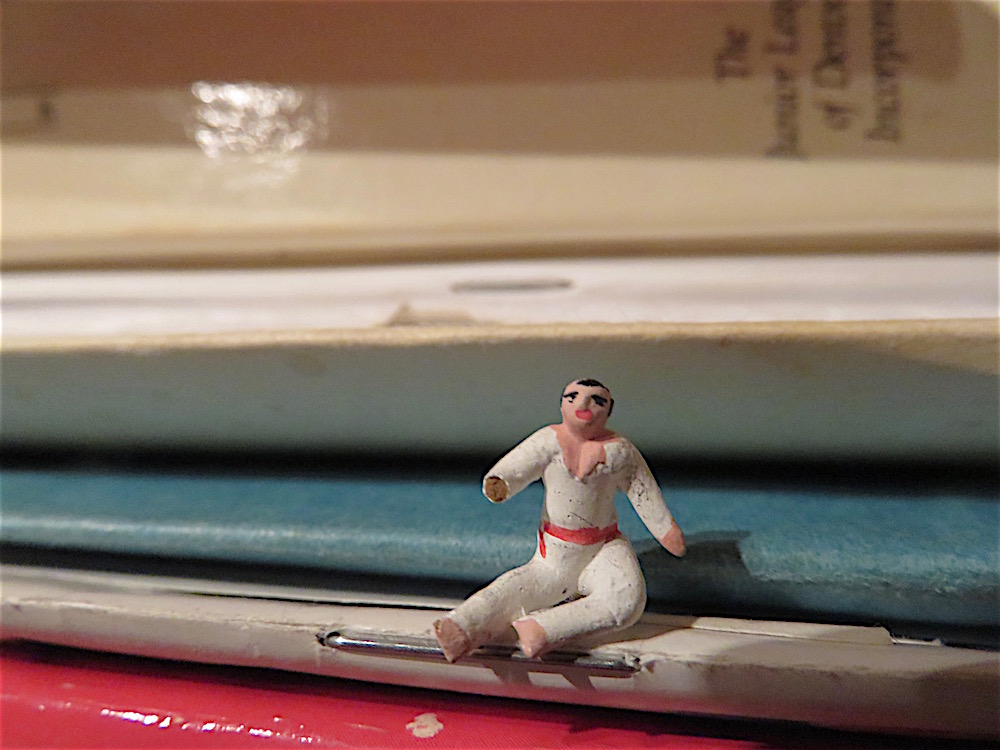
their eyes on the precarious towers of books.
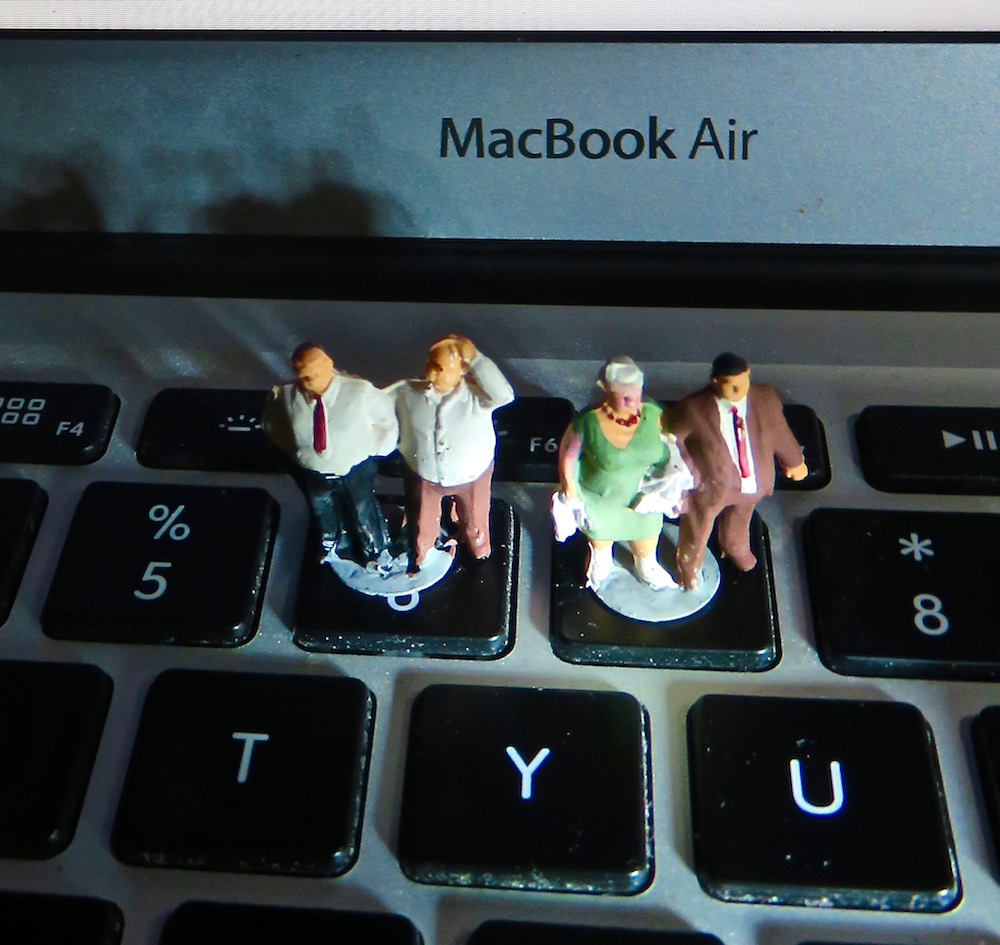
They give each other a hands-up
onto the power key of my computer,
then all jump in sync to turn it on.

Version 2IMG_3514
The files they fill they bury deep,
but sometimes I find them by accident
when I discover a folder I don’t recognize,
open it up and read words
I don’t remember writing.

This morning when I wake up I find
piled on the dining room table
under the large paper globe light
dozens of tiny wings,
each veined uniquely, like a fingerprint–
pale brown with a darker cuticle along the upper edge.

Shaped like an oblanceolate leaf,
veined like a feather,
they have been attached by junctures so fragile
that fairies could have chewed them off, perhaps,
twisted them until they snapped,
or pulled them off like socks,
shedding their wings like garments.
I wonder why a fairy would shed its wings,
then slip into imagination–which is the part of our minds
through which fairies speak to us.

They tell me they have been building a house within our house
for so long that it is now finished,
and so they plan to stay,
determined to be warm forever.
Our house will be the old fairies home
where they will come when they have started
crashing into other fairies,
or careening the wrong way down a one-way air path.

IMG_3587

Stripped of their wings, they are like retired aviators,
snugged into some warm corner of our house
away from the cat
and from marauding mice,
telling stories of glorious flights of wing and fancy—
that time caught in the spider web—
the other caught in the updraft—
chills and thrills from an earlier life.

How lucky
that I have found these clues
before they could be swept aside,
blown by the smallest breeze of some passing human
onto the floor and then obliterated.
These wings are so light, so fragile
that I imagine fairy bodies to be
crushable as grasshoppers—
their bones, like ladybug shells,
more fragile than mice.

IMG_3641

But these are not the perfect Barbie Doll fairies
of the movies or books, for they have told me so—
writing their self-portraits on my screen exactly thus:
“More like trolls or gnomes, we have crags and crevices,
warts with sticky hairs growing from them.
Fairies fart and belch and scratch our bottoms.
We steal sugar water from the hummingbird tube
and seed from the bird feeder.
In the fall, we mine apples like mother lodes,
wrapping tiny chunks of them in leaves,
which we leave in the footpath
so passing humans can press out the apple juice
with the soles of their shoes.”

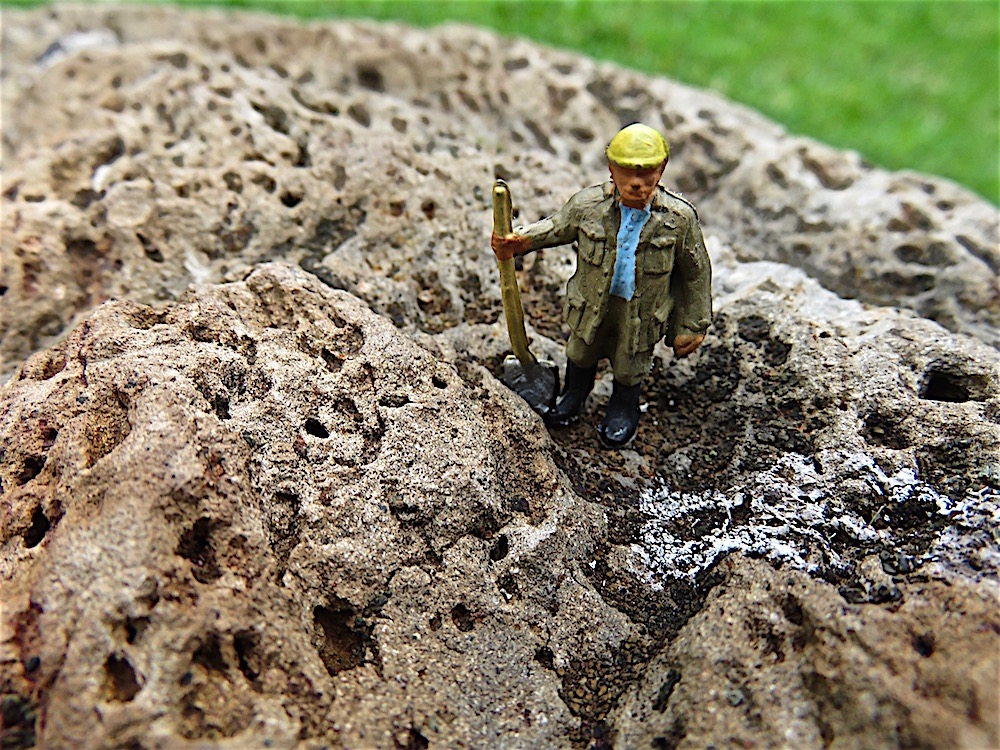
IMG_3640

More industrious than the fairies of books,
real fairies are architects, doctors, poets and cooks.
Some are storytellers. Some weave clothes.
But there are no firemen or policemen and only a few judges,
for they never set fires or break their own rules.
Caught up in human tragedies, fairy folk depend on human bureaucracy
to solve the problems or compound them.
Rules and laws are not fairy things, although retribution
against the human world has been known to occur.”

IMG_3421

Fairies with no wings
supervise hummingbird disputes.
(This is why they have a few judges.)
They herd fleas away from squirrel backs
onto the backs of mean cats,
tease raccoons,
kick leaves from roofs into down spouts
to plug them up and make fairy swimming pools.
They bungee jump from spider webs,
bronco bust yellow jackets,
shake down pollen from the limbs of redwood trees,
ride around on the backs of a different animal every night.

Version 2

Retired fairies
climb the couch as though it were the Matterhorn
with a fishhook for a pick.
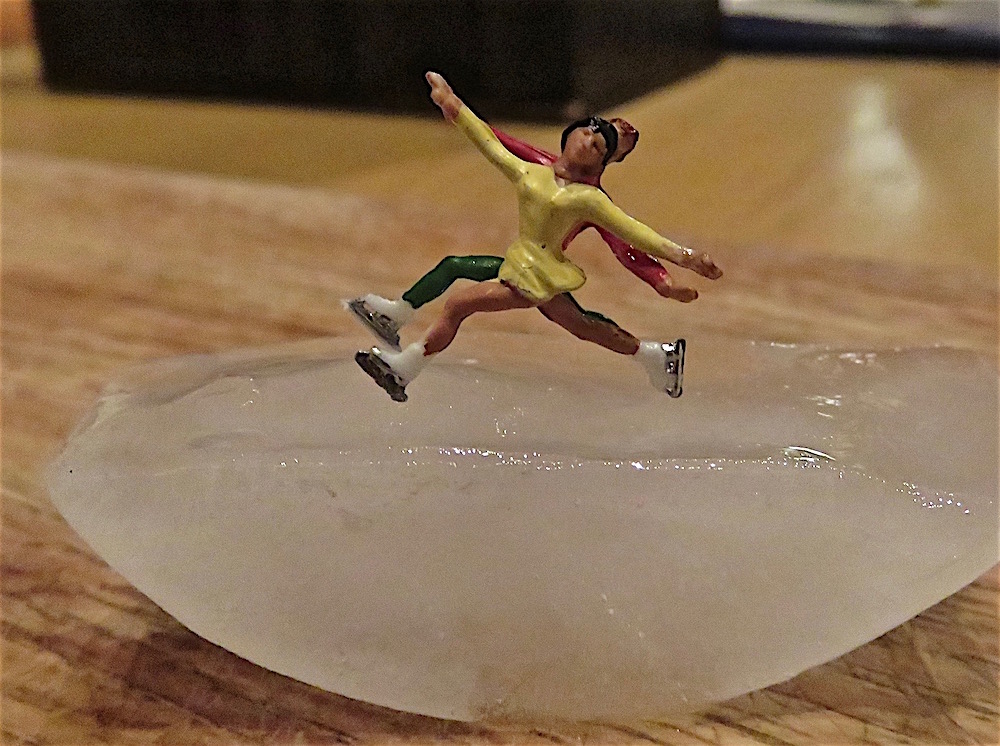
They go sliding on the dust of top shelves,
spelunk down drains,
wander through house plants like jungles.
They remove tiny portions of cloth from our clothes
to sew clothes for themselves,
then let moths take the blame.

They eat the last piece of candy in the dish,
then raid the refrigerator for additional provisions,
jump on the remote to start the television, and watch late night TV
with the sound turned down.
In the early mornings before we rise,
they turn it off–after reprogramming the TV
to record their favorites instead of ours.

IMG_3577

We see fairies every day,
But they know well the art of camouflage,
persuading us that we saw something else—
a hummingbird, a mouse.
What can be seen can be killed or captured.
That which is hidden, we let alone.
That is why fairies stay in shadows.
All small fluttering, scurrying things form a fraternity.
The rules between them firmly established—
rules on what they will let be seen
and what will be kept secret.

Version 2

So when your cat jumps for no reason,
or stares at the spot where you see nothing,
sending chills down your back,
you must now realize that it is fairies.

And when you call for your children
to do the dishes
or their homework
And they don’t answer,
blame the fairies
who at night first whisper tomorrow’s mischief in kids’ ears,
then stuff in ear wax to protect them from the noise of the world.

IMG_3488

And when you lose your glasses or your keys,
it is the work of fairies
who want to encourage you
to see from a finer eye,
to travel in your mind, and so hide objects
that distract you,
and spread dust over things
like books and old art supplies
that you should pay attention to.

IMG_3606

When you see a fast movement
out of the corner of your eye
and see the leaf that falls,
it is a fairy who has detached it
to distract your attention from what you really saw—him.
When you hear a noise and run to the next room
to find a book just fallen from the shelf, look on the shelf, quickly,
for the fairy foot disappearing behind the stack.

IMG_3627

There is more in this world than what we see—
forces guarding us and guiding us,
forces keeping the balance.
And if you think that they are powerless because they’re small,
if you think because they can’t be seen they don’t exist,
think of the atom,
then reconsider
fairies.

IMG_3460

https://dailypost.wordpress.com/prompts/miniature/

Locked and unlocked

IMG_5324

Locks

Locked up in my bedchamber. More than I can bear.
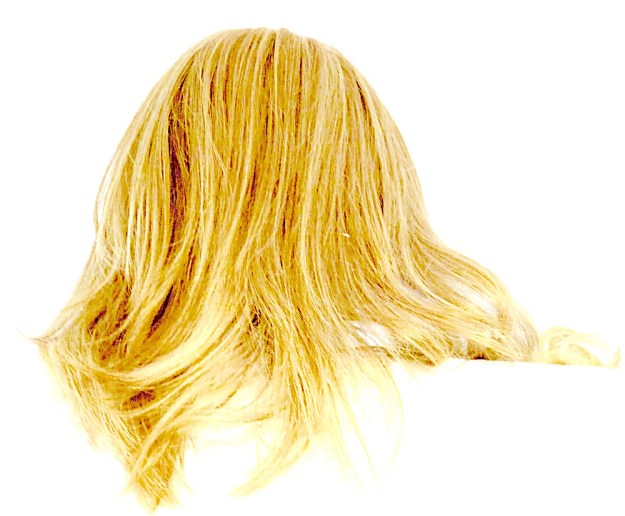
The beauty of my countenance, the shimmer of my hair
do me no good for no prince charming comes to find me here.
I will go unmarried––for my whole life, I fear.

My father thinks he honors me. I am his special treasure.
He worries not about my fate.  He thinks not of my pleasure.
I am but one more lovely thing he keeps for his collection––
admired for my golden locks, my flawless pale complexion.

I care not for beauty.  I care not for my tresses.
I do not treasure jewels or slippers or my ornate dresses.
A husband and a family are all that I desire.
A simple life’s the sort of life that I most admire.

From my window I look out upon the broad King’s Highway.
All roads must converge here––every path and byway.
And so I see them passing: beggars, countrymen and princes.
Vendors selling mangos, apples, oranges and quinces.

My eye is caught by sunlight flashing from his sword
as he stoops to have a sip from a vendor’s gourd.
He pays her with a small coin and thanks her most politely,
then mounts his horse with one sure leap–graceful, sure and spritely

I see him passing often and his face is full of laughter,
calling out and gesturing to companions, fore and after.
One day I wave my scarf at him as he goes passing by
and every day thereafter, I know I’ve won his eye.

At first he bows politely–a gesture I don’t miss.
and after a few weeks of this, one day he blows a kiss.
I reach out and grab it and press it to my face.
He rears his horse and races off at a faster pace.

The next day he doesn’t come, although I wait and wait.
But finally, I see him turning towards my father’s gate.
In distress, I call out that  he must not tarry here.
My father’s wrath must not be stirred.  It is what I most fear.

He does not see me gesturing. He hears not my distress.
I rue the day I waved at him, although I must confess
I also thrilled to think that he had come in search of me.
I fantasized that he would be the one to set me free.

But my prince never entered, though he tarried long and late.
Until the full moon rose above, he waited at the gate.
Although it had not opened by the time the next sun rose,
the young man sat astride his horse with hoarfrost on his clothes.

‘Twas then that I began my moan and tears sprang from my eyes.
I tore my clothes, scratched at my face.  I’d ruin my father’s prize!
My serving maids, sorely distressed, tried to stay my hand,
while my genteel companion sat with startled eyes and fanned!

When one maid put down the apple she’d begun to pare,
I grabbed the knife and severed one long lock of hair.
Lock after lock, I parted with this prison I had grown.
I’d see if father still wanted a daughter newly mown.

Then outside my chamber, I heard a deafening grate.
I flew back to the window. They were opening the gate!
At the same time, I heard a knock and my door opened wide.
I knew it was my father in the passageway outside.

I feared his consternation, his anger and his wrath,
and yet I chose to put myself squarely in his path.
In one hand I held half my locks, in the other were locks more.
All my other shorn-off glory, around me on the floor.

“I am not your possession,” I tell my father then.
I am no pretty pet that you can lock up in a pen.
You can have my beauty––” (Here I handed him my locks.)
“but you cannot seal me up in your private box.”

My father raised his hand, and I feared that he would strike me––
angered that he’d never again have a treasure like me––
but instead he circled his arm around my shoulder
and said, “This day, I have acquired a daughter who is bolder!

It was never me who kept you sealed  up in this tower.
You always had it within you to unlock your own power.
You must know this unlocking is both metaphor and literal.
The freedom that you’ve won today, both actual and clitoral.”

And that is how this princess, once set upon a shelf,
learned that the price of freedom is to win it for one’s self.
By cutting off my own locks, I opened up the gate.
My reward––the clever prince wise enough to wait!

Helen Meikle sent along this song which she said had a similar theme to my poem.  Can’t believe I’ve never heard it before…but I agree.  Listen to it HERE

https://dailypost.wordpress.com/prompts/locked/

http://www.napowrimo.net/day-twenty-one/