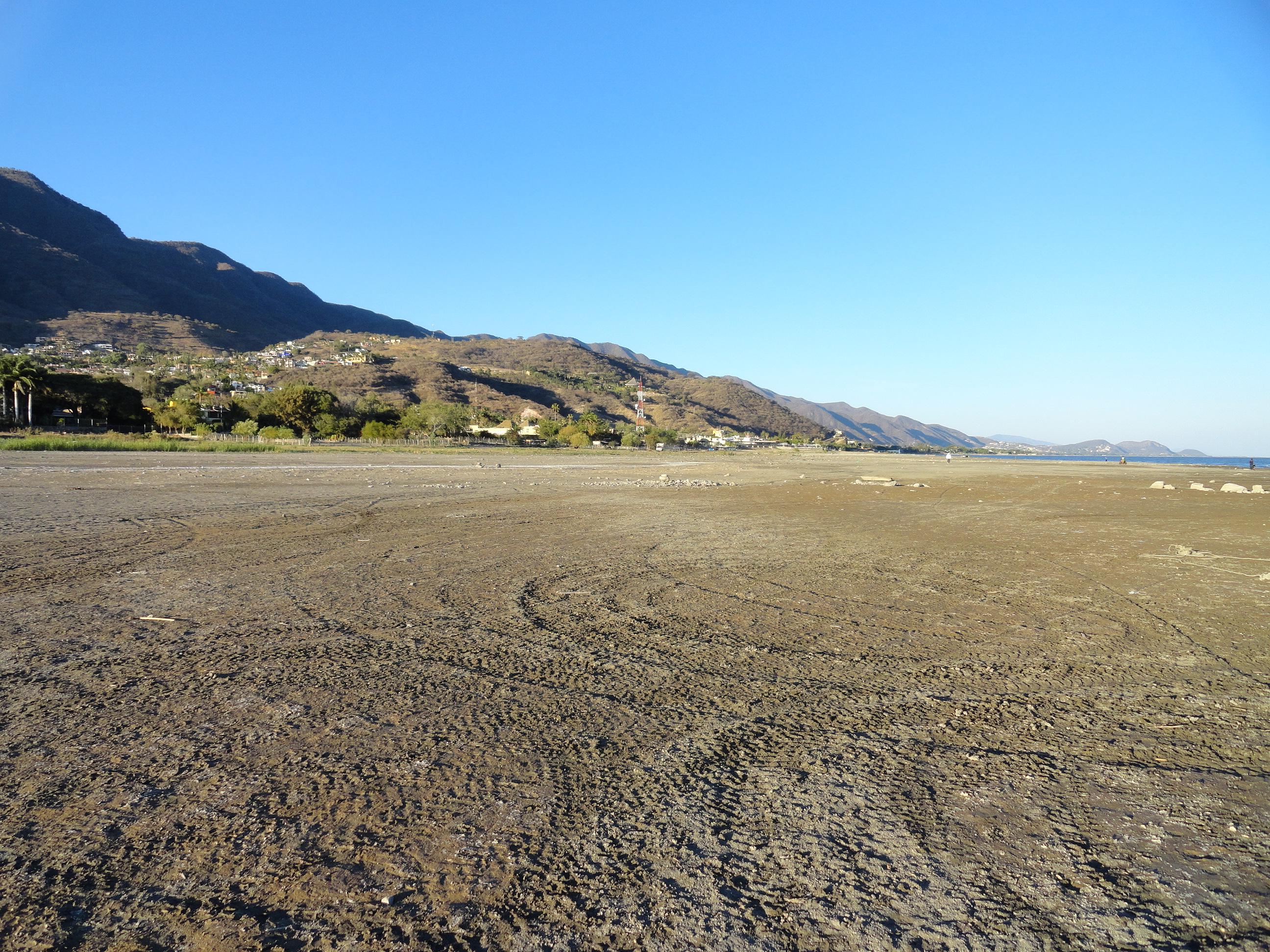
Dry lakebed. Once again revealed
Interloper (Day is Done)
The year was 1913. I’d had a very busy day and I didn’t get around to taking my walk until about an hour before sunset, and I finally finished this poem at around 11 PM. The lady I talked about who spread her skirts under the extinct volcano known as Señor Garcia is Lake Chapala, the usually beautiful lake whose shores I have lived upon since 2001. Ringed by the Sierra Madre mountains, she reclines in the heart of Mexico, about an hour from Guadalajara. When I moved here, they thought the lake would be completely dried up within five years due to low rainfall and three big dams further upstream which drew off most of the water. At that time, the sixty-mile long lake had shrunk to a point where people often took a taxi from the Chapala pier to get out to the water! It was at this time that I started to take my daily walks on the part of the lakebed that was once under water. This land had sprouted a new civilization of herds of horses left to wander free, cattle, burros, wild dogs, flower nurseries, fishermen’s shacks, small palapa restaurants, huge thickets of willow trees and acres and acres of tall cattails. A few years later, when the lake filled up again, all of this was lost. Of course, it was fortunate that rains and legislation concerning water usage swelled the dying lake; so although I missed my old walking ground, I did not mourn it. Unfortunately, by 2913, the lake was again in dire straits. It had once again shrunk, but this time it left a wasteland of rocks, dead tree stumps and a beach littered with fresh water shells and abandoned graveyards of soda bottles. This was the first time in a long time that I’d walked in my old walking grounds and it was a somewhat depressing experience that nonetheless contained some hopeful signs toward the end.
Interloper
If you live long enough,
what others consider history
will become your life.
Twelve years ago,
I walked for hours every day
on this dry lake bottom,
in places the lake
a mile further out
from its usual banks.
Then, five years
from its supposed extinction,
the rains came.
The floodgates
of the dams upstream
opened as well
and the lake swelled to its former girth.
My old walking trails
through the cattails
and the willows
became suffused in a watery world.
Tree tops became the perches for egrets
scant inches above the waterline,
and the lake became once more
the private property
of homes and landowners who fronted
on the water.
But now, again,
the water has retreated,
and for the first time
in eleven years,
I am again walking
on what was once lake bottom.
I see for myself how this
venerable lady
who spreads her skirts under the mountain
known as Señor Garcia,
has done so in a curtsy,
before beating a hasty retreat.
Freshwater shells pave the dry silt.
Discarded soda bottles , moss-covered and corroded,
lie in a pile as though emptied like catch from a fisherman’s net.
Coots and grackles replace the white pelicans
who have circled over in their last goodbye
like other snowbirds heading north.
Sandpipers whistle their reedy pipes,
as if to rein in the small boy
who runs with a rag of kite
streaming out behind him,
creating his own wind.
A man in red shorts wades out
to a bright yellow boat,
lugging a five gallon gas container.
The kite pilot
and his two brothers,
as tattered as their kite,
walk past,
then circle as though I’m prey,
to sit behind me on an archipelago
of large stones
that form a Stonehenge
around the sheared-off skeletons of willows.
I wrote about these willows in their prime—
when the villagers had come to clear and burn them
eleven years ago,
not knowing they would not grow back.
What had been foremost in their prayers for years would soon happen.
The lake would rise
again to her former banks.
But now she once again
beats a hasty retreat,
leaving the stubs and skeletons
of trees revealed again.
It is a wasteland
stripped of
the life of water or of leaves.
“Rapido!” the boy in the green shirt
demands of his brother.
Their sister pulls the bones of the kite
from their plastic shroud.
Rags turn back to rags,
their flight over.
The brother in the black Wesley Snipes T Shirt
winds the coil of string as though it is valuable
and can’t be tangled or lost.
The sun is half an hour from setting.
“Be off the beach by nightfall,”
a man had warned me
as I set off for my walk.
He was a gringo,
yet still I am ready
to start back.
I remember the banks of blackbirds
that used to settle in clouds in the reeds—
acres and acres of cattails—
enough to get seriously lost in.
At sunset, the birds would lift in funnels
by the thousands–
a moving tornado of winged black
that moved as one.
But they are history, now.
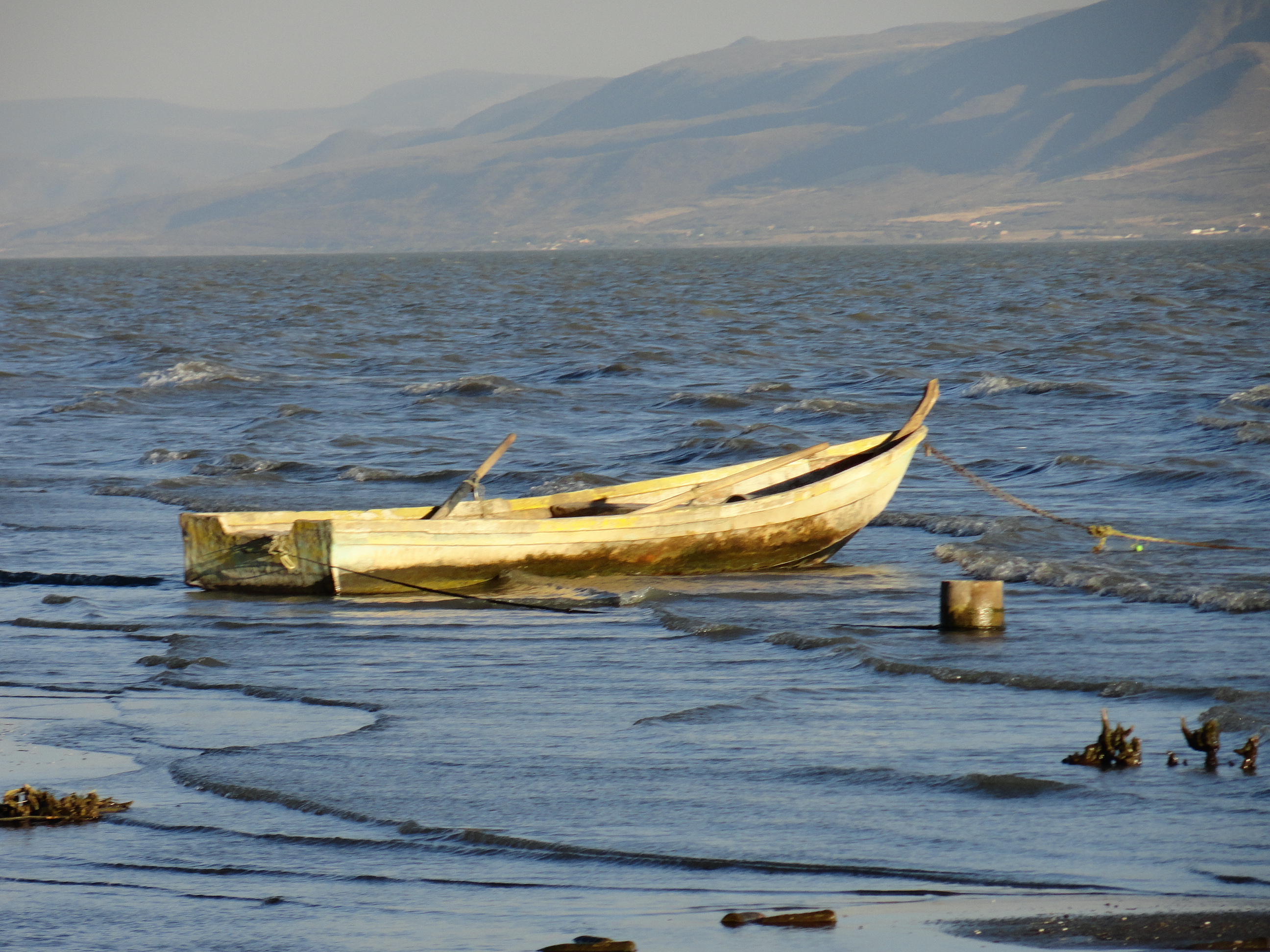
La Sangerona—
that bright yellow boat
whose name translates
as “the annoying one”
does not disappoint.
Despite her fresh infusion of fuel,
she has to be pulled manually ashore.
She is like a princess
being towed
up the Nile.
She expends no energy
to further her own movement.
A red dog,
wet sand to his high tide mark,
settles politely in the sand beside me.
Like iron filings drawn to their pole,
the children gather closer.
They pull at the rocks
as though mining for worms—
prod at the packed sand,
casting eyes up, then away.
Curious but silent.
Now, all run away.
I am left with one grackle,
three sandpipers
and fourteen coots,
drawn out by the waves
and pushed back in,
over and over
in a lullaby.
As I climb to the malecon,
the sun dissolves
into the mountains
to the west.
Shadows of palms
are blown in a singular direction,
all pointing north.
Below them,
the skirts of lesser trees,
as low as bushes
but lush in their fullness,
toss with abandon,
as though this lower wind
did not know its own direction.
I have a hunch, go closer and examine.
I am rewarded.
They are willows,
swaying to obscure
a fresh stand of cattails,
once again beginning their
long march of dominance.
The water that was interloper
is history. And I am part of it.
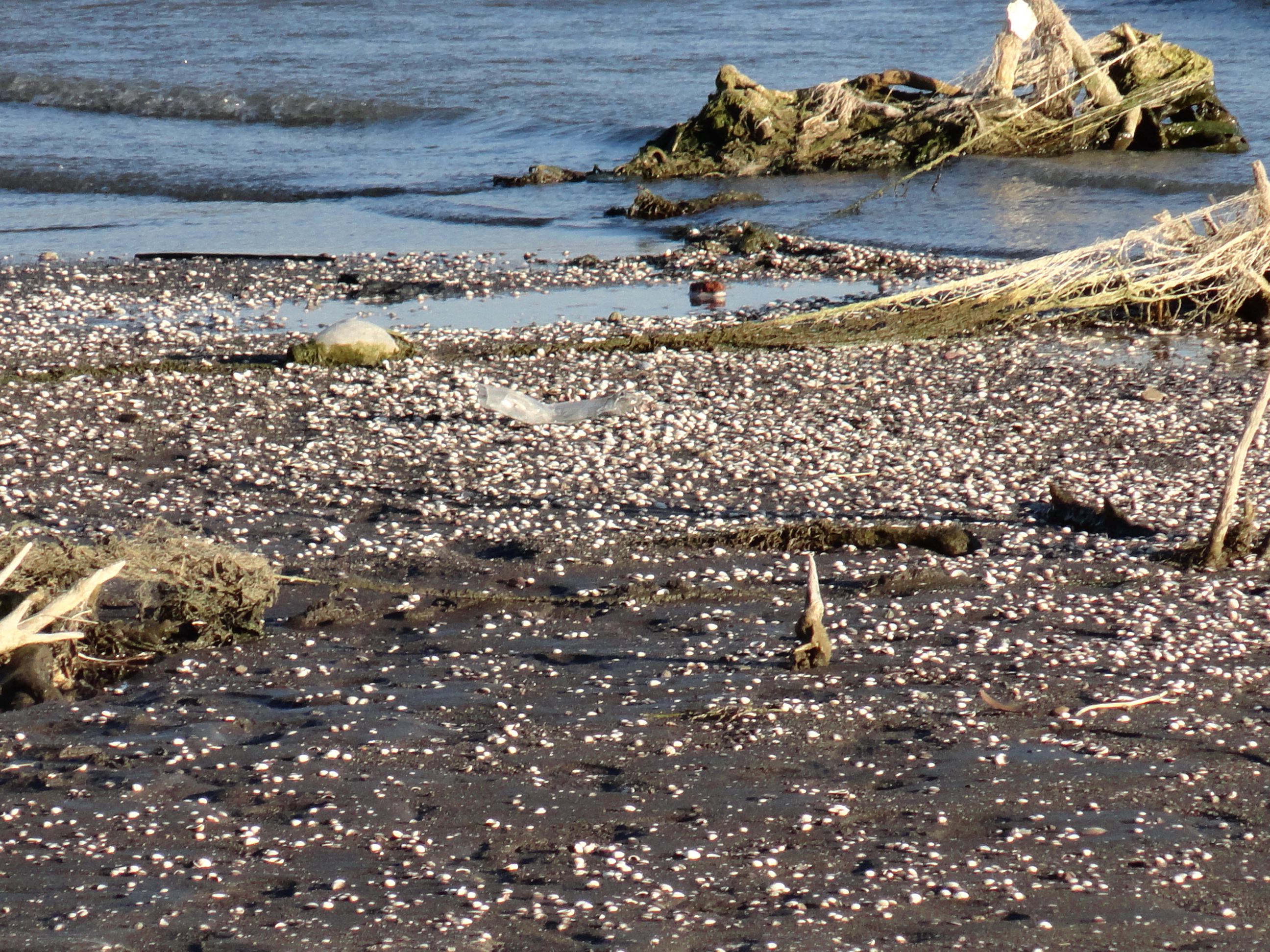
Freshwater shells revealed by retreat of lake
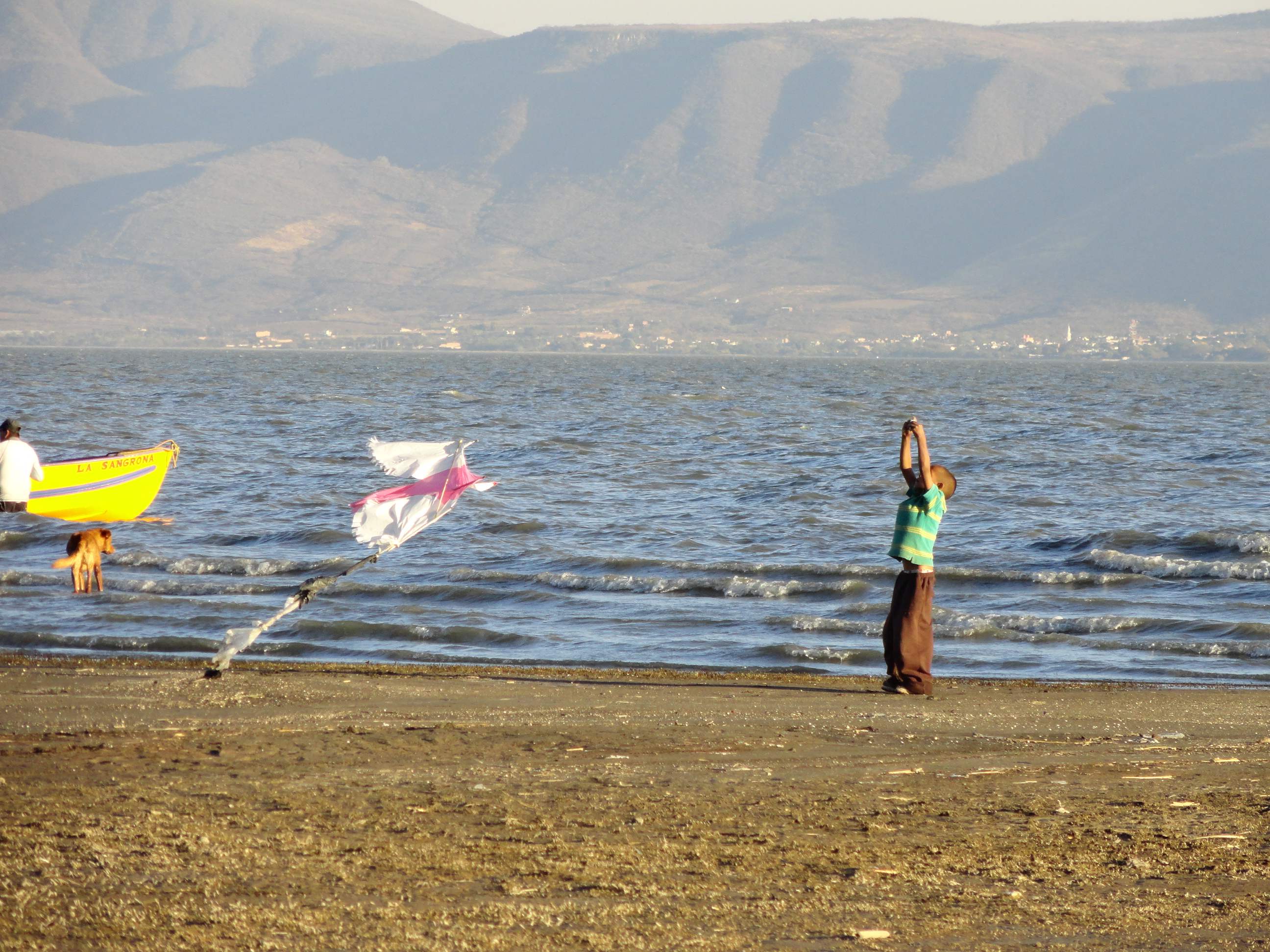
The Kite
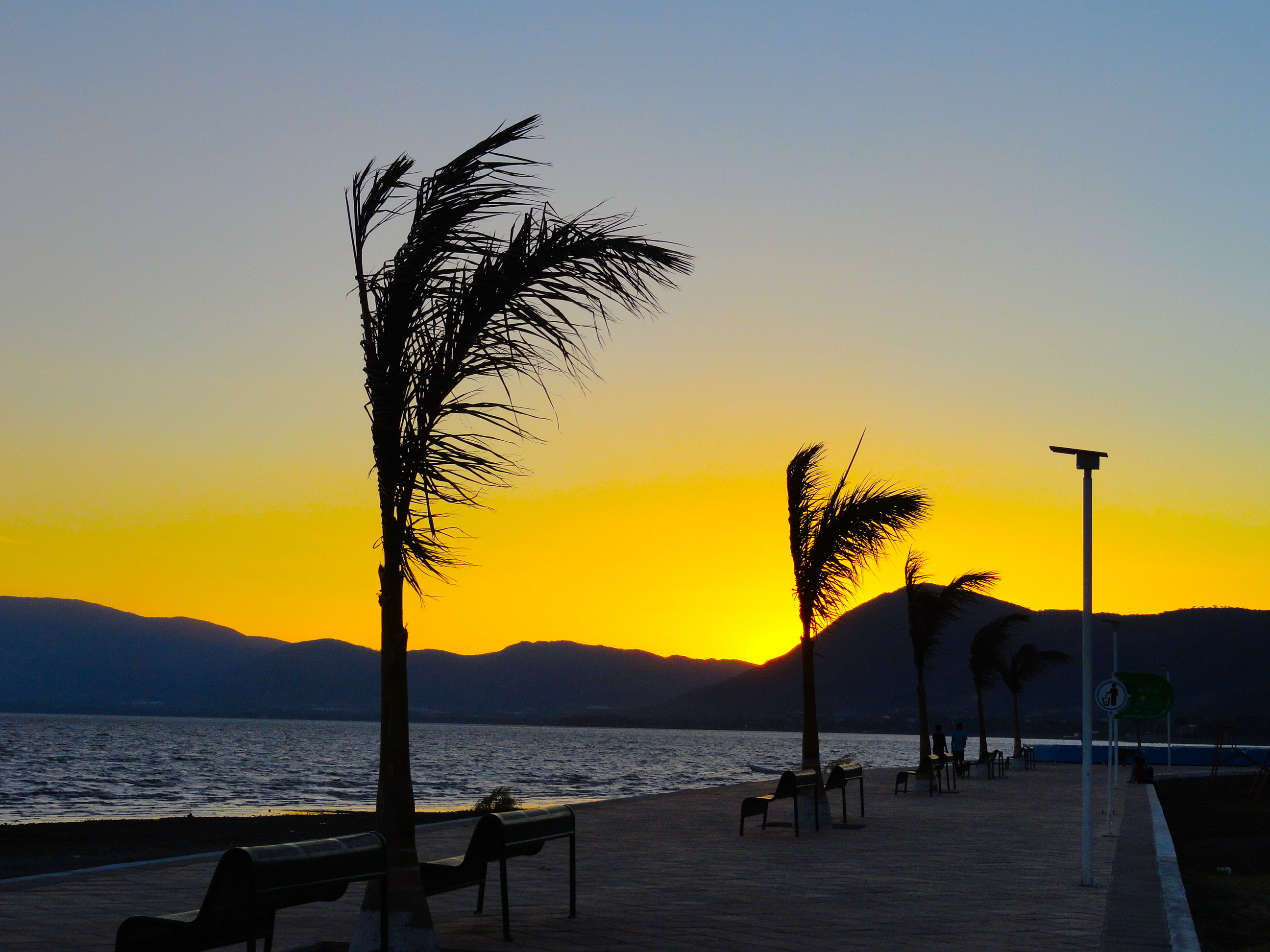
Palms point northwards in the sunset breeze
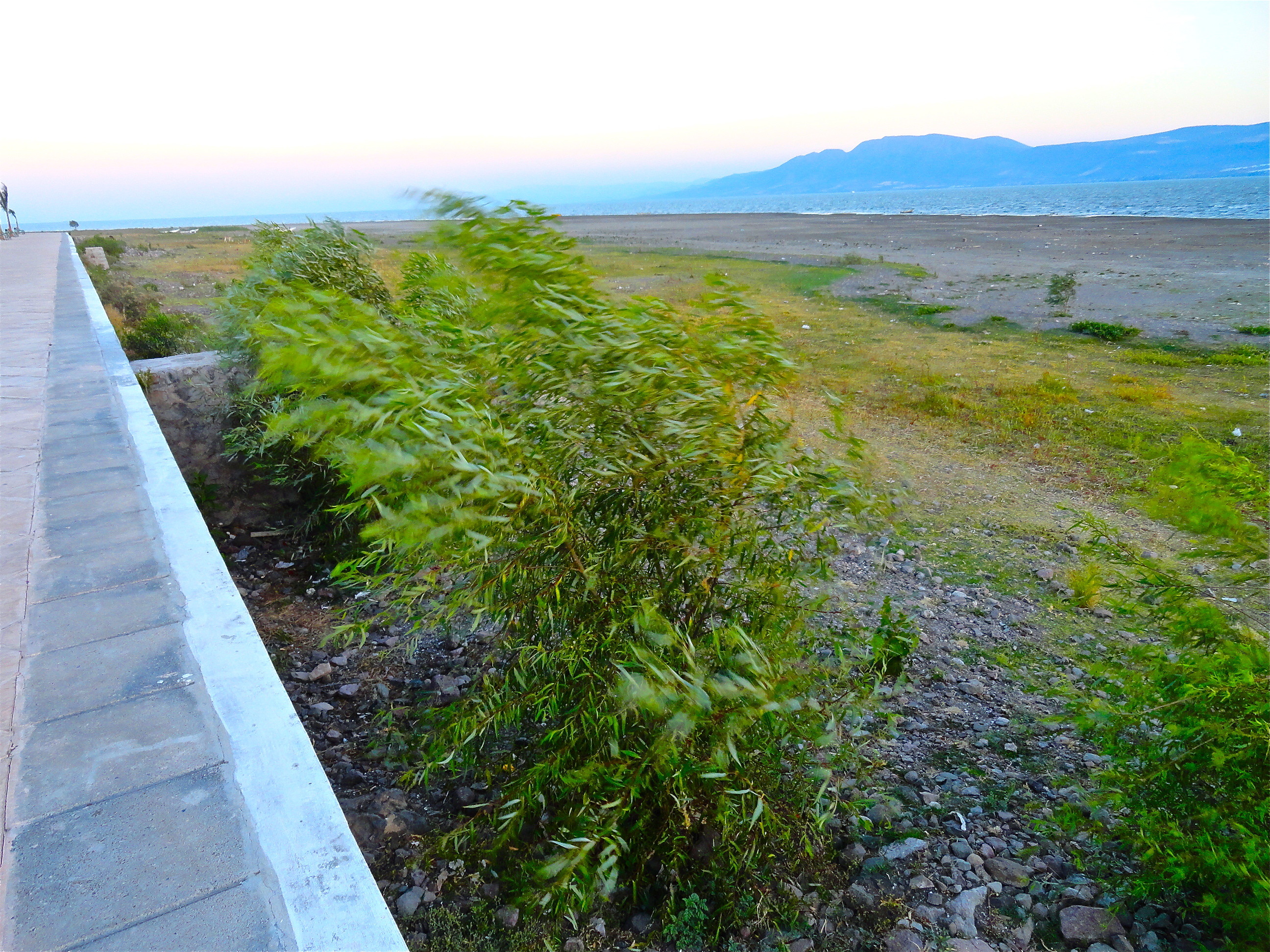
The first surprise. New willows, and, below, cattails!!!
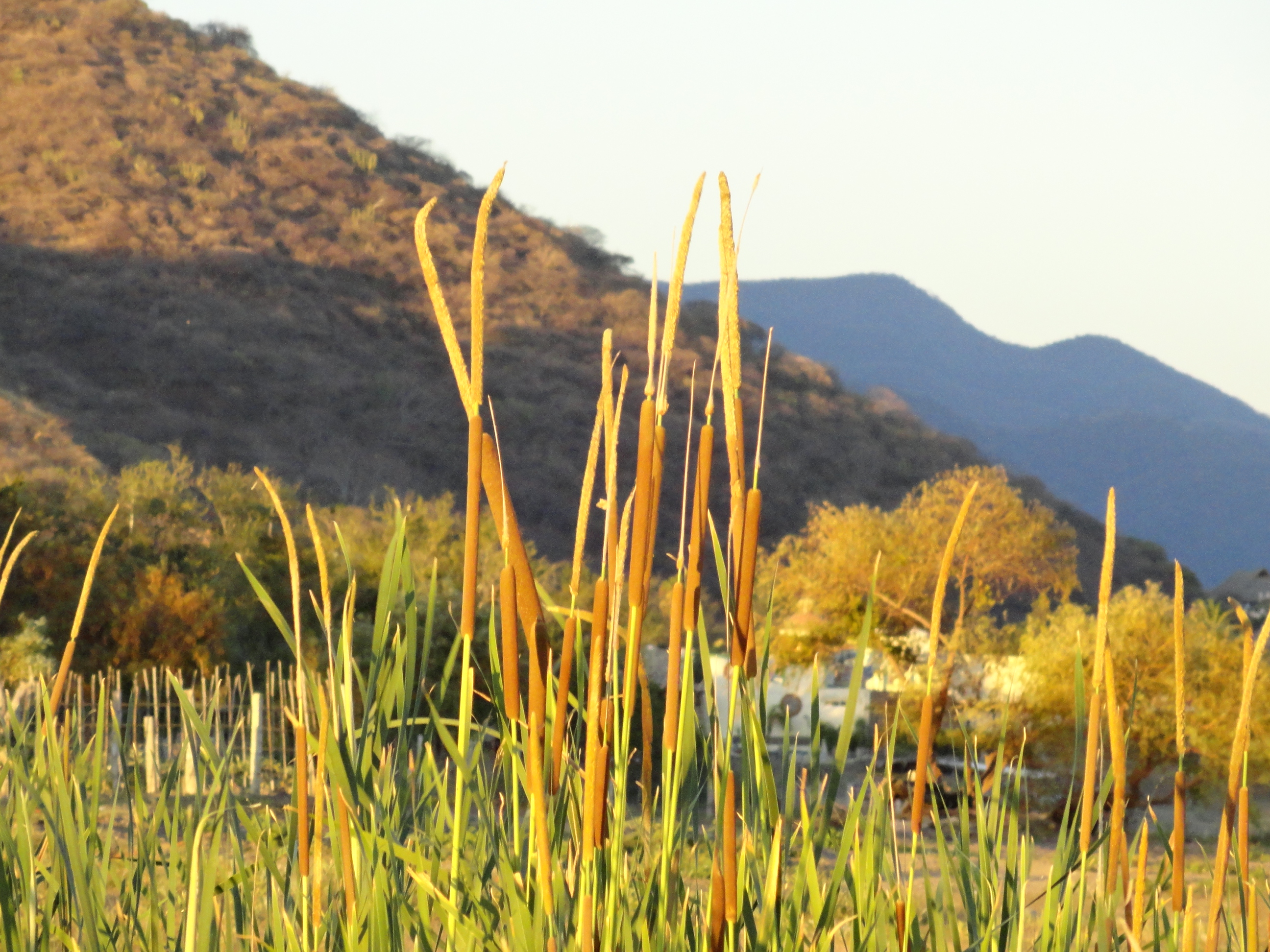
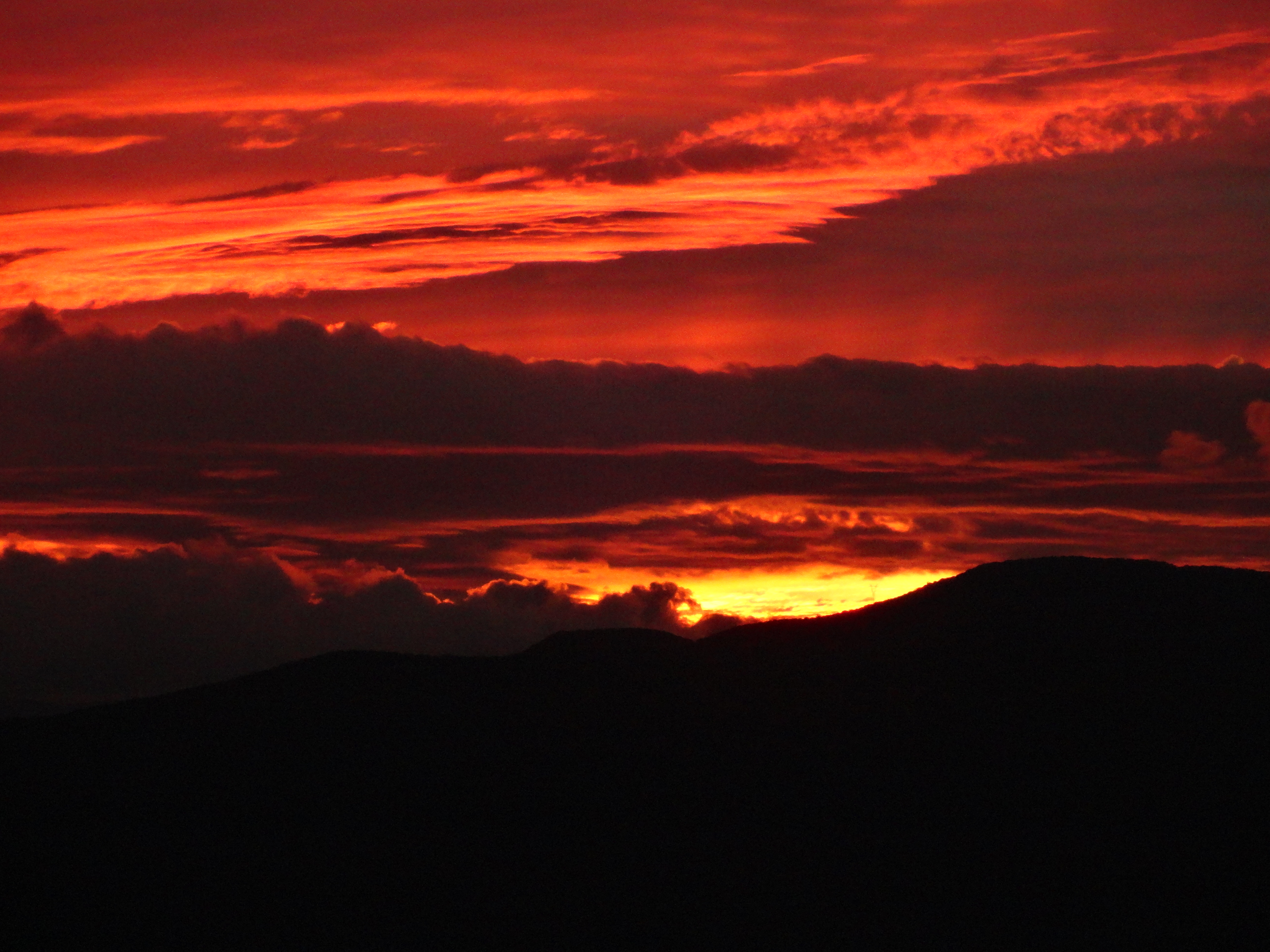
A lake sunset
This is a poem that covers the phases of the lake from 2001 to 2013, when these photos were taken. The lake has continued to shrink and swell for the 12 years since then, but luckily has not shrunk to its former much-depleted size. I am sharing this poem for the For the Sunday RDP prompt: Done
 lifelessons - a blog by Judy Dykstra-Brown
Such an interesting history of this lake.
LikeLiked by 2 people
Thanks, Sadje. It has many stories to tell.
LikeLiked by 1 person
I’m sure. 👍🏼
LikeLiked by 1 person
Ann Garcia here to say to you and to your following…Judy is a genius. But you guys alreadyknow that. I knew her when. When she was teaching in Cheyenne, Wyoming. When she was way too busy to write her own material. This fine ladys words ought to be familiar everywhere. I guess we’re just the luckiest ones.
LikeLiked by 1 person
Oh Ann. You are too, too kind….Plus a loving mom to my Frida!!! xo
LikeLike
Judy, such a lovely poem. Have you already submitted 3 poems for the dVerse anthology? If not, the deadline has been moved to 7/30. Please submit this one if you can. I LOVE IT.
LikeLike
I have, Lisa.. Perhaps I submitted too quickly, but I submitted three a couple of months ago. This is the second one you’ve suggested I submit. I always appreciate the interest you take in posts and your comments!
LikeLiked by 1 person
Judy, please put this one in your special keeper folder ❤
LikeLike
Will do.
LikeLiked by 1 person
Wonderful reflections upon natures doings and undoings.
LikeLiked by 1 person