Tag Archives: mispronunciation

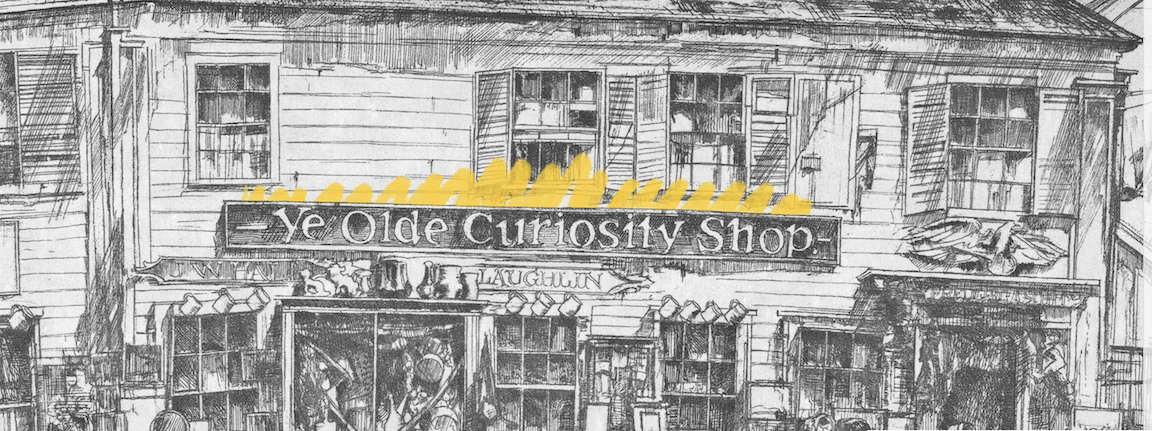
Ye Olde Curiosity Shoppe and Other Mispronunciations…

“Ye olde” is pronounced “the old.”

  • Ye Olde Curiosity Shop, Nantucket
    The next time you visit Ye Olde Shoppe or Ye Olde Taverne, you should know that the pronunciation of “ye” is actually just the boring, modern “the.” Way back in ye days of Old English — the earliest form of English, spoken from 450 CE to 1100 CE — the alphabet had some letters unfamiliar to us today. Starting in the seventh century CE, Christian missionaries began bringing the Latin alphabet with them to the British Isles, which slowly started to replace the runic script used before then. But a few of the older runes were integrated into what became a hybrid alphabet, including thorn (þ), which was pronounced “th.”

Until the Late Middle English period (beginning around 1450 CE), one common spelling of the word “the” was “þe,” particularly when the word was used at the beginning of a sentence. Over time, Middle English speakers began writing “þ” in a way that looked a little more like a “Y,” and once the printing press was invented, printers started just using “Y” to represent the character, especially when converting older written documents to typed ones. By then, “th” was also being used to represent the sound (the letter combination dates all the way back to ancient Rome), and it eventually took over the letter “Y” in the spelling of the word.

“Ye,” meaning “the,” reentered the popular lexicon with its modern pronunciation around 1850 as a gimmick for businesses that were trying to appear old, a usage that still persists today in business names such as Ye Olde Curiosity Shoppe. Soon after, “ye olde” also became a figure of speech for describing anything as archaic; one of the earliest uses referenced in the Oxford English Dictionary is a magazine article that describes a character as “ye olde fogie.”

………………….

I was just looking through my inbox and found two emails from my sister that I had never read before. This one was especially interesting:The source for this interesting artical is: https://historyfacts.com/arts-culture/fact/ye-olde-is-pronounced-the-old/
Creative Pronunciation

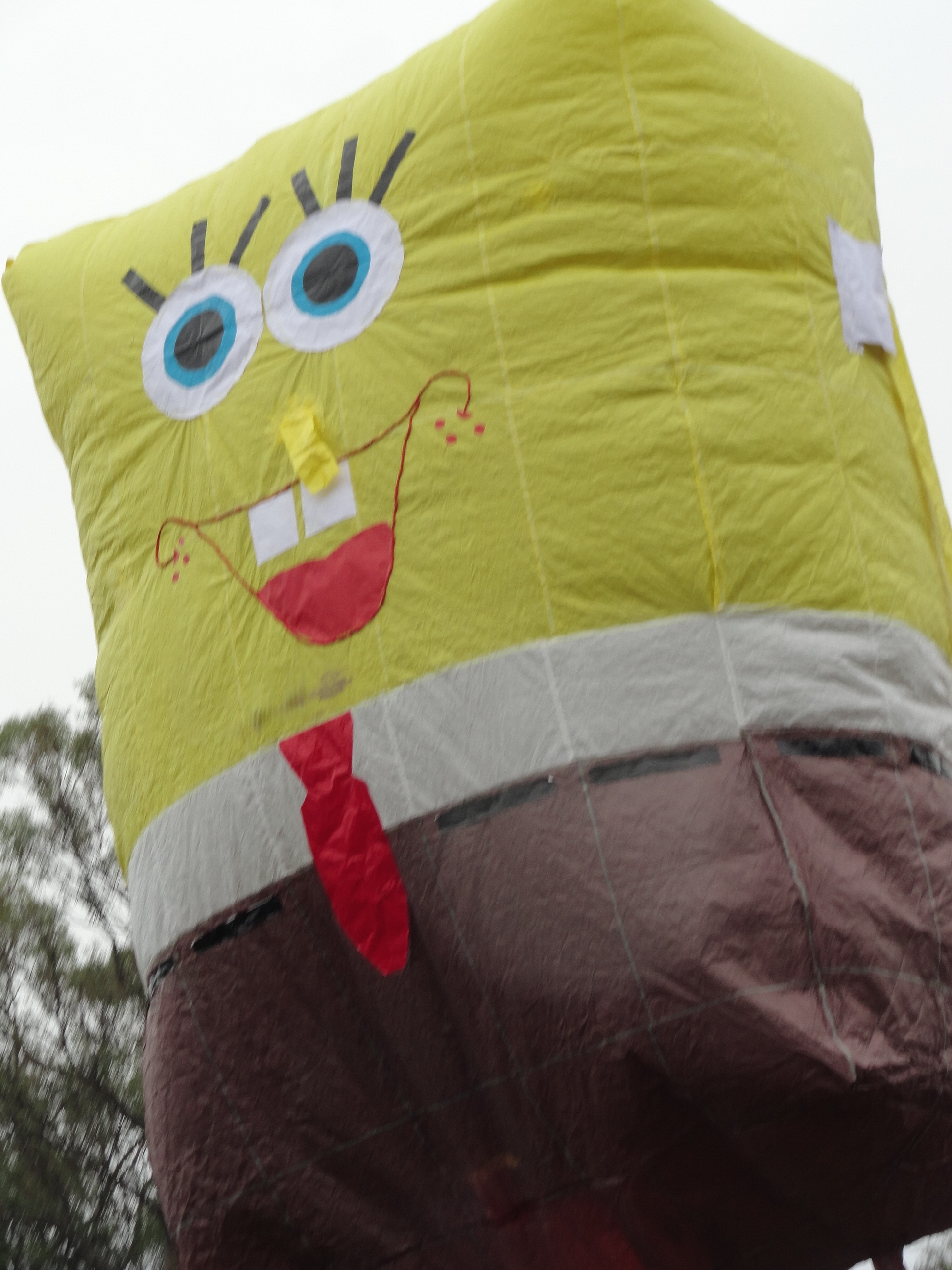
DSC07977

Creative Pronunciation

“I’m serial,” he used to say,
a child with lips stretched tight
and fists clenched in earnestness;
and then,”How ruve!” when we laughed.

His vocabulary was sophisticated
for a child of eight,
and yet childish in its imprecision.
One letter switched, or three,
can bring about the opposite of the effect intended.
“Possumbly” can put one’s whole argument
into question. “I mean maybe!”
make one’s firmest assertions laughable.

How staunchly we defend
the walls around our words, as though
corralling  them controls the world.
And yet we have so little control
over potentates
who bend them to their will.

Though we may know the sound of words,
we do not always know the truth of them.
Some trust the word itself to proclaim truth
despite the facts. Thus do certain words
seem to carry a power of their own. Religion.
Country. Safety. Patriotism. No matter what the deed,
declare it in defense of one of these,
and there are those who will believe you to speak truth.

There are those
who have the power of making words march
straight ahead in noble order while their truth lies low in camouflage.
We are so accustomed to what parades as reality
that we believe these staunch maneuverings,
listened to like an old radio play
or its newest replacement, the reality show.

They entertain us with the sound if not the depth of what they say:
creative pronouncements, slogans, sputterings,
until the truth of words dies out
and they are shells of words,
scattered upon the beach
for our collection,
put upon a shelf just for display.

Their center gone, they join an empty world
devoid of air and life.
No water to drink.
No meat of words to chew on.
Thus is the power of words
to feed us or to strip us of our world.
A child’s innocent mispronouncements,
or the false pronouncements of a fool.

The prompt today was seriousness.