Tag Archives: Symbols

A Dreaming Vocabulary: NaPoWriMo, Apr 14, 2018

A Dreaming Vocabulary

When you’re sleeping soundly in your nightie or pajammers
and you happen to be dreaming of teacups, sharks and hammers,
if the hammer pounds the teacup, spilling tea and cream
to soak the wobbly table that is also in your dream,
you might think good fortune has cruelly run out,
but that still does not explain what the shark’s about.

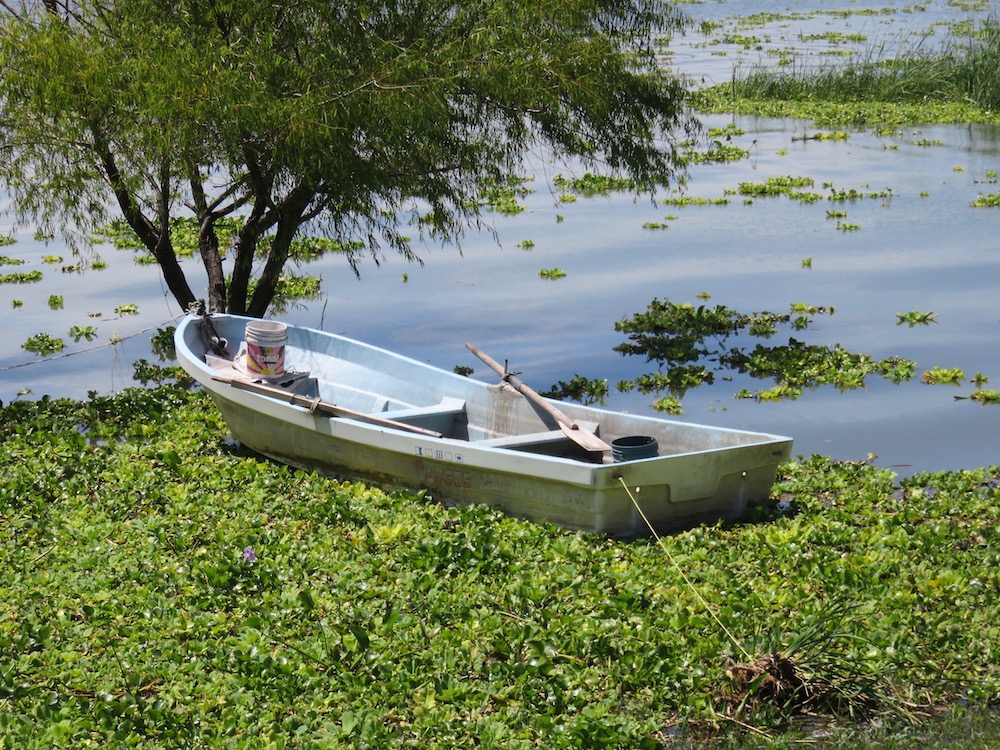
A dentist in a rowboat comes rowing quickly by.
He fixes that circling shark securely with his eye,
grabs him in a deadlock and pulls him o’er the side,
doses him with novocaine, then just drifts with the tide
as he extracts the teeth that he might use to chew
on anything that he encounters: fish or squid or you!

And just as he is finishing this grisly operation,
the shark begins a session of intense regurgitation.
First a full-grown seagull, then a pink silk ballet slipper
with the ballet dancer still attached, alive but not too chipper.
The shark is still recovering so toothless and so numb it
knows not that if it wants a meal, hereafter, it must gum it.

The whole group now returns to shore. The dancer dances off.
The seagull sits in shock and the shark begins to cough.
A mariachi hits the sand, complete with his guitar.
All of them a bit in shock, wondering where they are.
And to you, caught there  in dreamland, what message does this send?
Perhaps, my dear,  that everything comes out right in the end!


The Day 14 prompt is: Pick one (or more) of the following words, and write about what it means to dream of these things: Teacup, Hammer, Seagull, Ballet slipper, Shark, Wobbly table, Dentist, Rowboat.
The Rabbit’s Navel

P7060076

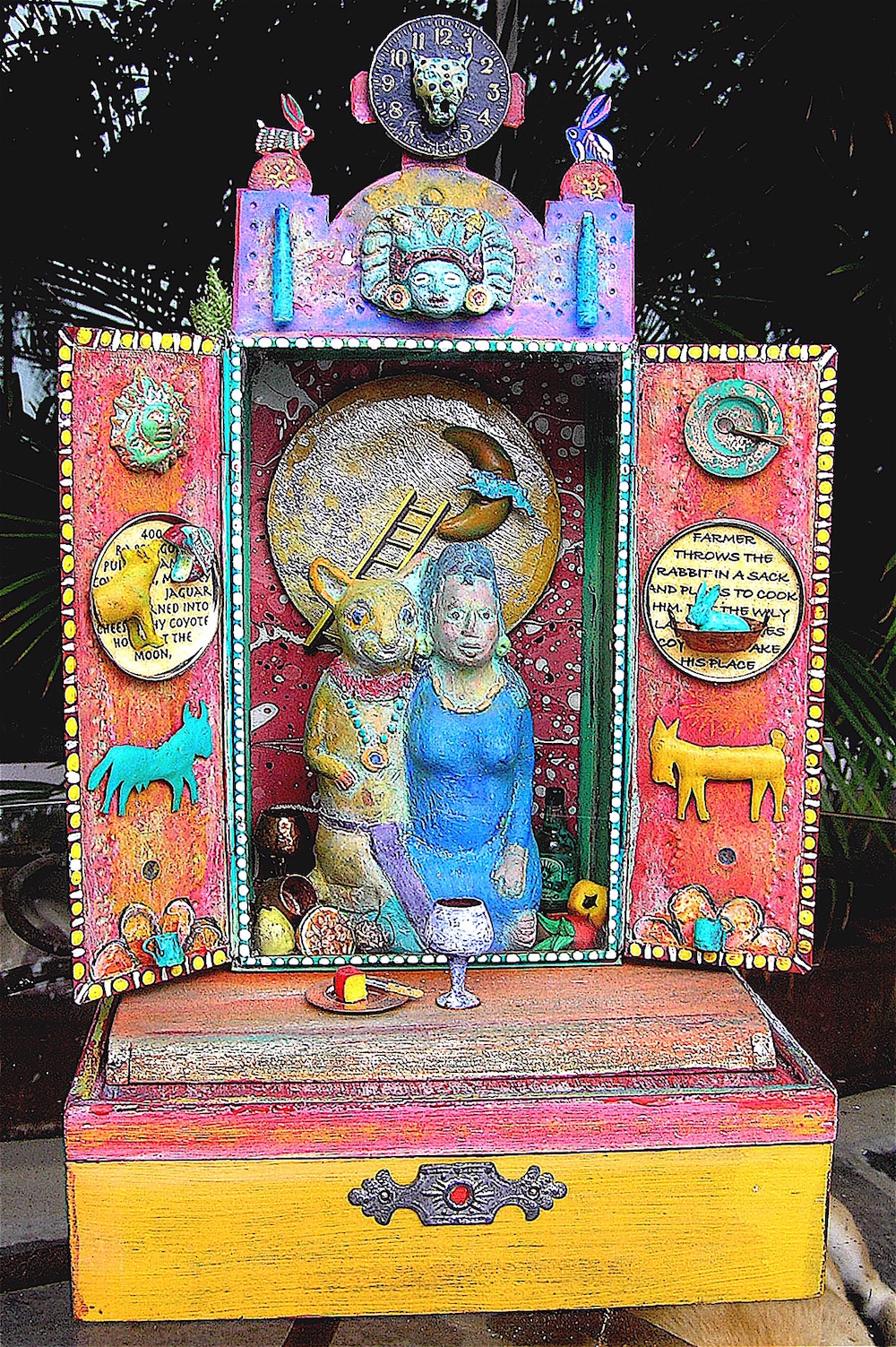
“The Rabbit’s Navel” Retablo by Judy Dykstra-Brown

Numerous Mexican legends surround Rabbit, and each object in this retablo depicts one of them. Even the name “Mexico” is derived from Nahuatl words for the rabbit in the moon; and its capitol, Mexico City, is built on six lakes in the form of a rabbit. If you open the box this retablo sits upon, you will find inside a manuscript that conveys the story of the rabbit in Mexican legend and how I was drawn to it. The Aztecs had a legend of 400 drunken rabbits who were the gods of pulque–a drink made of fermented Maguey–the same plant that Tequila is made of. The woman sitting next to rabbit might be Mayahuel, the goddess of Maguey, but it is more likely that she is the Jaina woman explained in the quote below from the book Maya Terracottas.

“Representations of Maya women occur more commonly as Jaina figurines than in any other medium. These Jaina figures represent two kinds of women, both archetypes of female behavior. One is a stately, courtly woman who is sometimes shown weaving; the second is a courtesan who appears with all sorts of mates, from Underworld deities to oversized rabbits. The imagery of both derives from Maya concepts of the moon, perceived as an erratic, inconsistent heavenly body, whose constantly changing character follows the monthly cycle of female menses…
…The second female type is far more active, and she projects her sexuality…she is usually bare-breasted, and she gestures, as if offering herself to others. The demure woman may be painted in various colors, but this one is generally painted blue…Nothing else in Maya art conveys sexuality more convincingly than these figures. Although they may be conceived as the moon goddess and her consorts, they also reflect human behavior. As companions for the dead – perhaps particularly for old men – they seem to promise renewed sexual activity. For the living, such Jaina figurines may have been titillating objects for private observation.” (Schele: 1986, p. 153). Cf. Kimball, Maya Terracottas, p. 23

https://dailypost.wordpress.com/dp_photo_challenge/symbol/

Weekly Photo Challenge: Ancient Signs

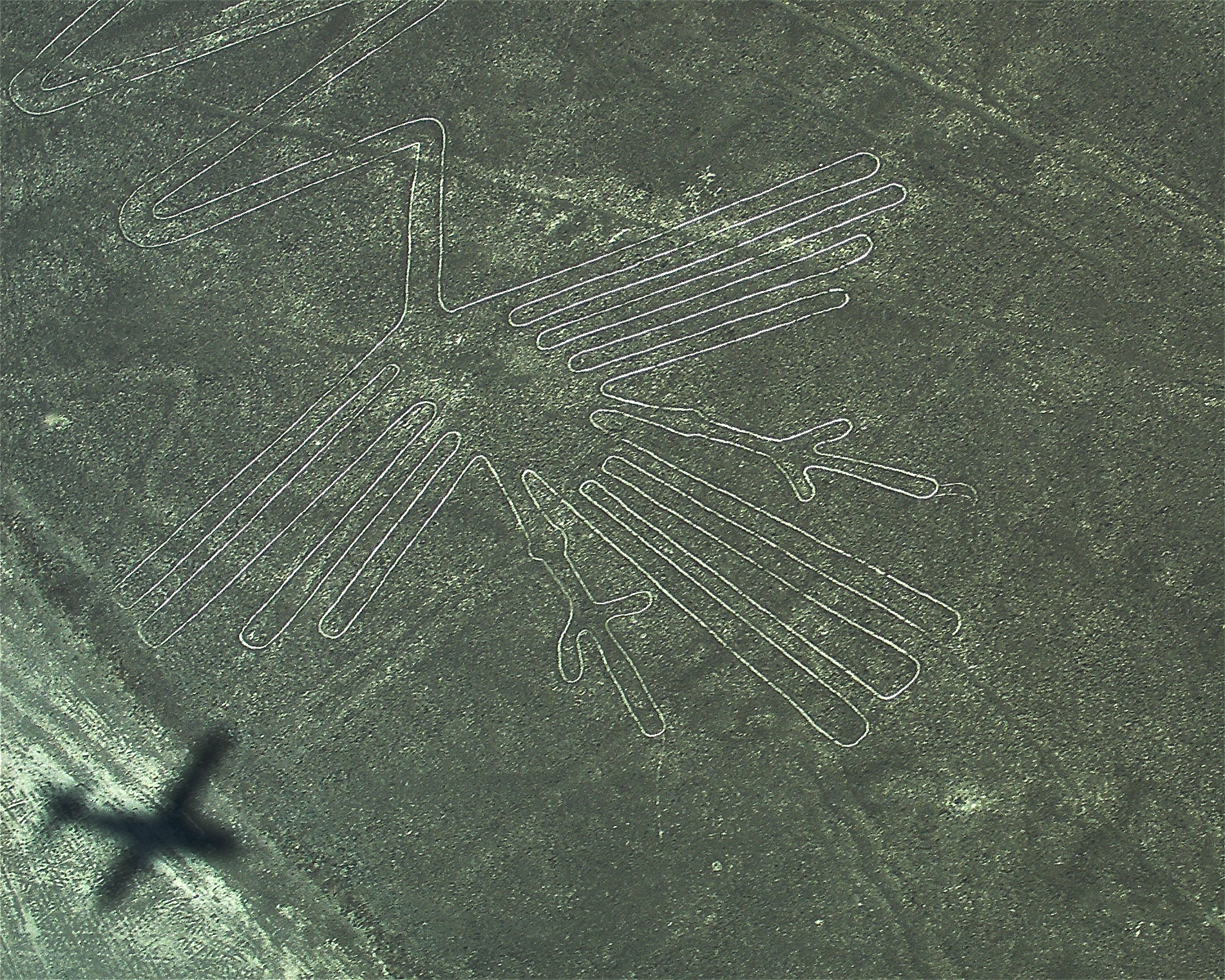
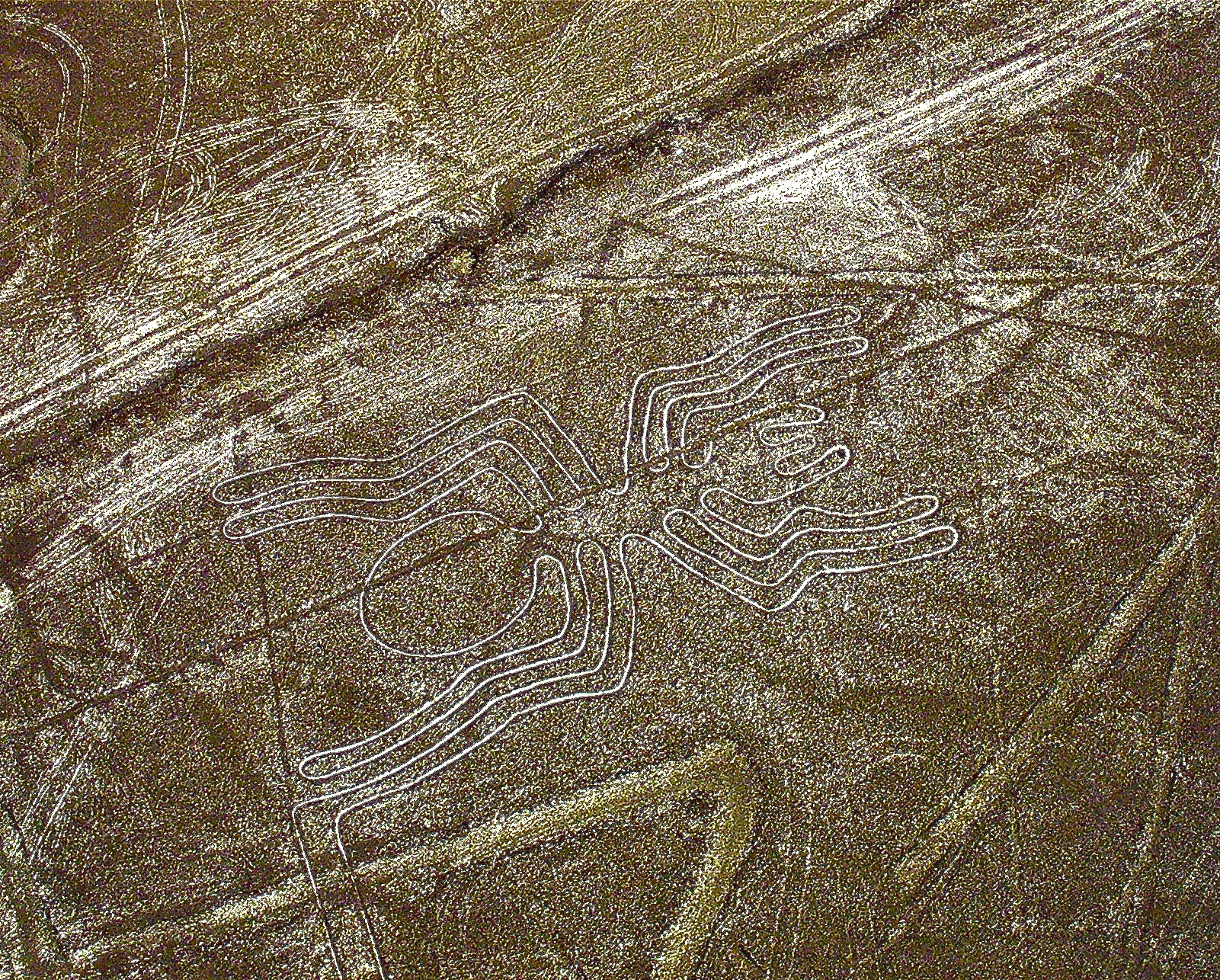
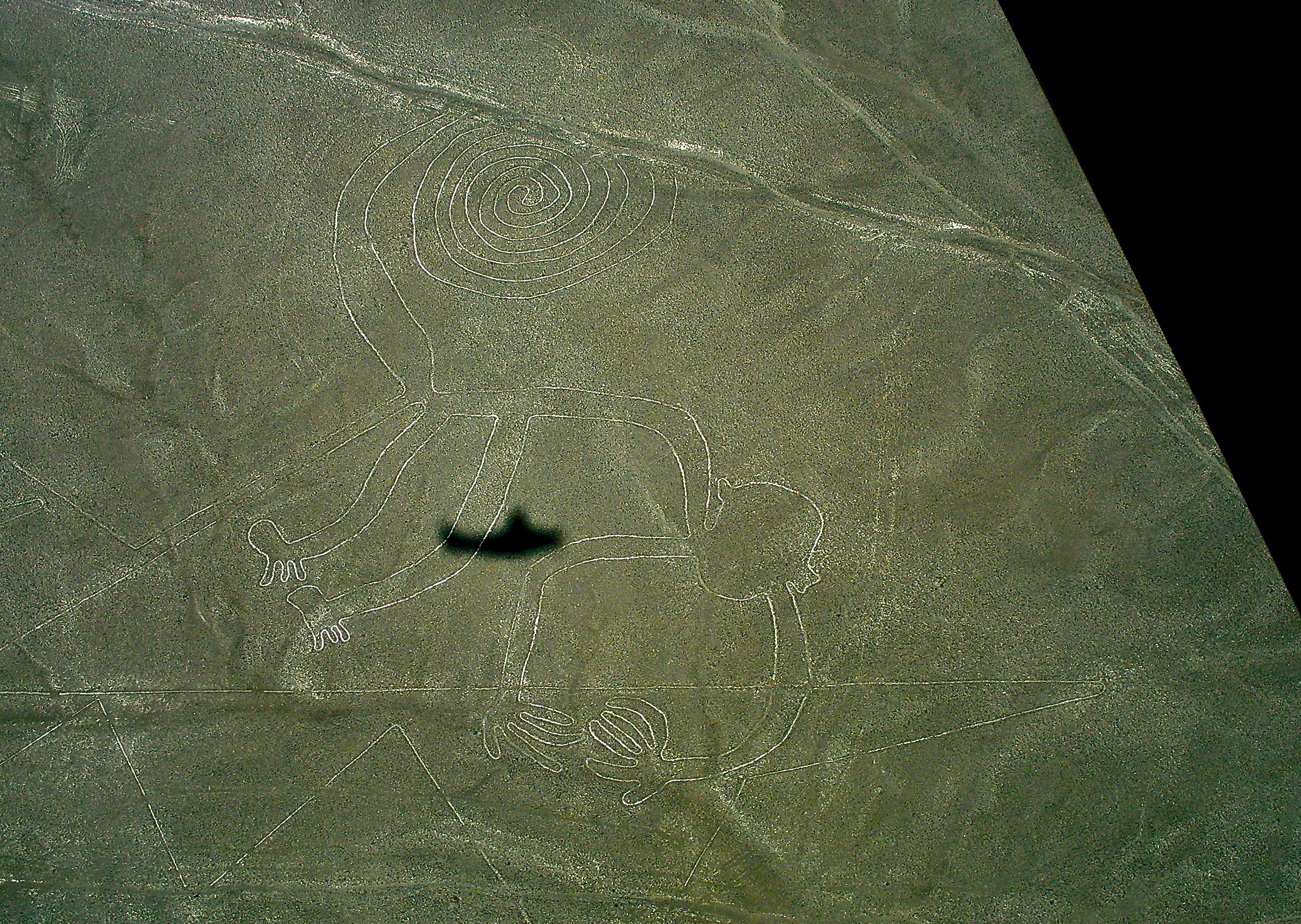
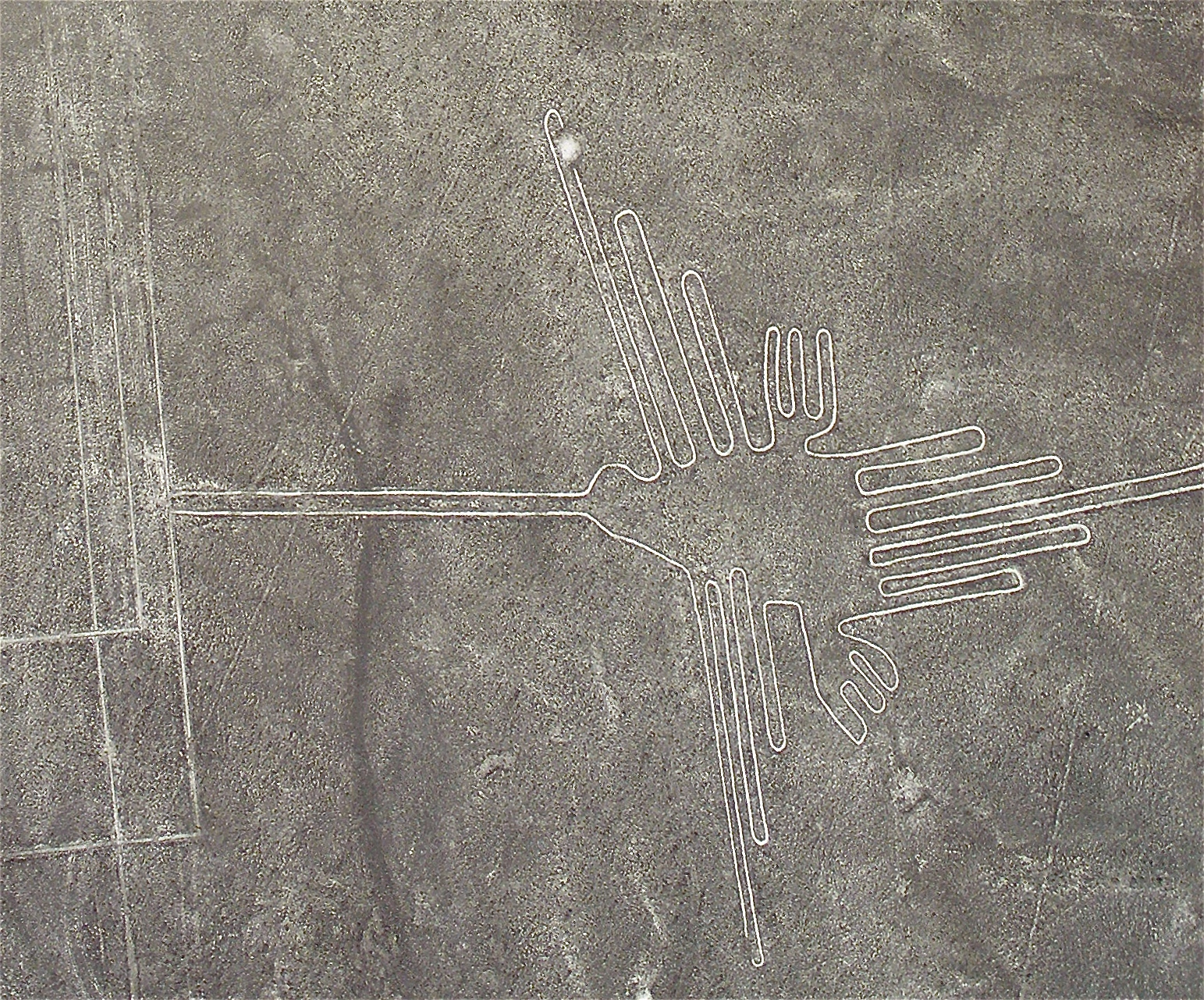
DSCF1303DSCF1291  DSCF1283 DSCF1298 http://dailypost.wordpress.com/dp_photo_challenge/signs/

No one knows what or whom the Nazca lines were signaling, but their scale is awe-provoking. I loved playing with the position of the shadow of the plane in relation to the ancient symbols.
See more about the Nazca lines here.