I answered this prompt before. Go HERE to see my answer.
Firefly III!!!!
3 Replies
I answered this prompt before. Go HERE to see my answer.

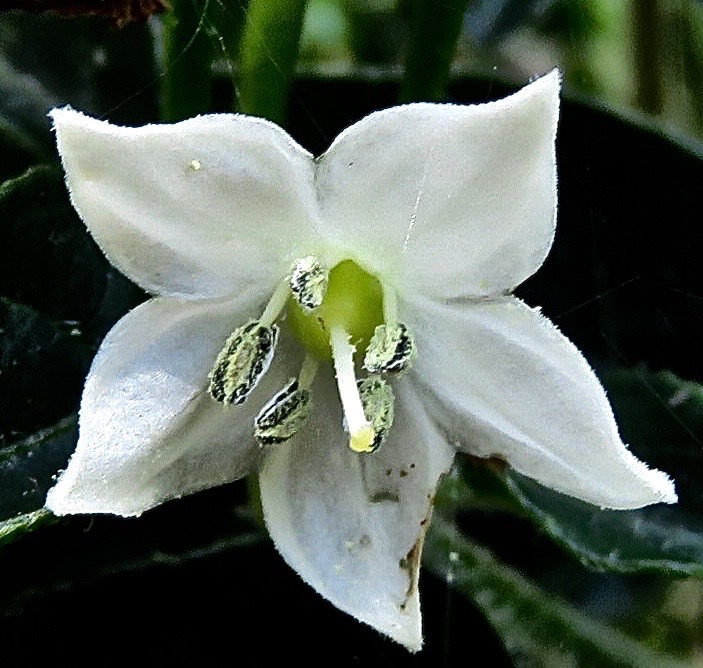
My chile bush has grown by leaps and bounds this year, thanks to a vigorous rainy season. This is a closeup of its bloom. It is actually very tiny. Perhaps 1/2 inch across.

As you can see, some little spider has been very busy indeed on this plant.
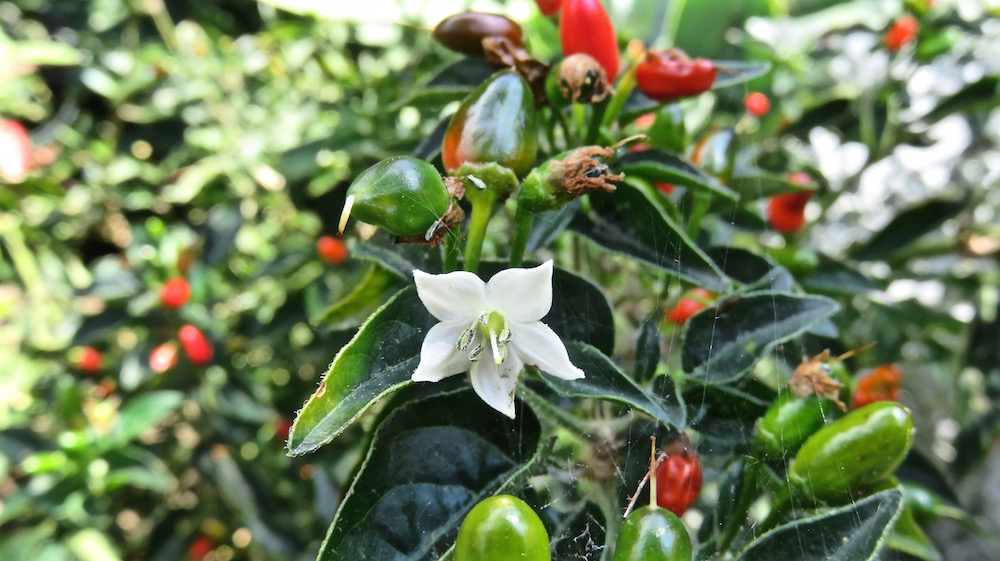
If I make a lunch for workers, they often nab a few chiles off this bush to spice up my tame gringa food. Perhaps they, too, will be nabbed–by this busy spider.
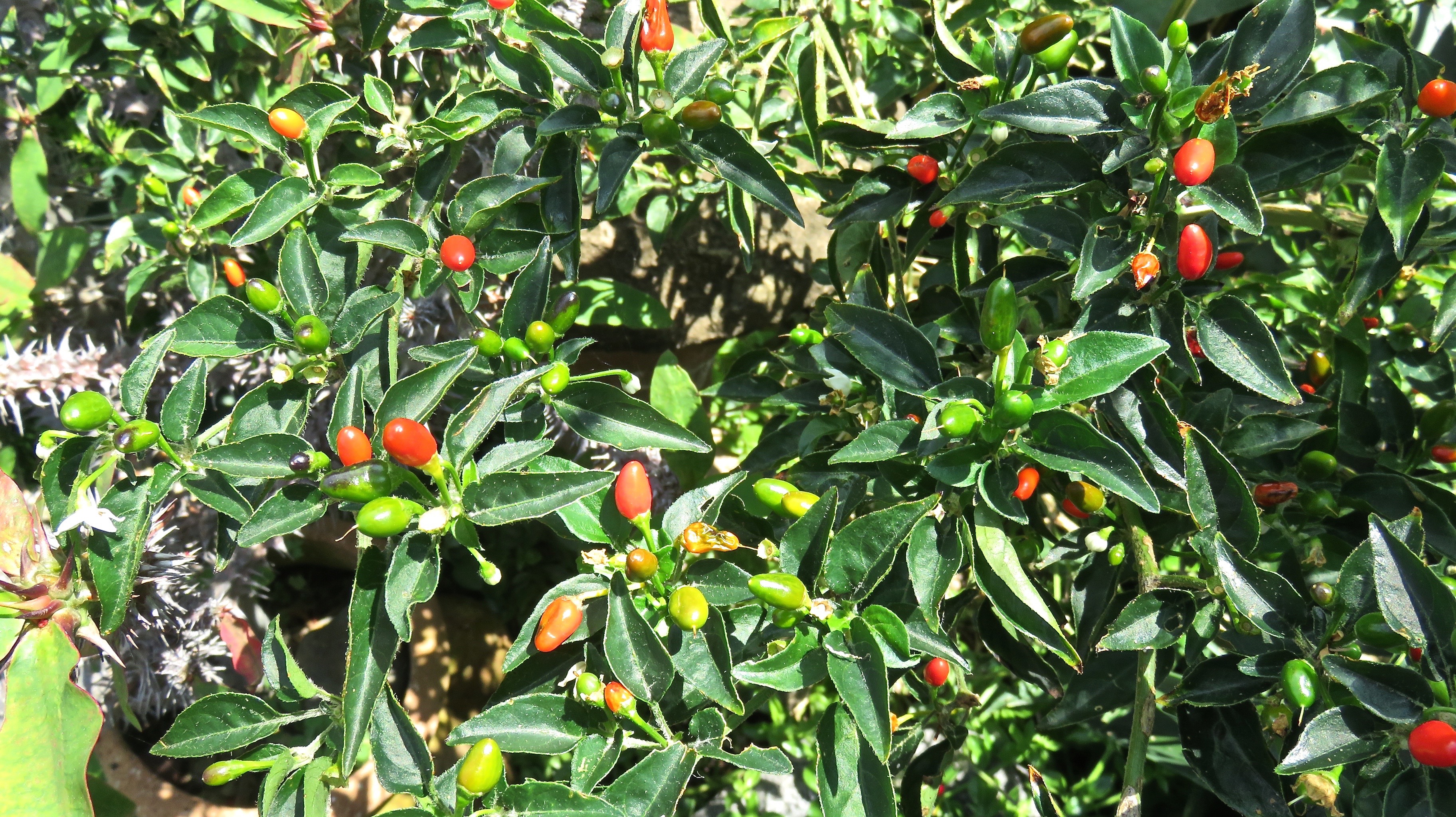 Chiles in all stages from green to yellow to red can be seen on my former plant, now bush, soon to be tree!!! (Given another rainy season like this one.)
To get an idea of the scale of these miniature chiles, go HERE.
http://ceenphotography.com/2015/08/29/flower-of-the-day-august-29-2015-rose/
At Irene’s request, I am publishing the poem that I published the ending to yesterday in its entirety today. Audrey and Betty–you may not want to read this one!
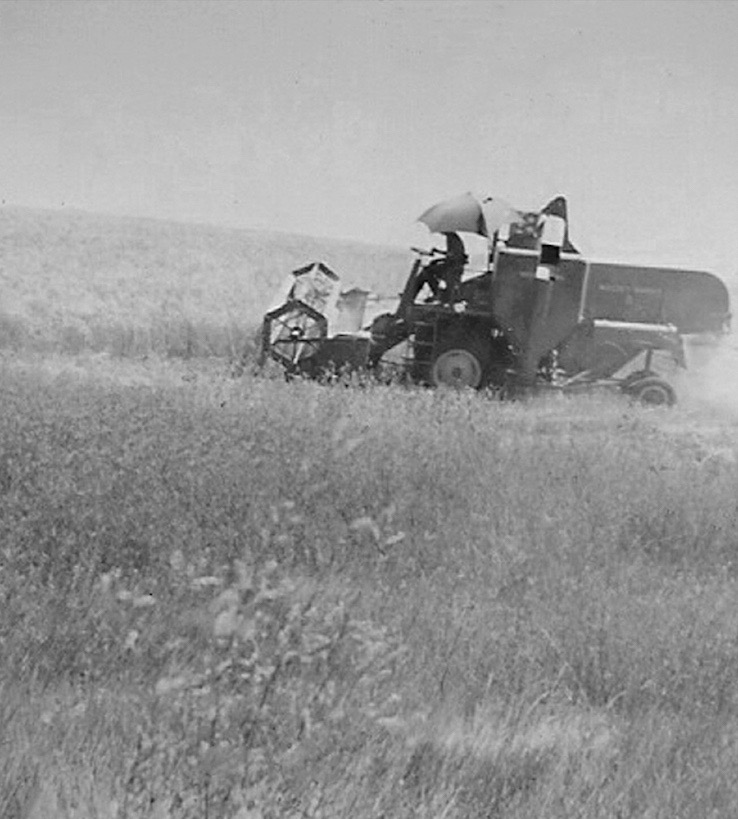
The Combiners
They used to roll in mile-long parades
down the two-lane highway that led to our town–
big trucks carrying bigger combines,
like mothers still carrying their much-too-large sons.
Once we followed a string of twenty combines
for fifty miles—
Passing them all an impossibility,
as much for their sheer numbers
as for the almost constant tourist traffic
in the oncoming lane.
When the caravan pulled off the road at last,
sixty cars squealed by, accelerating.
From opened windows, fists were raised,
and not in solidarity.
They ringed the football field,
parking far out against the fence
like floats after a homecoming parade.
In an inner ring, camping trailers, cars and pickups
With license plates from Kansas or from Oklahoma,
drew into a not-much-smaller circle,
like wagons protecting themselves
from a too-easy invasion of natives.
The next morning, the combines
and most of the cars and trucks
pulled out,
leaving the trailers like war brides behind them
as men and machines moved out to the land
to bring in the harvest
before the hail or rain hit.
These machine monsters
Were not the air-conditioned luxury cruisers
of today, but the dusty, scratched, hot,
wheat chaff-blanketed, insect-filled,
open-to-the-one-hundred-degree air
combines of the fifties.
Each summer in July,
when these droves of men and boys
came northwest
from Kansas and Oklahoma,
we were told by our mothers to
stay away from the school football field
for the weeks of the harvest,
to stay away from the boys
in the downtown cafes
and the movie theaters
and the weekend dances.
Especially, to stay away from boys
in pickups or in cars
with out-of-state license plates
as they “U’d” main on Saturday night.
To stay away from their soft southern drawling voices
and their sun-baked work-hardened hands
and the tanned sinews of their arms.
Away from their breath
and their eyes,
their slow smiles
and their syrup voices.
These same boys we came to know
as shy farm boys
or college students
earning tuition with a summer job,
were dangerous in the minds of our mothers,
who either remembered
magnetic strangers of their own
or knew the dangers in the way of small towns:
by watching the lives of others.
Our fathers’ memories
of teenage yearnings
or present urges, fulfilled or unfulfilled,
swelled their minds with possibilities as well;
but fathers didn’t talk to daughters about such things.
The mothers were their buffers and their adjutants,
and so the fathers watched and mothers warned
the day the combiners came to town, plague or gift,
to camp in their Airstreams in the high school football field.
What better gift could be brought to a teenaged girl
In a prairie town of 700 people?
It was a treeless, riverless, lakeless town
sixty miles from nowhere.
A town where most of the boys went home
right after football practice
or basketball practice
or track.
Where on weekends they shot rats at the city dump.
Where in the summers, they worked
on their dads’ farms
And barely came to town at all.
A town where my particular age group of boys–
five of them in a class of fifteen–
were all late bloomers when it came to girls
and who even when they did bloom in their senior year,
didn’t date us,
but dated, instead,
freshman girls who made them feel secure.
What better gift, then, could be brought to us
than Oklahoma boys, soft-speaking, tanned and dangerous?
There were three restaurants in our town–
two for locals, one
for tourists and special occasions–
And in all three,
the majority of waitresses
were high school girls.
It was here that we came to know their
soft-drawl voices as they ordered,
sly-shy smiles when we filled their tea glasses,
the bump of their tanned knuckles against our wrists
as they took the ketchup bottle.
Here, our mothers could not insulate us from
the clean smell of their after-work showers
and the scent of wheat chaff lingering under it,
their tanned arms and their tanned faces,
their foreignness and their taboo charm.
The dances in Vivian, 40 miles away,
started at 10, when the shows let out,
and ended at 1:30.
There were kids from all the high schools
for 60 miles around.
The drinking dads of some of my school friends went there,
and college kids,
guys from Pierre–the biggest town we knew–
as well as from Presho and Kennebec and Chamberlain.
These dances in the town gym were famous.
Only sodapop or coffee were sold at the concession stand,
but drinking went on in cars
and in the bar down the street,
before, during and after.
The summer I was sixteen,
sneaking a smoke in the parking lot before the dance,
we noticed the pickups with the out-of-state license plates.
This was a first for us–
an extension of the neutral ground of restaurants.
Later, inside, we saw them dancing with the Vivian girls.
Each of us felt like we owned a particular combiner
that we’d noticed on the street or,
more likely, in some cafe,
so that their dancing with Vivian girls
seemed to us an infidelity
that we might or might not forgive them for.
I saw him first on the bleachers
on the other side of the floor.
As dancers came together and parted,
I saw him and then didn’t see him.
After the music stopped, I craned my neck
around the legs that stood in front of me,
trying to see him across the cleared dance floor.
Then the voice at the top of the legs
asked me to dance, and I looked up–at him.
Feeling uncertain, wicked and wild,
I answered yes.
I’d served him once or twice
at Restaurant 16–
that highway-fronting restaurant
as exotic as its name.
I knew he was working the Weston place
with an outfit my dad had never used.
He liked his steak well-done,
French dressing, no tomatoes.
Butterscotch sundaes made him cough.
Over the water pitcher and order pad,
we had traded a look or two.
I knew he wore Old Spice
and drank Cokes with breakfast,
but I didn’t know his name.
When we got to the dance floor,
he took my hand,
put his other hand on my damp waist.
It was a slow dance and the night was hot.
The dance was work.
I was awkward–too inhibited to get as intimate
as following in dancing requires.
Over the music, we tried to shout our names,
tried to find a mutual rhythm,
finally giving up both endeavors
to dance the slow song, untouching,
moving our arms in fast song 60’s style
to the slow song rhythms.
When the music stopped,
he walked me back again
to the bleacher
he had plucked me from,
reinserted me into the correct space in the line of girls,
smiled, and walked away.
My friends closed around me
like a sensitive plant
to hear the news.
I watched his back,
blue short-sleeved shirt,
his pressed Levis
and his cowboy boots.
I watched the Oklahoma swing of his hips–
danger on the hoof.
He wouldn’t ask me to dance again,
yet, his sun-blackened arms,so finely muscled,
had held me for a minute or two.
His bleached blue eyes
had seen something of worth in me.
He had asked my name, touched my waist,
and walked me off the dance floor.
And, since this was as spicy
as any of our stories would likely be
all summer long,
I turned to my friends to tell the tale.
I definitely think this suits today’s prompt: https://dailypost.wordpress.com/dp_prompt/take-a-chance-on-me/
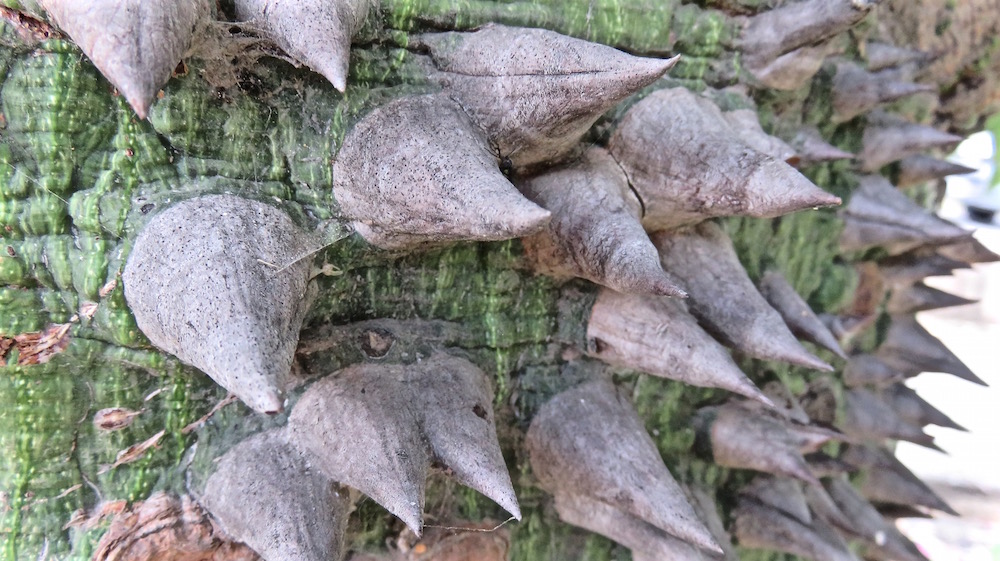
Thorns
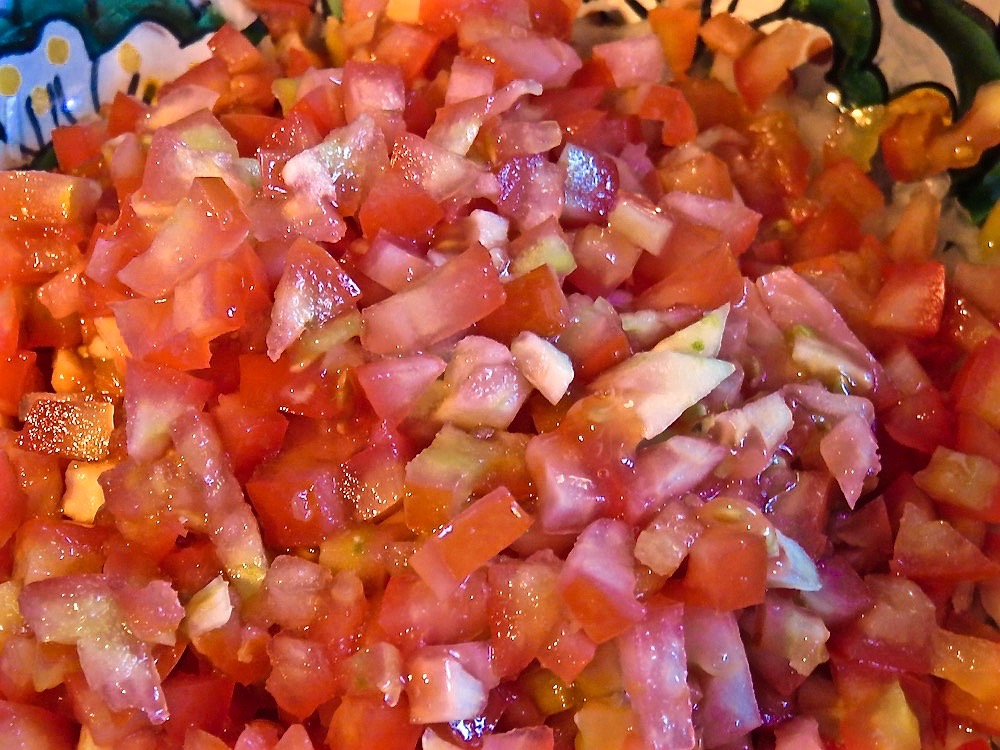
Tomatoes
Turtles

Termite Nest

https://sundaystills.wordpress.com/2015/08/23/sunday-stills-the-next-challenge-the-letter-t-2/
The Most Overused Adjective in the English Language
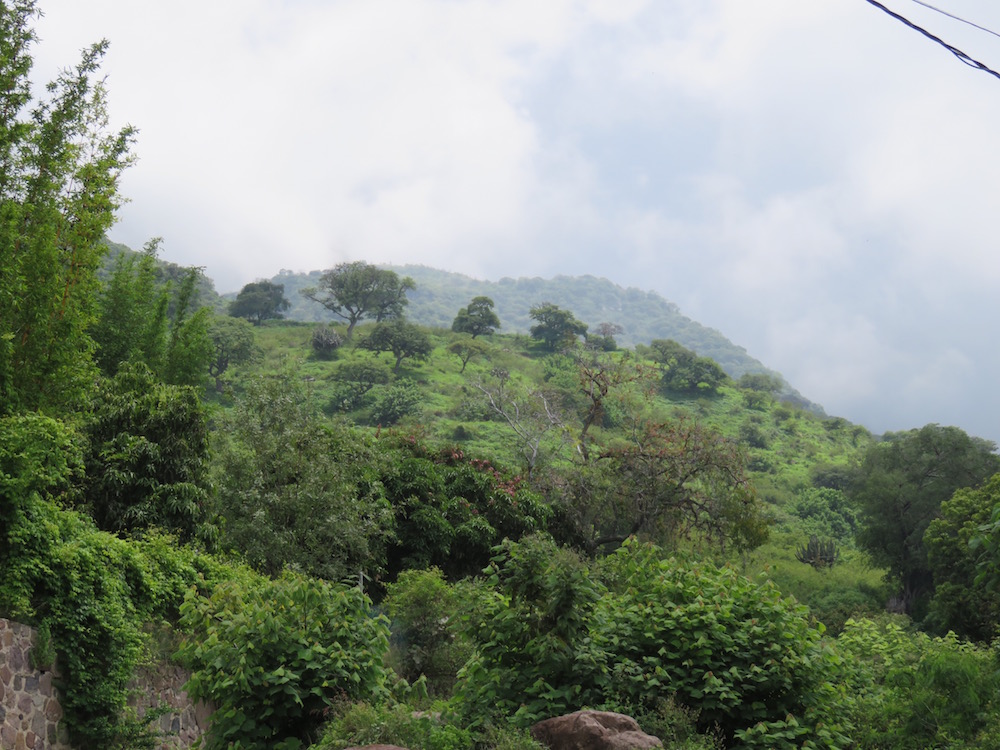 Quick! What one word would you use to describe this scene behind my house?
The prompt today was, if I could permanently ban a word from the English language, what would it be? Easy easy. There is a word that has been so overused over the past few years that I cannot stand to hear it used even when appropriate! If you are my friend, please remember and try to curtail its use. If it wasn’t the word you chose to describe the above scene, give yourself a point. If it was, deduct ten points and learn to avoid using it. You’ll thank me later! For my answer, go HERE.
What is This Doing Here?

Cee gave me the perfect opportunity to use this picture taken in Sheridan, Wyoming earlier this year. Couldn’t quite figure out what this fire hydrant was doing out in the middle of this field. So, Cee, I see your fire hydrant, and raise you . . .
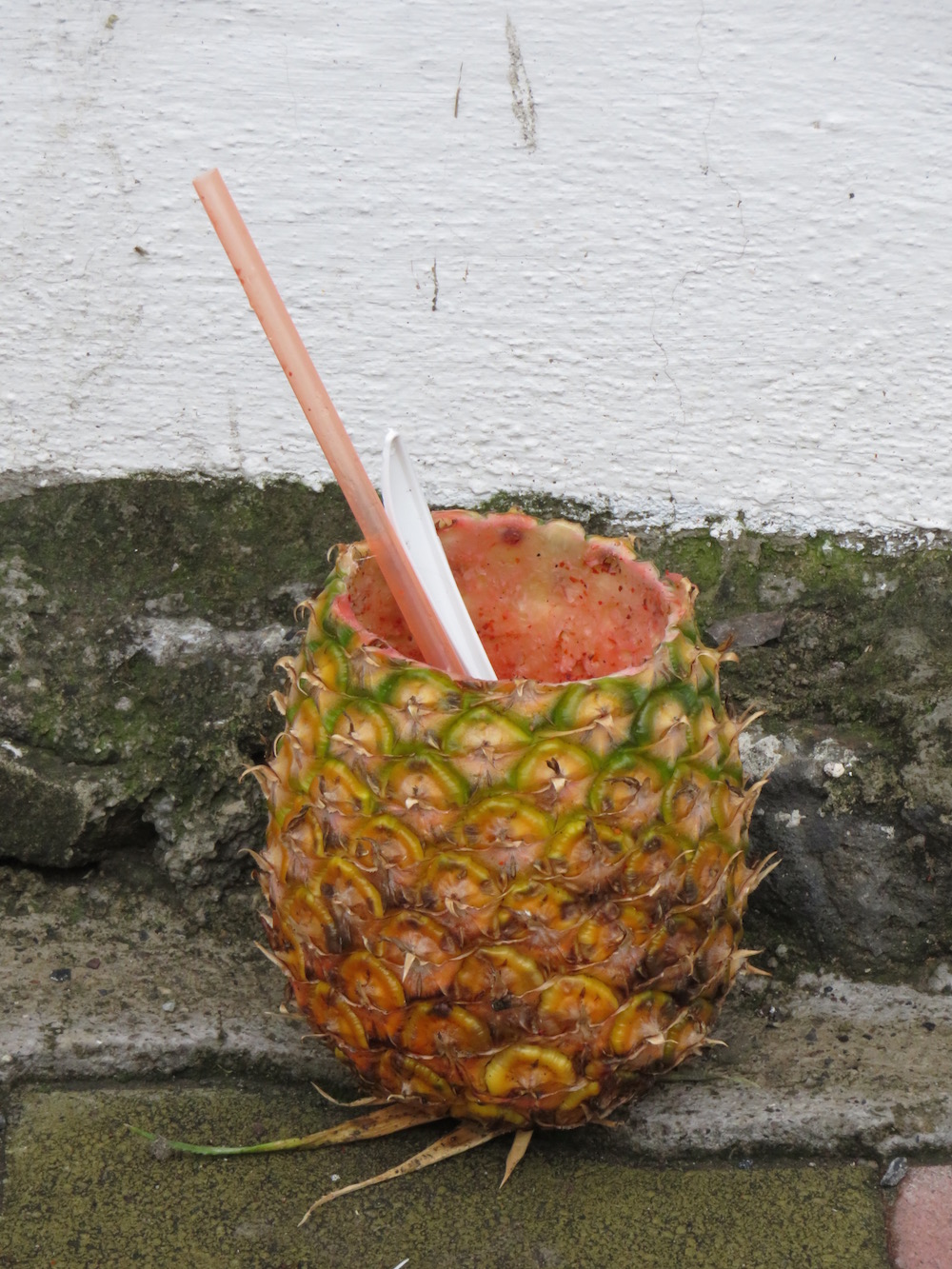 one lonely pineapple shell complete with spoon and straw, drained of its further purpose for being, nestled up against a wall along the carretera–the main road that runs along the lake, going past all the fish restaurants and on to my house and places beyond. Then, these oddly located items cry out to be joined by one more I’ve shown before:
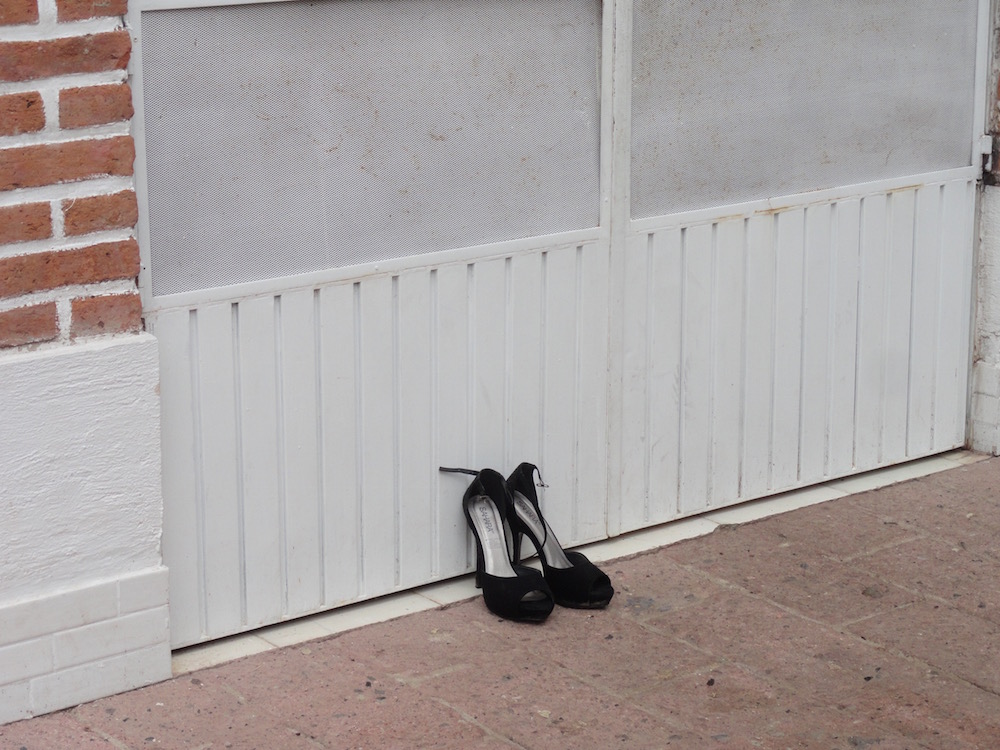 These vampish stilettos were outside the door of a local girl’s orphanage. It turns out they belonged to a former resident, come back to visit. It is as though she shed her present personae when she slipped back into her old life for a short while. Or perhaps they were just as uncomfortable as they look.
http://ceenphotography.com/2015/08/23/cees-odd-ball-photo-challenge-2015-week-34/
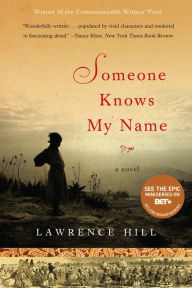 Someone Knows My Name* by Lawrence Hill was one of those books where bad times just keep coming. By the end of it, I felt like a chocolate cake sitting on my counter must feel every time I walk into the room. “Oh no. I knew she’d be back!” Then the old knife comes out and–another series of bites. Ouch, ouch, ouch!
The reason I was persistent in reading the book is first of all, because it is a damn good book. Secondly, Lawrence Hill was coming to town to speak at our writers’ conference along with his wife Miranda Hill, who was one of the workshop presenters.
Unfortunately, my reading of Hill’s book was followed in short order by another book that dealt with the bloodbath revolution in another African country and two books on the Spanish Inquisition and the Spanish colonization of South America. In the end, I was unable to finish one of the books on the Spanish cruelties in the new world. Enough was enough. I have needed a huge dose of biographies** and less brutal books to get me over a rather lengthy depression that reoccurs every time I read the news and realize such acts of man’s inhumanity toward man are ongoing.
In spite of what I say above, I couldn’t recommend Lawrence Hill’s book highly enough. It is entertaining, historically accurate and opened my eyes to the interconnection of the story of slavery between the U.S., Nova Scotia, England and Africa. It is well-written with engaging characters and (if you don’t want to read a tiny bit of a spoiler don’t read on) thank God, finally had a bit of a happy ending!
I held my breath for the last few chapters, just waiting for the next bite to be taken out of my heart, but that final bite never came. After his talk, I told Lawrence Hill how grateful I was that the heroine had finally had a bit of good luck at the end. I told him I couldn’t have dealt with one more bad thing happening to her and he laughed and said he felt exactly the same way. He, too, had been waiting for some kind of a release from her suffering and that he, too, could not have stood not to have a happy ending.
* In 2007, The Book of Negroes was released in the U.S. by W. W. Norton & Company under the title Someone Knows My Name, but they re-issued a new edition of the novel with the original title in January 2015.
**If you are looking for a funny yet smart biography, I highly recommend Steve Martin’s autobiography Born Standing Up.
In response to The Daily Post’s writing prompt: “That Stings!.” Franz Kafka said, “we ought to read only books that bite and sting us.” What’s the last thing you read that bit and stung you?
Painting with Filters in Photography (Today was another good day!!)
I’ve been playing around this afternoon with the photographs I took yesterday. There were a number that were deleted immediately, some that were cropped and intensified or sharpened and turned out to be pleasing images. There were others that seemed not to have much promise until I spotted one detail that seemed intriguing. If I could sharpen it to the desired amount and had surrounding images that worked well with the main detail, I then started playing with light, tone, shadows and contrast.
I finally found one that was pleasing, but when I started playing around with filters, I was amazed at the difference between the original altered piece and eight different filters. I want to present all of them to see what you think. From one photograph that I felt was not a success, these nine alternative paintings developed. I love every one of them. The setting for all, with the exception of filters, were the same: Saturation, 1.00,Contrast, 0.71, Cast, Intensity, Definition and Edges were all 1.00, Falloff 0.99. Each is labeled below with the filter used.
 No Filter
 Mono Filter
 Tonal Filter
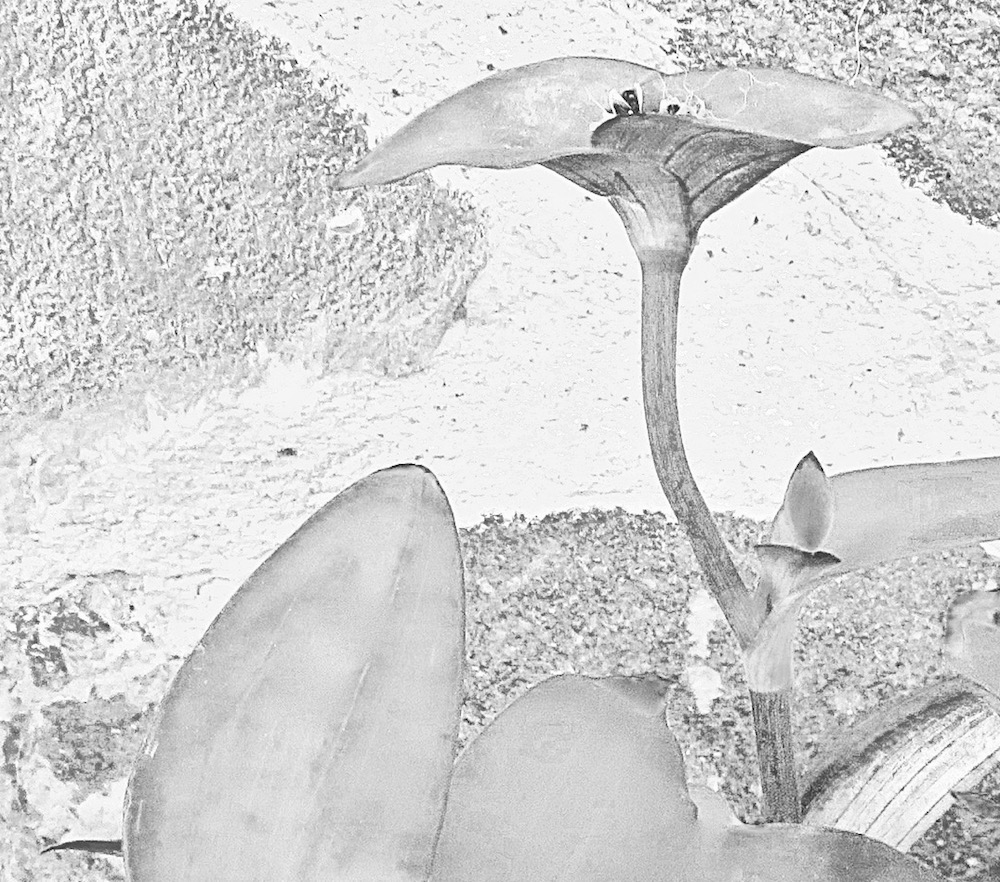 Noir Filter
 Fade Filter
 Chrome Filter
 Process Filter
 Transfer Filter
 Instant Filter
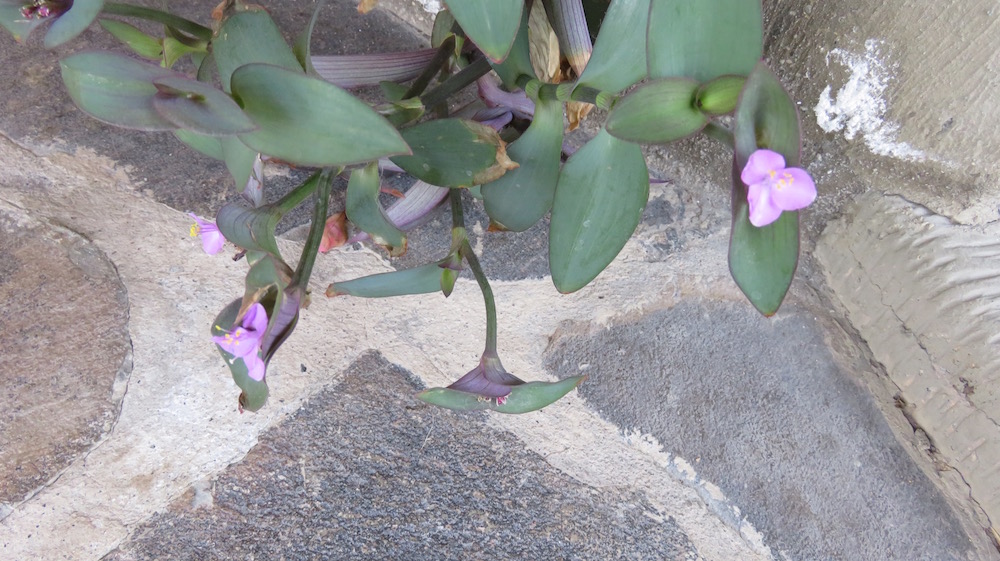 The Original Picture
https://dailypost.wordpress.com/dp_photo_challenge/today-was-a-good-day/