Category Archives: Uncategorized

Do You Envy Me a Fresh Prompt?

Do You Envy Me a Fresh Prompt?

(The Prompt: Green-eyed Monster--Tell us about the last time you were jealous.) I did this prompt in January.  You can find my post on this subject HERE.

In lieu of writing on this subject again, I’m going to use Jennifer’s new prompt generator.  I’ll post my today’s blog on this site when I finish. (Oops, posted this in the wrong place so actually I’ve already posted my new post. ) Find my today’s post here: https://judydykstrabrown.com/2015/08/22/the-dating-game/

If you are looking for a fresh prompt and would like to use the prompt generator, you can find it HERE.

Punishment by Pillory

The Prompt: Red Pill, Blue Pill. If you could get all the nutrition you needed in a day with a pill — no worrying about what to eat, no food preparation — would you do it?

IMG_4000
Punishment by Pillory

No potato chips, no chocolate cake?
That’s a mistake I’d never make.

The only time I’ll take a pill
is when I’m dieting. Or ill.

You can’t chew a pill or lick it,
so why on earth would you pick it?

What dinner guest would linger late
with just one pill upon his plate?

In short, I find them unfulfilling.
So no! I don’t desire pilling!

For more answers to this question, go here: Red Pill, Blue Pill.

True West: Social Stereotypes in a Small South Dakota Town

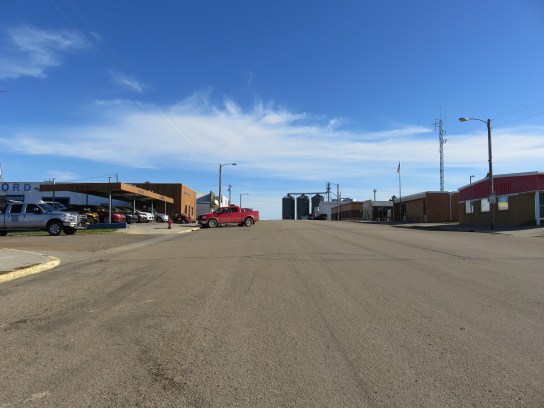
Prompt: West End Girls. Every city and town contains people of different classes: rich, poor, and somewhere in between. What’s it like where you live? If it’s difficult for you to discern and describe the different types of classes in your locale, describe what it was like where you grew up — was it swimming pools and movie stars, industrial and working class, somewhere in between or something completely different?
IMG_0078

True West: Social Stereotypes in a Small South Dakota Town

I grew up in a very small town (population 700) on the prairies of South Dakota. I was not aware of a wide disparity of classes at the time; but looking back, I see that there really were classes based on economic and racial factors.  Since my town was situated quite near to several Indian reservations, there was often at least one native American in my class.  In the second grade, it was Clifford Leading   Cloud–14 years old and placed in the second grade.  Needless to say, he towered over the 7-year-olds. No doubt this was why he was constantly stoop-shouldered and his demeanor was apologetic and shy.  He was a wonderful artist, and I still have several of his drawings.  “Clifford drew this for me!” I proudly wrote beneath two colored-pencil sketches in my scrapbook, but when I took them home to show them to my mother,she said, “Be sure to always wash your hands after you touch those.”  Obedient at this stage of my life, I remember complying, but I was always puzzled about why.

Since my name began with a “D” and our placement was always determined alphabetically, I sat behind or in front of all of the Native American kids who joined our class for a year or two before disappearing: Clifford Leading Cloud, Phoebe Crazy Bear, Nordine Fink (Who was my assigned “date” for Freshman initiation, but who somehow disappeared during the year.) Phoebe had very long black hair that I loved to brush during Geometry. (In spite of former warnings from mothers who told us to be careful not to contract lice from the “Indian” kids.) She was a good student, and I liked her dry sense of humor; but although I invited her to slumber parties, she never came and she, too, vanished by the end of our Sophomore year.

I know there was a division in our community between the white population and the Native Americans, many of whom still lived in tents along the railroad tracks because it was federal land and the head of the railroad allowed them to live there free of charge.  When I was given release time from study hall to teach P.E. and reading to first graders my Jr. year in high school, the sweetest and most beautiful first grader was another Leading Cloud–who, probably due to living in a tent with no bathroom facilities and no running water–had such a strong stench that it brought tears to my eyes to stand over her for long as I guided her in her reading.  My mother attributed this to the use of “bear grease” in the hair, but I think she was a few generations behind in her thinking.

The factors of difference in culture, living arrangements and economic factors divided us from the Native American citizens of our town so that aside from actual classes as school, they faded away into the environment in a manner that should have been impossible in a town as small as ours.  They did not attend games, dances, or participate in any of the extracurricular activities of the school. They did not attend church or hang out in restaurants.  I do remember my mother asking us to sit in front  and back and either side of her when we went to the movies in White River–32 miles away.  Closer to the reservation, there was a higher Native American population and my mother, sensitive to smells, wished to take all proper precautions.

My mother was not unkind. She fed any hobo who showed up at our door. She took boxes of clothing out to the dump and set them where foragers could easily find them.  She also told me never to mention that clothing had been mine if any of the Native American kids showed up wearing one of my give-aways. But she was the product of an age where we had not yet thought to struggle against racial stereotypes.  My father regularly employed seasonal workers from the reservation and even learned to speak some Sioux.  He was a natural born storyteller who loved gleaning material from all and sundry and a broad-minded thinker. One of the few Democrats in town, he counted everyone among his friends–from his Hunkpapa Sioux employees to the Governor of the state.

Yet, should the doorbell ring when my dad was not at home and  if my mom were to see that it was someone from the reservation stopped at our house to ask for work on his way into town, she would tell us not to answer the door and would cower in the hallway out of sight. Again, I know my mother well enough to know it was genuine fear that prompted her actions, not meanness or hatred.

There were two families of Sioux lineage in the town who did manage to bridge the gap of cultures.  In one case, it was a handsome young man who was an incredible basketball player whose name revealed his mixed Sioux and French genes. He was the secret heart-throb of many a girl, and his sister, as beautiful as he was handsome, was a cheerleader and generally accepted, I believe, although they were enough older than I am for this all to be hearsay.

The other family that was able to bridge the two cultures was also of mixed lineage–white and Sioux.  Another beautiful family, their son was also an excellent ball player and both of their daughters were cheerleaders.  (This was the highest rank of success in our town–far above Valedictorian.) In both cases, the cultural differences were only a matter of skin color.  They were not living in tents along the railroad tracks or migrating back and forth from the reservation.  In  most respects, their lifestyles were no different from our own.  Still, I have heard that when one of our most popular young men married one of the popular young ladies I’ve just mentioned, that his mother was heard to say, “He’s marrying that half-breed!”  (Or, perhaps, “He’s marrying that squaw.”  Of the two discriminatory statements, the second seems even worse than the first, although it was commonly used to describe any “Indian” woman when I was growing up.)

It seems as though the major factor, then, that created a class structure in our town was one of culture coupled with economic duress.  Yes, there were poor families in our town and many times they did not participate as fully in what little social life there was in our town, and yes, although I started out inviting everyone in my class to parties, in time the parties got smaller and the guest list included mainly those friends from my neighborhood or those I found to be the most fun or who participated in the same activities I participated in.

This narrowing of social circles is natural, I think, but when I look at who was excluded, I don’t feel as though I used any criteria other than whom I enjoyed being around.  I would have loved it if Phoebe had come to my slumber parties.  She was smart and even then I had a curiosity about other cultures and other ways of life.  I was the first friend of any new girl who moved to town–a fact that caused some resentment on the part of my old friends, I now see clearly.

We all make excuses for ourselves when it comes to discussing our own prejudices, and I am no exception to the rule. Native Americans were stereotyped because the most extreme cases of behavior were the most obvious. The few women from the reservation who came to drink and lay sprawled in the street created the stereotype that all “Indian” women were “drunken squaws.”  No one ever saw any of the mothers of the children we went to school with.  They were no doubt at home trying to scrape out a meal or school clothes for their children’s next next day at school.  And their fathers were probably out working in the fields for our fathers.  But we did see the drunks on the streets every Saturday night as we exited the movies, and so this is the stereotype that formed in our minds, no matter how much our actual experience with kids at school rivaled that stereotype.

Many years ago, I started to write a book called “Vision Quest” about a young Native American boy who grew up in our town.  This was a work of fiction, but I drew of course upon actual experience for details of plot.  I know I came back to it at least twice, but never got beyond the first few chapters, probably because I had so little experience to draw upon; for in spite of the fact that I grew up in a state that contained numerous reservations and in spite of the fact  that all of the surrounding towns contained a Native American population, in fact our cultures were so widely divided that I had as little insight into their lives as they must have had into mine.

The term “Native American” had not been coined when I last lived in my hometown, and neither had the sensibilities that I hope go with it.  When Dennis Banks and Russell Means were heroes to much of the rest of the world, they were outlaws and trouble makers to those non-Native Americans who lived in their midst.  To someone stopped from driving on highways where they had always driven, they appeared to be highwaymen or brigands.  It is hard to make a hero of someone you grew up feeling superior to, and hard not to stereotype any race or cultural group according to what you know about the few representatives of that group with whom you have come in contact.

But I have to say that coming back to my town and hearing one of the supposedly kindest and admittedly hardest-working members of the church I grew up in describing the wife of a local boy as a “N—–” and scathingly speaking of the Native American Rights movement of the seventies made me take a really long look back at my own past as well as to reappraise my former affection for this woman whose small-mindedness revealed itself at a time when I myself was in love with an African man, teaching African children and living with African housemates.

The last time I visited my hometown, I did not go to see this lady and by the time I next went, she had passed away. Hopefully with the demise of these last citizens of the old ways, prejudice will pass away with them.  I am afraid, however, that prejudice is born anew in each generation–perhaps towards yet a new group of immigrants or transplants who threaten the so-called “American Way of Life.”  It would do us all well to remember that America was meant to be a melting-pot, and as in any recipe, it is made more palatable by a variety of spices.


Good Times Just Don’t Pass Away

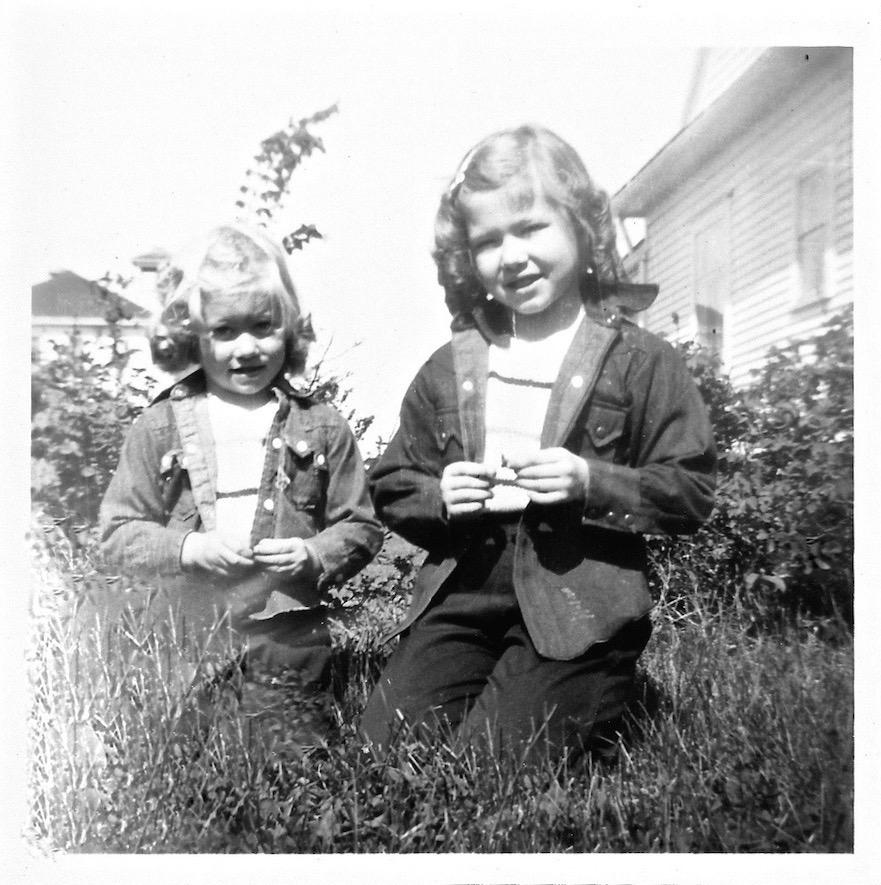
daily life color062 (2)My sister Patti and I doing our “sister act.”  Now we call ahead to make sure we aren’t wearing the same outfit! Half of my childhood was spent in this yard and in almost every picture, I have something in my hands from nature, examining it…as in this picture, I just noticed.

In response to The Daily Post’s writing prompt: “Nothin’ But A Good Time.” Imagine that tomorrow, all of your duties and obligations evaporate for the day. You get the day all to yourself, to do anything you please. What types of fun activities would make your day?

Since I wrote to this prompt over a year ago, I’m just going to give a link to that prompt: https://judydykstrabrown.com/2014/11/20/4406/

Marooned in Burgundy: Cee’s Fun Foto Challenge 8/18/15

Version 3
These coleus leaves seem to be on the cusp of maroon, burgundy and fuchsia! 
DSC08673And here he is, folks, the “Greater Burgundy Flycatcher”–right here in my own kitchen!!!

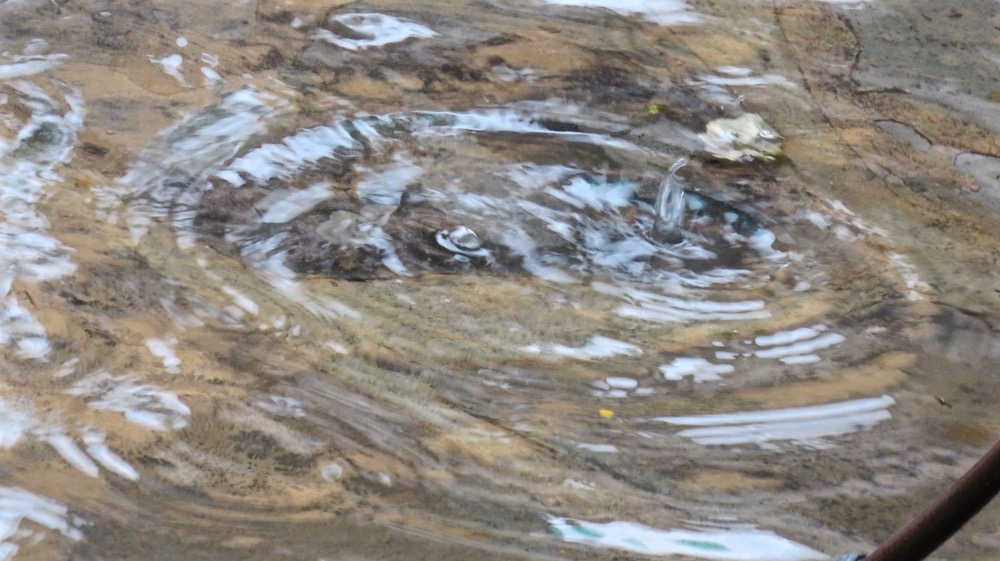
PB060254 - Version 2This is a detail from one of my retablos based on Tina Medotti’s epitaph written by Pablo Neruda. This detail depicts the “foam.” The epitaph is below.

Pure your gentle name, pure your fragile life,
bees, shadows, fire,snow, silence and foam
combined with steel and wire and pollen
to make up your firm and delicate being.

SB_3875262920Here is the entire retablo.  It is the largest one I’ve done so far–26 inches high.

http://ceenphotography.com/2015/08/18/cees-fun-foto-challenge-burgundy-or-maroon/

Balance

IMG_3962

“Too much happiness or too much unhappiness render us
oblivious to any good or bad changes around us.” 
—Alka Girdhar

 Balance

Happiness, like sadness, takes up too much room–
like a greedy house guest usurping our closets with their excess.
What bride notices the homeless on her bridal route?
What new mother thinks first of the starving hidden half a world away?

Sadness, like happiness, eats up our world.
The hungry yearn first for bread,
the ill for surcease from pain.
Who feels the thorn may overlook the rose.

Life is balanced, not within each,
but within the all.
What seems unfair to the single eye
is perfect harmony for the all-seeing.

So much easier
for the fortunate to feel worthy of their lot.
to feel, somehow, that their place in the  world
was created just for them.

Do the cursed feel equally singled out for hunger, cold, pestilence and misery?
Does a master mason have an intended place for every stone?
Does a baker single out a single speck of flour for inclusion?
Is a bee instilled with life to pollinate a certain flower?

What kind consciousness could have borne the guilt
of thinking through a plan more specific than the overplan–
the functioning of the grand machine of the universe
wherein happiness and sadness
swing like a pendulum
that somehow balances all.

The writer who provided the quote that prompted this poem has also written an article about Abdul Kalam  that you can find HERE. The link to the article the above quote was in can be found by clicking on her name above. We would both be interested in what others might write in response to this prompt. If you do, please send a link to both of us!  We want to know what you think.

Diego and Morrie Clean Up (Zany Afternoon)

                                                 Diego and Morrie Clean Up

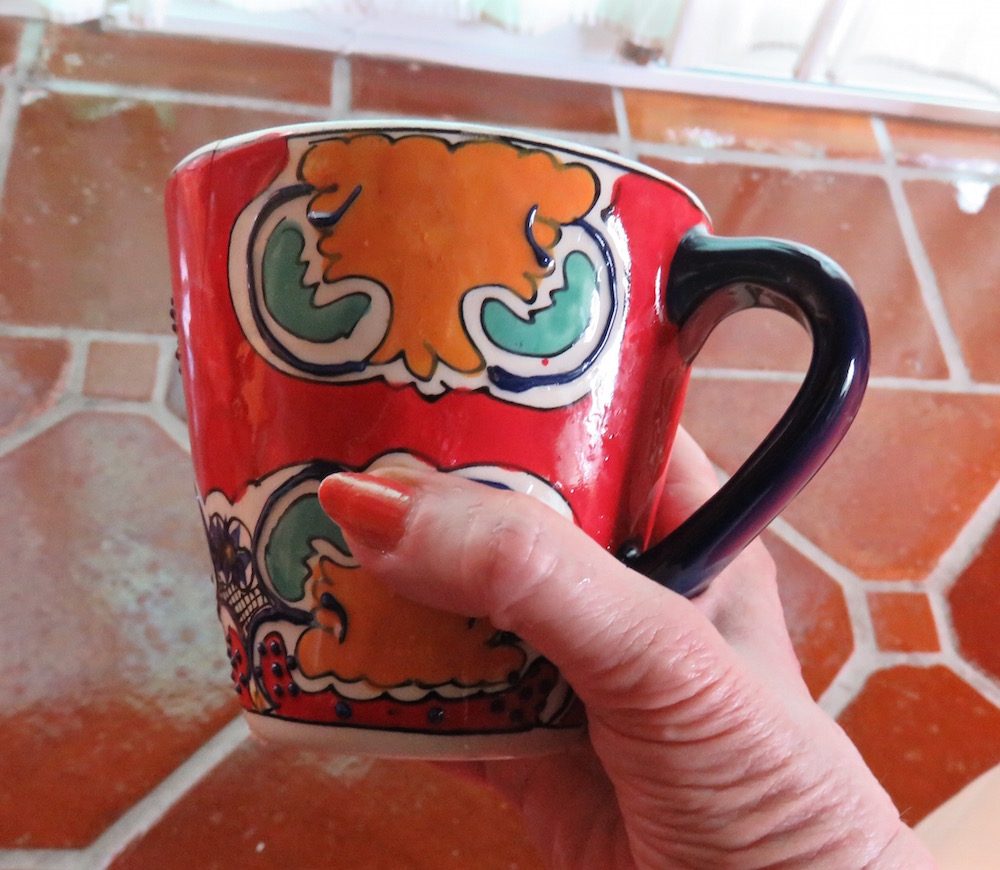
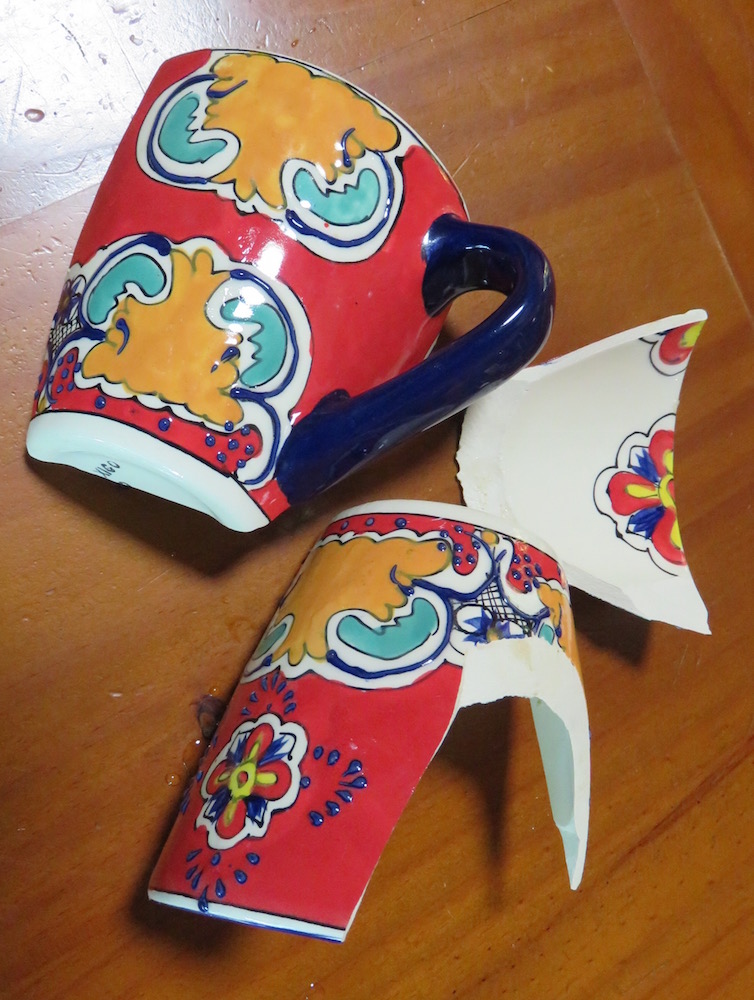
A few weeks ago, I bought this wonderful large talavera cup. It tapers out from the bottom, holds about 2 cups of coffee or soup or cereal, has a handle and is beautiful to boot. I just love it. Whenever it isn’t in the dishwasher, I use it for every meal or every time I have coffee.
IMG_3801

This morning I came out to discover that I’d left the two liters of blueberries I bought yesterday in the disinfectant over night. Ten minutes is the prescribed amount of time necessary to kill amoebas and other nasty things that might lurk, but I forgot and left them in the water for at least 8 hours. Can’t quite remember when I put them in. At any rate, I drained them and decided to have oatmeal and fresh berries for breakfast. I added some lactose-free nonfat milk and stevia and–yum. I’ve only been eating one or two meals a day, so each meal is a big deal, and since this one was being served in my very favorite mug/bowl of all times, I was looking forward to it.

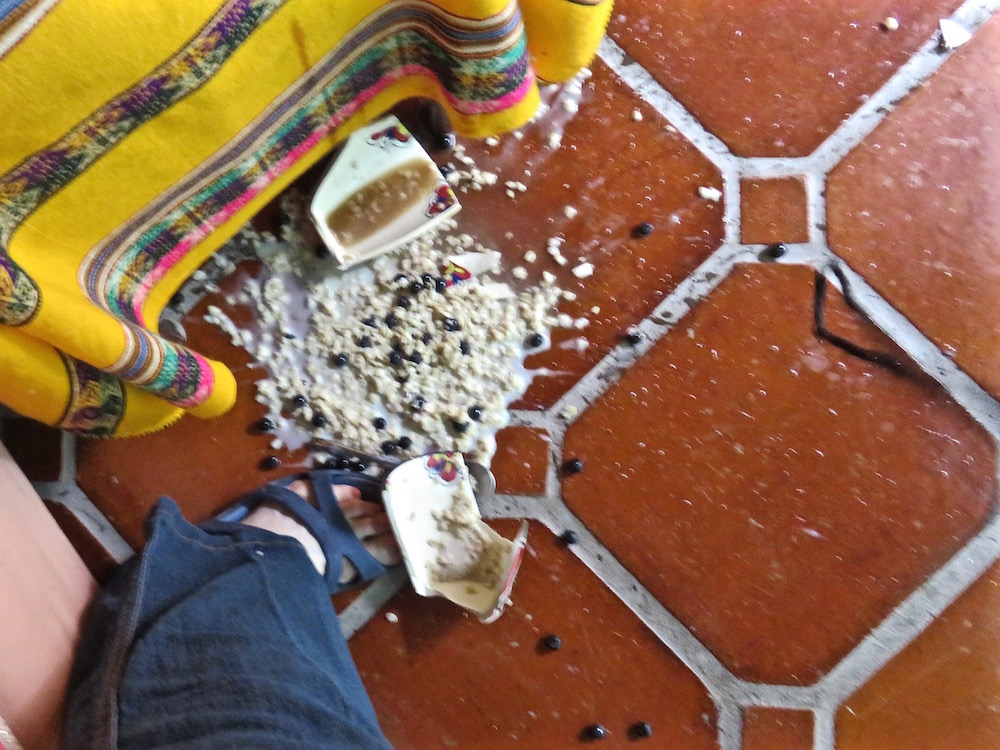
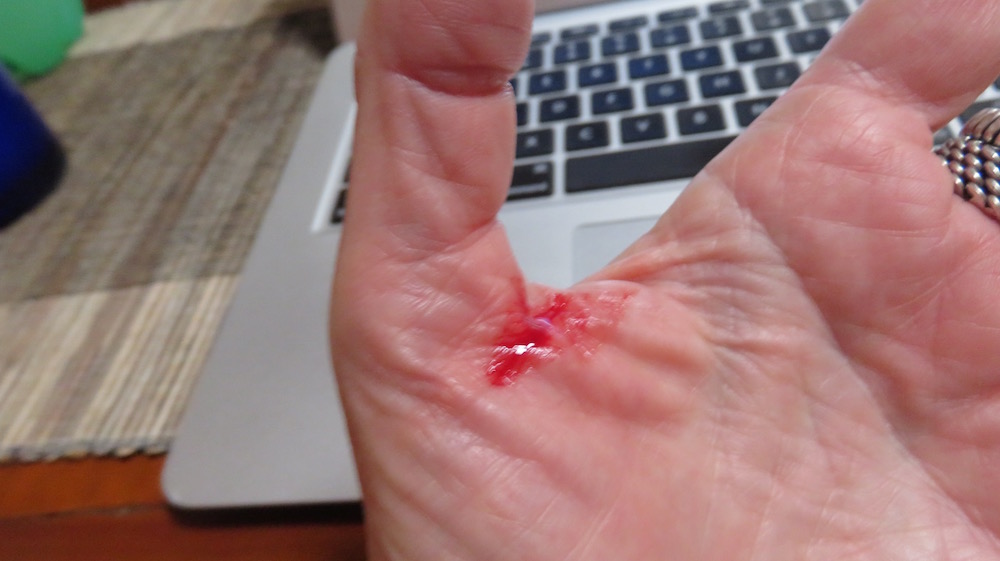
I’d just finished taking pictures of the dogs and when I got to my bedroom, oatmeal in hand, I noticed that the sd card was still sticking out of my laptop, so I put my oatmeal on the bedside table, ejected the card and reached over to get the camera from the surface of the table that forms the headboard of my bed. Somehow, the long cord I’d just attached to the camera, thinking it would be handy to have a neck strap for it, caught on something and as I reached to release it, either my hand or the strap caught on the handle of my oatmeal mug and over it went to smash on the floor, spilling shards, oatmeal, blueberries and a full can of Caffeine Free Diet Coke that I had opened but not drunk the night before onto my bedroom floor as well as on my own foot. Yes. A mess.

IMG_3754

I mourned the cup for thirty seconds or so, then mourned the time I was about to lose cleaning up this big mess. The oatmeal and milk and berries had scattered over quite a big area of the floor and it was a sticky, globby mess.

So what would you do? Yolanda was coming tomorrow but I never ever leave messes for her. I clean up puppy leavings, spills, kitchen messes. I put the dishes in the dishwasher and wash them, leaving the putting-away for her. She likes reorganizing my carefully thought out kitchen arrangements, putting the stuff I haven’t used in 14 years in front and my everyday necessities in the back. She even does this with my underwear, putting the prettiest (and too small) bras on top, perhaps thinking they will function like pheromones to draw romance.

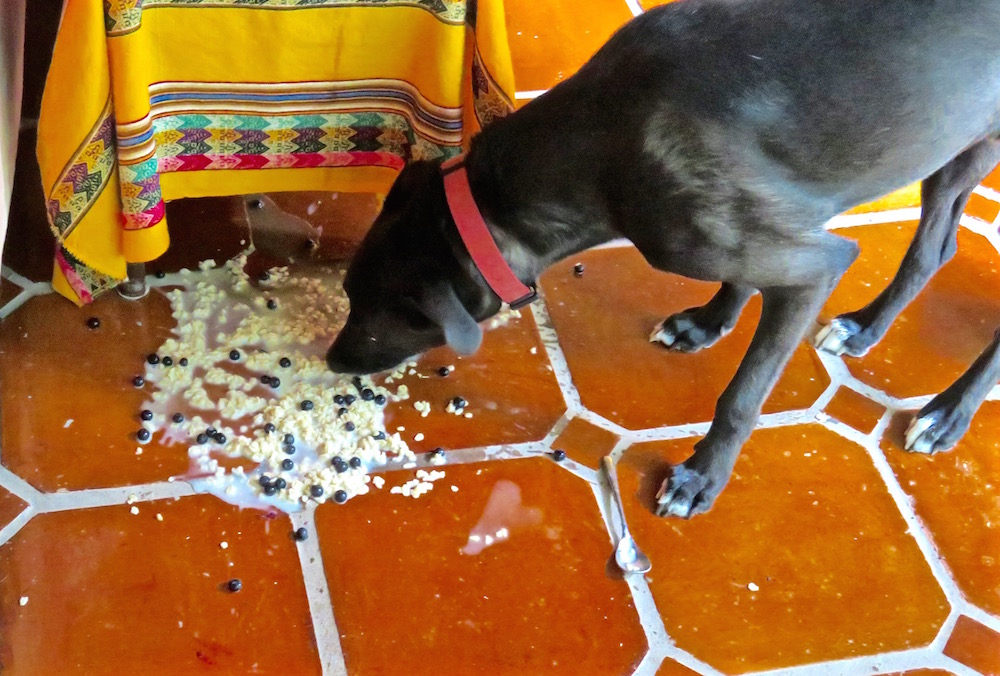
At any rate, I carefully picked up each of the major shards of the clay cup and tossed them in the trashcan. Then I had a brilliant idea. With my bare fingers, I mushed through ever single lump of oatmeal. I drew my fingers across the floor checking for any little shards of clay. Then I opened the door and called in Diego. Morrie came trotting in the requisite few inches behind Diego.

IMG_3771

And Diego went to work. I was amazed that Morrie didn’t, but I took it that he’d learned his lesson the few times he’d tried to “share” in Diego and Frida’s food dishes. I’d heard the snaps and barks and growls and guessed what was going on. I’d noticed how he now stayed safely in the kitchen waiting for his meal while I fed Frida and Diego and Birdie the cat outside.

IMG_3764

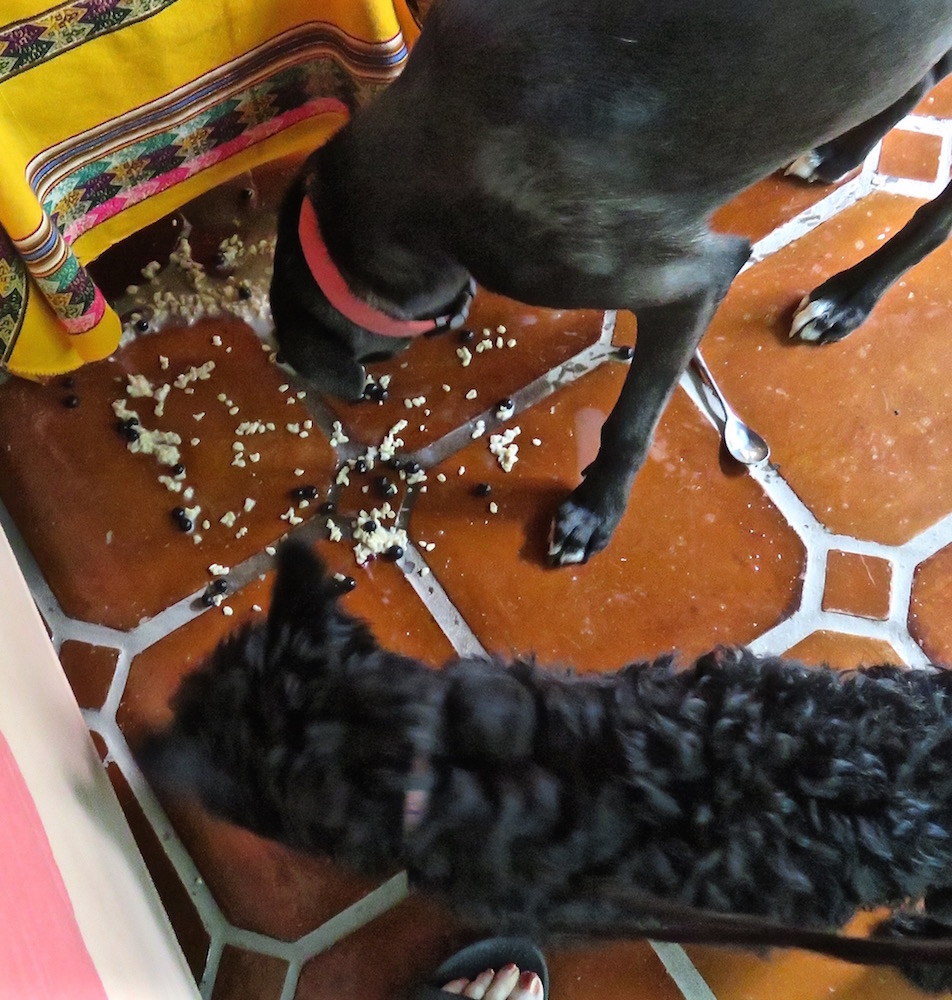
Eventually, Morrie did locate a few blueberries that had rolled away as well as a flake or two of oatmeal at a safe distance from his boss. I  gleaned a few spoonfuls from Diego’s pile that he was making fast work of and fed them to Morrie. This seemed to embolden him, and he stuck his tongue out a couple of feet away from where Diego was operating like a mine sweeper.

IMG_3773

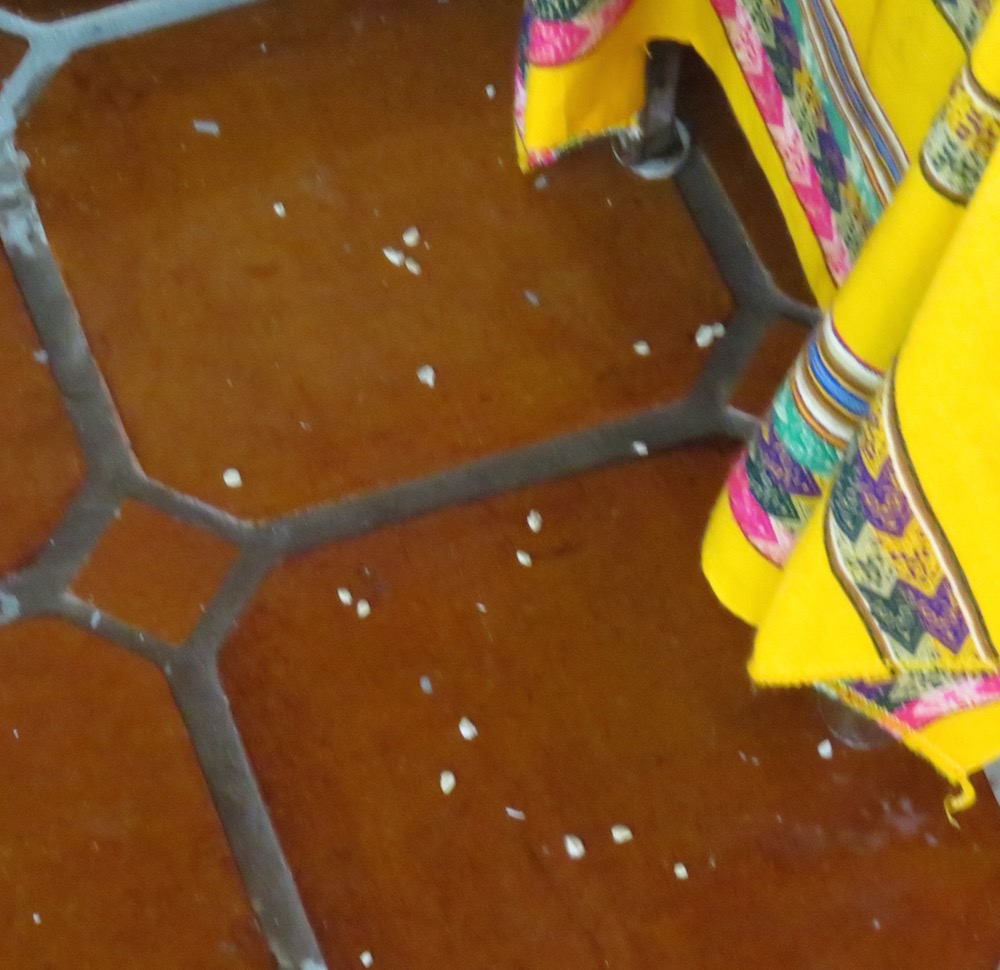
A long low growl from Diego brought a cessation of that action. Morrie was being better trained by his brother and sister dog than by me! I swiped him a few more spoonfuls, then went back to my blog. In a few minutes Diego had sauntered off to his sleeping cage and curled up and Morrie had followed. I used a wet towel to wipe up the tablespoon of residue. Job over!

IMG_3783

So, this is one mess entirely of my own making. And this time the dogs did the cleaning up! If you are curious about my favorite cup, I think it is not worth trying to salvage, especially because this is what I got from trying to fish the shards out of the garbage to wash and reassemble for a picture:

IMG_3809IMG_3808

How we suffer for art. Everyone is now sleeping but me, Morrie on the floor at my side, the two older dogs outside curled up on lawn chairs. I was talking on Skype to OKCForgottenman, but he actually retired for a nap, too. The palm trees jiggle in the stiff breeze, rocking me mentally to sleep as well, so I’m off to dream new schemes. Tomorrow I go to shop for a new mug. I know where I can get one just like it. I think I’ll get two or maybe four. They are a proven good thing and how often do you find a utilitarian object that you LOVE. Besides, it will keep me from feeling guilty for always saving the “good” cup for myself. Adios. Mas Tarde. Si?

I think this qualifies for the Zany Afternoon prompt I found HERE.on the prompt generator

King of the Mountain: Cee’s Flower of the Day 8/16/15

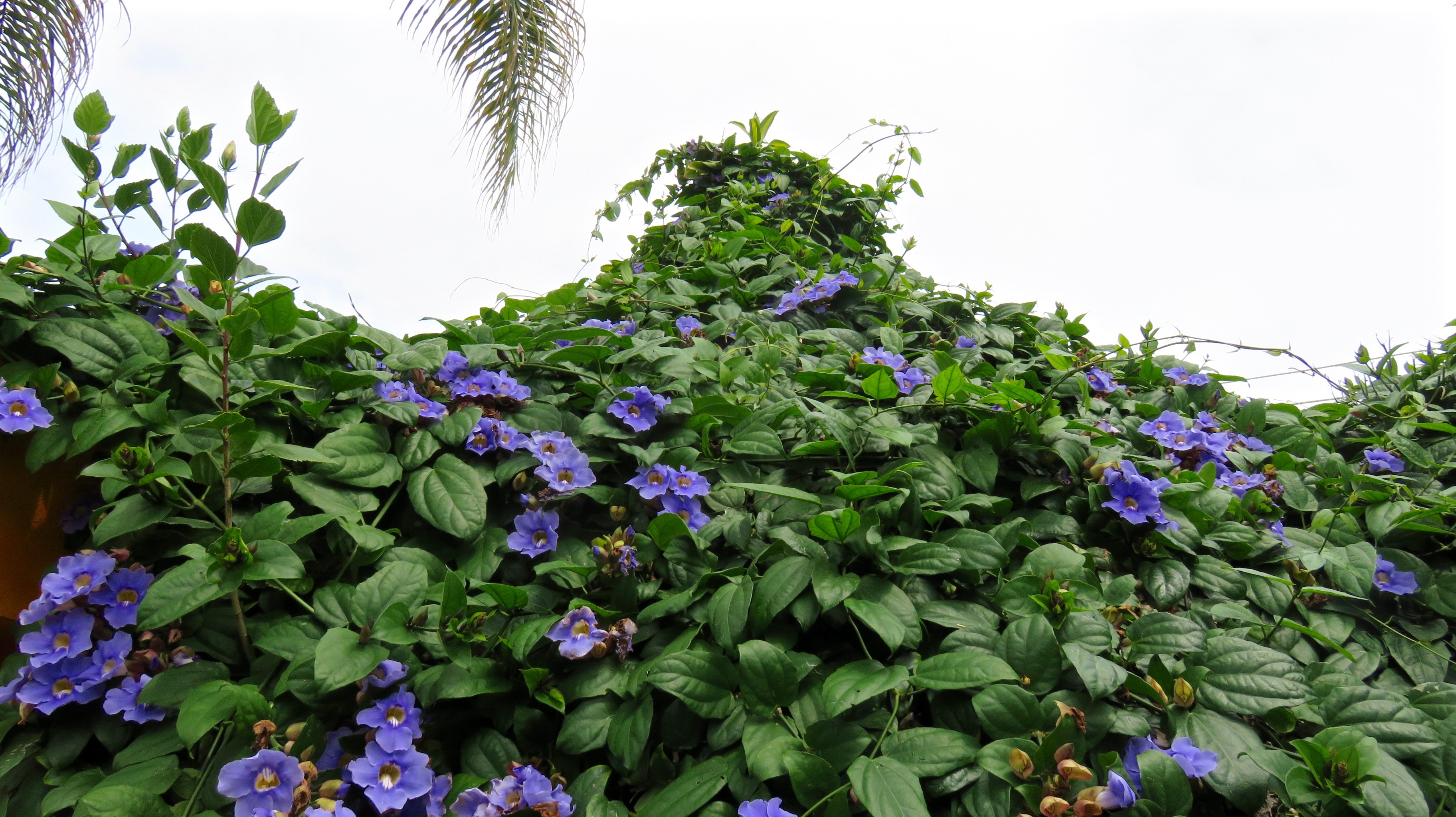
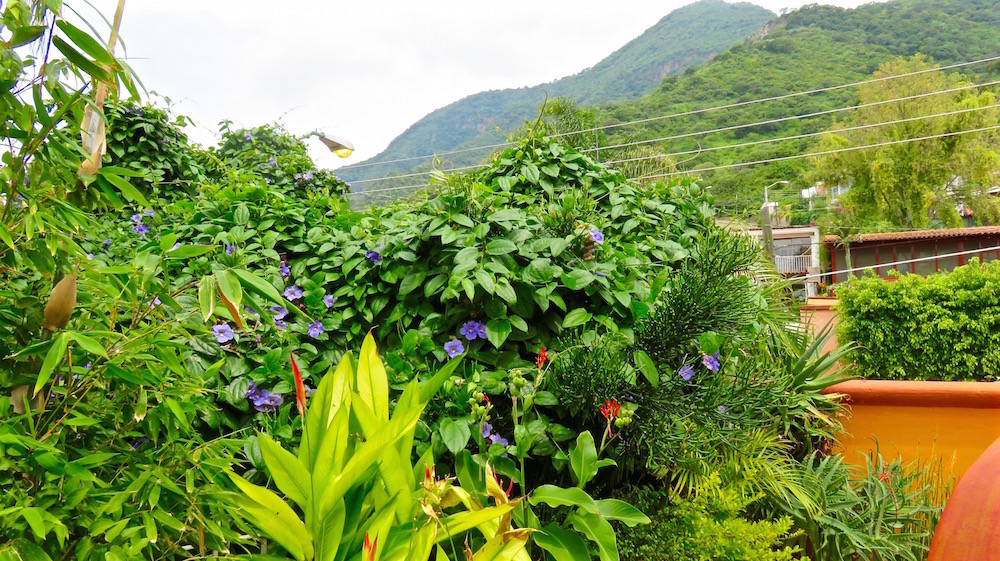
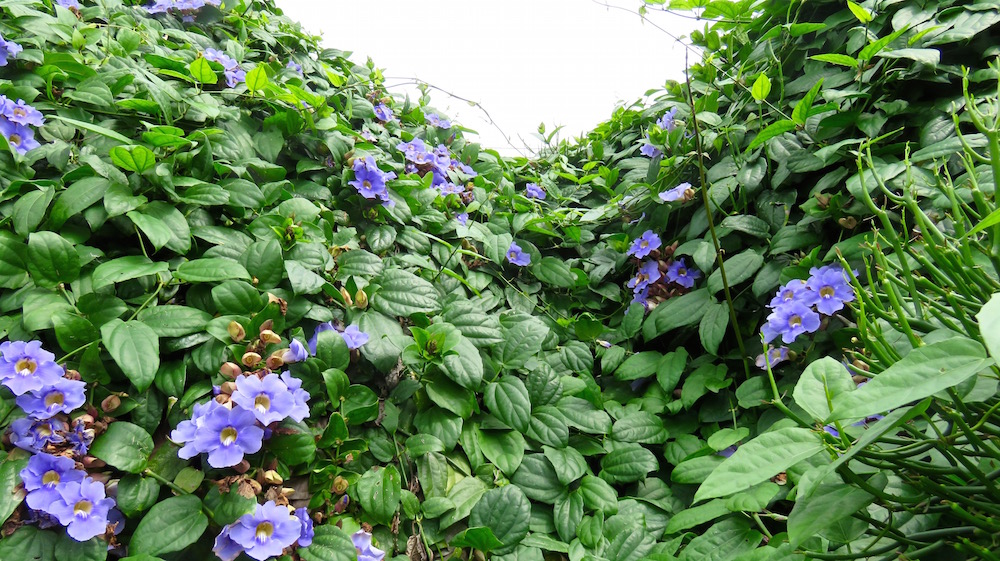
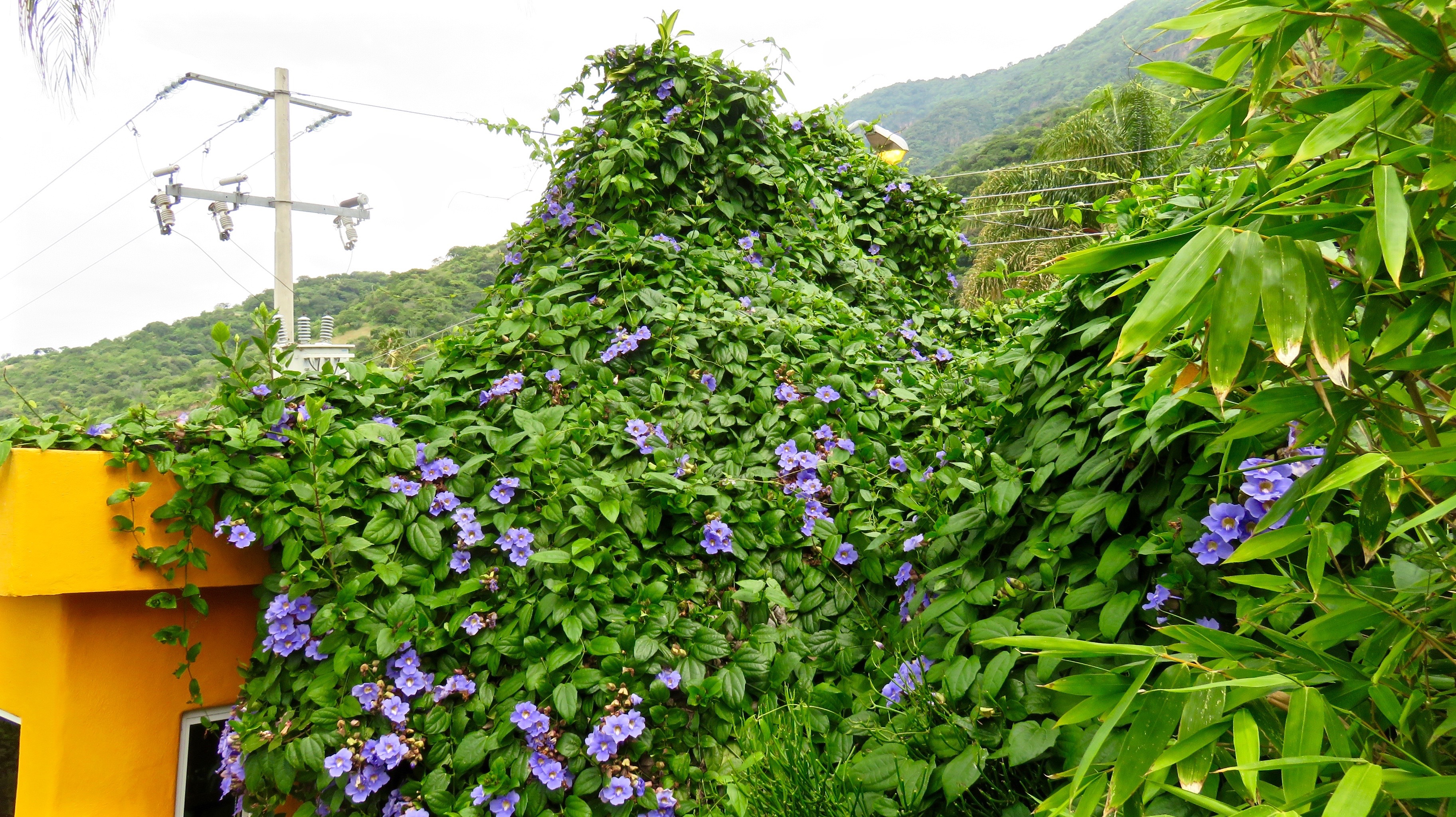
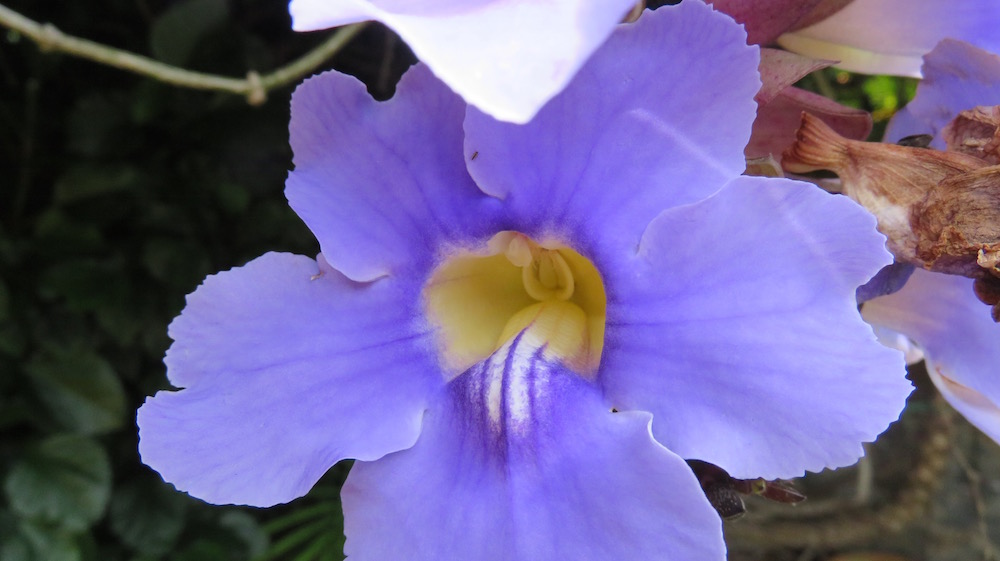
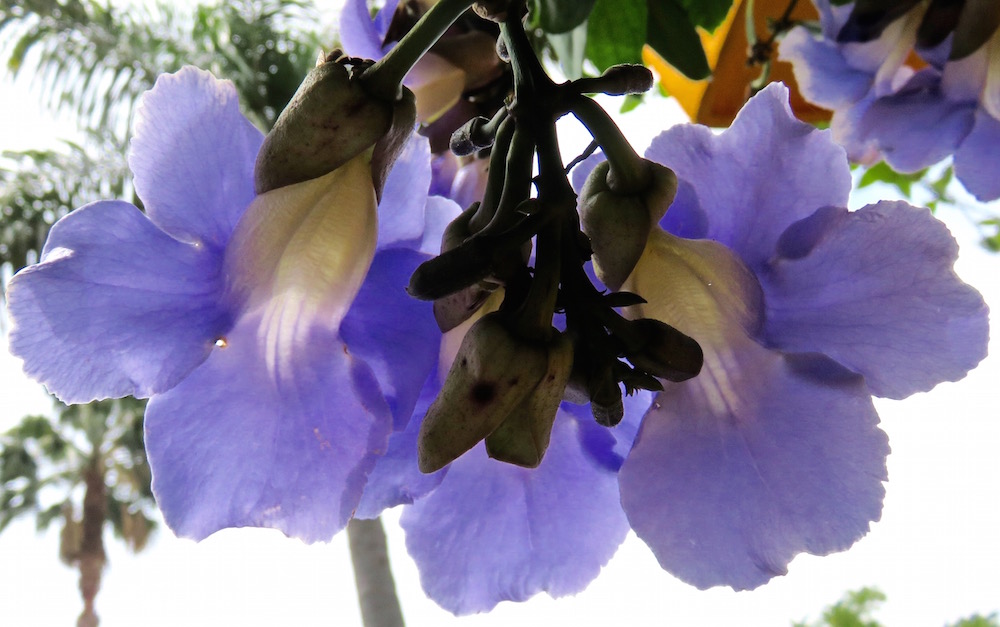
King of the Mountain–Thunbergia Taking over My World

IMG_3628

IMG_3648IMG_3627IMG_3635 (1)IMG_3613
IMG_3616Backstory. Because of the overhang, it is possible to get behind the flower for a different perspective on the Thunbergia world.


More outrageous flowers here: http://ceenphotography.com/2015/08/16/flower-of-the-day-august-16-2015-dahlia/

Con-fusion

  • Marilyn Armstrong challenged me to write a poem based on this quotation:


    “We are not retreating. We are advancing in another direction.”

    –General Douglas MacArthur

    General Con-fusion

    If he advances while retreating,
    is throwing up just reverse eating?
    Can he freeze ice cubes by unheating?
    Is standing up simply unseating?
    I didn’t litter. I’m un-neating.
    When we press clothes, are we  de-pleating?
    He left , so are we now un-meeting?

The Proposal

For some reason, WordPress is saying this was published two days ago, even though I just published it on Aug 16 at 1 a.m., so I’m reblogging my own blog because I’m afraid no one will find it buried that far back. Hope this works!

lifelessons's avatarlifelessons - a blog by Judy Dykstra-Brown

  • IMG_3601
    Owen “Beleaguered” Servant provided this quote for my next poetry prompt:
    “How quick come the reasons for approving what we like.” – Jane Austen

    The Proposal

    How did you make your way into my heart?
    Quick, tell the answer before we next part.
    Come into my comfort, then comfort me back.
    The way of the pair beats the way of the pack.
    Reasons are given for all that we do–
    For the ways that we love and the ways that we woo.
    Approving my actions in loving you is
    What wins you my love and wins you this kiss.
    We swear to each other that we will be true
    Like all the lovers in storybooks do.

    Like brides and their bridegrooms and lieges and kings,
    We shall swear our obeisance and seal it with rings.
    What others have done is what we will do.
    Approving tradition will make one of two.
    For the rest of…

View original post 90 more words