Tag Archives: short story

South Dakota Gumbo, for Flashback Friday

When Fandango published a story about glorious mud for  Flashback Friday, I commented that I had a story of mud, but unfortunately I had not published it on this exact day in an earlier year as the prompt directed,  and so blogged  another story published on July 18, 2028.  Fandango wrote back and told me to publish it anyway, so here it is.  See, Fandango? I always follow directions.

South Dakota Gumbo

South Dakota Gumbo

When the rains came in hot summer,  wheat farmers cursed their harvest luck, for grain sodden by rain just days before cutting was not a good thing; but we children, freed from the worry of our own maintenance (not to mention taxes, next year’s seed fees and the long caravans of combines already making their slow crawl from Kansas in our direction) ran into the streets to glory in it.

We were children of the dry prairie who swam in rivers once or twice a year at church picnics or school picnics and otherwise would swing in playground swings, wedging our heels in the dry dust to push us higher. Snow was the form of precipitation we were most accustomed to–waddling as we tried to execute the Xs and Os of Fox and Geese bundled into two pairs of socks and rubber boots snapped tighter at the top around our thick padded snowsuits, our identities almost obscured under hoods and scarves tied bandit-like over our lower faces.

But in hot July, we streamed unfettered out into the rain.  Bare-footed, bare-legged, we raised naked arms up to greet  rivers pouring down like a waterfall from the sky.  Rain soaked into the gravel of the small prairie town streets, down to the rich black gumbo that filtered out to be washed down the gutters and through the culverts under roads, rushing with such force that it rose back into the air in a liquid rainbow with pressure enough to wash the black from beneath our toes.

We lay under this rainbow as it arced over us, stood at its end like pots of gold ourselves, made more valuable by this precipitation that precipitated in us schemes of trumpet vine boats with soda straw and leaf sails, races and boat near-fatalities as they wedged in too-low culvert underpasses.  Boats “disappeared” for minutes finally gushed out sideways on the other side of the road to rejoin the race down to its finale at that point beyond which we could not follow: Highway 16–that major two-lane route east to west and the southernmost boundary of our free-roaming playground of the entire town.

Forbidden to venture onto this one danger in our otherwise carefree lives, we imagined our boats plummeting out on the other side, arcing high in the plume of water as it dropped to the lower field below the highway.  It must have been a graveyard of vine pod boats, stripped of sails or lying sideways, pinned by them.  We imagined mind soldiers crawling out of them and ascending from the barrow pits along the road to venture back to us through the dangers of the wheels of trucks and cars.  Hiding out in mid-track and on the yellow lines, running with great bursts of speed before the next car came, our imaginary heroes made their ways back to our minds where tomorrow they would play cowboys or supermen or bandits or thieves.

But we were also our own heroes.  Thick black South Dakota gumbo squished between our toes as we waded down ditches in water mid-calf.  Kicking and wiggling, splashing, we craved more immersion in this all-too-rare miracle of summer rain.  We sat down, working our way down ditch rivers on our bottoms, our progress unimpeded by rocks.  We lived on the stoneless western side of the Missouri River, sixty miles away. The glacier somehow having been contained to the eastern side of the river, the western side of the state was relatively free of stones–which made for excellent farm land, easy on the plow.

Gravel, however, was a dear commodity.  Fortunes had been made when veins of it were found–a crop more valuable than wheat or corn or oats or alfalfa. The college educations of
my sisters and me we were probably paid for by the discovery of a vast supply of it on my father’s land and the fact that its discovery coincided with the decision to build first Highway 16 and then Interstate 90.  Trucks of that gravel were hauled  to build first the old road and then  the new Interstate that, built further south of town, would remove some of the dangers of Highway 16, which would be transformed into just a local road–the only paved one in town except for the much older former highway that had cut through the town three blocks to the north.

So it was that future generations of children, perhaps, could follow their dreams to their end.  Find their shattered boats.  Carry their shipwrecked heroes back home with them.  Which perhaps led to less hardy heroes with fewer tests or children who divided themselves from rain, sitting on couches watching television as the rain merely rivered their windows and puddled under the cracks of front doors, trying to get to them and failing.

But in those years before television and interstates and all the things that would have kept us from rain and adventures fueled only by our our imaginations, oh, the richness of gumbo between our toes and the fast rushing wet adventure of rain!

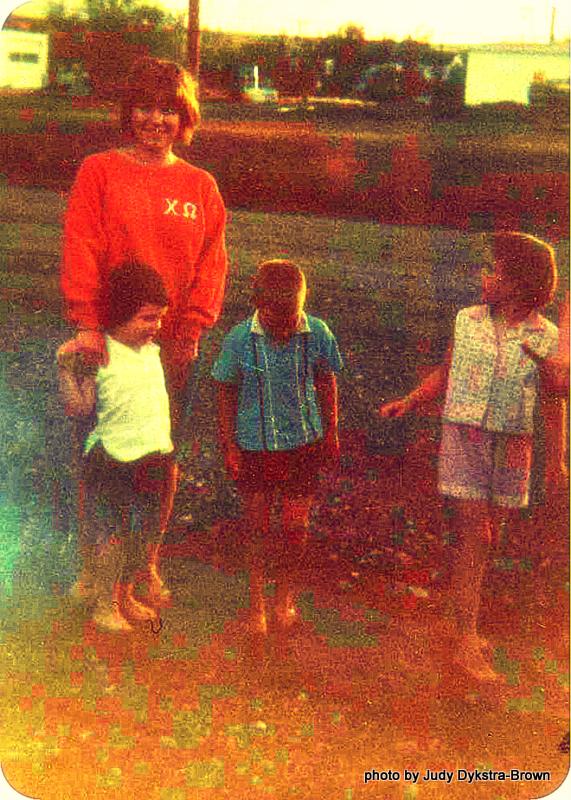
Writer’s note:  I know my sister Patti is going to read this and cry, and so I want to present you with this mental picture of her, college age, Levi cuffs rolled up above her knees, surrounded by five-year-old neighbor kids, enjoying her last big adventure out into the ditches of Murdo, South Dakota, during a July rain.

But wait!  A mere two hours of digging and another hour of editing has produced this proof of my former statement, so to augment your mental image, here is the real one:

Patty in mud 001-001

Not quite the gusher depicted in the childhood vignette, but nonetheless, Patti’s final puddle adventure. She had taken my visiting niece out. The next day the neighborhood kids rang our doorbell and asked my mom if Patti could come back outside to play! Ha.

Tell Me A Story #4, June 4, 2025


Can you furnish a story to go with this picture? Please give a link to you story in the comments section below. If you don’t have a  blog, you can just tell the story in comments. HERE is a link to this blog.

Immigration, Misspelled Inspiration and Soap Dispensers for SOCS, May 10, 2025

Immigration, Misspelled Inspiration and Soap Dispensers

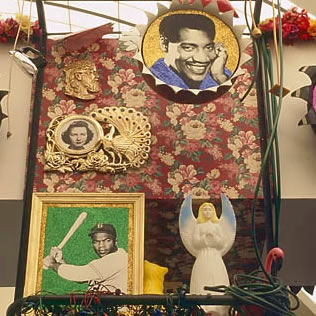
"Southern Icons of the 20th Century" By Joni Mabe

“Southern Icons of the 20th Century” by Joni Mabe

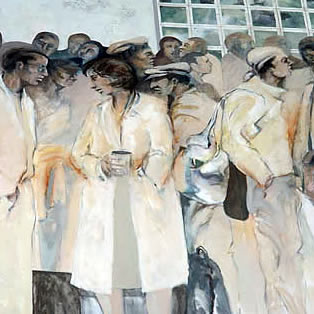
"Travelers" By Larry Walker

“Travelers” By Larry Walker

When I saw that the SOCS prompt for today was “Soap,” I typed “Soap” into the search bar of my blog and found this post from 11 years ago. I couldn’t resist reblogging it:

Yesterday, I arose at 3 a.m. (after just 3 hours of sleep) to be driven by taxi to the Guadalajara airport to catch a plane to Dallas/Ft. Worth where I would catch a connecting flight on to St. Louis, MO. After visiting Mexican immigration at one end of the airport and pulling two heavy bags the length of the airport to wait in the American Airlines line for an hour, I discovered that bad weather in Dallas had caused them to cancel all flights, and would it be convenient for me to come back tomorrow? No, coming back tomorrow was not convenient! Not only was a friend waiting for me in St. Louis, but the additional two taxi fares would amount to my taxis costing more than my airline flight. American was able to schedule me onto a later Delta flight and so it is that at the hour when I should have arrived in St. Louis, I am instead in the Atlanta airport with three hours left before my flight leaves, sitting next to a man who snuffles like a pig every 30 seconds, held prisoner by the electric power strip providing juice to the loyal MacBook Air that is making it possible for me to tell you today’s story.

If you’ve ever gone through your customs and immigration check in Atlanta, you probably already know what I have discovered: that the Atlanta airport has the longest walk and most circuitous queue lines of any airport so far experienced, after which you arrive at an automatic passport check where you scan your own passport, pose for the most unflattering picture possible, then go through yet another maze that is nothing short of an endurance check/ordeal after which you wait in line forever along with 500 other travelers to again be sorted into lines by an immigration employee on the job for the first day (she told me so) who for some reason has a grudge against your line to the point that the other two lines are empty before she sees fit to select people from the pariah line to again get in line to see one of the 4 humans assigned to double check our worthiness to enter the U.S., walk for another 15 minutes to retrieve our luggage and then wait in yet another line for customs.

By the time I actually made it through customs and began my loooooooong trek to where I could catch a train to another concourse, I was as perspiration-soaked as if I had been through an hour-long workout at the gym. You will have guessed right if you are thinking that once I arrived on “B” concourse, I discovered that my gate was the last one on the concourse. Of course it was! There is, however, a fact that mitigates all of the frustration previously endured, for the corridors of the Atlanta airport leading from the plane to Immigration are lined with some of the best and most varied art I’ve ever seen in any airport exhibition and most art museums. Collage, wall sculpture and paintings made me wish the automatic walkways would stall to give me time enough to actually look at the art—with the result that I got off the moving walkway to walk back to do just that. With no hands free to record any of the names of artists, I’ll just have to leave it to Google or airport authorities to give you more specific information, but the art was whimsical, colorful, original, thought-provoking and sometimes naïf. (For certain of those outsider art pieces giving exhaustive social commentary, do not judge the artistic merit by the spelling.)

A $13 pulled-pork plate assuaged my appetite as at that time it had been 13 hours since I arose to drive to the airport and begin my long day’s journey. But it was a trip to the ladies room that assured me that I was in fact back in the good old U.S.A. Spotless cleanliness, two full toilet paper rolls, paper seat covers, a hook to hang my purse, enough room to store my carry-on rolling bag without having to squeeze myself into a corner to do so, a self-flushing toilet that actually flushed and the piéce de résistance—A SHELF TO PUT MY DRINK ON!!!! Upon my easy exit from the roomy stall, I enjoyed an automatic foam soap dispenser installed in the sink next to the warm water faucet, then found paper towels and trash can within easy reach. This of course made me remember (with no nostalgia) the new movie theater in Ajijic, Mexico—my home town for the past 13 years—where only one sink of the eight present actually works and is, of course, the one furthest away from the only towel dispenser. Ah, Atlanta airport. I forgive thee for all other sins.

The RDP prompt is “Soap.”

Kissy Cat and the Wicker Stepmother

Kissy Cat and the Wicker Stepmother

     Once there was a house built up on stilts on the side of a mountain covered with redwood trees. There were so many redwood trees that squirrels used them like freeways, running along their long branches to jump from tree to tree. There were so many redwood trees, that when the deck for the house was built, they just built it around the redwood trees, so that three large trunks rose right through the deck. There were so many trees that no other houses could be seen from the house–just forest and sky and the mountains across the valley.

In the forest lived racoons and possums and deer. In the forest there were squirrels and blue jays. And also in the forest, there lived an unusual cat with long legs and a tail that was crooked into the shape of a “y”. Although her face and body shape were those of a Siamese cat, she was gray all over: coat , whiskers, nose. There was not a color on the cat that was not a shade of gray except for the eyes, which were chartreuse with a black inner lid. In the city, she would have been an alley cat, but here in the redwoods she was a wild cat who wanted the company of people but didn’t know it yet.

For years, this cat had given wide berth to the house because she knew that a fierce and loud dog lived there. From her hiding places in the woods, she could hear him growling and barking from the end of his very long chain. Like the deer and the racoons, she moved in a large circle around the house, never entering the domain of the dog. Then one day weeks before, she had stopped hearing the dog. Since then, she had watched the house, moving closer each day, still expecting the dog to lunge out at her if she moved too close, but for many days she had seen no sign of him.

Slowly, day by day, she moved closer to the house. Still, no dog appeared. Until finally, she could curl on the deck in the sun or sharpen her claws on the redwoods rising through the deck with no fear of a snarling, barking surprise.

The first time she saw the human unpacking boxes in the house the dog had left, she maiouwed like a high-pitched dial tone until the woman slid open the door and followed her a little way into the bushes. When she got to the hill, the woman stopped following.

On her second day in the house in the forest, the woman was working in the garden when she saw a flash of gray streaking between two trees. A short time later, she saw the cat sitting on the garden bench. When she approached, it darted away. But an hour later it was again sitting on the bench.

The cat was very thin. The woman fed her canned tuna for three days in a row and on the fourth day fed her potted shrimp so rich the cat had to come back twice to finish it. First, she had gently lapped up the thin salted liquid around the shrimp. Then she ate the shrimp one by one, very slowly––not because she didn’t like them as much as the tuna or because she wasn’t as hungry as before, but because she carefully examined each shrimp before eating it as though it were a new animal.

By the end of the first week, the cat had moved into the house. She was a muscular cat who stood on her hind legs and bucked her body up for a rub. She was a talkative cat who maiouwed frequently in a conversational manner. At night she sang.

Now, although only the woman lived in the house when the cat first decided to join her, she had a husband working in a city far away whom she missed very much. One day soon he would join her, but for now she was alone. And so by the time the husband came to live in the forest, the cat was sleeping at the foot of the bed at night, or curled up on the chest of the woman. The husband would shake the cat off when it lay on top of him; but the cat could count on remaining upon the woman, who had named the cat “Kissy Cat” because of her soft and fragrant fur, which invited burrowing and kissing.

Now, although the woman had no children of her own, when she married her husband she had acquired three stepchildren. She told them that they were called stepchildren because they were like stair steps–eight, seven and four. When they moved to the house in the forest, the children didn’t move with them, for they were living with their mother, but they would come visit on all the school vacations, for weeks at a time, and it was during one of these visits that the youngest child gave her her name. He was trying to kid her, but instead of calling her his “Wicked Stepmother,” he had called her his “Wicker Stepmother.” Since she loved baskets and wicker furniture, the house was full of both. And so the name stuck. And that is how she came to be called “The Wicker Stepmother.”

The husband of the Wicker Stepmother was called Bertie. All day long he worked in his garage studio carving wood. All day long his wife worked in her basement studio making jewelry. Kissy Cat didn’t like the sawdust or the loud machines in the garage, but she liked the warmth and quietness of the basement, where she spent most of her days curled up between the Wicker Stepmother’s back and the back of her chair. When the woman insisted on settling further into the chair, she would hop out and go to sleep in the corner, under the rod that held their spare clothes. And so a month passed.

One day the Wicker Stepmother and Bertie were eating lunch on the patio. It was mid-June and the sun was bright, the air was warm. Kissy Cat came up the stairs which led downstairs to the studio. When she jumped onto the chair between them, the Wicker Stepmother noticed that she was getting heavy. A few weeks later, they were both watching the cat, who now spent most of her time indoors. “I’ve figured it out,” said the Wicker Stepmother. “That cat isn’t just getting fat. She is going to have kittens!”

A few days later, the Wicker Stepmother entered her studio to find Kissy Cat on her chair. “You are going to be a Mama soon,”she said to the gray cat, “and you need a cozy place in which to have your kittens.” She ran up the stairs and returned with an armload of clean towels. These she formed into a nest on the floor under the hanging clothes. Just as she had gathered Kissy Cat into her arms, Bertie came clumping down the outside stairs and slid the sliding glass door open. And so he heard her tell Kissy Cat that this was the place she had made for her to have her kittens. And he had seen her take Kissy Cat over to show her the nest.

“That cat is not going to have her kittens in a place you pick out for her!” said Bertie, laughing. “She’s going to have them in my sock drawer–or more likely in a place hidden away where you’ll never see them until they’re weeks old.”

“Well, we’ll see,” said the Wicker Stepmother. Kissy Cat got up from the warm nest, stretched, and then sauntered out the open door.

As the days grew warmer, the cat grew eccentric. Once they found her curled up on the top shelf of the bookcase–up near the ceiling where it seemed impossible for her to climb. Once they found her asleep in the abandoned rabbit hutch on the trail near the garden. Another day they found her rolled up like a very large sock in Bertie’s sock drawer. In spite of the heat of July, she sought warm places–the trunk where they stored blankets–the sleeping loft made sauna-like by the sun beating on the roof above it.  Once, when the Wicker Stepmother was taking clothes from the dryer and left to answer the phone, she returned to find the cat curled contentedly among the still-warm clothes in the dryer.

It was weeks later and they were again eating lunch on the deck when Kissy Cat came up the steps. “Miaouw, miaouw,miaoooouw,” crooned the cat, in a loud and insistent voice.

“Are you hungry?” asked the Wicker Stepmother, pouring cat food in her bowl. But Kissy Cat ignored the food.

“Miaooooouw,” repeated the cat, in a yet louder voice.

“Do you need water?” asked the Wicker Stepmother, pouring water in a bowl. But Kissy Cat ignored the water.

“Are you ready to have your kittens?” said the Wicker Stepmother.

“Miaoooooouw,” confided Kissy Cat, and when the Wicker Stepmother opened the sliding glass doors, the cat ran past her. Her gray coat a blur, she ran across the living room and into the hall. She ran past the bookcase and the door to the bedroom and the sock drawer. She ran past the blanket trunk and the ladder to the loft. She ran down the basement stairs, past the cat door that led out to the garden and the rabbit hutch, into the studio, and directly to the nest the Wicker Stepmother had prepared for her.

“Well I’ll be,” said Bertie, arriving downstairs a minute after the cat and the Wicker Stepmother.

During the next hour, Kissy Cat gave birth to three tiny gray kittens who looked just like her. Except, their eyes were closed, their fur was matted and wet, and each had a different tail. One was crooked like her mother’s, but crooked in the opposite direction. The other had a zigzag tail–like a road with many sharp corner turns or a chain with lots of kinks in it. And the third had a tail that was very long and very straight, with no kinks at all.

The whole time that Kissy Cat was giving birth, she insisted that the Wicker Stepmother stay right by her side. When she tried to leave to go get a drink of water, Kissy Cat tried to follow her–so Bertie had to go get the drink and bring it down to her. Not that the Wicker Stepmother wanted to miss a moment of the births, for she had never seen anything being born before,and she thought it was a wonderful miracle.

After the kittens were born, the Wicker Stepmother lay on the floor near them for three hours––watching the mother cat lick them dry,watching the kittens find the teats for their first drinks of milk,watching them wriggle and writhe over each other.

For a week, if she wasn’t working in her studio, she still went to their nest to see them at least once every hour. She carried food and water down to the mother cat so she wouldn’t have to leave her kittens, and when the mother cat left them and went outside via the cat door, the Wicker Stepmother went over to the nest and watched over the kittens until she returned.

When the kittens’ eyes opened, they became more vocal and more active. Now they would venture a short distance away from the nest.  Now the Wicker Stepmother could hold and caress the kittens without the mother cat becoming distressed. Soon they were becoming so adventurous that the Wicker Stepmother decided to take them all upstairs. Very carefully, she carried them one at a time to a nest she’d prepared in the living room. As she was carrying up the last kitten, she met the mother cat on the stairs, carrying one of the kittens down again. Soon,the mother cat had seized each of the kittens by the ruff of its neck and carried it back down to its birth nest.

The next day, the Wicker Stepmother again tried to carry the kittens upstairs. With the same results.

On the third day, when the Wicker Stepmother went down to try to move the kittens upstairs, she discovered them all missing. She looked for them in the laundry room. In the hall. She looked in Bertie’s sock drawer. She looked behind the sofa. She looked in the lofts. But nowhere were the kittens to be found. With Bertie, she looked in the studios. She looked behind the television. She looked in all the closets. But nowhere were the kittens to be found.

Finally, she decided to go work in the garden. Grabbing her rake and her trowel, she descended the three flights of wooden stairs to the garden, far below. As her foot hit the landing that separated the porch steps and the last short flight of stairs down to the garden, she heard a small squeak. Then she heard another small squeak. They sounded like tiny high-pitched miaous. Getting down on her knees, she peeked through the boards beneath the porch. And there she saw the three wriggling shapes of the tiny kittens. In the background were Kissy Cat’s beautiful chartreuse eyes, shining out from the darkness.

“Okay, you win,” said the Wicker Stepmother. “You are the mother. You are the boss.” And she left them alone for the rest of the day.

The next morning, the Wicker Stepmother woke early and went out to peep beneath the porch for the kittens. But the space was empty. “Okay, you need your privacy,” she thought. And she climbed the stairs to the back of the house, entered her bedroom and put on her work clothes. She would have some breakfast and then work hard all day on a new jewelry order. But first, she would have some breakfast.

Pulling on her shoes, she left the bedroom and headed for the kitchen. But on the way to the kitchen, she found a big surprise, for as she entered the room that contained living room, dining room and kitchen all in one large space, she could see the mother cat sitting on her haunches staring out the dining room sliding glass doors. Outside was a huge gray stray cat with very long bushy hair. And, as she drew nearer, she could see between them, lined up in perfect order along the inside of the glass–the three kittens. When the large gray cat outside saw her, it ran quickly away. Then Kissy Cat turned and calmly walked away.

“So you brought them up to see their Poppa, did you?” said the Wicker Stepmother.

“Miaouuuw,” purred the mother cat contentedly, moving over to turn on her side to allow her kittens to nurse.

And from that day onward, the kittens roved throughout the living room and kitchen and t.v. room. They continued their explorations into the bedrooms and soon were large enough to crawl up and down the stairs on their own.

In the years to come, Kissy Cat and the kittens and the Wicker Stepmother would have many adventures. And never again did Kissy Cat hide them away.


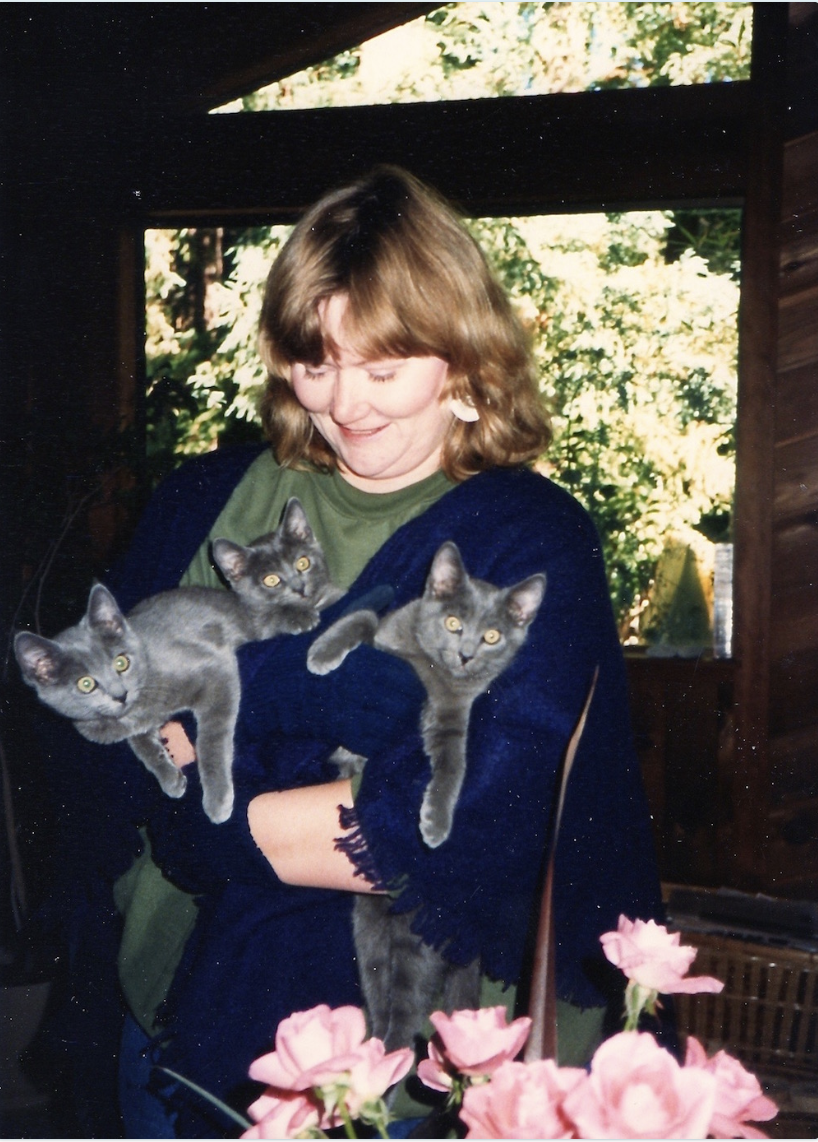
Judy’s note: I just found this story tucked away in a corner of my computer. Bob’s youngest son, Dylan, really did call me his “Wicker Stepmother,” a pretty cute joke for a little boy.  The details of this story are all true, although the names have been changed to protect the guilty.  The wild cat I call Kissy Cat in the story did slowly move in with me in our “new” house in the redwoods of the San Lorenzo Valley   while Bob was still completing the school year teaching in Canyon Country, 300 miles away.  He came on weekends, but during the week, Kissy Cat and I made do. All the other details happened as described.

I am wondering if the story could make a children’s book, as-is, or if it is too adult-oriented. I’d appreciate your views on the matter.

As a further note, the mother cat I named Kiddo disappeared again shortly after the kittens were weaned and I never saw her again. Perhaps the neighborhood jaguar (really) got her, but I’m hoping she ran away to rejoin the father of the kittens, who was the Russian Blue who visited them from the other side of the sliding glass door that day when the mother finally moved them back into the house.

Purple Prose

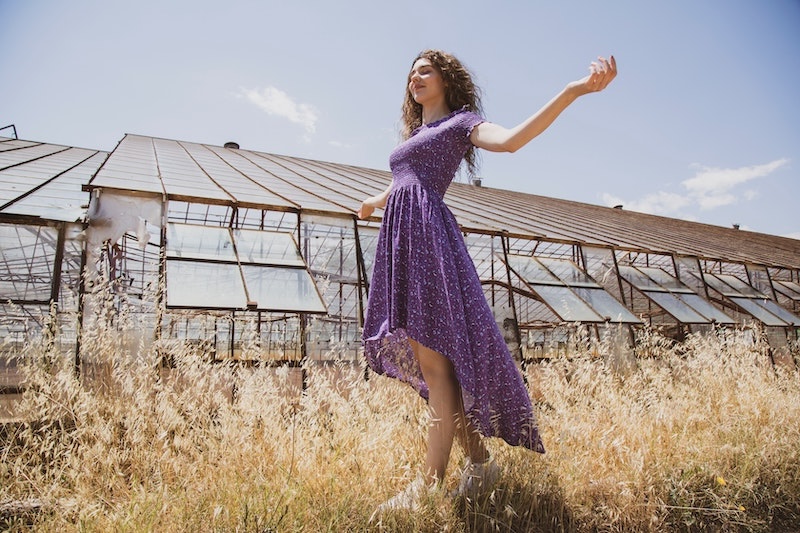
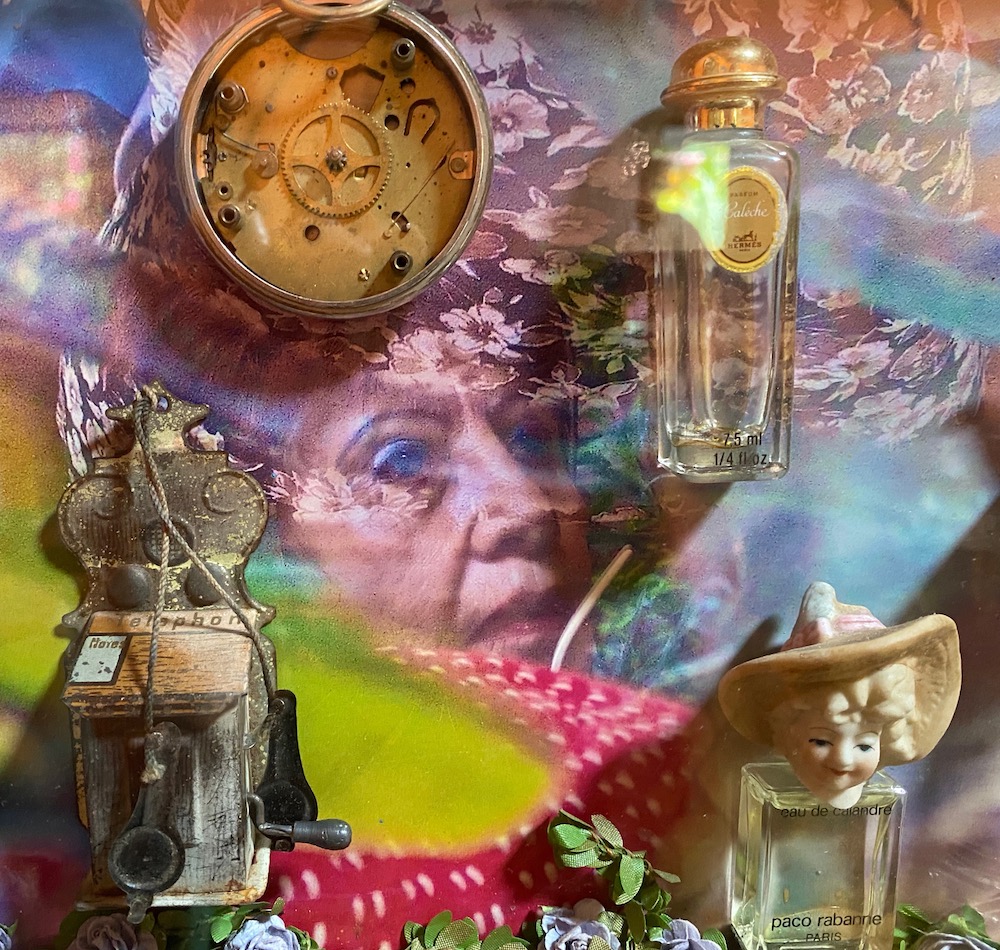
Grandma grinds plums in her conical grinder, shredding the flesh from the pits. Under the table, my little brother sits, purple around his mouth from taste-testing the plums he  helped her pick. My father pushes a cooling cup of Postum closer to my grandmother as she resumes the story I’ve interrupted.  I dash to my room, having just minutes to prepare for the dance before my car full of friends arrives, honking the horn. My Grandmother begins another story about the old country as I tear off my school jeans. I dress in her stories—patterned and purple as night.

For Friday Fictioneers we are to write a story of under 100 words.

Career Limitations (23 word story for Esther Chilton) Oct 25, 2024

Career Limitations

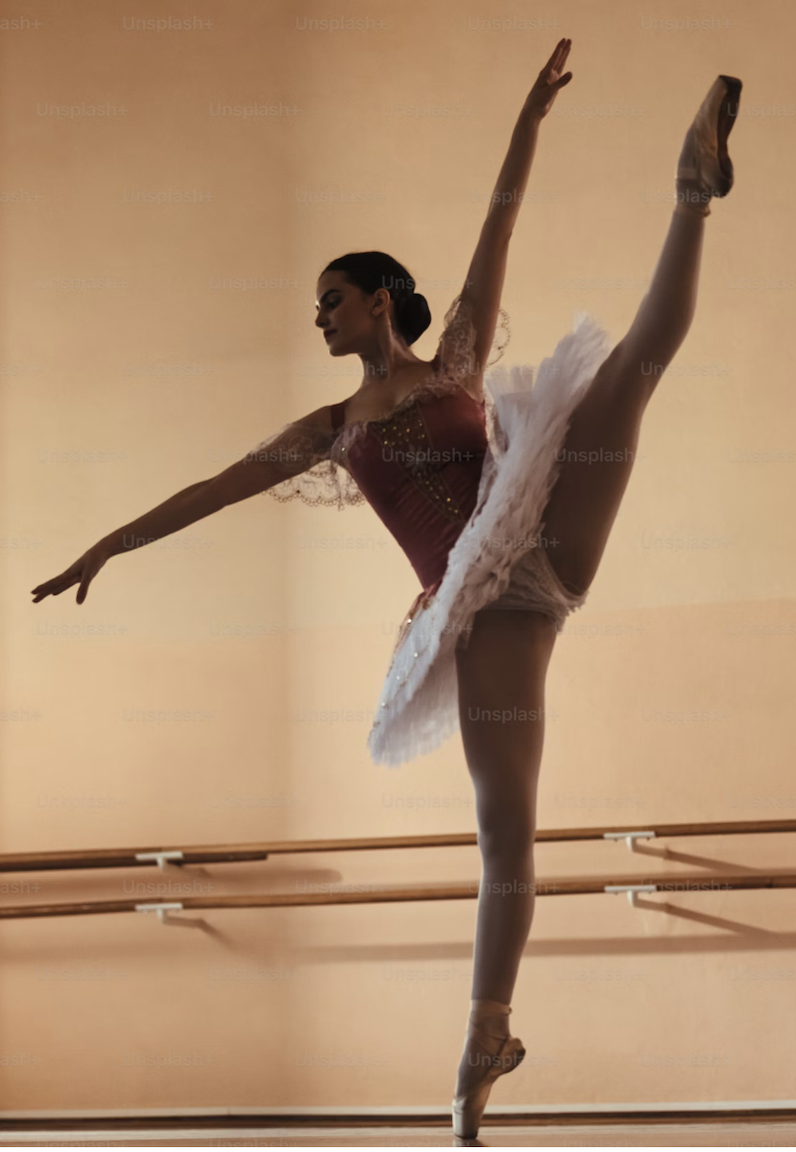
I have flunked at ballerinaing. The reason? I’m too fat.
(Girls as round as eggs or pumpkins can not piié shaped like that!)

The assignment is to write a 23 word story making use of the words ballerina, pumpkin and eggs. Photo thanks to Designdash.com

Cold Truth for dVerse Poets, Nov 6, 2023


 Cold Truth

Those tasks she once squeezed in between the events of a real life consisting of job, social events, wifely duties and mom stuff, now filled out her day. The bare essentials of staying fed, clean and alive exhausted her. How had she ever fit all the rest in?
        When she was just starting out on her career and teaching Native American Literature, she had balked at the cruelty of the tribes that set their elderly out to freeze in the cold winter air. It was the selfishness then that affected her— their unwillingness to feed, shelter and tend to their elderly.
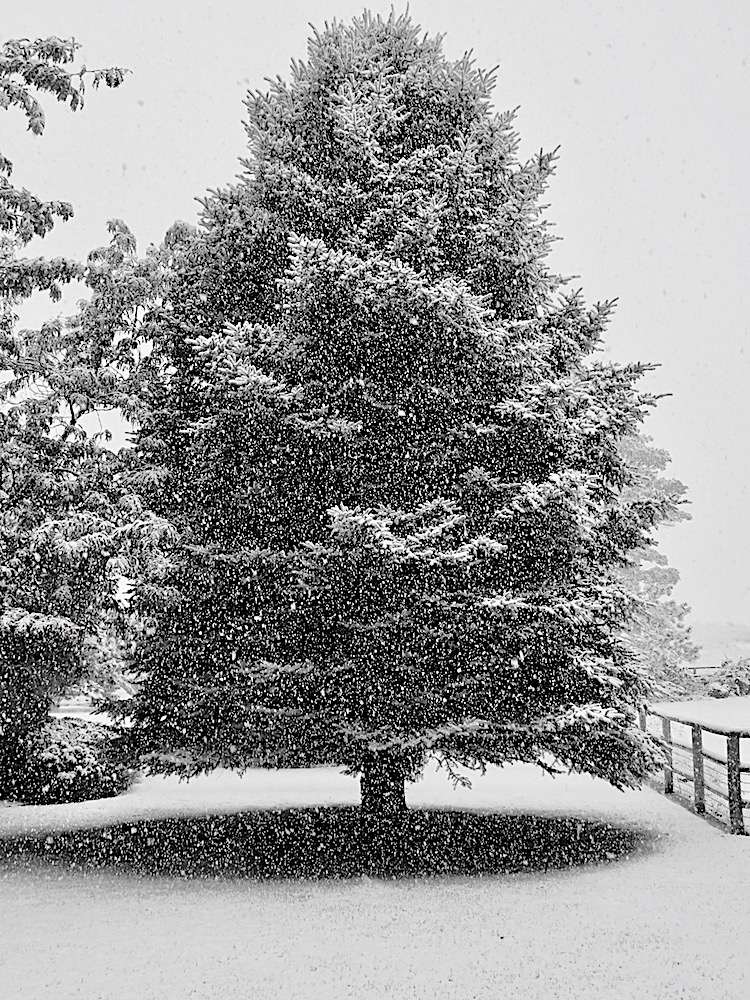
       She had never thought of it from the point of view of the ones being given these relatively kind deaths. What would she do when she was incapable of even the easiest tasks? Now she understood. Snow would be the easy way out.

For The dVerse Poets Pub “Snow would be the easy way out”
To see other responses to the prompt go HERE.

Almost a Miracle

Almost a Miracle

        I need to explain to you how it happened. I know you don’t require it, but I need to tell you, much as a good Catholic needs absolution from her priest or her god, I need absolution from you.

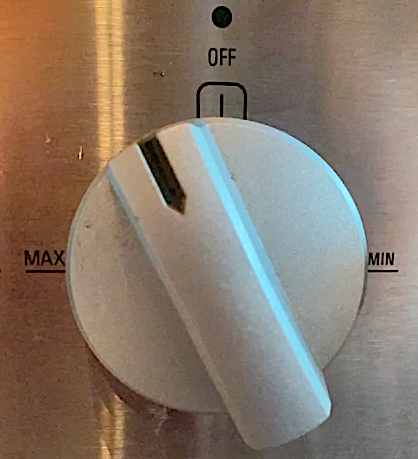
It began with a simple mishap. The gas left on after cleaning the stove. I do not remember this action, yet it must have been me who left the dial turned not quite shut.  A dark part of me, because with God as my witness, I do not remember doing so. I did remember that every payday Saturday night when he came home reeling from the tavern, he went to turn on the striker to light his cigar. If I had actually planned it, I could not have planned it better.  My mother and the other children had gone to Talpa for the four-day pilgrimage to the Virgin and it was my night to stay with the children of the people whose house I cleaned.
I did this weekly to afford them the chance to be together with their friends, away from their demanding children. And it gave me an opportunity to avoid my father.

To avoid the sound of his entrance at the front gate, the heavy pounding of his boots upon the cobbles, the creak of the front door and his slipping the bolt so that I knew once again that I was in the prison of his making.  His footsteps upon the tile stairs as I lay still, my lips moving in rapid prayers, “Our Lord, dear lord, help him pass my door tonight.  Help him to proceed past the doors of my sisters and my brothers and let him move to visit my mother.  Help him to relieve the cares of his week in her presence.  Help it to be his wife who smells the tequila of his breath, to taste the lime on his lips. Help me on this night not to be the partner of his sin.”

Rare was the Saturday night when my prayer was heard. But this night, perhaps I had answered my own prayer.  Later on, the villagers would talk about the night they heard the boom—saw the streaking image of a man run from the front door aflame to bolt down the street screaming. Such a tragedy, they would say, but how fortunate that his wife and children were not present. God must have been watching, they would say, but must have blinked for a moment. It was almost a miracle, they would say.  Almost.

 This is actually a chapter from “Holy Vacation,” a book I have been writing for years about 5 nuns and five children in a home for orphans that they manage.

The prompt for Stream of Consciousness Saturday is Mostly/Almost

Widowmaker

Widowmaker

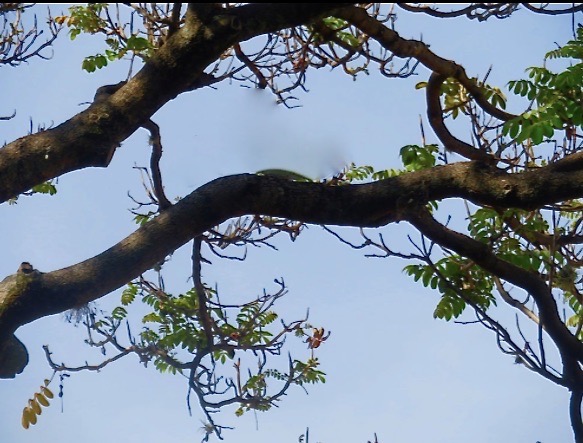
Water swirled around the old tree, oozing into the spaces between its trunk and loose bark  with borborygmous sucking sounds, ripping it bare. She clung to a giant limb just inches above the current. It was an old limb of the type they used to call a widowmaker back when they were an actual pair, lying in the shade on an old blanket pulled from the trunk of his car. She had been lithe and slim. He had been handsome and as wily as a fox. “Zorro,” she had called him, that first long afternoon when he had led her off into the forest for the first time.

Now, for what would probably be her last visit, she had a different companion—the hurricane named Esmerelda, raising the skirt of her water inch by inch as she came to join her. She could hear the cracking of the limb, bit by bit, as it registered the effect of her weight. Where was he? In some snug hotel room, storeys above the swirling water, with a less lethal female companion, no doubt. Only she was here, caught in the memory of them, clinging to that limb that was one syllable short of being appropriately named.

Prompt words today are widowmaker, wily, borborygmous, actual and pair.

Bearings

Bearings

“I’ve lost my bearings,” she said to me, perplexed. She was sitting alone in her room, surrounded by piles of clothing on the bed and floor around her—the collapsed small tents of abandoned full skirts, the shards of scarves and small mismatched clutterings of shoes.

She had been abandoned in a daydream world that only she lived in, but that she seemed as confused by as she was by those of us who tried to visit her there. For her, even changing clothes had become an insurmountable obstacle—a challenge that rivaled childbirth, an unfaithful husband, an addicted son, an autistic grandson. It rivaled the war she’d staged against her much-younger sister—the power she held over that sister by her rejection of her. It rivaled her efforts to enter the world again as a single woman and to try to win the world over to the fact that it was all his fault. It rivaled her insistence that it was the world that was confused in refusing to go along with all her beliefs and justifications.

She had barely if ever left a word unspoken when it came to an argument. It was so simple, really. She was always right. That everyone in the world, and more particularly her younger sister, refused to believe this was a thorn in her side. The skin on her cheek itched with the irritation over the unfairness of the world. She had worn a path in it, carving out a small trench so that the skin even now was scaly with that road traversed over and over again by one chewed-off fingernail. “Are you she?” She asked me, and when I admitted I was, she added, “Oh, you were always so irritating. Even as a little girl. Why could you never be what anyone else wanted you to be? You were always so, so—yourself!”

It was my chance, finally, for an honest conversation with this sister 11 years older—more a crabby mother always, than a sister. A chance if she could keep on track long enough to remember both who I am and who we both once were.

“So what was wrong with how I was, Betty? With how I am?”

“Oh, you were always so . . . . “ She stopped here, as though struggling for a word or for a memory. I saw her eyes stray to the floor between the door and the dresser. “There’s that little fuzzy thing there,” she said. I could see her eyes chart the progress of this creature invisible to me across the room.

I hung on to the thought she had so recently abandoned. “But me, Betty. What do you find wrong with me?”

Her eyes came back to me and connected, suddenly, with a sort of snap that made me think we were back in the same world again as she contemplated by last question. I tried to keep judgment out of my own gaze—to keep her here with me for long enough to connect on at least this one question.

“You were,” she said, and it was with that dismissive disgusted tone she had so often used with me since I was a very small child. “You were just so mystical!”

I was confused, not sure that the word she had used was the one she meant to use.

“What do you mean by mystical, Betty?” I sat on the bed beside her and reached out for the static wisps of hair that formed a cowlick at the back of her head—evidence of the long naps which had once again taken over her life, after a long interim period of raising kids, running charities and church prayer circles, and patrolling second-hand-stores, traveling to PEO conventions and staying on the good side of a number of eccentric grandchildren.

“Oh, you know. All those mystical experiences! The E.S.P. and all those other stories you told my kids. And Mother. Even Mother believed you.”

Then a haze like a layer of smoke once more seemed to pass over her eyes, dulling her connection to this time and reality and to me.

Her chin trembled and a tear ran down her cheek. She ran one fingernail-chewed index finger over and over the dome of her thumb and her face broke into the crumpled ruin of a child’s face who has just had its heart broken, the entire world of sadness expressed in this one face. I put my arms around her, and for the first time in our lives, she did not pull away. We rocked in comfort to each other, both of us mourning something different, I think. Me mourning a sister who now would never be mine in the way that sisters are meant to be. Her mourning a self that she had not been able to find for a very long time.

“Oh, the names I have been called in my life,” I was thinking.

“Oh, the moon shadows on the table in the corner. What do they mean?” She was thinking.

The last time I gave my sister a fortune cookie, she went to the bathroom and washed it off under the faucet, chuckling as though it was the most clever thing in the world to do. She then hung it on a spare nail on the wall.

When I asked her if she needed to go to the bathroom, she nodded yes, and moved in the direction of the kitchen. Then she looked at the news scroll on the television and asked if those were directions for her. If there was something she was supposed to be doing. And that picture on the wall. What was it telling her she was supposed to do?

In the end, I rubbed her head until she fell asleep, covered her and stole away. I’d fly away the next morning, leaving her to her new world as she had left me to mine from the very beginning.

Prompt words today are hang on, contemplate, daydream, bearing and surround.