Tag Archives: insects

The Numbers Game #95. Please Play Along! Oct 20, 2025

Welcome to “The Numbers Game #95”. Today’s number is 217. To play along, go to your photos file folder and type that number into the search bar. Then post a selection of the photos you find that include that number and post a link to your blog in my Numbers Game blog of the day. If instead of numbers, you have changed the identifiers of all your photos into words, pick a word or words to use instead, and show us a variety of photos that contain that word in the titleThis prompt will repeat each Monday with a new number. If you want to play along, please put a link to your blog in comments below. Here are my contributions to the album.

***Click on  Photos to Enlarge and View as Gallery.***

Poolside Picnic

Click on photos to enlarge.

Lately, my water delivery has begun any time from midnight to 5:30 A.M.  I drain the hot tub and remove about 1/3 of the water from the pool the day before as by then the water is cold.  It streams into my cistern to be used for watering the garden and spare lot/sculpture garden below (no water wasted) and the nearly boiling-hot thermal water from Colima vocano 80 miles away comes streaming into my pool and hot tub to cool down a bit so I can actually make use of it by evening or the next morning.

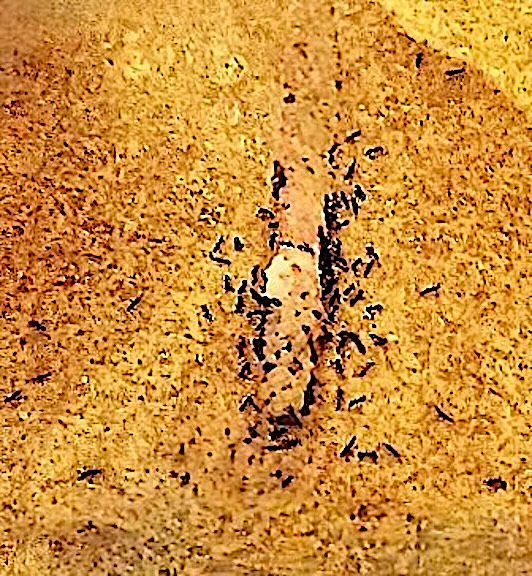
Today I got up at 5:30 when I heard it streaming in. By 8, I noticed the hot tub was full and running over into the pool and when I went down to turn off the water, I noticed dozens of tiny black ants swarming over the 2-foot wide surface of the edging around the pool. Unable to see the purpose for their swarming, I nonetheless was able to see that a number of wasps were also swooping down to the stone surround. Then I realized that the wasps were actually feeding on the ants!  I ran in to get my phone to take photos to document this surprising event, but alas, when I returned, only ants remained. No wasps.  I then returned to the house to try to find something on the internet to back up what I’d viewed and Meta Al informed me that:

Yes, some wasps eat small black ants, while others do not. Some wasps are predators that hunt and eat insects, including ants, which can be a protein source for their larvae. However, other species are either parasitoids that lay eggs inside ants, or they may attack ants defensively when competing for resources, rather than eating them. (Info derived from AI)

Which Way?

Click on photos to enlarge and see captions.

For the Which Way Challenge

Beauty in Unexpected Places

Please click on photos to enlarge and see details.

I love the story behind beauty as much as the beauty itself.  The plant fragment, fallen just right for sniffing, the beauty sculpted by nature, a toothbrush in a cup, the arrangement of food on a plate, a caterpillar with a crystal crown. All of these unexpected beauties of eye and mind command our attention.

for Lens Artists Challenge 318:  Finding beauty in unexpected places

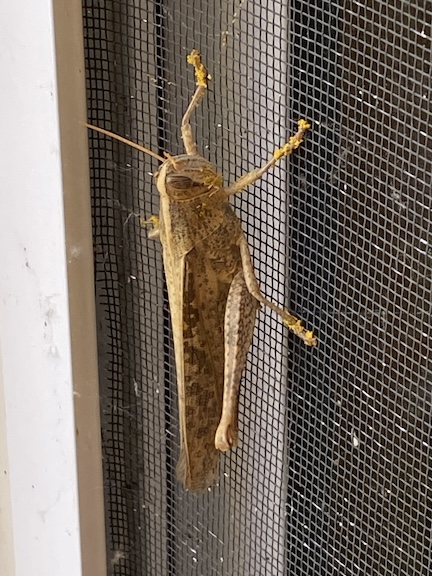
Grasshopper..For Last on the Card, April, 2024

Why, every single month, do I see someone posting their Last On The Card photos and it is again a surprise?  Okay… here I go looking….be right back.


For once, I actually love my last on the card photo. To be honest, this was second to last but the last one was a QR code and I have no idea what it was for, so will not post it.  This fellow is much more interesting anyway.  And for once it didn’t jump just before I snapped the photo!

For Brian’s Last on The Card prompt

For Wednesday Quotes #163: The Inspiring World of Animals

Click on photos to enlarge.

Animals are such agreeable friends—they ask no questions; they pass no criticisms.”–George Eliot

For Wednesday Quotes #163–The inspiring world of animals.

The Numbers Game #5, Jan 22, 2024

Welcome to “The Numbers Game #5”  Today’s number is 126. To play along, go to your photos file and type that number into the search bar. Then post a selection of the photos you find under that number and include a link to your blog in my Numbers Game blog of the day. If instead of numbers, you have changed the identifiers of all your photos into words, pick a word or words to use instead, and show us a variety of photos that contain that word in the title.

This prompt will repeat each  Monday with a new number. If you want to play along, please put a link to your blog in comments below.

More Surprises re/ the Bagworm or Case Moth

When I got home today, I decided I’d double-check and make sure I hadn’t overlooked the bagworm yesterday. And guess what?  This is what I saw, although it seemed like it was on a lower part of the succulent plant than before.

I snapped this shot and sure enough, when I compared it to the Dec. 30 photo I took of the bagworm cocoon I had discovered on that day and found missing on Jan 3, the bagworm casing is completely different and on another part of the plant than before.  Did the bagworm build a new cocoon or is this another bagworm?  If so, what happened to the old cocoon? Or is this an entirely new bagworm? Mysteries, mysteries.

Below are the 2 cocoons side-by-side.

I’ll keep an eye out for future developments.  Anyone with information to share, please do. Your expertise in this matter will be appreciated. In the meantime, I’m researching bagworms or case moths.

HERE is a link to my original post when I discovered the first cocoon.

And here is a Faceook message from my friend Jan Golik who first acquainted me with bagworms when she formed a relationship with one during her Covid isolation:

Now, my research on the matter:

How serious are bagworms? Bagworm larvae grow and feed on trees causing plant damage. These pests can be dangerous and costly to landscaping plants, but they pose no threat to human health. Large infestations of these pests may damage or cause trees and shrubs to die from defoliation.
Adult males transform into moths in four weeks to seek out females for mating. The female never leaves the cocoon, requiring that the male mate with her through the open end at the back of the case. She has no eyes, legs, wings, or antennae and can’t eat, but she emits a strong pheromone to attract a mate.
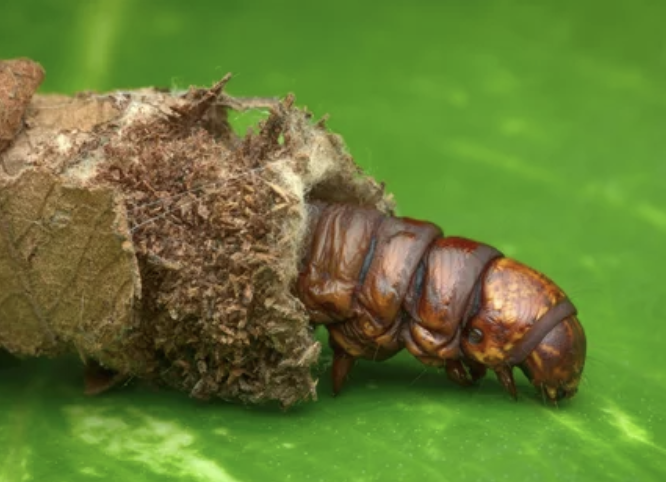
Below is a male bagworm emerging from his bag:
I am fascinated by this process. Can’t stand to destroy the “bag”

“Unique Creatures” for the Lens Artists Challenge.

For the Lens Artists Challenge: Unique

Update: Tina Schell asked about the caterpillar, which goes through several phases before becoming a hummingbird moth. You can see several the stages in my old blog post HERE.
And HERE is another blog with even more stages of the caterpillar.

Flutter

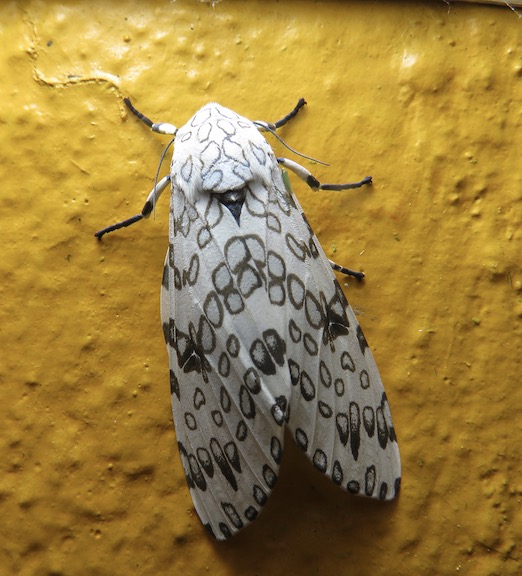
Moths

They lift their wings
to float, then pump.
Slower than flit,
faster than slump.

Not content with loll and putter,
moths prefer to sail and flutter
through the air
from here to there.

The Weekend Writing Prompt is to write exactly 34 words making use of the word “flutter.” My word count includes the title.