Tag Archives: memories

South Dakota Gumbo

South Dakota Gumbo

When the rains came in hot summer,  wheat farmers cursed their harvest luck, for grain sodden by rain just days before cutting was not a good thing; but we children, freed from the worry of our own maintenance (not to mention taxes, next year’s seed fees and the long caravans of combines already making their slow crawl from Kansas in our direction) ran into the streets to glory in it.

We were children of the dry prairie who swam in rivers once or twice a year at church picnics or school picnics and otherwise would swing in playground swings, wedging our heels in the dry dust to push us higher. Snow was the form of precipitation we were most accustomed to–waddling as we tried to execute the Xs and Os of Fox and Geese bundled into two pairs of socks and rubber boots snapped tighter at the top around our thick padded snowsuits, our identities almost obscured under hoods and scarves tied bandit-like over our lower faces.

But in hot July, we streamed unfettered out into the rain.  Bare-footed, bare-legged, we raised naked arms up to greet  rivers pouring down like a waterfall from the sky.  Rain soaked into the gravel of the small prairie town streets, down to the rich black gumbo that filtered out to be washed down the gutters and through the culverts under roads, rushing with such force that it rose back into the air in a liquid rainbow with pressure enough to wash the black from beneath our toes.

We lay under this rainbow as it arced over us, stood at its end like pots of gold ourselves, made more valuable by this precipitation that precipitated in us schemes of trumpet vine boats with soda straw and leaf sails, races and boat near-fatalities as they wedged in too-low culvert underpasses.  Boats “disappeared” for minutes finally gushed out sideways on the other side of the road to rejoin the race down to its finale at that point beyond which we could not follow: Highway 16–that major two-lane route east to west and the southernmost boundary of our free-roaming playground of the entire town.

Forbidden to venture onto this one danger in our otherwise carefree lives, we imagined our boats plummeting out on the other side, arcing high in the plume of water as it dropped to the lower field below the highway.  It must have been a graveyard of vine pod boats, stripped of sails or lying sideways, pinned by them.  We imagined mind soldiers crawling out of them and ascending from the barrow pits along the road to venture back to us through the dangers of the wheels of trucks and cars.  Hiding out in mid-track and on the yellow lines, running with great bursts of speed before the next car came, our imaginary heroes made their ways back to our minds where tomorrow they would play cowboys or supermen or bandits or thieves.

But we were also our own heroes.  Thick black South Dakota gumbo squished between our toes as we waded down ditches in water mid-calf.  Kicking and wiggling, splashing, we craved more immersion in this all-too-rare miracle of summer rain.  We sat down, working our way down ditch rivers on our bottoms, our progress unimpeded by rocks.  We lived on the stoneless western side of the Missouri River, sixty miles away. The glacier somehow having been contained to the eastern side of the river, the western side of the state was relatively free of stones–which made for excellent farm land, easy on the plow.

Gravel, however, was a dear commodity.  Fortunes had been made when veins of it were found–a crop more valuable than wheat or corn or oats or alfalfa. The college educations of
my sisters and me we were probably paid for by the discovery of a vast supply of it on my father’s land and the fact that its discovery coincided with the decision to build first Highway 16 and then Interstate 90.  Trucks of that gravel were hauled  to build first the old road and then  the new Interstate that, built further south of town, would remove some of the dangers of Highway 16, which would be transformed into just a local road–the only paved one in town except for the much older former highway that had cut through the town three blocks to the north.

So it was that future generations of children, perhaps, could follow their dreams to their end.  Find their shattered boats.  Carry their shipwrecked heroes back home with them.  Which perhaps led to less hardy heroes with fewer tests or children who divided themselves from rain, sitting on couches watching television as the rain merely rivered their windows and puddled under the cracks of front doors, trying to get to them and failing.

But in those years before television and interstates and all the things that would have kept us from rain and adventures fueled only by our our imaginations, oh, the richness of gumbo between our toes and the fast rushing wet adventure of rain!

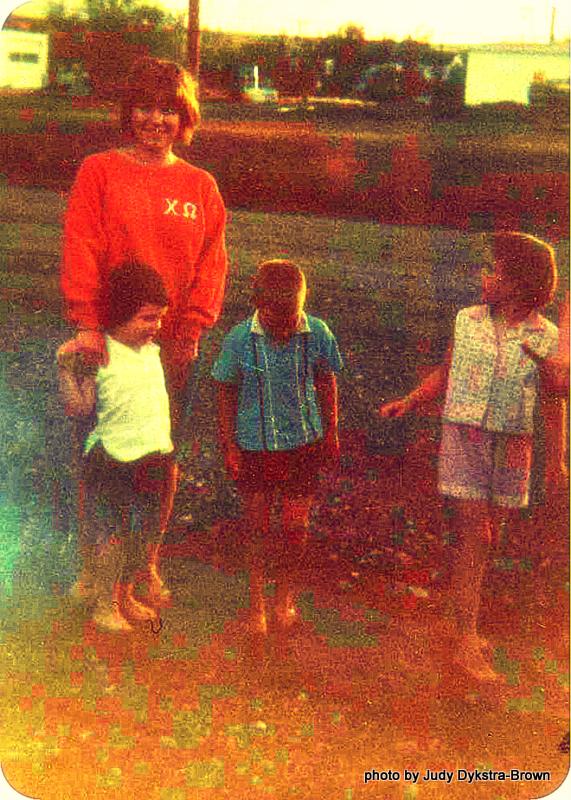
Writer’s note:  I know my sister Patti is going to read this and cry, and so I want to present you with this mental picture of her, college age, Levi cuffs rolled up above her knees, surrounded by five-year-old neighbor kids, enjoying her last big adventure out into the ditches of Murdo, South Dakota, during a July rain.

But wait!  A mere two hours of digging and another hour of editing has produced this proof of my former statement, so to augment your mental image, here is the real one:

Patty in mud 001-001

Not quite the gusher depicted in the childhood vignette, but nonetheless, Patti’s final puddle adventure. She had taken my visiting niece out. The next day the neighborhood kids rang our doorbell and asked my mom if Patti could come back outside to play! Ha.

The Prompt: Free Association–Write down the first words that come to mind when we say . . . home. . . soil . . . rain. Use those words in the title of your post.

True Grit

DSC01208

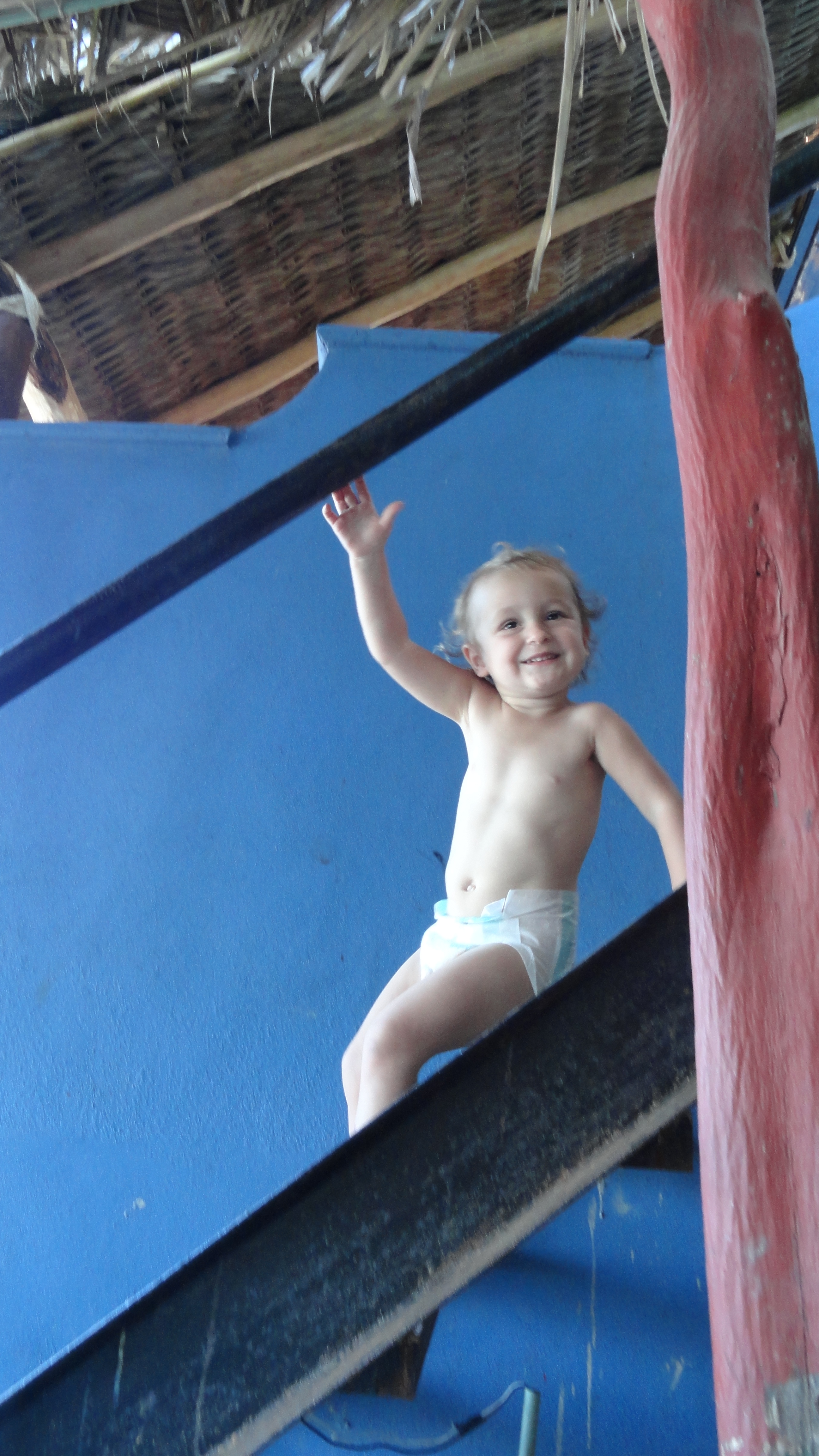
I want to be like this little girl who wandered away from her parents in the sand and into the beach restaurant where I was typing this blog. She came in to meet and entertain me, then to climb the stairs to the upstairs apartment—a dangerous enterprise with no side slats to keep her from falling. Her mom watched from nearby. I moved closer, just in case. But she made it up and down with no injuries, came over to chat a bit longer and then departed. I felt a bit happier and a bit braver myself by the end of our interlude.

The Prompt: Be the Change—What change, big or small, would you like your blog to make in the world?

True Grit

I’d like my blog to be Grit magazine, Ann Landers and the funny papers—all rolled in to one. I’d like it to be the first love comic grabbed off the shelf, the thing everyone wants to read, hot off the presses. I want it to be true, uplifting and fun to read. Entertaining. A collection of words that make people feel better after reading. I want it to be the thing you go to after reading of the last cuts to social services for the poor, the latest fool elected to public office, the last school massacre or child who mistakenly shot an adult with a gun provided to him by an adult. The thing you read when you’ve had enough of police brutality, plane wrecks, financial crashes, reverse Robin Hoods, pit bulls attacking humans, humans abusing dogs, cartels, corporations, slanted news agencies, corrupt rulers, crimes against women, drought, Ebola, HIV and dengue.

Yes, all of these ills exist and we need to know about them, but do we need to know about them ad nauseam, day and night, hour after hour? Do we need them served with our morning coffee, our evening meal, our drive to work? Need we dream them, fill our thoughts with them every hour of the day? And need those thoughts be hopeless and without remedy?

It is not that I want to avoid reality, but rather that I’d like to give that reality my twist and I’d like one major strand in that twist to be optimistic, another to be humorous, another to gentle the cruel realities, another, if it is of any influence at all, to be a catalyst to understanding and a feeling that something may be done in this world.

If you don’t remember the Grit magazine mentioned earlier in this piece, Google it. You will learn that it was formerly a weekly newspaper popular in the rural US during much of the 20th century. It carried the subtitle “America’s Greatest Family Newspaper.” It was full of human interest stories, usually with an uplifting slant. I can’t remember whether it came in the mail or whether we purchased it in the grocery story or in Mowell’s Drug, but I do remember grabbing it out of Mom’s brown paper bag when she got home from a trip down town and making off with it to my room or a grassy place in the shade of an elm tree to be the first to read it.

Perhaps you will label me as superficial if I admit that the first things I read in The Mitchell Republic—that “real” newspaper actually delivered to our front door—were Ann Landers, the comics (We called them “the funny papers”) and the crossword puzzle. I guess I wanted to be entertained, but I also wanted that assurance that something could be done about the bad things in life. Dick Tracy could solve the crimes. Mary Worth could be of worth in helping out. Ann Landers could find a solution to the ache of love and every puzzle could be eventually solved with hard work and perhaps a peek at the dictionary.

Now Google makes puzzle-solving a snap, so long as one is not shy about cheating and using that larger universal brain to solve the Sunday Cryptic Crossword, but in revealing so much, Google causes bigger problems—mainly, what to do with all of this knowledge of the world. For me, what I do with it is to write about it and within the world of my creation, to try to alter it enough to put a bit of hope into the world—to tinge it with a sense of humor or a sense of creation or a stab at a solution—however fanciful or impossible or romantic or homespun or illogical it may be.

This blog is like the biggest purse in my collection of very big purses indeed. In it lie jumbled together all my memories, dreams, hopes, heartaches, genius, stupidities, foibles, schemes, assurances, doubts, mistakes, successes, affections and affectations. The clasp I leave open for all to dip inside to see what they might find. One day, draw out a ditty, the next a tirade, the next a soggy handkerchief, soaked with my tears or an unused Kleenex to dry your own tears that were soaking your pillow when you woke up.

I want to be that thing you sneak off with before the rest of the family cottons on to its presence and take up to your bedroom to read with your back pressed up against the bolster on your bed or roll up and stick up your sleeve as you make off to the hammock or that shade in the grass beneath the tree.

And when you finish reading, it would be neither the hugest compliment nor the hugest insult you could give if you just thought, “That girl’s got grit!” I think a knowledge that she had prompted that statement would make the little girl or teenage girl who snatched that weekly magazine from the grocery sack very happy.

Wallpaper

This is an old poem I found in the bowels of my external hard drive. Reading it stirred up the squelched emotions of eight years ago; and although they are no longer felt so keenly, if at all, they still felt authentic. So here it is, rewritten and exposed to the eyes of the world for the first time:

Wallpaper

Clinging to the wall
like an old wallpaper scrap
are the words
I want you, I want you, I want you, I want you.

Their refrain slides up and down
the musical scale—
an old country tune,
plaintive and clear.

Why do I want you?

The first time I met you,
there was something about the curl of your hair.
Your eyes, so familiar­—puzzled, as though
you, too, were trying to remember.

After that, it was
the set of your shoulders—
the arm stretched between your seat and mine
with your hand on the back of my seat.

All of your restraint an aphrodesiac.

The truth is
that I pined
for two days after I left,
then went on with my life.

Still, that scrap
of wanting
comes up early in the morning
as I waken

and my mind walks,
looking for someone to pin it to,
and every time
it stops at you.

Lost Poem

 Lost Poem

A button pushed.
No lives lost.
Just newborn words,
vanished
and mourned.

Consider them
a sacrifice to the muses,
he says.

Consider them
parts of me
I’ll never remember again,
I say.

Six Gifts for My Sister

The Prompt: The Language of Things—You have to write a message to someone dear to you, telling that person how much he/she means to you. However — instead of words, you can only use 5-10 objects to convey your emotions.  Which objects do you choose, and what do they mean?

First of all, I have to say that this is my all-time-favorite prompt, so kudos to its creator. It is original, thought-provoking and fun.

DSC00595

Six Gifts for my Sister

 Older sisters are our teachers, our critics, our cruelest enemies and our best friends. When we were younger, my sister was no exception. With age, however, some of these roles have fallen away. The others I often take for granted even though I know they are still there.

This year I will be, as I have been for most years in my life, far away from my four-year-older sister, Patti, for Christmas. Betty, my 11-year-older sister, unfortunately started to leave us four years ago and now lives in a world we are not a part of. Both Patti and I fear the same thing happening to us and we’ve made some Thelma and Louise pacts to that end. Hopefully, we’ll never have to use them and will fade peacefully away in our dreams when we are well over 100.

If this sounds excessive, you are right. I am a glutton for life and probably part of the reason is the capacity for play taught to me by my sister, who was always my most imaginative playmate. Even when I’m sad, I love living and want for life to go on for as long as possible, so long as I remain relatively pain-free and retain my mind, my sense of humor and my girlish good figure. One of these things does not belong. You can probably guess which one.

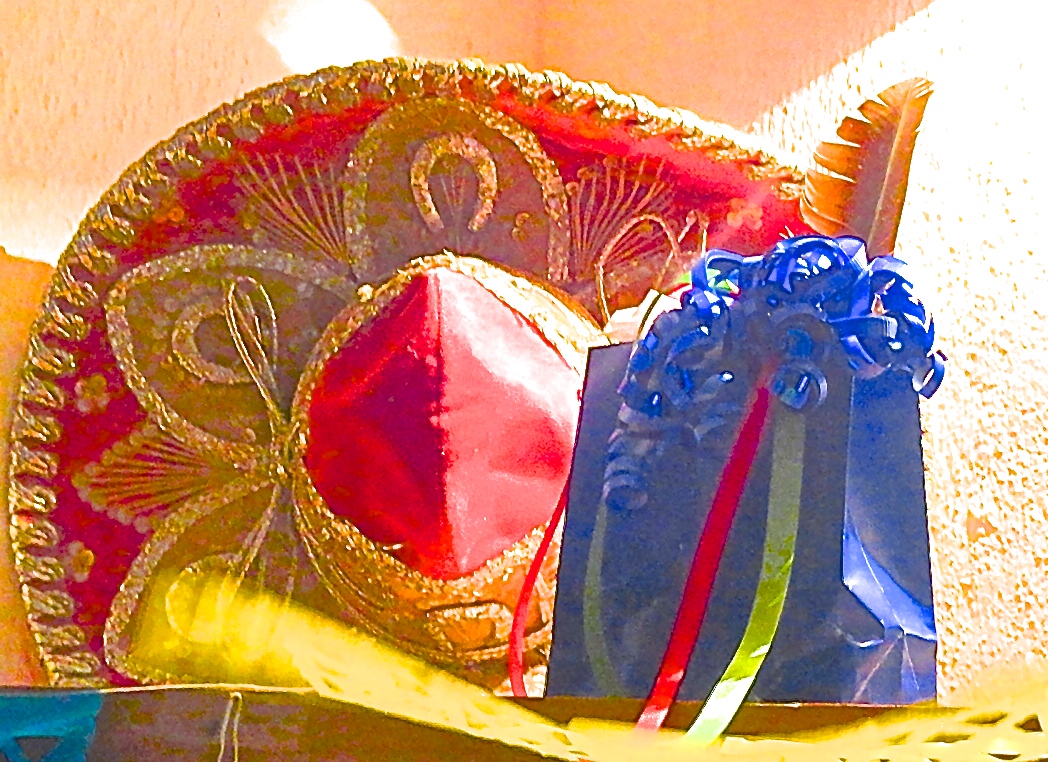
Since I live in Mexico and my sister will be in her home near Phoenix this year, we have sent gifts early. Mine sits on top of the armoire in my beach rental in its blue wrapping bag with curly ribbon. I have added a pelican feather and gaudy ribbon streamers. Since I’ve chosen to spend this Christmas far from friends and other relatives, it is my only gift and I am hoarding its mystery until the last possible minute. Perhaps I’ll open it at 11:55 P.M. on December 25! I’m sure my sister has not opened hers, either.

A usual tradition in our family was to do Christmas stockings to which we all contributed. (Well, except for my dad, who instead donated the cash we all used to purchase our stocking stuffers.) With that in mind and feeling sentimental, I’d like to assemble an imaginary Christmas stocking for my sister to open right now—as soon as she sees this. It’s a not such a large stocking, but as in all things imaginary, anything is possible; so I’m sure all the gifts will fit.

I need to start at the top, with the lightest most crushable items, and so the first gift she will find sticking out of the top of the stocking will be something flat, rolled into a cylinder before wrapping. When she rips off the paper in her usual unceremonial fashion, she will know exactly why I have given it to her.

It is a folder of Debra Paget paper dolls with snub-nosed scissors taped to the front to encourage her to actually cut them out. I have visions of them decorating her tree for the remainder of its life this year, or even better, my sister on her stomach on the living room rug, cutting them out while she listens to “Our Miss Brooks” or “The Shadow” on the radio, then assembles the material for a paper doll house: Kleenex box beds and sofas, tuna can tables covered in tissue tablecloths. Since she taught me these imaginary games, she’ll figure out the rest. Then I want her to imagine me there playing with her. She can be Debra Paget. I’ll be anyone she wants me to be, as was the norm way back then when we constructed our first paper worlds.

The next box she pulls from the stocking will be long, narrow and flattish. It will weigh practically nothing. There will be instructions on the front to open it more carefully than usual, for it is fragile. When she folds back the paper, she’ll find a box of the old aluminum tinsel—the extra long and extra skinny type that only she knew how to put on perfectly. It was an art, this distribution of tinsel on the tree. One had to be sure to spread it out evenly in bunches of only three or four strands. For maximum beauty, it had to be hung on the ends of branches so it hung just to the top of the next branch without lapping over. In our house, it was never thrown! I am absolutely sure that now, as then, Patti and I are the only ones with patience enough to do the job right, so she will have to do it for both of us.

I’m sure that what the next gift is will be obvious. It is a Christmas tradition started by my mother, who would tuck a small box of Russell Stover Chocolates in each stocking. At times, she would succumb to temptation and all of the boxes would be empty as she generously absorbed all of their calories herself. I am making one small change in tradition and tucking in a box of See’s Chocolates in lieu of Mother’s poor taste in chocolate. Helen Grace would be even better, if I knew where to buy them.

The next box is small and may have slid a bit further down in the stocking when the others were removed, so I’ve attached a streamer that extends well out of the top of the sock. Pull the streamer and the little box will pop out. Inside is a key. Looks like the key to a car. Actually, it is the key to a little tan Scout whose top can be taken off to make it a convertible. Here are the instructions I’ve written for Patti and wrapped around the key:

There is room for the driver (that’s you) and one more friend in front. (That’s me.) I am sitting there in honor of friends no longer able to: Patty Peck, Diane Looby, Mary Jo Kuckleberg. I think Karen Bossart is so slim that she could also squeeze in front with us. In the back, along the side benches and on the floor, if you really pack them in, there is room for at least eight others and I have written them all to be expecting your call. Billy Francis, Clarence Rea, Mick Penticoff and Bobby Brost are all must-rides. Since the male friends of your youth have outlasted most of your female friends, Billy and C.J. and Mick can bring their wives to sit in for Patty, Diane and Mary Jo. If my buddy Rita North were going to be in Arizona for Christmas (she isn’t) she could tag along as both of us always longed to do—and sometimes we were actually asked! Jim, I don’t think a Scout is your style, but be a sport and ride along in the back with the guys! You’ll discover formerly undiscovered levels of fun bumping along in this replica of Patti’s and my first wheels. And there is always room for one more in the back of a Scout!

The next gift is merely an envelope. Inside are two tickets to Africa. The accompanying note reads:

—To complete our journey that was once curtailed by a revolution and shooting that sent you off to bravely face the rest of the trip alone. It’s about time we tried it again, hopefully with happier endings. Since then, you’ve been back so many times that you can probably pick the agenda better than I could, so it’s an open ticket. You fill in the blanks.

So, we’ve finally come to the bottom of the stocking, but anyone who has plunged into the depths of a Christmas stocking knows there is always something left in the stocking’s toe. In this case it is a small but substantial box wrapped in rich gold paper with a shiny silver cord. Inside is a slide with a large diamond set in gold. Although I know that gold and diamonds are no longer my sister’s “style,” this one is a wonderful modern design with an emerald-cut stone set in a flat gold setting. It is this gift that I’ve chosen to show her worth to me and for that, nothing but the best will do!

Merry Christmas to all. Especially to that sister who has been there for me every single time and who need never worry again about being mean to me in our youth. That, too, is what older sisters are meant to do. It gets us ready for the world, which will not always be paper dolls and U’ing main in a Scout chock full of friends.


Gone but Not Forgotten

Gone but Not Forgotten

DSC00177_2

This is my above-ankle tattoo done a month ago. Now almost completely gone, except for a shadow. Relax. It was a henna tat.

DSC00184

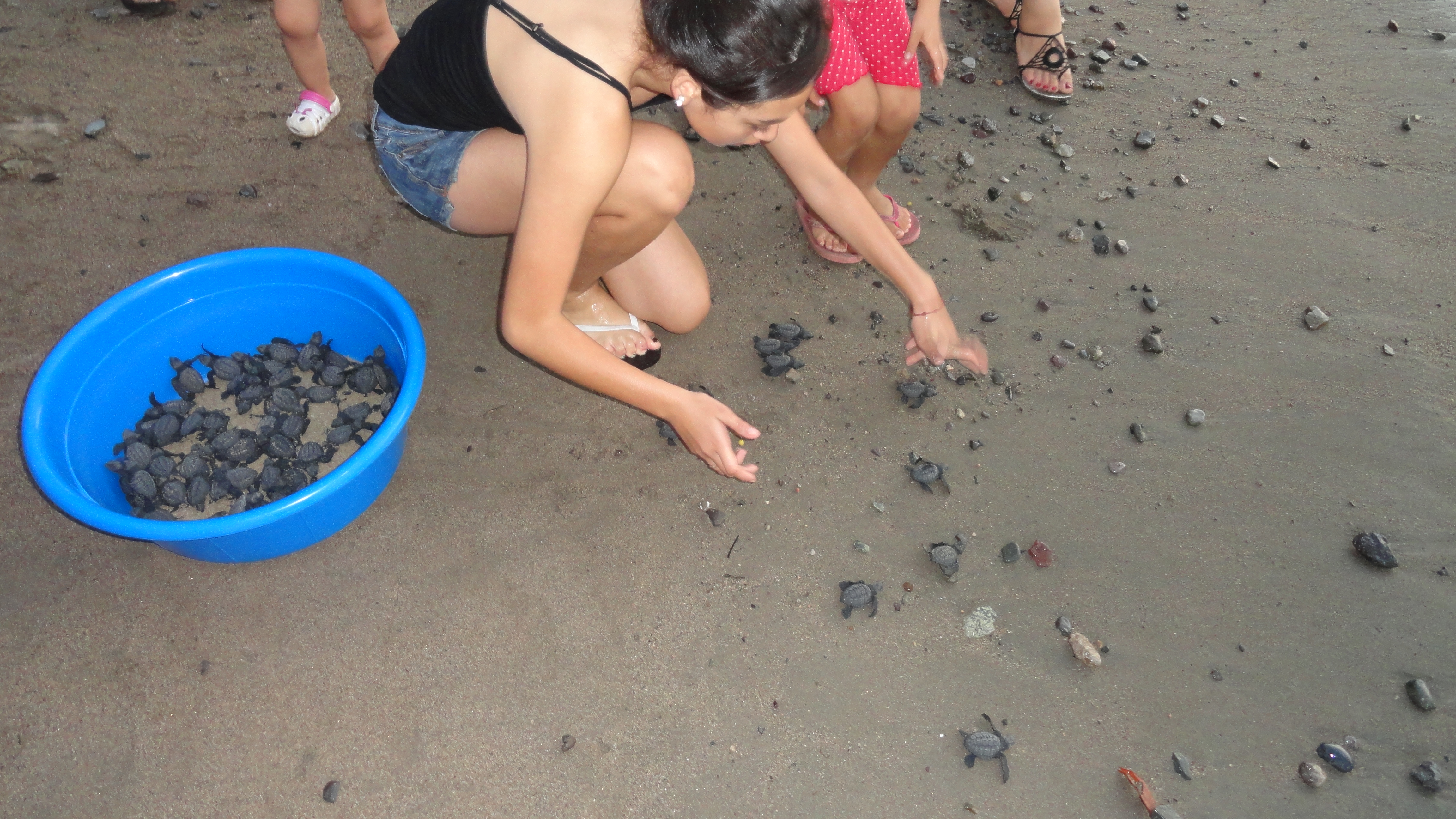
Remember the 200 baby turtles we released into the sea a week or two ago? They are long gone, I hope, but I still think of them every day.

DSC08856

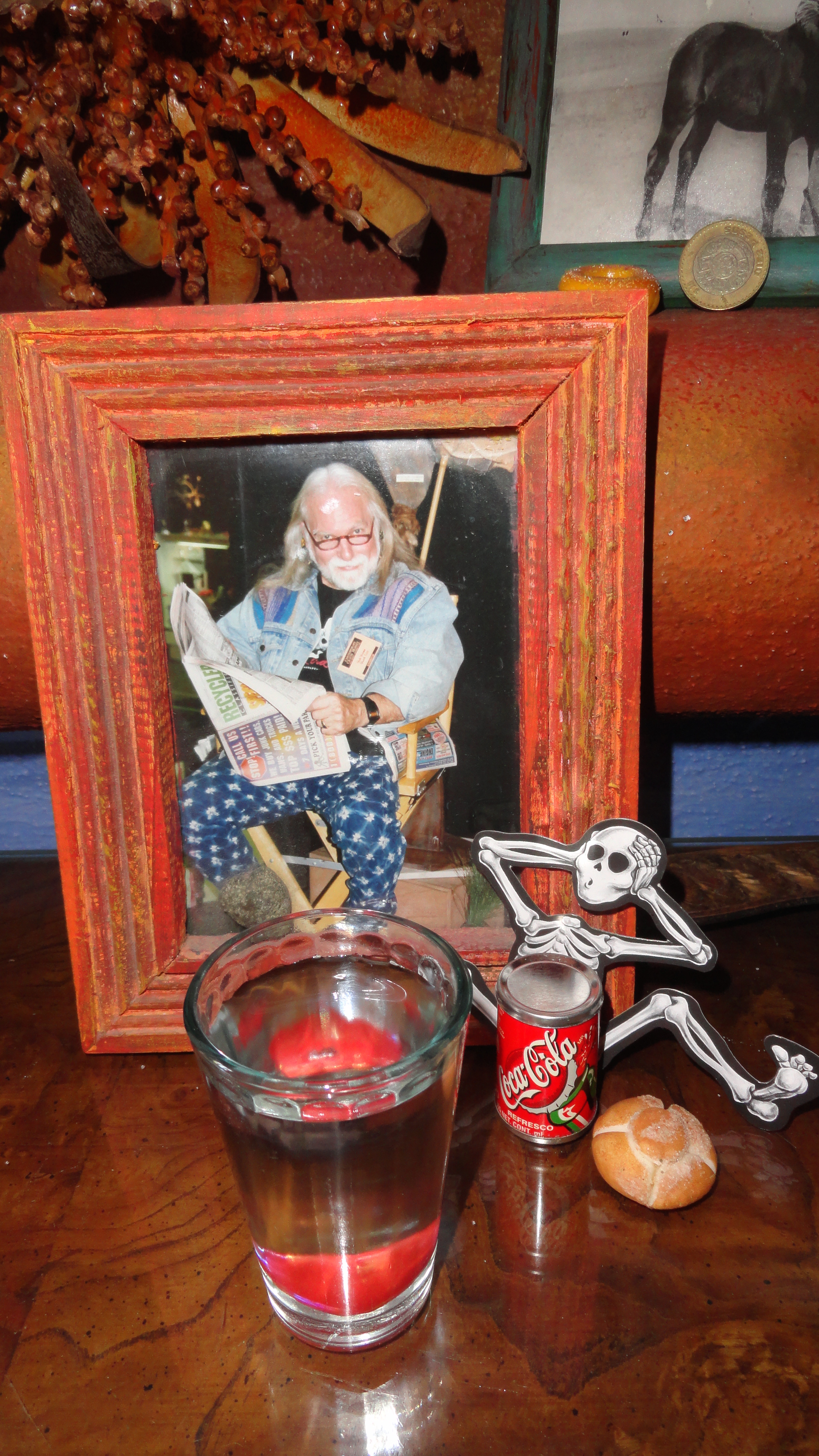
Day of the Dead altars give us a perfect way to remember departed loved ones in a non-maudlin manner. This is my husband Bob who passed away 13 years ago. Yes. He loved very cold Coke and crullers, but I couldn’t find a cruller, so this little pastry had to do.


https://dailypost.wordpress.com/dp_photo_challenge/gone-but-not-forgotten/

https://grieflessons.wordpress.com/2014/12/15/gone-but-not-forgotten/

Necessary Dangers

The Prompt: Alphabet Soup. Write down one word for each letter of the alphabet and then construct a post making use of these words.

Necessary Dangers

 How did you find your way into my dreams,
ripping my comfort apart at the seams?
I barely escaped to back rooms of my self
where still I found thoughts of you stacked on a shelf
carefully obscured both in front and above
by other less perilous memories of love.

You walked nonchalantly into the room
that I had just cleared with a cloth and a broom
of other dangers and sadnesses not
knowing that I had been once again caught.
Now I hide out behind walls at the back
where all of my worst fears reside in a stack.

Cowering here as you stride through the place
that your very presence has turned dark and base.
How could I have loved such a frightening soul?
The box of my heart turned into a bowl
with all of my secrets and weakness revealed—
things that I now know I should have kept sealed?

There you sit quietly, perched on a chair,
one hand on the desk top, one hand on your hair
writing cruel words—I know about me.
I ease my way over, hoping to see,
but the paper is empty, your ink has turned clear
making improbable all that I fear.

As now I remember that I let you in,
forgetting all else in the charm of your grin.
The joy of your hand as it guided me sure
across the dance floor—all that allure
that kept me involved in the surface of you
overlooking the dangers as most of us do.

If I’d had an x-ray taken of you
when our romance was shiny and new
I might have seen sooner your dangerous zone
and taken a detour, and left you alone.
And perhaps now my dreams would be placid and calm.
so I’d sleep without worry, sleep without qualm.

I might not have moved off to the edge of the world,
might still have been sleeping, never unfurled.
Perhaps it’s these dangers that make us let go
of all of the comforts of worlds that we know
and send us out elsewhere to discover a self
we’d have never found sitting safe on a shelf.

New World Miracle

The Prompt: An Extreme Tale—“It was the best of times, it was the worst of times.” — Charles Dickens, A Tale of Two Cities. When was the last time that sentence accurately described your life?

Note:  For the ninth day in a row, I (along with several other bloggers) have not been able to pingback to the Daily Prompts page.  If you are able to, can you mention this poem in your blog and pingback to me?  WordPress doesn’t seem to be doing anything about this problem, although we’ve written numerous times!  Thanks.

I’ve told the second part of this story in an earlier post.  Now, here is the beginning and the ending.  One day I’ll tell the in-between.


New World Miracle
(Ethiopia, 1973-74)

Black Tiger in safari jacket
you told me
hyenas in the hills
would attack the mule if I tried
to ride alone
from the lowland landing field
to Lalibela.

By
sunset
we had reached
the high plateaus
sheep crying
miles away
shepherds calling
mile on mile.

In this high air
heard from mountaintop
to mountaintop
from valley
lifting to plateaus above
you with Afro out to here
admitted the hyenas were a lie
took my picture
tucked my camera in your pocket
pulled me up
to you
and
there was no
resistance
in
this
air.

I was
enamored
of the falling sun
the cries of shepherds
your hair
your jacket
your clean mouth
white teeth
and beautiful
tall rest of you.
I had always needed
to feel like this.
Giddy.
Your kiss pulled me in then
ricocheted
to valleys
under valleys
under valleys.
Always something
under
something else.

We were at the edges
of the world.
We were at its
cracking rims.

And I can believe
in you
standing
on the rifted rock
above the canyons
still
I can’t imagine
you
in the valley
deeper in the valley
than the valley floor.

I can’t imagine you
dusted hair
eyes closed by clods
growing trees from your navel
pomegranates from your fingernails.

When you touched me
I grew
then I grew too far.

But nothing
since
has touched your warm
your brown
your hands
your mouth
where you touched
nothing since
has quite
touched.

In your country
where names
are only words
strung together
your name
Andu Alem Tamirat
meaning new world’s miracle.

You could have come with me
to grow invisible in California.
Instead you
died in
futile
revolution,
seeding
painful
memories.

Remember
how you used to climb
out of my dining room window
to the back yard compound
to pick orange waxy blossoms
from the pomegranate tree—
how you used to
tuck them
in my hair?

Take Me Back

 Take Me Back

I was born and raised in South Dakota, and every summer both of my older sisters went to MYF camp in the Black Hills. For as long as I could remember, I would ride along as my parents drove them to camp and always, at our first sighting of the Black Hills peeking up from the flat Dakota prairie, we would sing this song. Eventually, it was my turn to go to camp from age 11 to 18 and into my early twenties, when I became a camp counselor. To this day, long after we’ve moved away, my sister and I still sing this song every time I cross the state line back into South Dakota:

The Prompt: Cue the Violins—If your life were a movie, what would its soundtrack be like? What songs, instrumental pieces, and other sound effects would be featured on the official soundtrack album?


Wooden Heart

Wooden Heart

He handed it to me without ceremony—a small leather bag, awl-punched and stitched together by hand. Its flap was held together by a clasp made from a two fishing line sinkers and a piece of woven wax linen. I unwound the wax linen and found inside a tiny wooden heart with his initials on one side, mine on the other. A small hole in the heart had a braided cord of wax linen strung through that was attached to the bag so that the heart could not be lost. He had woven more waxed linen into a neck cord. I was 39 years old when he gave me that incredible thing I never thought I would receive: his heart—as much of it as he could give. Continue reading