Category Archives: Rebuilding Your Life after Loss

NaPoWriMo Day 25: She

She

She was fingers drumming lightly on my arm while I fell asleep,
a box of candy that my dad had to hide or it would be gone by morning,
fingerprints of bright coral rouge staining the top of her powder puff.
She was a girl’s rhymed diary that told of filling the church elders’ hats full of Bon Ami powder.
A fatherless girl sleeping with her sisters on a sun porch in Kansas.
A sister of a girl who wore a nightgown to a ball,
the sister of a man who couldn’t stop drinking,
the sister of a girl who died in the great flu epidemic of 1918
and of a father who died in the great flu epidemic of 1918.
She was the sister of a woman who died in childbirth
and the sister-in-law of a man she did not marry to raise her sister’s child.
A woman who liked radish and onion sandwiches
and cornbread and orange Jello with shredded carrots and pineapple.
She was a girl late to marry who lied about her age until in her nineties.
A woman who never told her real name to daughters
until her daughters were women as well.

She was a good friend who never revealed secrets.
A woman who finished her housework quickly to lie on the divan and read.
A woman with a mangle who ironed the body and arms of shirts
while her daughters ironed the collars and cuffs.
A member of the Progressive Study Club who wrote all the plays for State Conference.
The woman who wrote the play, “The Hillbilly Wedding”
that started out, “Ye critters and Ye varmints, we are are gathered here today
to wed this man and woman in hillbilly sorta way.
H’ebenezer, Hannabella, do ye promise to be true and always love each other?”
“We do, We do.”
She was the mother who played silly tricks on her pre-teenage daughter
and hid in the closet to see if they worked.
The woman who had all her teeth pulled on the same day and nearly bled to death.
A town girl who lived in a tiny trailer with my father on the empty prairies of Dakota
and traveled from dam building site to site with him the first year they were married.
The town girl with no bathroom, so they had to park by service stations to use theirs.
The girl who counted to see how long she could hold her hand in the oven
to determine when the heat was right to bake cakes in her wood-burning oven
and who swam with her mother-in-law in a large stock tank.

She was the woman who took her daughter out on summer nights to look for U.F.O.’s.
The woman who never learned how to play the piano
but insisted her daughter take lessons for 8 long years,
and the woman whose daughter never really learned how to play the piano.
She was the trainer of dogs and parakeets and baby bunnies
rescued from the prairie by my dad.
The assembler of Halloween costumes and the decorator of Christmas trees.
She was the woman whose Christmas decorations one year were entirely silver and pink
and who made an elaborate chandelier ornament out of sprayed coat hangers.
The woman who drove her daughters 60 miles to buy saddle shoes
and 150 miles in the opposite direction to see an eye doctor.
She was the woman whose husband loved babies—
the woman who collected spare babies in restaurants
to take them to her husband to hold
while their mothers finished their meals.

She was the woman who showed her daughters how to make
Philippine lanterns to use as May baskets.
The woman who dressed up as a witch for Halloween and was so good in her role
that she sent children screaming down the sidewalk.
The woman who took off her mask for the rest of the night.
She was the woman who made up long rhyming poems about what pieces of the body
were being handed around the circle in a darkened room on Halloween:
a peeled grape, a bowl of spaghetti, a piece of liver.
She was the woman who covered lamps with sheets and pinned on
paper ghost eyes, nose,mouth.
and who collected corn stalks for decorations.
She was the woman who loved Halloween
but loved Christmas even more.
The woman who hid grass nests full of jelly beans and sugar eggs
all over the house every Easter.
The woman who found one of her own nests when decorating for Christmas.

She was the woman who loved to read who could read her daughters like a book.
The woman who could sometimes read her husband like a book—
the woman who said, “What did you do? You brought home another animal, didn’t you?”
the day my dad entered the living room with a sheepish look,
even though he’d left the rubber boot with the tiny puppy inside in the mud room.
She was the woman who had said the same thing
when he brought home the bunnies, the kittens, the tiny mole, the raccoon and the magpie.
She was the woman with the quilted satin robe with the long train
that the baby bunny hopped up on for a ride around the house.
The woman who taught Chipper, the parakeet, to say,
“Hello, Betty Jo. Judy Kay. Judy Kay. Patti Adair. Gee you’re cute!
Gimmee a kiss (kissing sounds). Baaaaaaad Benny!”
She was the woman named Pat whose husband was named Ben.
They were the couple whom later we later learned were really
Eunice Lydia and Gerben Sylvanus.
She was the wife of a rancher but gave him three girls.
They were the ones to insist all three girls go to college.
She was the mother whose travels had extended from Kansas to South Dakota to Iowa
who gave permission for her daughter
to set out to travel around the world
when she was still in her teens.
She was the woman who convinced her husband to move to Arizona
the year her youngest went off to college.
The woman who sold her mangle and became a fashion plate again in her 50’s.
She was a woman with four swimsuits
who did 1,000 exercises in her Arizona pool every day.
A woman who went dancing every Friday night,
who tried to take up golf and failed,
who lay on her chaise on her patio and read books
while her husband went to the corner café to regale his new audience with old stories.
She was the woman who flew to Australia to visit her daughter.
The woman who traded houses every few years
for the fun of buying and decorating a new one.
She was the grieving wife who said, “Ben always hated that clock!”
and watched it fall off the wall.
She was a girl and woman and old woman who believed in ghosts
and who slept near Hadrian’s Wall in the haunted room
of an eleventh century Abbey in Scotland.
She was a woman who played with a cat on Dylan Thomas’s sea wall
and who slept in a room over a pub as well as the Grosvenor House in London,
where she saw Garfunkel walk across the hotel lobby.

She was a woman who liked to sit and look at the decorations in her living room.
An old woman who drank aloe vera and vinegar
and did leg exercises in her bed each morning.
An old woman who got a machine to help her read.
An old woman who listened to the news all day when her eyesight failed.
A woman who bought a breathing machine when her breath failed
and walked around her condo trailing a long rubber oxygen tube.
An old woman who lived to be 91
and who lived alone till the day she died.
A woman who put on makeup and jewelry and who dressed up
every day until the day she died.

I was her collaborator in writing silly rhyming poems to send to my sisters in college.
I was her collaborator the day she dressed like an old woman
and sat in my dad’s chair,
setting him up by saying, “Dad, there’s an old woman here,
and I can’t get her to say anything.”
When she sat hunched over in her white wig,
her shoulders shaking with suppressed laugher,
he said, “We’d better call the sheriff. I think she’s having a fit.”
She was the one who actually never grew old in my father’s eyes.
The one who lived alone for nearly 30 years after he died.
She was the one who wanted a boyfriend to take her dancing whom she didn’t have to kiss.
The one who wore the Evening in Paris perfume
I bought her every mother’s day
until I was in my teens.
The one who fed the baby coon with a doll bottle
and bathed and baby powdered it every day
and put it underneath my covers when I had the measles.
The one who went from matronly house dresses
to wearing my castoff college clothes.
The one who created a whole new life
when her children left and pulled my father after her.

She is the one who has been gone for 13 years.
The one who very rarely passes through my thoughts.
The mother who did what the best mothers always do.
Who released her children into the world and let them go.

Here is a link to the photo of my mother I wanted to use with this poem three years ago when I wrote it but couldn’t find then : https://judydykstrabrown.com/2018/08/01/parental-support/

Today’s prompt was to write a poem using Anaphora–a literary term for the practice of repeating certain words or phrases at the beginning of multiple clauses or, in the case of a poem, multiple lines.
NaPoWriMo Day 24: Building Walls

Our prompt today was to write a poem that features walls, bricks, stones, arches, or the like.

Building Walls

The new neighbors are not friendly.
From their side of my wall,
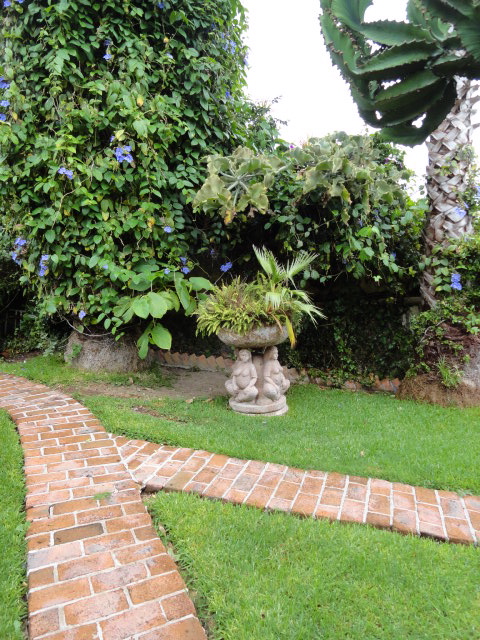
they have reached over my wall to sever the vines
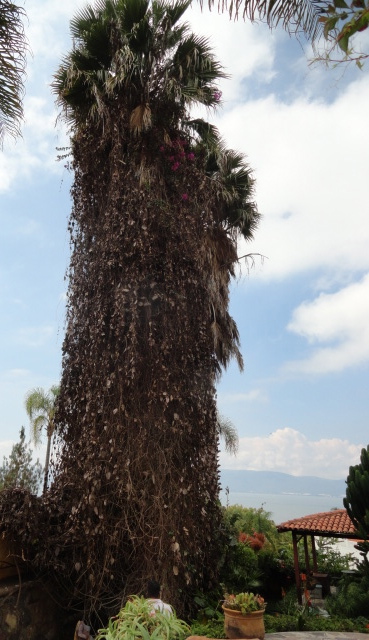
that have covered my tall palms
that abut the wall
that has separated our properties
for thirteen years—
those maroon bougainvillea vines,
stretched ten feet wide
by covering layers of blue thunbergia,
formed a community that housed families
of birds and possums and possibly
a very large but harmless snake.
I saw it cross my patio once,
the dog and I turning our heads toward each other,
exchanging looks of surprise
like characters from a stage play or a comic book,
her so startled and curious that she followed,
nose to the ground, to the brush beside the
wall the snake had vanished into,
but never issued a bark.

At night the palm trees
and their surrounding cloaks
would give mysterious rustlings that
aroused the barking of the dogs
and I’d let them in—the pup to sleep
in the cage that was his security
and my security as well—against chewed
Birkenstocks and ruined Oaxacan rugs
and treats purloined from the little silver
garbage can that held the kitchen scraps
saved for Yolanda’s pigs.

Along with the vines,
the new neighbors cut the main stalk of the bougainvillea
that grew to fifteen feet on my side of the wall
and furnished privacy from the eyes
of those standing on their patio,
ten feet above mine,
so that now their patio looks directly down
on my pool and hot tub and into my bedroom,
their new bright patio light shines all night long
into my world formerly filled
with stars and moonlight and tree rustlings.

The old wall has revealed its cracks and colors
from several past paintings
that were later made unnecessary by its cloak of vines.
Now an ugly wall that  separates  neighbors,
it echoes the now-dead vines that stretch 80 feet up
to the fronds of the palms.
It takes three men three days to cut the refuse of
the dry vines down from the trees,
two truckloads to bear the cuttings away.

The dogs still bark, but the possum and the birds
have gone to some other haven,
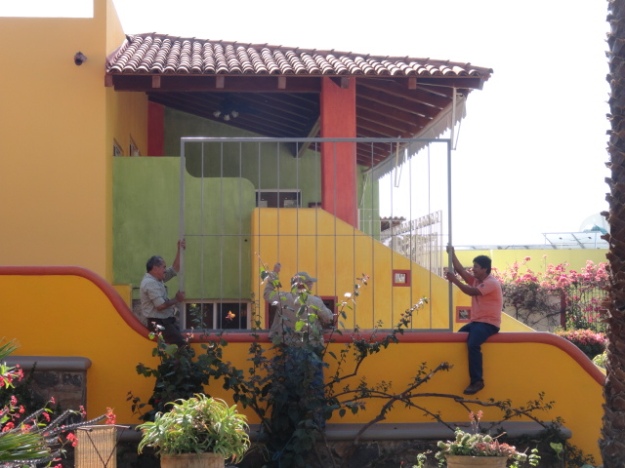
and the men come to erect the metal trellis,
12 feet high, above the top of my low wall.
I hope the bougainvillea will grow
to cover it this rainy season,
building a lovelier wall
between neighbors who still have not met
by their preference, not mine,
causing me to wonder
if I really am as welcome in this country
as I have felt for all these years.
“My neighbors are the same,” my friend tells me.
“They do not really want us here,
and if you think they do,
you are deluding yourself.”

Thirteen years in Mexico. I miss my old neighbors,
best friends who would come to play Mexican Train at 5 minutes notice.
I miss their little yipping dog and the splash of their fountain
that the new neighbors ripped out and threw away
and the bougainvillea that drooped over my wall into their world.
“Scorpions!” the new neighbors decreed, and lopped it off wall-high.
It was a wall more than doubled in its height
by a vine as old as my life in Mexico
that can now be peered over
even from their basement casita.

With old walls gone,
higher walls of misunderstanding
have been constructed.
Each weekend their family streams in from Guadalajara.
Children laugh, adults descend the stairs
to their hot tub down below.
When I greet them, they do not smile.
I have painted the old wall,
now so clearly presented to view,
and I have taken to wearing a swimsuit in my hot tub,
waiting for my new wall to grow higher.

Before detail of tree vine

“Before” detail of tree vine and hedge.

"After" detail of tree vine.

“After” detail of tree vine.

DSC09288

Constructing a higher wall to limit their view into my yard.

DSC09907

Trimming the dead vines after their gardener reached over the wall to cut it’s main trunk.

DSC09878

Detail of my wall with the dead vines stripped away, prepped for repainting.

(Happy Ending: Eight years after writing the poem you have just read, I now have new neighbors, the bougainvillea and thunbergia have grown to cover the new trellis wall, and they love the vines that actually flower more profusely on their side than mine.)

NaPoWriMo Day 3: Unlove Spell

Today’s NaPoWriMo challenge is write a charm – a simple rhyming poem, in the style of a recipe/nursery rhyme. It could be a charm against warts, or against traffic tickets. It could be a charm to bring love, or to bring free pizzas from your local radio station. I’ve decided to give a recipe to dispel the pain of an unfaithful lover.

Unlove Spell

For relief from suffering­­­ and a cure for love,
pluck a feather from a dying dove.
Press the feather in a hemlock crotch,
then fill a cauldron with his favorite scotch.
Wait for dark and stormy weather
to stew the hemlock crotch and feather.
Then add as listed all given below,
stirring steady with flame turned low.
Write your lover’s entire name
over and over and over again,
then shred this page of purple prose
with a thorn you’ve pried from a withered rose.
Add the paper, shred on shred,
recalling what he’s done and said.
Cast in the pot, till your mind is freed,
each slight recalled, each dreadful deed.
Add a patch you’ve torn from his favorite chair
and a single strand of his pubic hair,
wedding pictures of Niagara,
nose trimmers, hair dye and Viagra.
Add his hernia girdle and knee-length socks,
his shoes, his T-shirts and his jocks.
Cut all his pants off at the knees
and add them to his soggy T’s.
Stir the cauldron round and round.
If music’s playing, turn up the sound.
Sing along to the lyrics of
song after song of broken love.
“Don’t come home a cheatin’ with a lovin’ on your mind.”
Let these lyrics fill your thoughts—or others of their kind.
Call his mother on the phone. Say what he’s done to you.
Record her comments, rip out the tape, and add it to the brew.
Call all his girlfriends, all his buddies, everyone on your block,
Tell them that he’s impotent and has a little cock.
Write a note of what you’ve done and tape it to the pot.
Turn off the flame. Walk out the door. Forget the whole damn lot!!!

Letting the Media Replace the Heart

I wrote this on Facebook in response to a friend who thanked me for telling what she called the “true story”:  “I’ve posted some untrue info as well, but then the next day it turned “true” again. We all want to know and yet after awhile it becomes an obsession and we get so caught up in the soundbites that we forget what they are really about. Guess this is our world in microcosm. We need to remember that it all started because we lost two friends. I know there are those much closer to Edward and Nina than I was. I knew her for many years and was in three different writing groups with her where I heard her read her writing, which is sometimes the best way to get to know someone. Edward contacted me to ask if I’d like him to read and comment on my grief book before it went to the printer even though we were just friendly acquaintances. I think it would have been hard for someone even closer to do what I’ve been doing. No one else did and that’s why I have. Somehow, I got caught up in the middle. At any rate, for all of their even closer friends, I hope the hype stops and we turn to more comforting matters. As soon as I have official word from the venue, I’ll post information about the memorial. If you want to do true tribute to Nina, buy her book. That would have made her so happy.”  You can find her book, “The Leprous Veil of Love” on Amazon. She also has stories in a women’s anthology “Agave Marias” which is available in Mexico and online with secondhand book dealers. (This information was requested by someone who read this blog.)

A Special Start to My Day

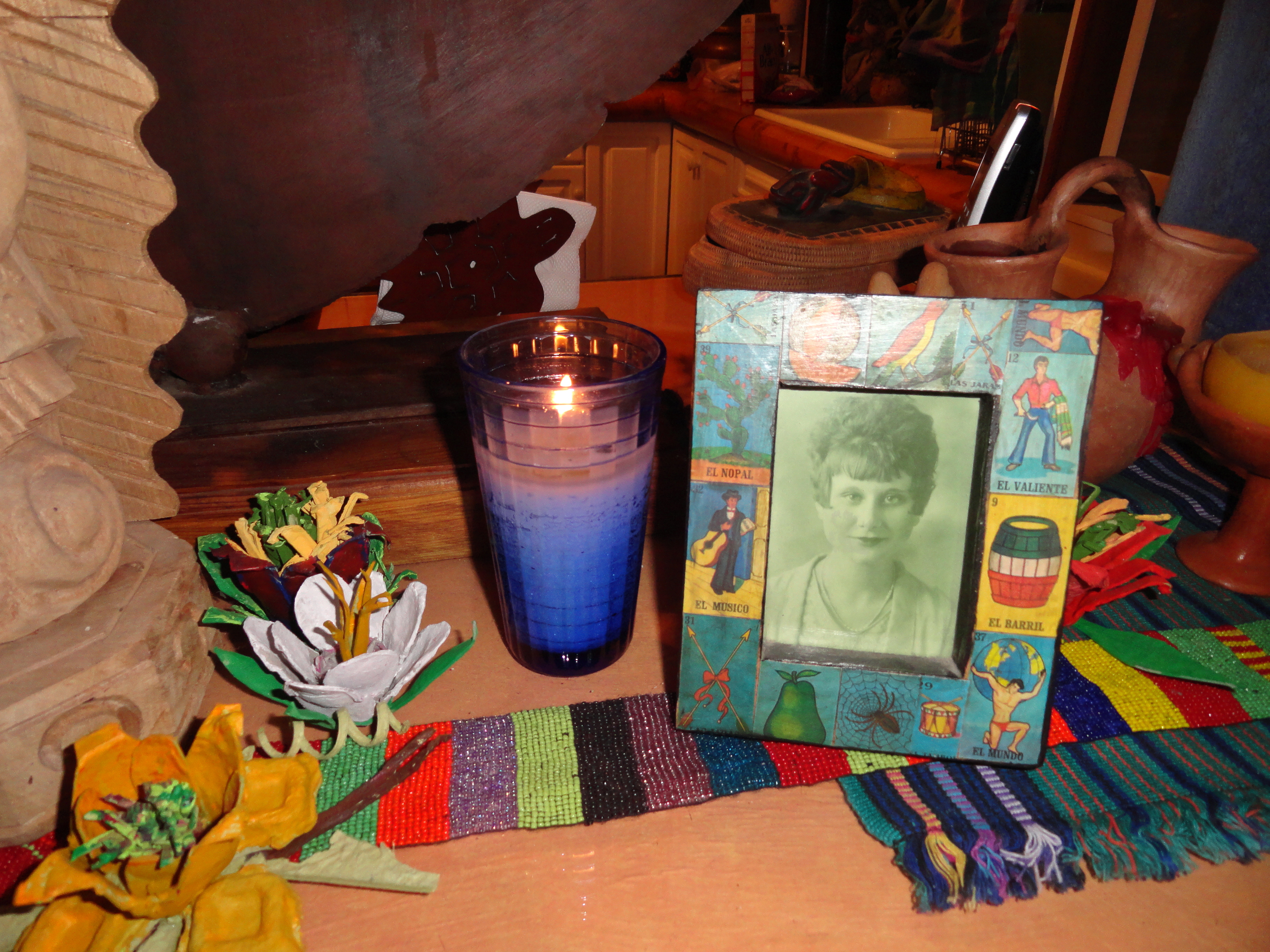
When I came into the kitchen to make our smoothies this morning, I noticed there was a candle burning next to the virgin of Guadalupe statue on the island divider between my kitchen and dining room.  I didn’t say anything about it, but later, Yolanda said, “I lit a candle for your mother today.”  Today is mother’s day in Mexico.  So sweet.  I went and got a pic of my mom to put next to it. This is one of the things I would miss so much if I ever left Mexico.  What would replace this special sweetness in the States?  My life is so enriched by it.

Image

Lassitude, Guilty Pleasures, Solitude and TV in the afternoon!

Am I weak?  Undisciplined?  The minute the NaPoWriMo whip was removed, I sank into lassitude and solitude again and haven’t posted on this blog.  The truth is that I’m absolutely exhausted, both physically and mentally.  The blade of “the book” has been hanging over me for so long that I think now that it is removed that I crave actual retirement for a few days or weeks or months.  Of course, this isn’t possible.  Tony and I are giving a talk about the book tomorrow and have another talk scheduled in June. I have 4 more rhymed children’s books I need to find an illustrator for and I need to promote the “Grief Lessons” book. (If you have any ideas, please share them.)  I have another book I want to get on Kindle and Amazon and although that should be easy as it is already in print, it means combing old computers to find the Word file and actually meeting with Tony to figure out the process by which he put Grief Diary on Amazon.  It takes a very little effort, but I feel laaaaaaazy and have people coming for Mexican Train and pizza tonight and need to get in gear for that soon.  So, I’m going to shirk life’s responsibilities for another few hours and watch episode 13 of “The Americans” and pretend for a few more hours that I am really retired.  Please don’t give up on me.  I like connecting with you all in this way—both those I know and those I will know.  I enjoy seeing who has linked and some day I’ll figure out how to link with you or follow you.  In addition, I will figure out whether those are one and the same thing.  New to blogging, not new to life!

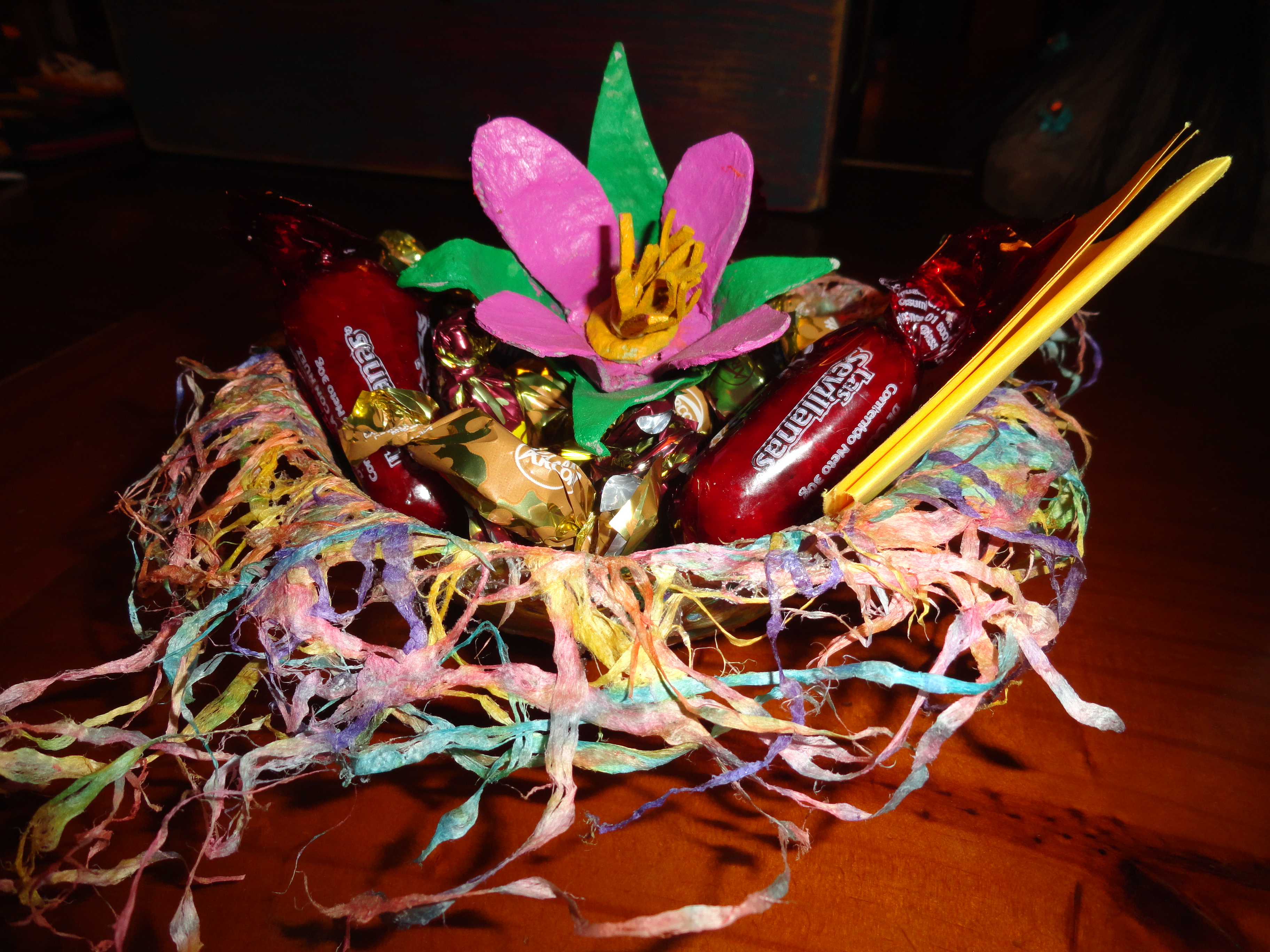
Question of the day:  Did anyone else out there ever make Maybaskets and fill them with candy and leave them on friends’ doorsteps on May 1?  You’d ring the doorbell and run.  If they caught you,Imagethey could pinch you or kiss you.   Pictured is a maybasket I made from shredded Kozo paper.  The flower is made from cardboard egg cartons cut up, glued and painted.  The candy was yummy.  I know because I couldn’t deliver this one on May 1 and ended up eating all the candy and had to go candy shopping again yesterday, when I gave this to my friend.  More secrets revealed!!  oxoxox Judy

Yellow (Day 28 of NaPoWriMo)

Day 28 The prompt today was to write a poem about a color.

Yellow

You were so red, so white.
So much of you was blue.
Yellow is what I missed in you—
that brilliant optimism—
that power of the sun.
There was that black in you
that cancelled it out.
You were the artist who understood color the most.
That color created by the union of yellow and black, you knew.

Your white hair, confined in a pony tail
or streaming down your back
in your wild man look
prompted strangers to ask
if you were a shaman,
or declare you to be one.

That red that flamed out from your work,
subtly put there even in places where it had no
logical purpose for being.
That red tried to make things right.

All of us who knew you
knew the blue.
It was the background color of all of your days.
It was the blanket in which we wrapped ourselves at night,
trying to be close,
but always always divided
by blue.

For fifteen years,
I believed that one day I’d bring you to yellow.
There were splashes of it, surely,
throughout our lives together.
You on the stage, reading your heart,
me in the audience, recognizing
all the colors from within you—even yellow.

Finding the pictures you had taken of me
at the art show, looking at your work—
those pictures taken even before we ever met.
I discovered, after you’d passed,
that you had recognized
me even then, when I thought
I was the only one
angling for a meeting—
sure of my need to know those secret parts of you
that I will never know
now that you have given yourself
to the black
or blue
or red
or even to the white.

Whatever your ever after
has delivered you to.

A new life later,
I am suffused
by my own canvas
of memories of you—
every other pigment
splashed against
a vivid background
of yellow.

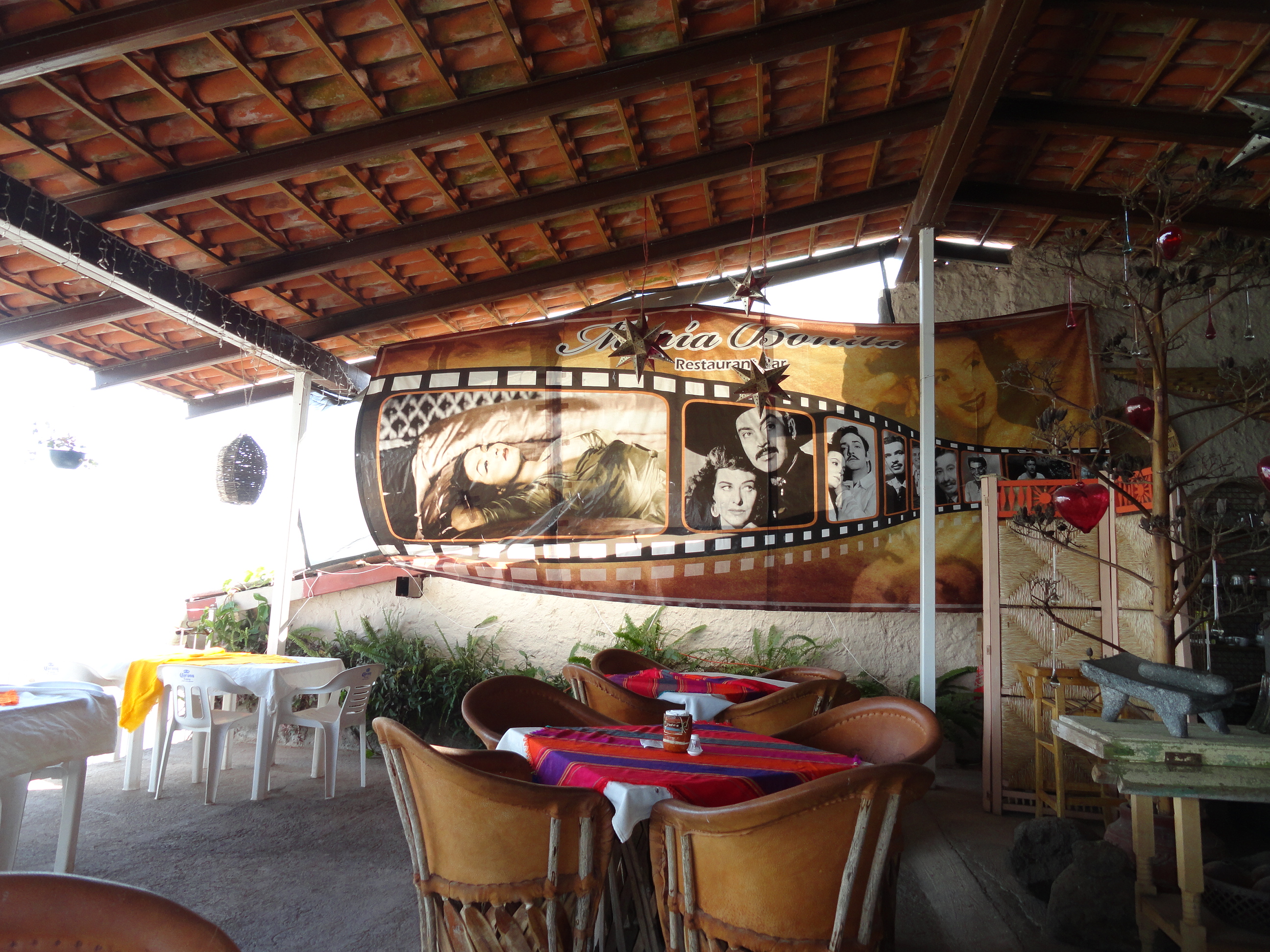
Dining Alone at the Maria Bonita Restaurant Bar (Day 18 of NaPoWriMo)

The Prompt today was to write a poem that begins and ends with the same word.

DSC07819

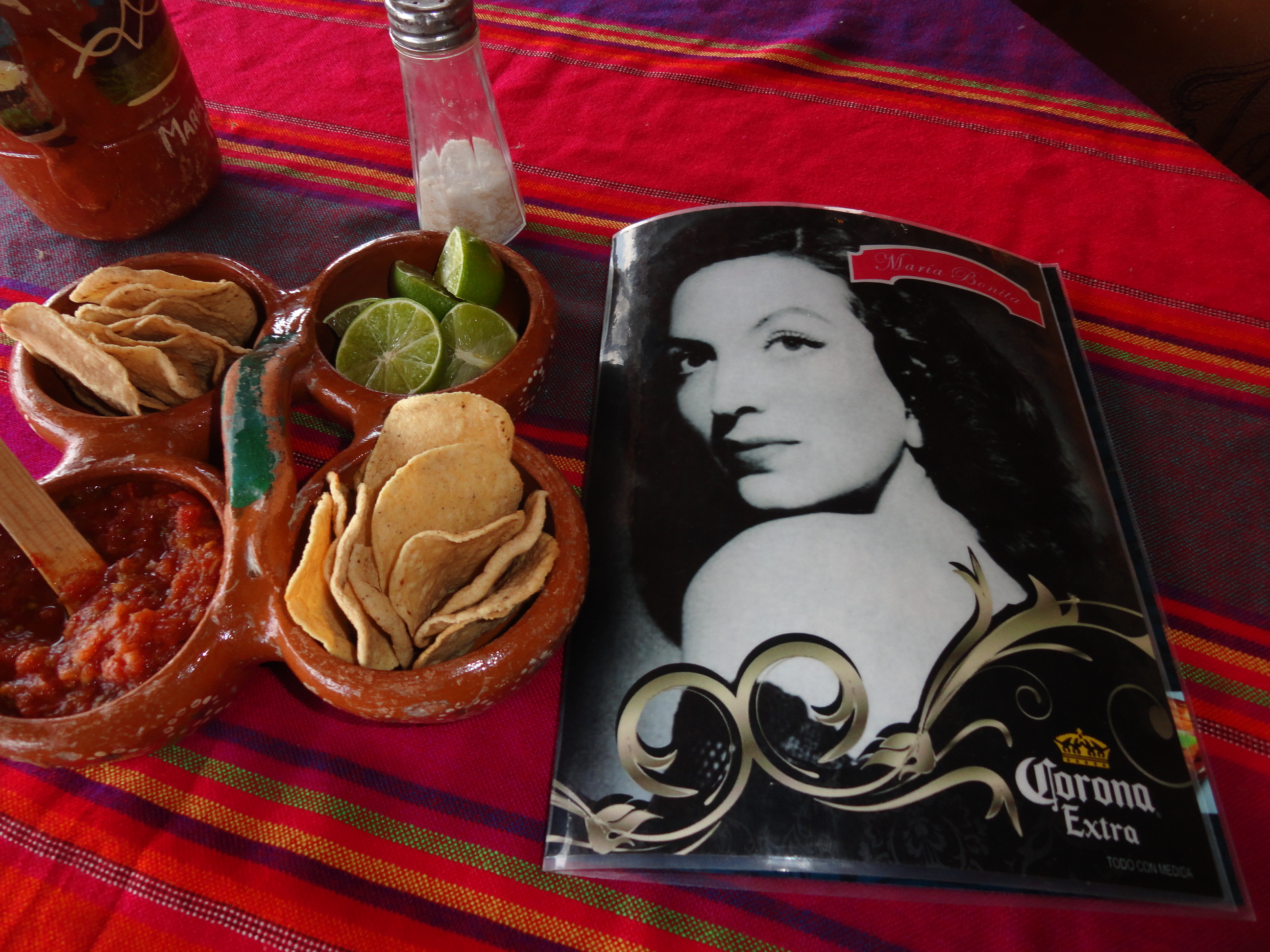
“Dining Alone at the Maria Bonita Restaurant Bar”

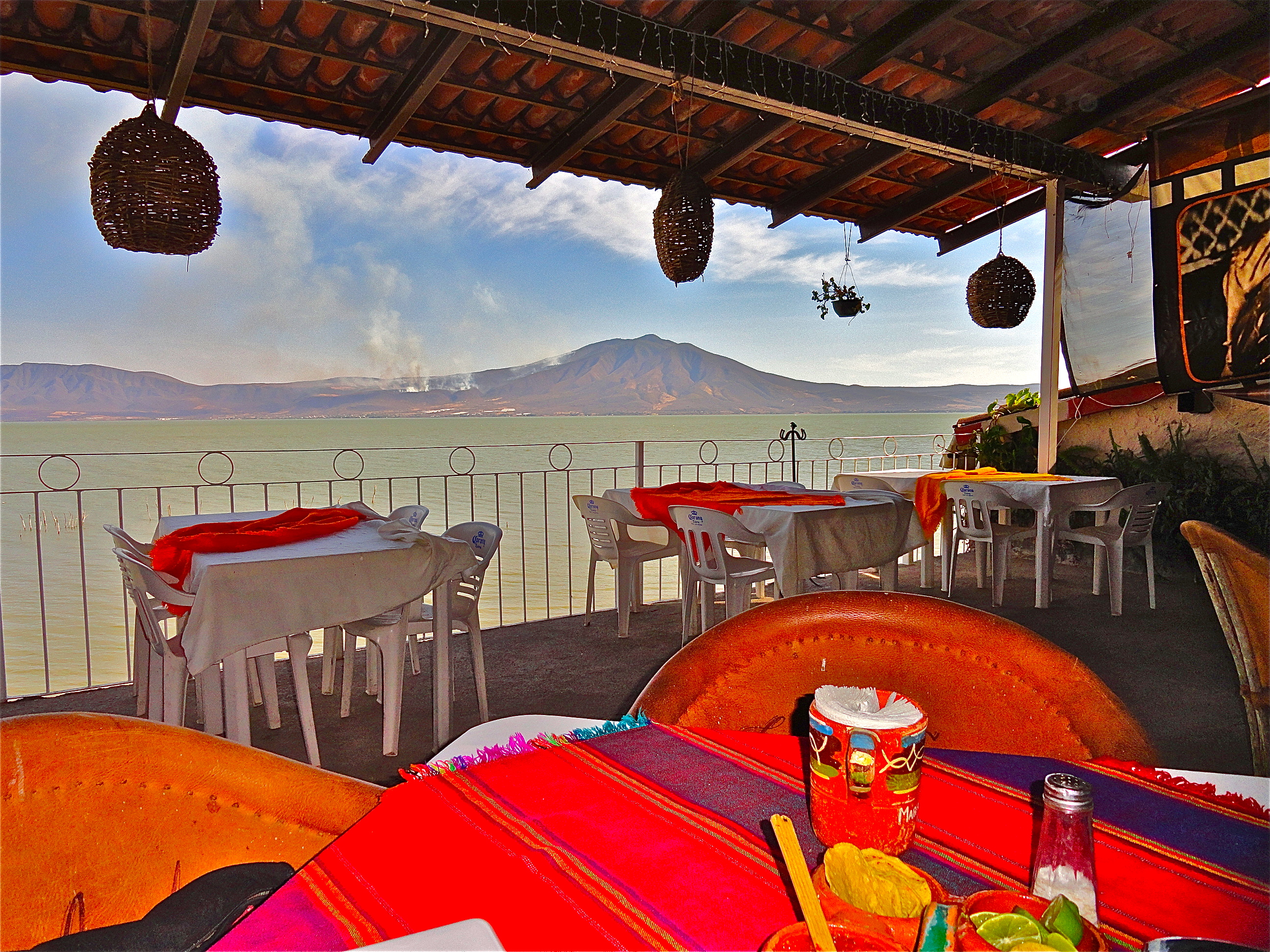
Smoldering.

Señor Garcia is smoking today.
Below him,
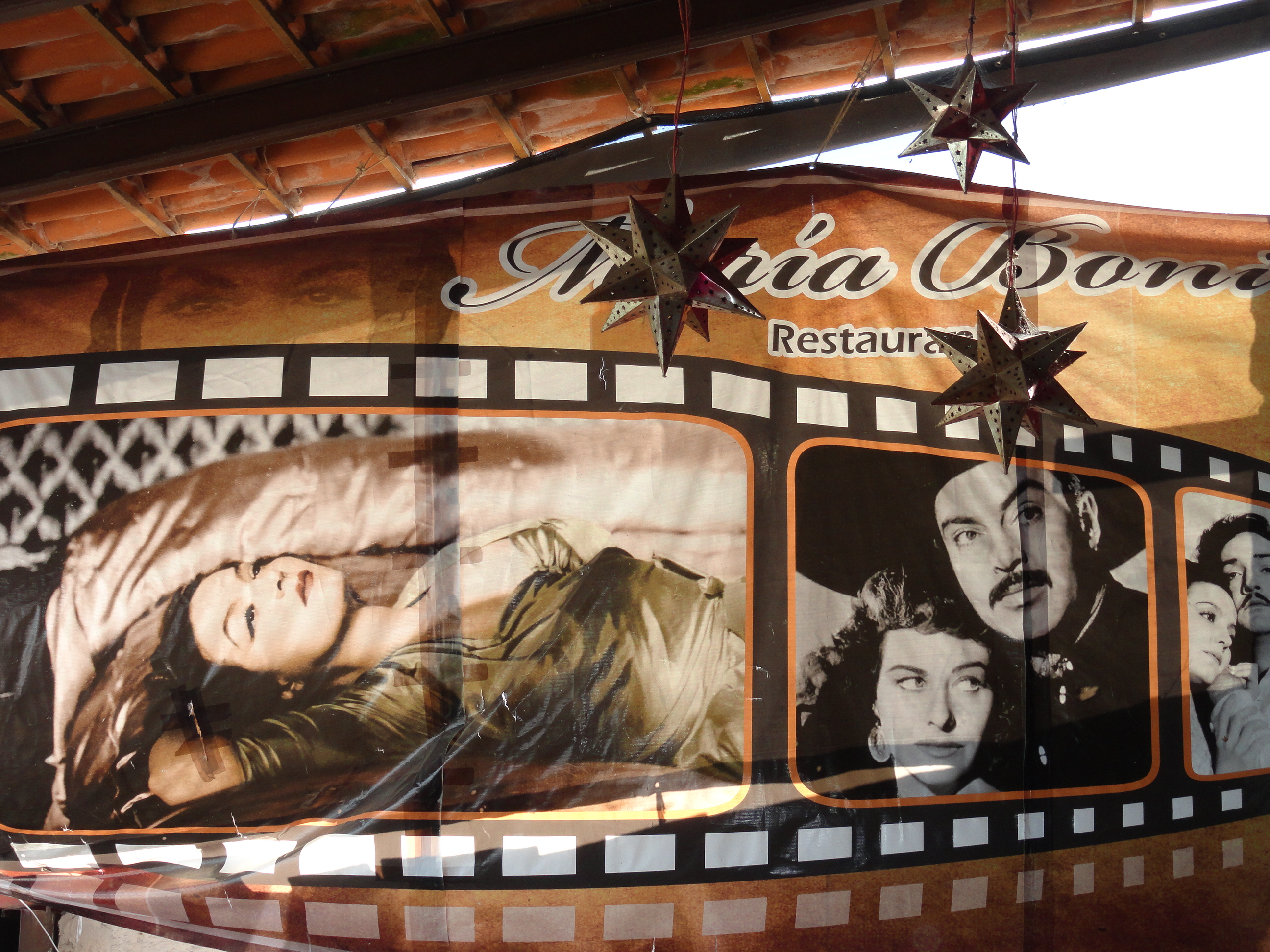
Maria Phoenix lies on satin sheets
on the wall of Maria Bonita Restaurant Bar.

DSC07822

It is a small palapa restaurant––soft orange front with
hot pink trim–– that I’ve driven by hundreds of times before;
and every time, I’ve wanted to come in, but haven’t.
Now today, suddenly,
I don’t want to go home
and so my car turns in across the carretera.

DSC07818

I am the lone customer.
The cook and waiter
spring to action.
Totopos for him to bring,
a fire for her to light.
This is a fish restaurant
and I am a non-fish
eater, choosing between
quesadillas and beans
or a hamburger and fries.
Needless to say, I’m not here for the food.

I am here for the view and the limits
imposed by eating alone in an otherwise empty
restaurant/bar. I have a poem to write
and need the discipline imposed by a place
where there’s nothing else to do.
My only distraction is the view,
which forms the subject of my poem
and so is anything but a distraction.

DSC07823

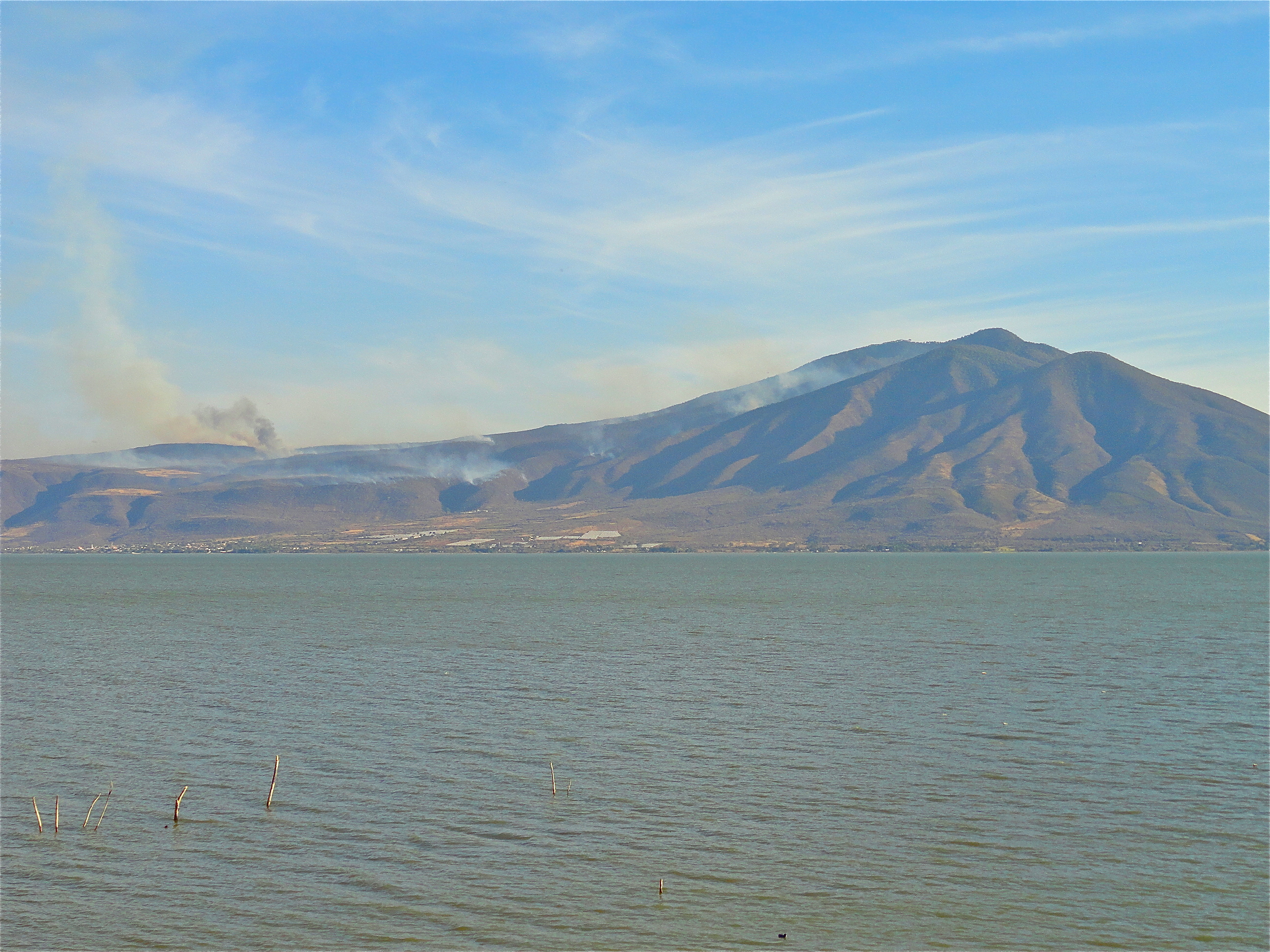
The smoke from a dozen fires
rises into the air from the entire eastern slope
of Mount Garcia across the lake.
Whether by accident or by the hand of farmers
lighting fires to clear last year’s stubble from the fields,
the effect is that this extinct volcano
has somehow come to life,
springing leaks.

Fanned by a recent wind, the smoke grows denser, rises higher.
Below the slopes, a patchwork quilt of strawberry and raspberry
fields, covered with plastic sheets,
spawn fruit for the tables of El Norte.

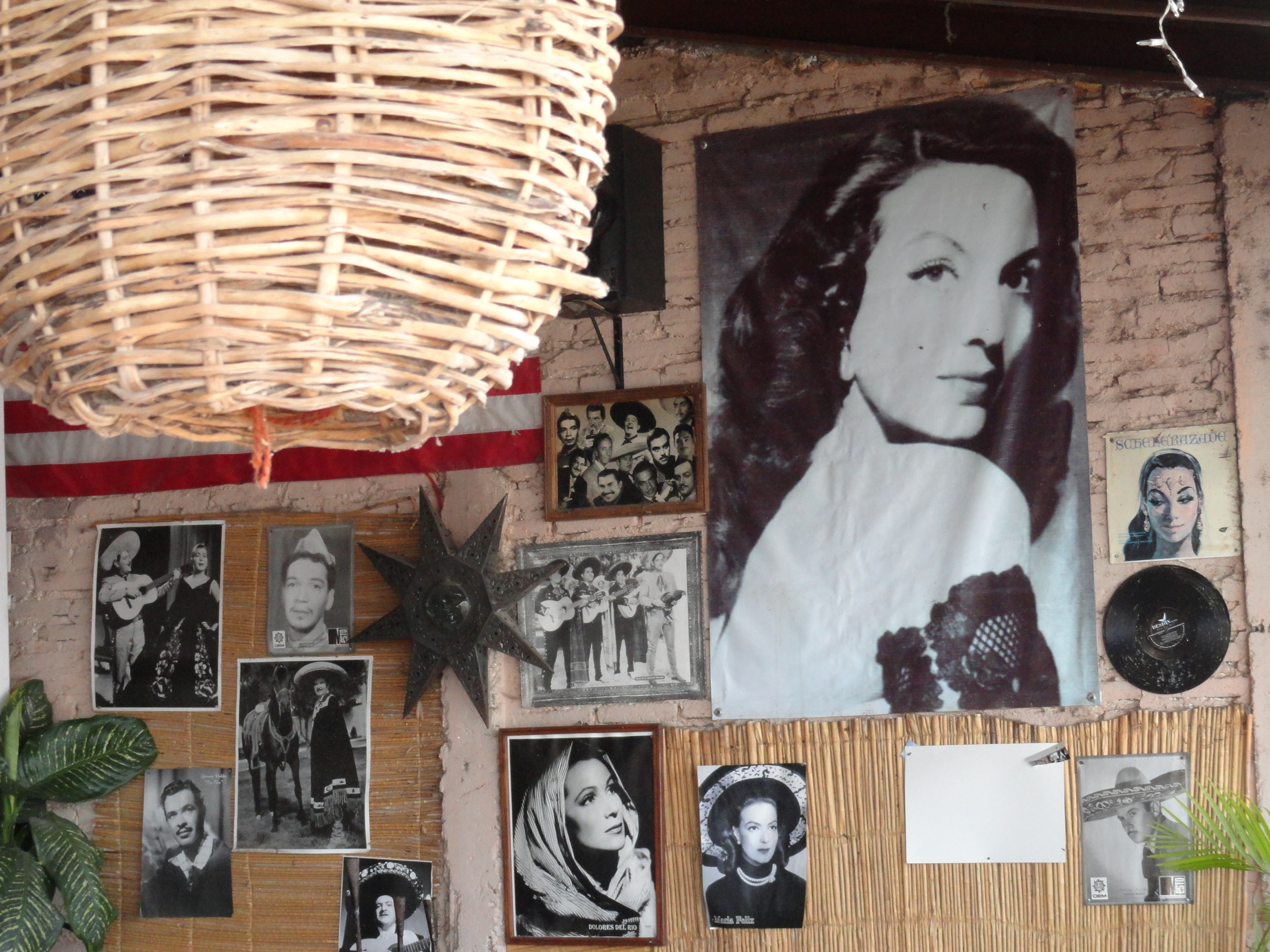
Maria, that other smoldering beauty, lies suspended all around me––
long canvas banners reflecting her screen loves and her roles.
She looks over one shoulder, wears a rebozo or a mariachi’s sombrero.
Cantinflas, that beloved clown, shares her wall but is never in a shot with her.
They are opposites: the sexual symbol and the comic. One raises tension
and the other seeks to dispel it.

Maria Phoenix

I am in between, a mere observer, I know.
In every case it’s likely that the fire has been lit by means unnatural,
but nonetheless, it ignites my imagination.
I am surrounded by it.
“Blue Bayou” plays on the sound system.
Sleepy eyes.
My eyes sting from the smoke
that has filtered toward me
from eight miles or so across the lake.
The tears in my eyes are from the smoke,
not from memories of the departed one
I used to come with to these fish restaurants.

They are not the place for gringos.
Word is out about the sanitation
or where the fish comes from
or who might be encountered here.
A few restaurants down, there was a cartel killing
just about a year ago––perhaps more, perhaps less.
At any rate, Americanos and Canadians are rarely found here.

Today, no one else is found here.
“There’s no exception to the rule”
plays on the sound system.
“Everybody plays the fool.”
Feeling a stranger in the place where I live
is a feeling pleasurable to me––
an emotion I do not feel foolish for pursuing.

The waiter, as though I’m a repeat customer,
brings an entire bucket of ice
and fills my glass each time he passes.
They have my brand of rum.

DSC07821

I have always known this place could be my place.
The pleasure of knowing it to be so warms me
as much as the second jigger of rum.
Shall he pour it for me? Do I want it all?
Just half, I tell him, and fill the glass with Coke.
I like it weaker, so I can spread it out.
Like the fire.

Smoldering.

“Escape” Day 16 of NaPoWriMo

NaPoWriMo Day 16 Prompt: Write a “translation” of a poem written in a language you don’t actually know . . . (and try not to peek too much at the translation). Now, use the sound and shape of the words and lines to guide you, without worrying too much about whether your translation makes sense. (In my case, I didn’t look at all at the translation until after I’d written my poem. I wrote a translation of each line according to my intuition, then edited, trying to stay close to the original thread of the idea. My original was in Italian—a language I do not know.) Since I speak a bit of Spanish, there were three or four words whose meaning I could guess at, even though most of these guesses were found to be incorrect; nonetheless, they sped me on my way. I love getting to the part of my mind where something other than myself guides me, even though I hold the reins all the way–especially during the editing.

The poem I chose:

SPIAGGIA SETTEMBRE DEL ’64,  by Gabriele Frasca  (Link to that poem and its translation.)

The poem I wrote:

ESCAPE

Your life catches in its static house.
Nothing but the lightest footfall betrays its presence.
The door to the greatest house of all, the ocean’s edge,
tempts you to leave yourself and enter.
This echo of the ocean is the dove in you
that carries the message that you want to fly.
Motionless dove, I want to ride on your back
to the crack of sunrise—to its flower.
Forget your lone compulsions.
Leave your comfort.
Desert the logic that has frozen you.
If you could let this sick time pass,
you might grow less diverted as your distance from it grows.
Time’s ricochet might drive you to the canyon’s rim,
revealing to you that you no longer want to fall.
The stress of guilt slows down and if you choose to let it, falls behind.
Time will devour your past no matter how grand its scale––
revoke the sentence and set the guilty free.
You will pass and repass it on your round journey,
until your father, his wife, and your recalcitrance
finally wear away.

April 16, 2013, Judy Dykstra-Brown

It’s finished! Please join Tony and Judy for their book launch

3-5 p.m., Tuesday, April 23, 2013

Viva Mexico Restaurant

San Juan Cosala

It is a block and a half west of the plaza on Porfirio Diaz street, the street that runs below the plaza. If you turn left off the carretera on one of the streets that runs by the front or the back side of the church and take the first right, you will be on the street that runs along the lower side of the plaza—the side closest to the lake.  Go a block and a half and look for the building on the right with the portraits of hundreds of happy customers interspersed with other townspeople.  That’s Viva Mexico!!!!