Tag Archives: dad

Predisposed to Erudition


Predisposed to Erudition

Central to dad’s disposition
was his need for exposition.
Topics such as  soil condition,
family stories, nuclear fission,
required a bit of erudition.
And every tale’s newest edition
had its own unique rendition.


Today’s prompt word was disposition. Here is the link:
https://onedailyprompt.wordpress.com/2019/05/09/your-daily-word-prompt-disposition-may-9-2019/

Career Guy

IMG_3606

Career Guy

By the time that he gets home at night, his wife is muttering,
but he’s too busy for analysis. Therapy’s not his “thing.”
She says they must examine whether they should part.
He says business takes precedence over affairs of heart.
Even when he’s finally home, his attention’s rarely won
by all her little anecdotes of what the kids have done
at school and right here at home. She tries to draw him in,
but still his mind’s not with her. He’s intent on where he’s been.

This goes on for years and years until one day he finds
when he gets home at nine o’clock, that she has drawn the blinds.
And when his key turns in the lock, there’s no one there to greet him—
no friendly cooking odors or kids are there to meet him.
Nobody in the bedrooms. Nobody in the hall.
When he enters the kitchen, nobody there at all.
He tries to think what day it is, but he doesn’t know.
Could it be a Friday night? Could they be at the show?

He searches for a note that says where everyone may be,
but his intensive searching ends in futility.
No toys are scattered on the floor. Their closets are all bare.
No TV noise is blaring. No footsteps on the stair.
His briefcase on the table has papers sticking out.
He has a lot of work to do. Of this there is no doubt.
And since it’s not his nature this paperwork to shirk,
he mixes a martini and settles down to work.

Of course his business flourishes once there are no distractions.
He need not fill his home life with discussions and reactions.
He has gained three hours or more to work thus unencumbered.
Frozen dinners and new contracts filled his life until he slumbered.
He saw their pictures on the fridge when mixing a libation,
and once a year he saw them when they were on vacation.
He walked his daughter down the aisle the day that she was married,
trying to fulfill his role, though he was slightly harried

over the Dixon contract, yet he sat worry aside
just long enough to witness as she became a bride.
Later there were grandkids and other celebrations.
He sent his warmest wishes and his congratulations.
He always paid the child support on time with no exceptions.
He made a show at baby showers and birthdays and receptions.
But he never really showed them his affection much until
he finally revealed it, much later, in his will!!!


Prompt for today are busy, anecdote and examine. Here are the links:
https://ragtagcommunity.wordpress.com/2019/04/17/rdp-wednesday-busy/
https://fivedotoh.com/2019/04/17/fowc-with-fandango-anecdote/
https://onedailyprompt.wordpress.com/2019/04/17/your-daily-word-prompt-examine-april-17-2019/

Shelter: NaPoWriMo 2019, Day 10


Shelter

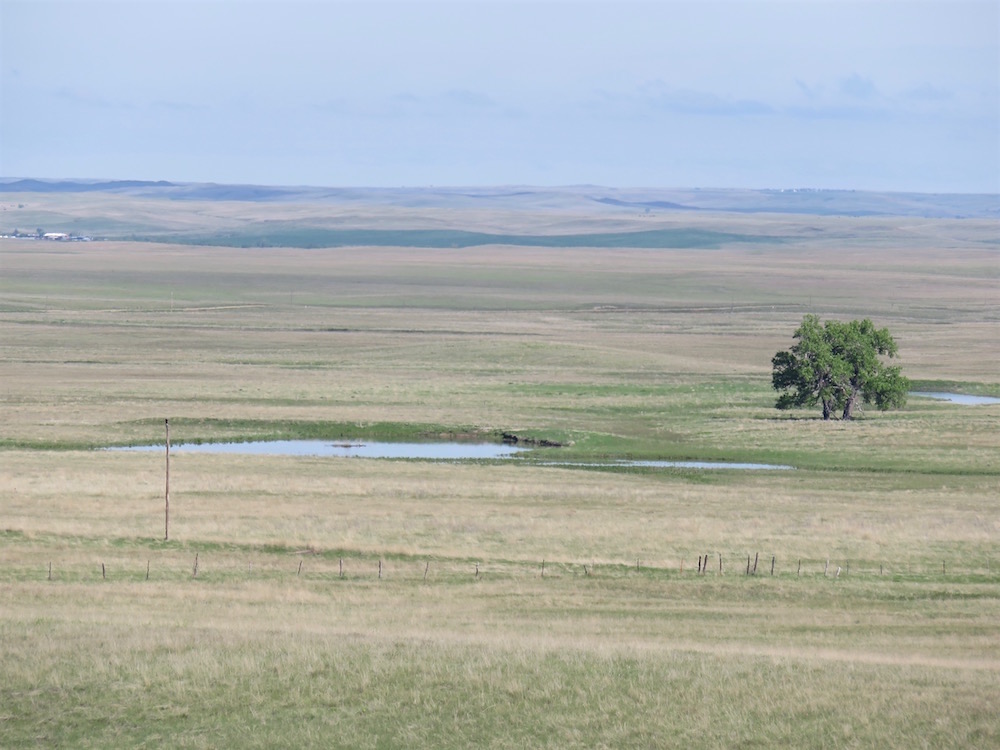
On the prairies of Dakota, 
weather often came with exclamation marks.
My father’s forehead was ringed like an old tree,
white from above his eyebrows to his fast-retreating hairline,
from his hat pulled low to guard from every vagary of weather.
“It’s hot as the hubs of Hell!” he’d exclaim as he sank into his chair at noon,
sweeping his hat from his head to mop his brow.
A nap after lunch, then Mack’s Cafe for coffee with his friends,
then back to work in the field until dark, some days.

Those long Julys, we kids strung tents across the clothes lines in the back yard
or lazed under cherry trees,
no labors more strenuous than wiping the dishes
or dusting the bookshelves in the living room.
Books were our pleasure during those long hot summers:
our mother on the divan, my sisters and I on beds in dormered rooms
with windows open to catch infrequent breezes,
or deep beneath the veils of the weeping willow tree.

“Cold as a witch’s teat in January!” was as close to swearing 
as I ever heard my dad get, November through March, stomping the snow off rubber
overboots in the garage, tracking snow from his cuffs through the mudroom/laundry.
Cold curled like Medusa’s ringlets off his body. We learned to avoid his hands,
red with winter, nearly frozen inside his buckskin gloves.
His broad-brimmed hat, steaming near the fireplace
as we gathered around the big formica table in the dining room.
Huge beef roasts from our own cattle, mashed potatoes and green beans.
Always a lettuce salad and dessert. The noon meal was “dinner”—main meal of the day.
Necessary for a farmer/rancher who had a full day’s work still ahead of him.

Our weather was announced by our father
with more color than the radio weather report.

Spring was declared by his, “Raining cats and dogs out there!” 
We knew, of course, from rain drumming on the roof as we sat, deep in closets,
creating paper doll worlds out of Kleenex boxes for beds and sardine cans for coffee tables, rolled washcloth chairs and jewelry box sofas. 

Only afterwards, now, have I really thought about how we were protected
from the vagaries of weather as from so much else.
A mad dash across the street to school was the extent of it,
or short trip from car to church or store or school auditorium.
It was a though my father bore the brunt of all of it, facing it
for us, easing our way. It was his job.
As my mother’s job was three hot meals a day, a clean house, afternoons spent
over a steaming mangle, ironing sheets and pants and arms and bodices of blouses.
After school, one or the other of us girls at ironing board, pressing the cuffs and collars.

We were sheltered, all of us,
from those extremes of that land I didn’t even know was harsh
until years later, living in milder climates:
Australia, California and Mexico.
Our lives, seen in retrospect,
as though for the first time, clearly.
Remembering the poetry
of how a man who really lived in it
gave us hints of its reality.

The NaPoWriMo prompt is to write a poem making use of a regional phrase describing the weather.

Family Vacation


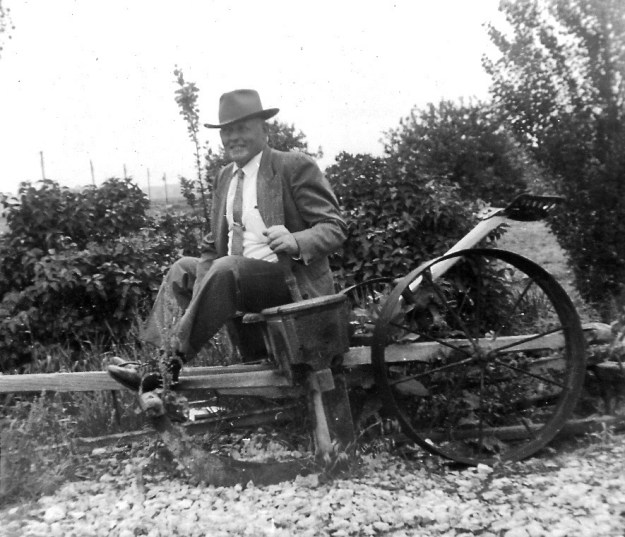
Version 6My dad in a slower mode of conveyance.

Family Vacation

My father on vacation was robotic in his thrust.
His modus operandi was to get there or to bust—
another hundred miles or so before we stopped to sup,
and we rarely got a room before the moon was up!

When he hit the highway, he became another man.

No mere roadside attraction could deflect his driving plan.
In those days of two-lane traffic and a speed limit of fifty,
he thought five hundred miles a day sounded rather nifty.

Fathers prone to threaten, who hit and rage and cuss

are, I fear, too often too ubiquitous.
But this was not my father. Rage was not his style.
He simply had addictions to mile after mile!

My dad was generous and fun. He told a story well,
but to take a trip with him was nothing short of Hell.
 His proclivity to “get there,” I fear was never curable,
and so family vacations were just barely endurable!


Version 2
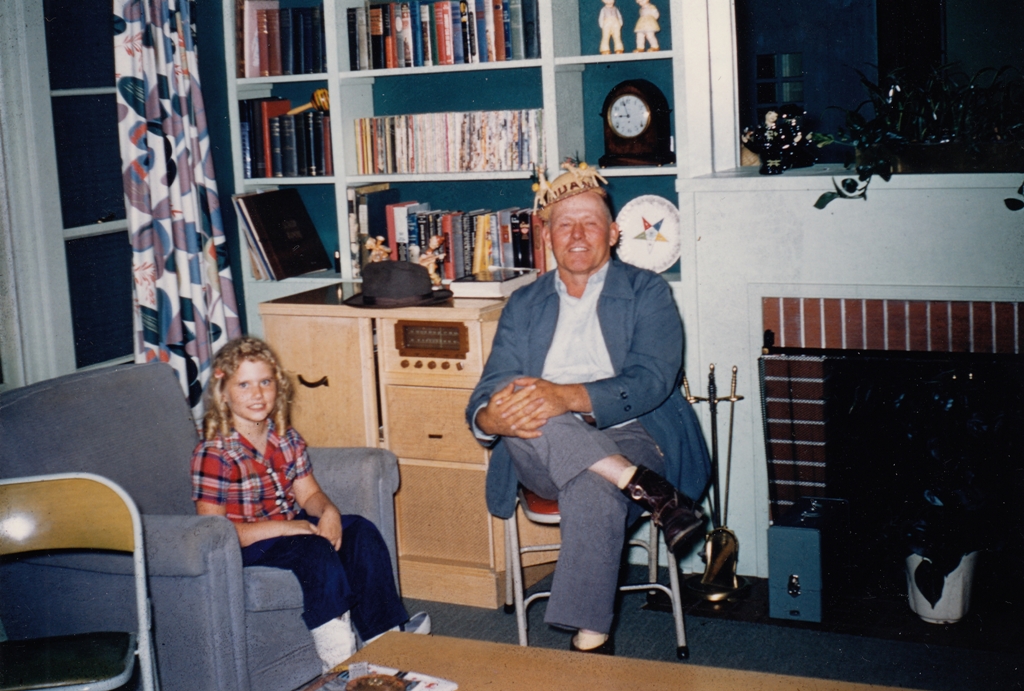
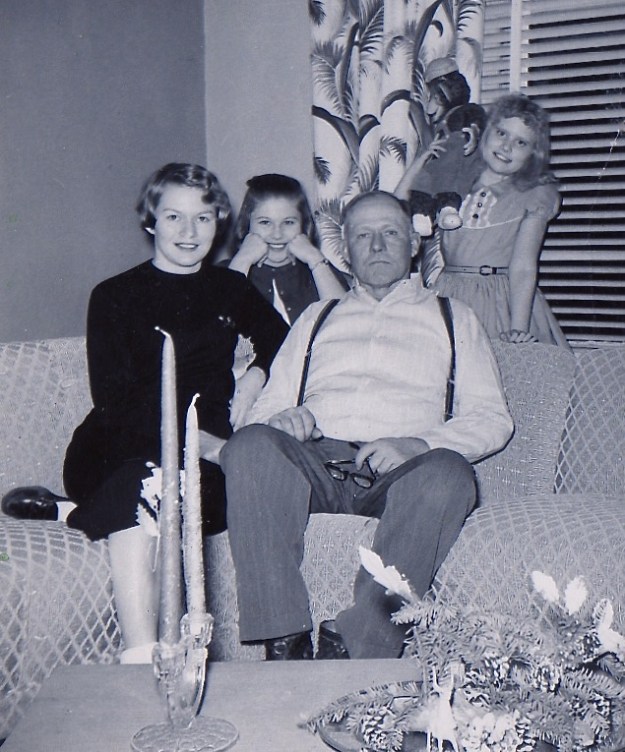
My sisters and I with my dad.  He didn’t usually look this grim!

The prompt words today are highway, durable, robot and ubiquitous. Here are the links:

https://fivedotoh.com/2018/09/01/fowc-with-fandango-highway/

https://dailyaddictions542855004.wordpress.com/2018/08/26/daily-addictions-2018-week-34/durable

https://ragtagcommunity.wordpress.com/2018/09/01/rdp-saturday-robot/

https://wordofthedaychallenge.wordpress.com/2018/09/01/ubiquitous/

Fact and Fiction


Various photos of my Mom, Dad, sisters and me. (Poem follows)

Fact and Fiction

If I had met my parents when we all were sixty-seven,
(before she went on oxygen, before he went to heaven,)
would we have liked each other and found something to say?
As strangers, would we walk on by or pass the time of day?

My father liked to be the one spinning out the tale.
Beside his abundant stories, I think most of mine would pale.
He wasn’t a joke-teller or a purveyor of fictions.
It was true stories of his life that fueled his depictions.

And when his friends had heard them all, he’d tell them all again.
Though they stretched with every telling, still his tales never grew thin.
If fifteen wolves pursued him—a number that is plenty,
the next time that he told the tale, I’ll wager there’d be twenty!

When I returned from Africa with stories of my own,
I found that they weren’t good enough, for all of them had grown
with all my dad’s retellings, so the rhino I had snapped
a photo of, now chased me. (In reality, it napped.)

I think perhaps my mother would like my poems the best.
She’d like the rhyme and meter, the humor and the jest.
For I learned all of it from her when I was very small,
as she was doing rhyming before I learned to crawl.

I grew up with her diaries—all of them in rhyme.
She had them in a notebook and we read them all the time.
The tales of her friend Gussie, who wasn’t allowed beaus;
so they said they went to Bible study, though it was a pose.

Gussie’s mother baked two pies, (for coffee hour, they said.)
Her father said he’d pick them up. They said they’d walk instead.
They took one of her mother’s pies to those within the church,
then took the other with them as they left them in the lurch!

Their beaus were waiting for them in a car with motor running.
Instead of Bible reading, they preferred to do some funning.
To abscond with both the pies was something that they had debated,
but in the end they left one pie–an action that they hated.

Two sisters present were their foes. They were so prim and proper.
To steal one pie was lie enough—but two would be a whopper!
Mom’s entry in her journal is one I can still tell.
(Don’t know why it’s the only one that I remember well.)

Line for line, here’s what she said in metered verse and rhyme,
though it’s been sixty years since I heard it for the first time:
“We left that crowd of greedy Dirks to feast upon our pies.
We were so mad, like Gussie’s Dad—had pitchforks in our eyes!”

My mother burned this journal when I was just a kid.
I wish she hadn’t done so, but alas, it’s true, she did.
Perhaps she didn’t want to see us following her ways.
Instead of what she did, better to follow what she says.

But I am sure if she still lived we’d have a little fun,
sitting down together when every day was done
and writing all our exploits down, relaying all our slips—
saving for posterity the words that pass our lips.

And in the meantime, Dad would tell as long as he was able,
all those stories that he’s told at table after table.
In coffee shops and golf courses, at parties or a dance,
he would go on telling them, whenever there’s a chance.

And if we all were strangers, and none of us were kids,
we could relate our stories without putting on the skids.
Each would outdo the other as we passed around the bend,
with story after story till we all came to The End!!!

Rogershipp’s prompt word for today is: Abundant

Dakota Dirt


Dakota Dirt

My father toiled for fifty years,
facing the worries and the fears—
the gambles that a farmer faced
when all his future he had placed
as seeds beneath Dakota dirt.
Every year, he risked the shirt
right off his back. With faith, he’d bury
his whole future in that prairie.
Sticky gumbo, that fine-grained silt
upon which his whole life was built.
Then, closer to our summer home,
near the river, in sand and loam,
he hoped he could prepare for ours:
our clothes, our college, and first cars.

Then came those years that brought the change
that altered fields and crops and range.
The rain that formerly turned to rust
plows left untended, turned to dust
that, caught up in the wind’s mad thrust
caused many a farmer to go bust
as a whole nation mourned and cussed
black clouds of dirt that broke the trust
that nature would provide for all.
What formerly fed, now brought their fall.

It broke the men who couldn’t wait
for the drought years to abate,
but my father kept his faith in soil.
Found other paying forms of toil
building dams to catch what rain
might later fall on that dry plain.
And though others thought his prospects poor,
he kept his land and bought some more.
He learned to vary furrow line,
believing it would turn out fine.

So when good fortune returned again,
bringing with it snow and rain,
he welcomed and was ready for it.
That April it began to pour, it
filled his dams and nourished what
soil remained. He filled each rut
with clover, alfalfa and wheat.
Allowed the summer sun to beat
and change them into fields of gold—
into grain and feed he sold.

Bought cattle. Planted winter wheat.
Once more secure on his two feet,
expanded and as he had planned,
bought more cattle and more land.
Some said that he had just exploited
those whose land he’d reconnoitered
and purchased after they’d given up,
empty hands transformed to cup.
He was a hero unsung, unknown,
until long after when I was grown.

At the centennial of our town,
I learned a bit of his renown
when others told to me how he
shared nature’s generosity.
He sent three daughters to university,
then shared with his community 
to build a church and give more knowledge
to those young men he sent to college.
Then made loans without fame or thanks
to other farmers denied by banks.

I’d always known how rich my life
was made by all his toil and strife—
the insurance he gave his family
that enabled us all to be free.
But, aside from daughters, wife and mother,
I’d never know of every other
soul he’d helped  to prosperous ends:
neighboring ranchers, sons of friends.
Could my father have known he’d also planned
all these other futures when he bought the land?


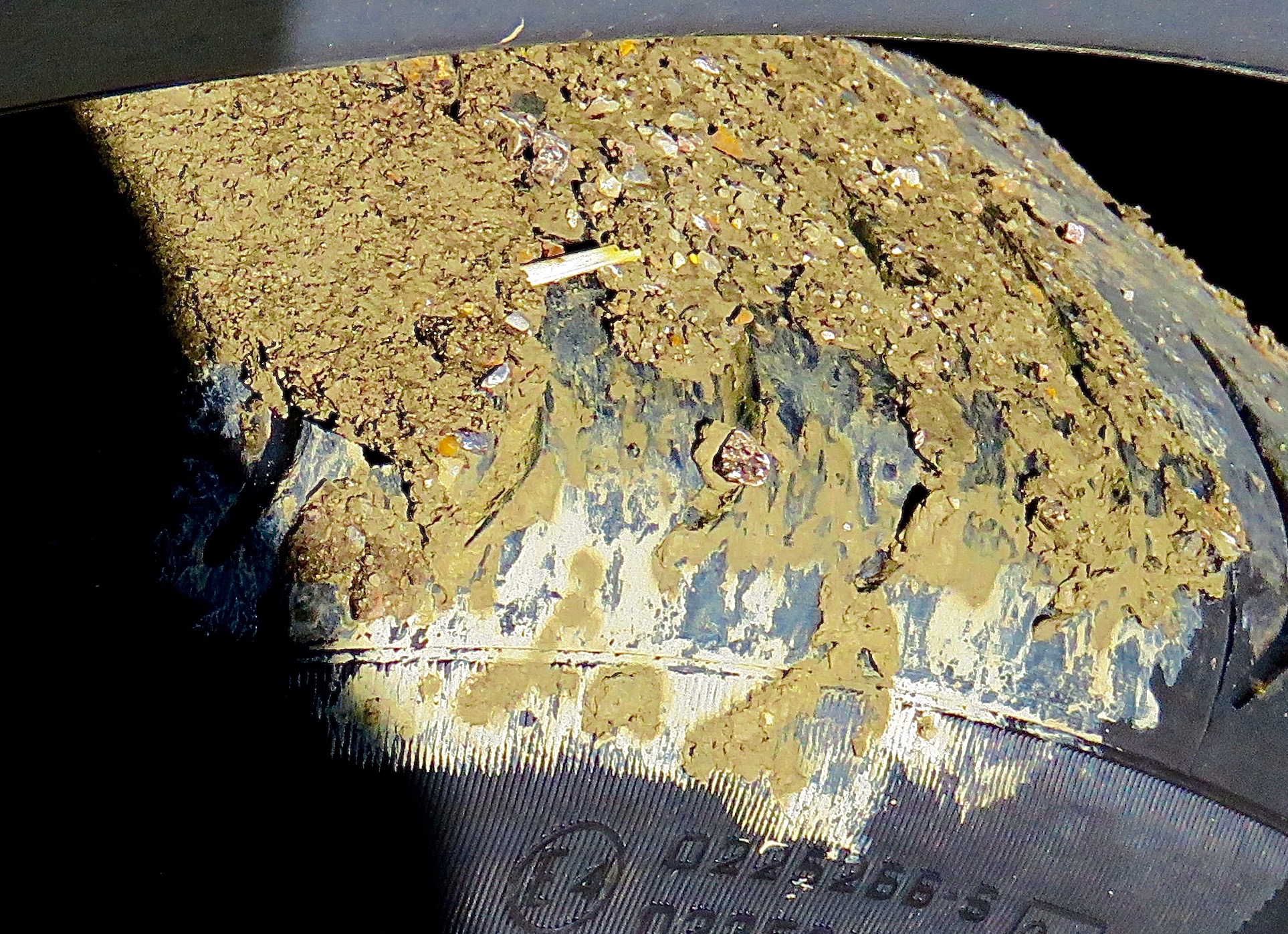
This rich Jones County gumbo on the treads of my tire at one of our all-town reunions a few years ago is what sent me to college!

Not enough dirt for you?  Check out this story: https://judydykstrabrown.com/2015/01/26/south-dakota-gumbo/

The prompt today was soil.

Planting Seeds: NaPoWriMo 2017, Day 22

Planting Seeds

My father planted row on row,
straight furrows where the wheat would grow
nourished by the winter snow.

He knew the how of planting, and when.
He’d watch for all the signs and then
plant his yearly crops again.

Though farming’s in my family tree,
the seeds I plant are furrow-free.
I scatter seeds, then let them be.

Fanned out by an erratic hand,
they grow wherever they may land,
or thirst and wither where they stand.

If planting were a matter of need––
if I’d a family to feed,
of course, I’d plow and water and weed.

But as it is, the mystery
of what might grow means more to me
than the science of agronomy.

And though he worked from dawn to dark,
Dad’s life was anything but stark.
He paused to watch the meadowlark

and trace its flight from post to limb.
He watched the clouds catch light, then dim––
and a single drop course down one stem.


The NaPoWriMo prompt today had to do with planting a garden.

Wish List of a Youngest Daughter


Wish List of a Youngest Daughter

Off and on, I’ve been wishing
my dad and I could go fishing.
I guess my sister could go along
so long as she does nothing wrong
like catch a fish bigger than mine
or tease or hum or brag or whine.

Perhaps she’ll sit back in the bed
and not up in the cab instead,
so Dad and I can be alone—
the truck a sort of “private zone.”
He’ll hit the bumps real hard so she
will wish she was in front with me.

Just like I always pray and pray
her friends and she will let me stay
with them, when they come for the night
and play without me, door shut tight.
Marvelous fun had down the hall,
but not with me.  I am too small.

That’s why, when Dad tells me a joke,
I’ll laugh real loud until I choke;
and my sister, sitting there behind
might feel left out, but I don’t mind.
And when we get to where we’re going,
to the stock dam, cattle lowing,

Dad will bait my hook for me
and sister, too, and then we’ll see
who will catch the biggest fish.
I guess it’s obvious that my wish
is that I’ll catch the biggest one,
and sister will go home with none!

The prompt today is “Fishing.”

Jump

When he wasn't ranching or farming or drinking coffee in Mack's Cafe, this is where my father could normally be found.

When he wasn’t ranching or farming or drinking coffee in Mack’s Cafe, this is where my father could normally be found. When he died, the only thing my young nephew wanted of his was these disreputable boots, which my nephew wore until the soles flapped. They are the only pair of work boots I ever remember my father wearing–wrinkled into creases by repeated wettings and dryings and pullings off and on.

Jump

Once the grass had grown waist-high,
some summer nights, my dad and I
accompanied by the shake and rattle
of his old truck, would go watch cattle.
In the twilight, barely light,
but not yet turning into night,
he’d drive the pickup over bumps
of gravel, rocks, and grassy clumps,
over dam grades, then he’d wait
as I opened each new gate,
and stretched the wire to wedge it closed,
as the cattle slowly nosed
nearer to see who we were,
curious and curiouser.

We’d park upon some grassy spot
where a herd of cattle was not,
open the doors to catch a breeze,
and I’d tell stories, and dad would tease
until at last the cattle came,
and dad would tell me each one’s name:
Bessie, Hazel, Hortense, Stella,
Annie, Rama, Bonnie, Bella.
Razzle-dazzle, Jumpin’ Jane.
Each new name grew more inane.
Yet I believed he knew them all,
and as they gathered, they formed a wall
that grew closer every minute
to that pickup with us in it.

Finally, with darkness falling,
and the night birds gently calling,
with cows so near they almost touched
the fender of the truck, Dad clutched
the light knob and then pulled it back
as the cows––the whole bunched pack
jumped back en masse with startled eyes
due to the headlights’ rude surprise.
Then he’d flick them off again,
with a chuckle and devilish grin.
As the cattle edged up once more—
the whole herd, curious to the core—
again, my dad would stage his fun.
Again, they’d jump back, every one.

He might do this three times or four,
then leave the lights on, close his door,
and gun the engine to drive on home
as stars lit up the heavenly dome
that cupped the prairie like a hand,
leaving the cattle to low and stand
empty in the summer nights
to reminisce about those lights—
miraculous to their curious eyes.
Each time a wondrous surprise.

Life was simpler way back then
and magical those evenings when
after his long day’s work was done,
laboring in the dust and sun,
after supper, tired and weary,
muscles sore and eyes gone bleary,
still when I would beg him to
do what we both loved to do,
he’d heave himself from rocking chair,
toss straw hat over thinning hair,
and make off for the pickup truck,
me giving thanks for my night’s luck.
These were the finest times I had––
these foolish nights spent with my dad.

The prompt word today is “jump.”

Wheat

(To get a larger view of photos and to read captions, please click on first photo and arrows. To get back to read the essay, click on X at upper left of photo screen.)

Wheat

A stalk of it usually extended from between his teeth when he was out inspecting a field come June or July. It collected in his pants cuffs and in the hat band of his broad-brimmed work hat.  Bags of it wintered in a huge pile that filled our garage one year when there had been a good crop and all the barns and silos were full to bursting. The cars stood outside in the gravel driveway just off the alley and behind the garage that winter and our house was strangely empty of mice as they took shelter in the garage instead. Our outside cat grew fat even though he rarely came to the back door to be fed.

Ours was a little ecological system all its own.  Mice feasted on  grain spilled from burst seams in the garage. The cat feasted on the mice and we feasted on the steaks of Black Angus cattle who had eaten the ensilage from wheat stripped of its grains.

If I have always worked hard to furnish the bread and butter of my life, it is wheat that has furnished the dessert–my college education, my first car and, after my dad died and I inherited 1/6 interest in the farm and ranch, my first house.

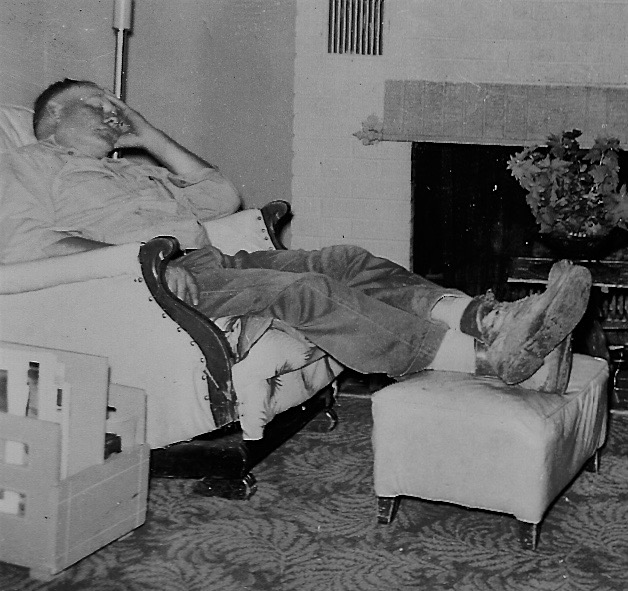
Our lives were run by wheat and cattle.  During the summer, no time for family vacations. Wheat and cattle were my dad’s alarm clock. He rose before sunrise every morning and was often asleep in his chair before sunset, wheat spilling out of his pants cuffs or high top boots or stuck by the hooked spines of its beards to the fabric footstool in front of his rocker.

He slept hard, my father, and rose early to insure everything worked to the cycle of the nature that had surrounded him from the time, as a three-year-old boy, he had stepped off the Union Pacific train that had brought him and his mother to the little South Dakota town both he and later I grew up in. As they descended the metal steps, my grandmother had held one hand down to grasp the hand of my three-year-old father. The other was extended upward, holding a cage with two canaries. My grandfather and teenaged aunts were there to greet him and my grandmother, who, even though she had been the one who decreed that they should leave their safe security in Iowa to claim a homestead on the Dakota prairie,  had not traveled by wagon, but instead had sent her young girls and husband on ahead to prepare a way for her and her youngest.

My grandfather––a Dutch immigrant who was not a farmer, but rather a baker better suited for working with wheat in its miled state––did what most people did when my grandmother issued demands.  He complied.  It made for a hard life for them all–fighting the harsh South Dakota winters out on the plains as well as prairie fires, plagues of grasshoppers and schizophrenic weather that could furnish either drought, unseasonal rain or hail–all of which could ruin a wheat crop. So that later, when I asked my dad why he never frequented the games parlor where the other men played poker and lofted a beer or two, he said that he had no need for games of chance. His whole life as a rancher and farmer had been the biggest gamble of all.

My grandparents never did learn the correct formula, but my father, surrounded by the prairie from age three to seventy, learned its secrets well. Enough to buy out his parents as well as others who tried and failed. Enough to ensure the comfort of his wife and children and his grandchildren. Enough to die at what, now that I am nearly  69,  seems like the young age of 70.

Year after year, as he tilled the rich South Dakota soil to plant the grains of wheat he’d saved to seed a new crop––he seeded my life as well, along with that of my mother, my sisters, my nieces and nephews–all of our lives growing and prospering from those millions of shafts of grain that he planted and watched over and harvested and stored and replanted over a period  of fifty years.

The WordPress prompt today was “Grain.”