Tag Archives: father and daughter

Wheeler Dealer


Wheeler Dealer

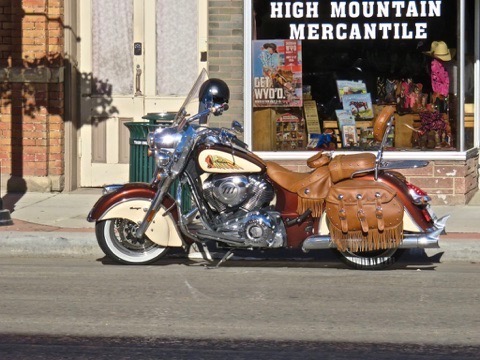
Our precocious daughter, swathed in leather, first tattoo
in view below her crop top, reached out and grabbed a few
peanuts from the table and demanded, “Amirite?”
Crumbled off the peanut shells and took a hungry bite.

She had argued that a motorbike was the best solution
to getting her to school with minimum pollution.
(Our driving her to school, consuming so much gas,
creates carbon monoxide at a level that’s most crass.)

“Umitebee” said her father, and I nodded my accord.
As her sole benefactors, just what we could afford
influenced our decision, and instead of motorbike,
we simply told our daughter to go and take a hike!

Prompt words are benefactor, leather, precocious, and amirite,

am·i·rite: exclamation ,INFORMAL, US  am I right? (used to invite confirmation or assert that one’s previous statement is correct) “not much point to it now, amirite?”

Near: World Premiere of Sylvestrian Near Rhyme

Near

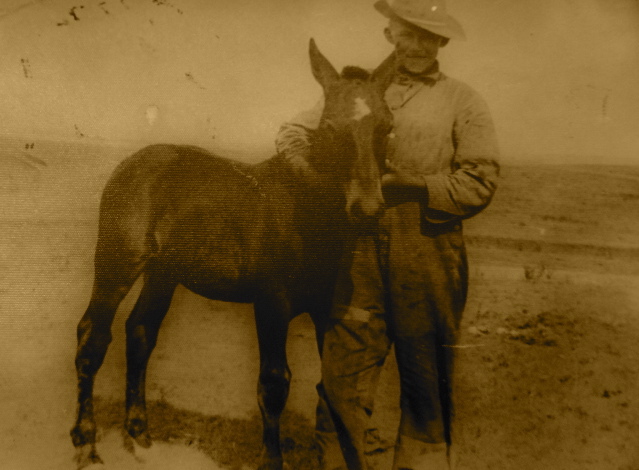
My father went from obscurity to a sort of small renown.
He worked hard as a rancher and the mayor of our town.
He met my mother at a dance in her sister’s borrowed gown–
both of them lonely visitors to a faraway strange town.
I’ve thought about it often since we laid him down.
Why didn’t I ask more questions? Why didn’t I write it down?

Many a calf he helped to birth and many a field he’s mown.
Avoided his mother if he could–long-suffering aged crone.
Not many highways traveled,nor many airwaves flown.
He died in his angry daughter’s arms–the two of them alone.
I’ve thought of it often till regrets have turned into a drone.

His eyes were always looking further over yon.
Over a ripening field of wheat or over a fresh-mowed lawn.
Working, often, until dark and up again at dawn.
A man of camaraderie and wit and brains and brawn.

He liked to tell a story and sing a rousing tune.
Stand on the porch at midnight to piss under the moon.
He gave me a turquoise ring, a baby rabbit and a coon.

Now that he’s very gone away.  Now that I’m very grown,
I know my flesh is of his flesh. My bone is of his bone.

And I wish that I’d asked more questions. That we’d both been less alone.

DSC02618
The form of this poem is one consisting of six stanzas, the first with 6 lines and each thereafter one less line.  Each line in each stanza rhymes with all the other lines in that stanza and each stanza’s rhyme is a near rhyme to the last. The name of this form is Sylvestrian Near Rhyme and since “Near” describes both the theme and form of my poem, it is also the name of the poem.  And yes, I did make up the form!  I’d love it if poets given to rhyming and meter would attempt the form and send me the results as comments or a link to this blog.

For dVerse Poets Pub

Locked and unlocked

IMG_5324

Locks

Locked up in my bedchamber. More than I can bear.
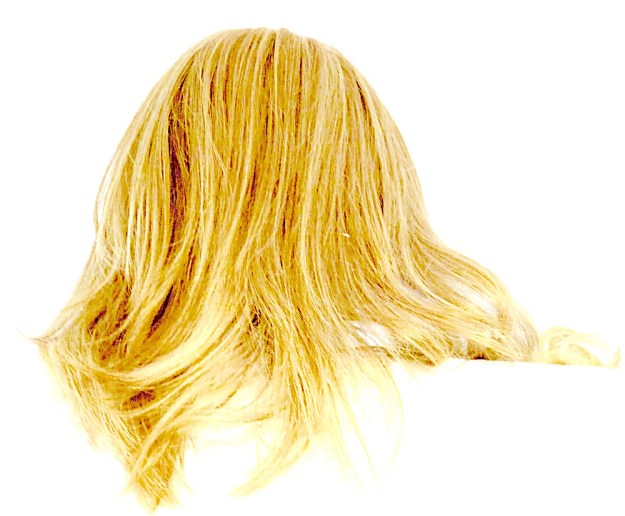
The beauty of my countenance, the shimmer of my hair
do me no good for no prince charming comes to find me here.
I will go unmarried––for my whole life, I fear.

My father thinks he honors me. I am his special treasure.
He worries not about my fate.  He thinks not of my pleasure.
I am but one more lovely thing he keeps for his collection––
admired for my golden locks, my flawless pale complexion.

I care not for beauty.  I care not for my tresses.
I do not treasure jewels or slippers or my ornate dresses.
A husband and a family are all that I desire.
A simple life’s the sort of life that I most admire.

From my window I look out upon the broad King’s Highway.
All roads must converge here––every path and byway.
And so I see them passing: beggars, countrymen and princes.
Vendors selling mangos, apples, oranges and quinces.

My eye is caught by sunlight flashing from his sword
as he stoops to have a sip from a vendor’s gourd.
He pays her with a small coin and thanks her most politely,
then mounts his horse with one sure leap–graceful, sure and spritely

I see him passing often and his face is full of laughter,
calling out and gesturing to companions, fore and after.
One day I wave my scarf at him as he goes passing by
and every day thereafter, I know I’ve won his eye.

At first he bows politely–a gesture I don’t miss.
and after a few weeks of this, one day he blows a kiss.
I reach out and grab it and press it to my face.
He rears his horse and races off at a faster pace.

The next day he doesn’t come, although I wait and wait.
But finally, I see him turning towards my father’s gate.
In distress, I call out that  he must not tarry here.
My father’s wrath must not be stirred.  It is what I most fear.

He does not see me gesturing. He hears not my distress.
I rue the day I waved at him, although I must confess
I also thrilled to think that he had come in search of me.
I fantasized that he would be the one to set me free.

But my prince never entered, though he tarried long and late.
Until the full moon rose above, he waited at the gate.
Although it had not opened by the time the next sun rose,
the young man sat astride his horse with hoarfrost on his clothes.

‘Twas then that I began my moan and tears sprang from my eyes.
I tore my clothes, scratched at my face.  I’d ruin my father’s prize!
My serving maids, sorely distressed, tried to stay my hand,
while my genteel companion sat with startled eyes and fanned!

When one maid put down the apple she’d begun to pare,
I grabbed the knife and severed one long lock of hair.
Lock after lock, I parted with this prison I had grown.
I’d see if father still wanted a daughter newly mown.

Then outside my chamber, I heard a deafening grate.
I flew back to the window. They were opening the gate!
At the same time, I heard a knock and my door opened wide.
I knew it was my father in the passageway outside.

I feared his consternation, his anger and his wrath,
and yet I chose to put myself squarely in his path.
In one hand I held half my locks, in the other were locks more.
All my other shorn-off glory, around me on the floor.

“I am not your possession,” I tell my father then.
I am no pretty pet that you can lock up in a pen.
You can have my beauty––” (Here I handed him my locks.)
“but you cannot seal me up in your private box.”

My father raised his hand, and I feared that he would strike me––
angered that he’d never again have a treasure like me––
but instead he circled his arm around my shoulder
and said, “This day, I have acquired a daughter who is bolder!

It was never me who kept you sealed  up in this tower.
You always had it within you to unlock your own power.
You must know this unlocking is both metaphor and literal.
The freedom that you’ve won today, both actual and clitoral.”

And that is how this princess, once set upon a shelf,
learned that the price of freedom is to win it for one’s self.
By cutting off my own locks, I opened up the gate.
My reward––the clever prince wise enough to wait!

Helen Meikle sent along this song which she said had a similar theme to my poem.  Can’t believe I’ve never heard it before…but I agree.  Listen to it HERE

https://dailypost.wordpress.com/prompts/locked/

http://www.napowrimo.net/day-twenty-one/
Hail (Re)Tale

Hail (Re)Tale

I told my hail story so long ago that I had few followers and even I had forgotten about it, so perhaps you have, too. Or, if you are a relatively new reader, you probably haven’t seen it before. As a matter of fact, the only people currently following my blog who read it were Angloswiss, Ann, Allenda and my sister. (Hi, ladies)– so  here it is again.  Please go HERE to read it.

https://dailypost.wordpress.com/prompts/sudden-shifts/

Near

Near

My father went from obscurity to a sort of small renown.
He worked hard as a rancher and the mayor of our town.
He met my mother at a dance in her sister’s borrowed gown–
both of them lonely visitors to a faraway strange town.
I’ve thought about it often since we laid him down.
Why didn’t I ask more questions? Why didn’t I write it down?

Many a calf he helped to birth and many a field he’s mown.
Avoided his mother if he could–long-suffering aged crone.
Not many highways traveled,nor many airwaves flown.
He died in his angry daughter’s arms–the two of them alone.
I’ve thought of it often till regrets have turned into a drone.

His eyes were always looking further over yon.
Over a ripening field of wheat or over a fresh-mowed lawn.
Working, often, until dark and up again at dawn.
A man of camaraderie and wit and brains and brawn.

He liked to tell a story and sing a rousing tune.
Stand on the porch at midnight to piss under the moon.
He gave me a turquoise ring, a baby rabbit and a coon.

Now that he’s very gone away.  Now that I’m very grown,
I know my flesh is of his flesh. My bone is of his bone.

And I wish that I’d asked more questions. That we’d both been less alone.

DSC02618
The form of this poem is one consisting of six stanzas, the first with 6 lines and each thereafter one less line.  Each line in each stanza rhymes with all the other lines in that stanza and each stanza’s rhyme is a near rhyme to the last. The name of this form is Sylvestrian Near Rhyme and since “Near” describes both the theme and form of my poem, it is also the name of the poem.  And yes, I did make up the form!  I’d love it if poets given to rhyming and meter would attempt the form and send me the results as comments or a link to this blog.

Update: Here is Sam Rappaz’s response to my challenge.

The Prompt: Fireside Chat—What person whom you don’t know very well in real life — it could be a blogger whose writing you enjoy, a friend you just recently made, etc. — would you like to have over for a long chat in which they tell you their life story?