Water swirled around the old tree, oozing into the spaces between its trunk and loose bark with borborygmous sucking sounds, ripping it bare. She clung to a giant limb just inches above the current. It was an old limb of the type they used to call a widowmaker back when they were an actual pair, lying in the shade on an old blanket pulled from the trunk of his car. She had been lithe and slim. He had been handsome and as wily as a fox. “Zorro,” she had called him, that first long afternoon when he had led her off into the forest for the first time.
Now, for what would probably be her last visit, she had a different companion—the hurricane named Esmerelda, raising the skirt of her water inch by inch as she came to join her. She could hear the cracking of the limb, bit by bit, as it registered the effect of her weight. Where was he? In some snug hotel room, storeys above the swirling water, with a less lethal female companion, no doubt. Only she was here, caught in the memory of them, clinging to that limb that was one syllable short of being appropriately named.
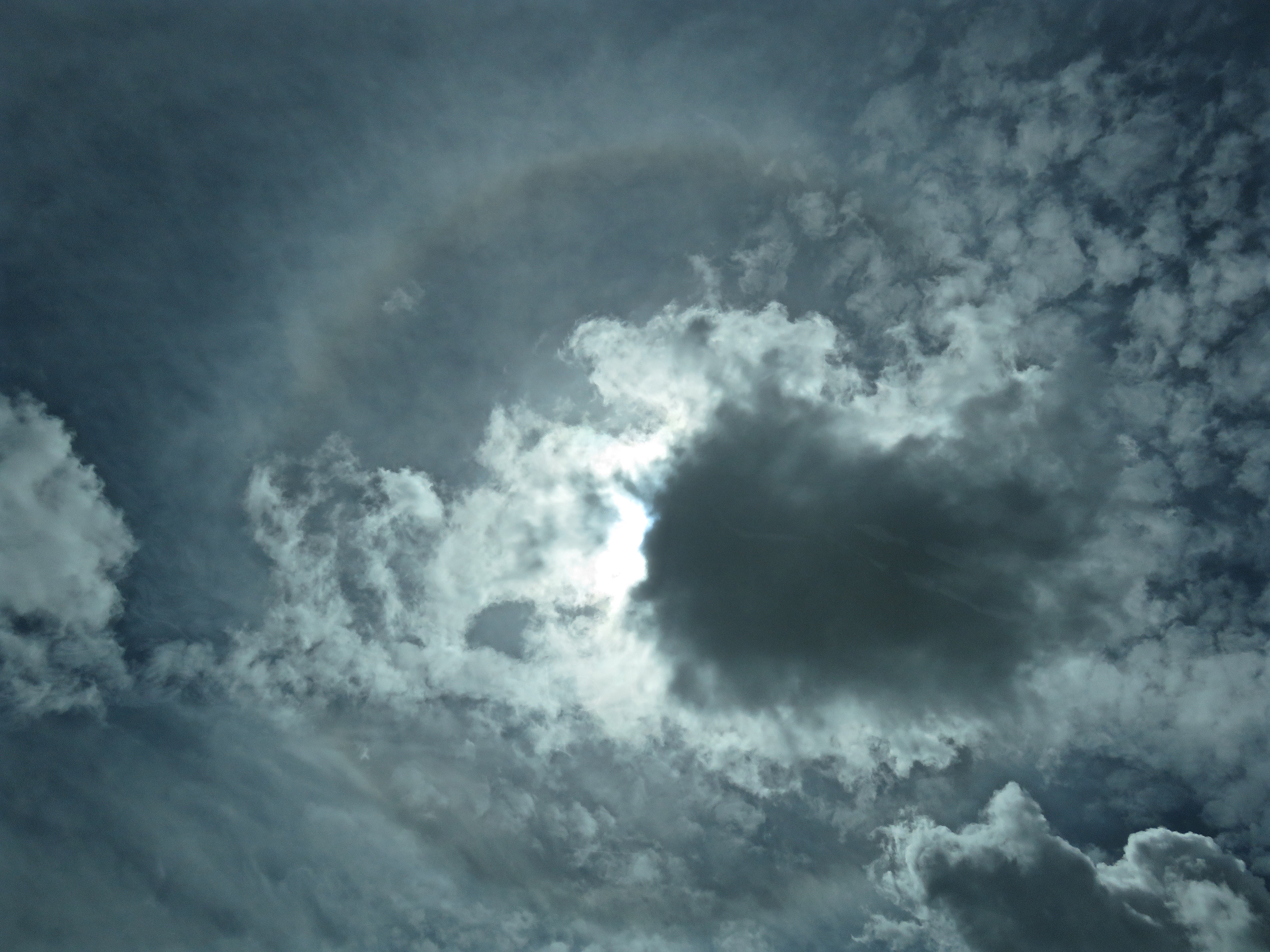
This picture is taken from my upstairs terrace. The dome you see covers the ceiling of my bedroom.
Remains of the day.
Payback Rhythms
The rhythm of the world as it tears us all asunder is of hurricane and fire, rain and wind and thunder. Fissures, ashes, ruins waterlogged and crumbled— all advances of mankind his foolishness has tumbled. What we do to it it does right back to us. This scientific fact is not so nebulous.
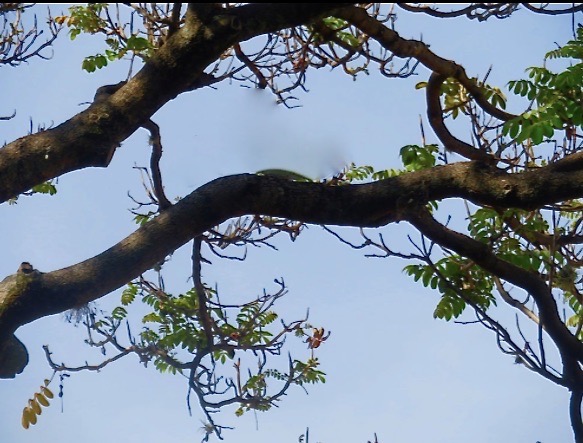
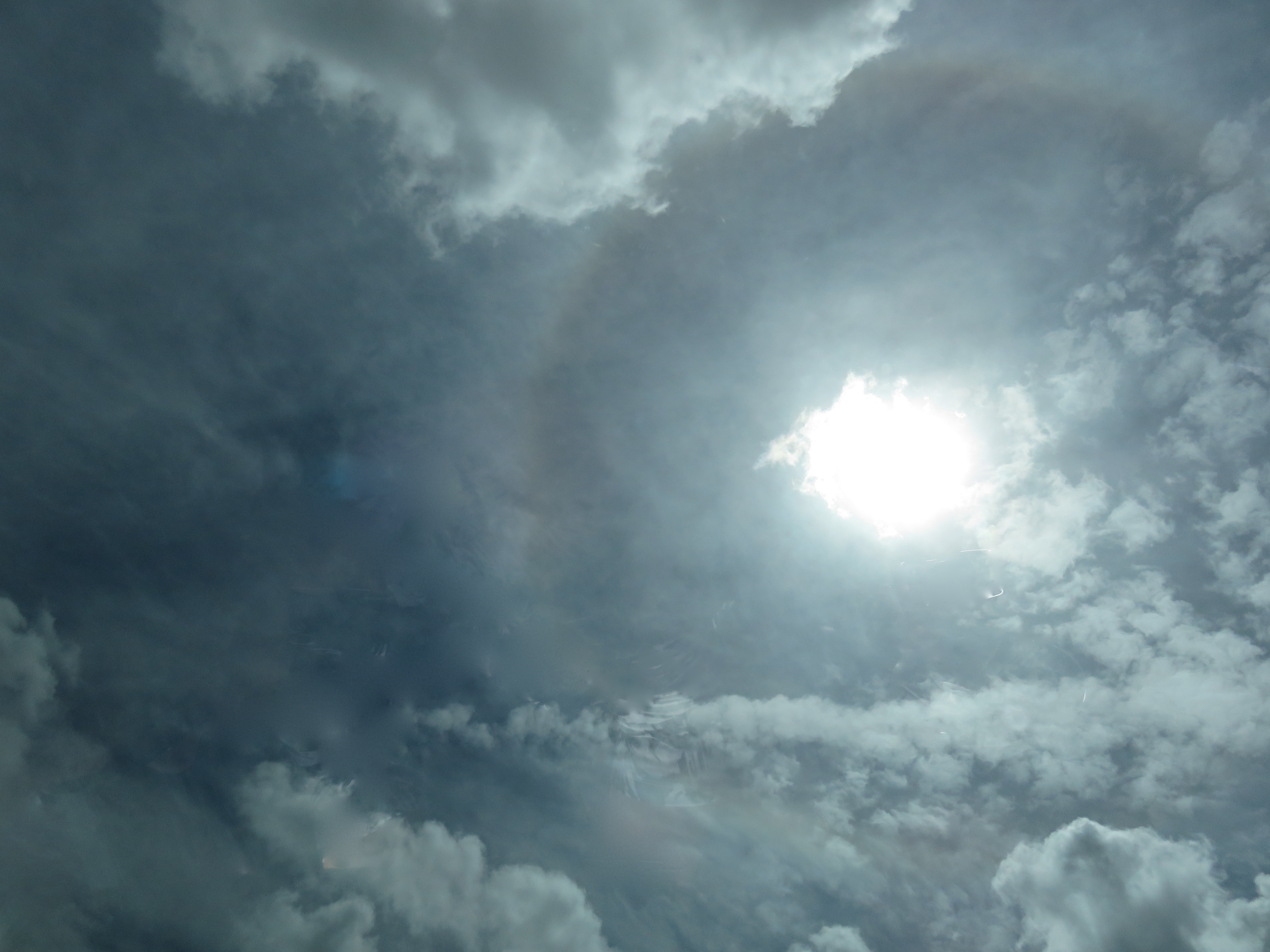
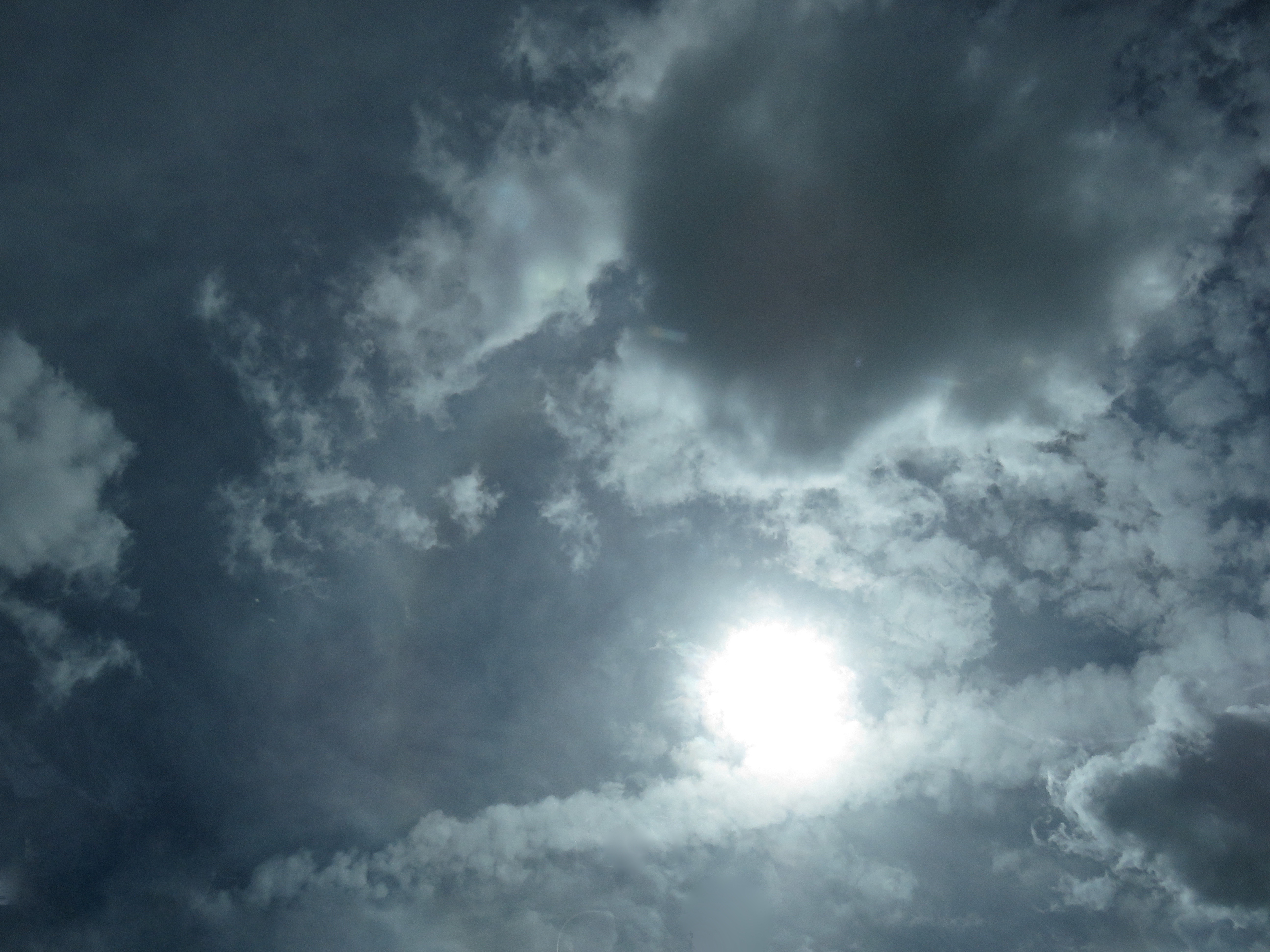
Prompt words today are nebulous, fissure, sunder and rhythm. With the exception of the UPI photo of the hurricane, all photos taken by me. Click on any photo to enlarge all. Please give photos a few seconds to load and focus.
Excerpt from The Guardian. Go HERE to read entire article.
Is climate breakdown to blame?
A range of factors influence the number of hurricanes smashing into land, from localised weather to periodic climatic events such as El Niño. Prior to 2017, the US had experienced a hurricane “drought” that had stretched back to Hurricane Wilma in 2005.
But there is growingevidencethat the warming of the atmosphere and upper ocean, due to human activity such as burning fossil fuels, is making conditions ripe for fiercer, more destructive hurricanes.
“The past few years have been highly unusual, such as Irma staying strong for so long, or the hurricane in Mozambique that dumped so much rain,” says Kossin. “All of these things are linked to a warming atmosphere. If you warm things up, over time you will get stronger storms.”
Climate breakdown is tinkering with hurricanes in a variety of ways.More moisture in the air means more rain, while storms are intensifying more quickly but often stalling once they hit land, resulting in torrential downpours that cause horrendous flooding.
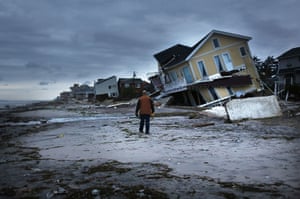
Damage in the Rockaway neighbourhood of Queens, New York, where the boardwalk was washed away during Hurricane Sandy in 2012. Photograph: Spencer Platt/Getty Images
Rising sea levels are aiding storm surge whipped up by hurricanes – one study found that Hurricane Sandy in 2012 probably wouldn’t have inundated lower Manhattan if it occurred a century previously because the sea was a foot lower then. According to the UN’s Intergovernmental Panel on Climate Change, the maximum intensity of hurricanes will increase by about 5% this century.
The expanding band of warmth around the planet’s tropical midriff also means a larger area for hurricanes to develop, resulting in fierce storms further north than before, such as Florence. In the Pacific, this change means typhoons’ focal point is switching from the Philippines towards Japan.
Researchers are currently attempting to ascertain if climatic changes will help bend the path of hurricanes enough that more will charge in the direction of the UK in the future.
“This has implications for places that have historically been unaffected by tropical cyclones,” says Collins, who added these newly hit areas are likely to suffer a significantly higher risk of structural damage than traditional hurricane zones.
“We are already seeing effects of climate change,” says Collins. “While there is not consensus on the frequency of hurricanes in a warmer world, there is a consensus that the hurricanes are becoming more intense, and hence their impact will be worse.”


 lifelessons - a blog by Judy Dykstra-Brown