The prompt on this last day of National Poetry Month is to find a shortish poem that you like, and rewrite each line, replacing each word (or as many words as you can) with words that mean the opposite. I chose Sonnet 18 by Shakespeare.
Time Temporal
by Judy Dykstra-Brown
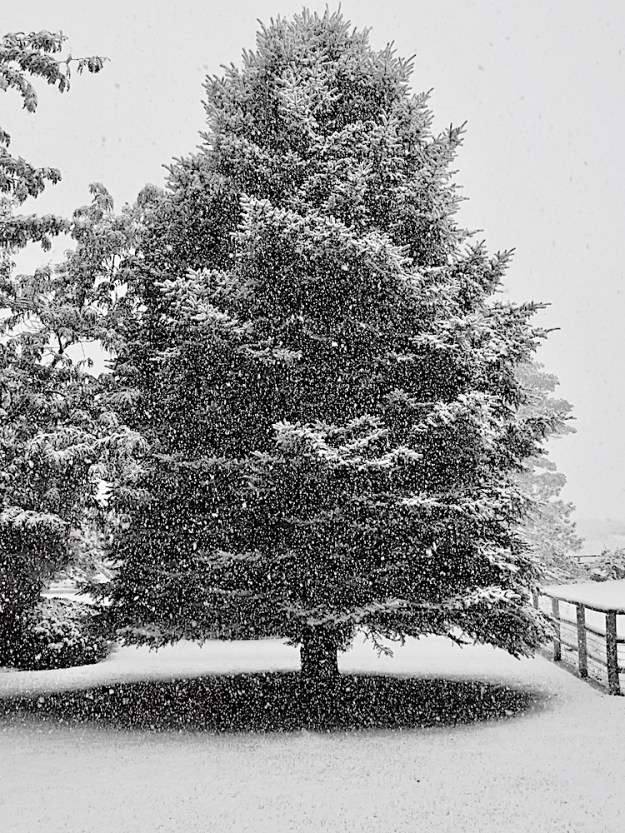
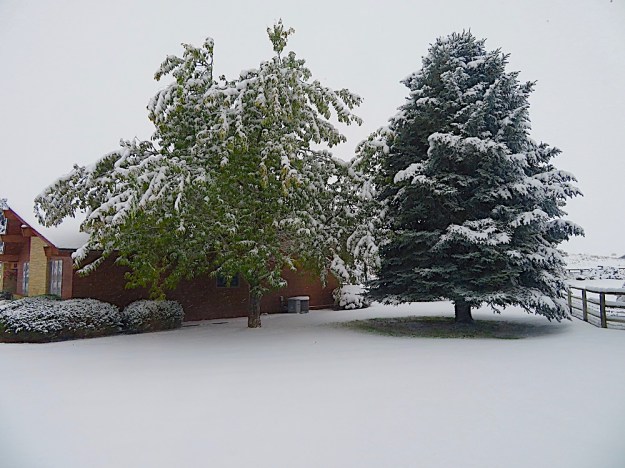
Shall I contrast thee to a winter’s night?
Thou art less lovely and more tempestuous.
No wind disturbs November’s empty stalks,
Oe’r which the winter hath too long a power.
Sometimes the too-cold moon lies sheathed in clouds.
And rarely does its pitted face shine forth.
Yet light from dark may rise. We’re proof of that,
Spurred on by fate or providence’s plan.
But thy short winter soon shall pass away,
Restore to thee the homeliness of death.
Nor shall that birth that brought you forth to light
Still claim thee when time curtains you with night.
As men lose breath and eyes give up their sight,
So dies this poem, and you echo its plight.
Sonnet 18
by William Shakespeare
Shall I compare thee to a summer’s day?
Thou art more lovely and more temperate.
Rough winds do shake the darling buds of May,
And summer’s lease hath all too short a date.
Sometime too hot the eye of heaven shines,
And often is his gold complexion dimmed;
And every fair from fair sometime declines,
By chance, or nature’s changing course, untrimmed;
But thy eternal summer shall not fade,
Nor lose possession of that fair thou ow’st,
Nor shall death brag thou wand’rest in his shade,
When in eternal lines to Time thou grow’st.
So long as men can breathe, or eyes can see,
So long lives this, and this gives life to thee.



 lifelessons - a blog by Judy Dykstra-Brown