Category Archives: Essays

There is Always Music


This is the young man who was absolutely world class but who can’t read a note of music!

There is Always Music

The music of Mexico is composed of a cacophony of sounds—all of them loud! Trumpets, drums, violins, guitars, tubas and trombones are backed up by fiesta revelers, insects, burros, cattle, roosters, fireworks, church bells, air brakes, stone drills and vendors driving the street with loudspeakers announcing gas, produce, knife-sharpening or bottled water for sale.

Living in Mexico is like living in a place where one or another of your neighbors celebrates a party every other day of the week. Patriotic holidays, weddings, saints days, baptisms, funerals, fifteenth birthdays—all are occasions for fiestas of often grand proportions; and although these parties do not always take place in your own neighborhood, the lake and mountains act as a sounding board which makes it sound as though they do.
Recently, it has become the style to set off fireworks from a boat positioned mid lake to celebrate nuptials. Then loud music and loudspeaker shouts proceed far into the night. Tonight as I got home a half hour before midnight, the music was so loud that it could have been coming from the house next door, but it was coming from a large hall on the carretera a half mile away. It was a wedding party I had seen the beginnings of earlier in the day, now grown into a full-scale bash.

The loudest celebrations are held on saints’ days or national holidays. These celebrations are frequent, as in addition to the usual holidays such as Dia de la Independencia and Aniversario del Revolución, each town has a ten-day celebration of the town’s patron saint. During one week-long celebration in the nearby town of Ajijic, it is rumored that 10,000 bottle rockets were set off, each of them launched into the air and exploding at the decibel level of a cherry bomb.

To demonstrate the frequency of such celebrations, take the six-day period of April 30 to May 5. The most famous Mexican holiday in the U.S. is Cinco del Mayo, but in Mexico, but in Mexico it is a celebration of minor importance. There are four other major holidays in the five days leading up to it, all of them more important. The week starts out on April 31 with El Dia del Nino, a celebration and parade for the day of the child, followed the next day by labor day—Dia del Trabajo—the day of the laborer. After a day’s vacation from holidays, there is Dia de Santa Cruz, followed two days later by Cinco de Mayo, the commemoration of the Battle of Pueblo. All of these celebrations bring with them the sounds of revelry: loud banda music, fireworks, guns fired into the air and the accompanying barks of protesting dogs and encouragement of human revelers.

In December, Christmas is preceded by the week-long commemoration of the Virgin of Guadalupe, which in my village is the occasion for hundreds of plant-decked altars to be set up along the streets in front of houses, garlands over the street and cobblestones strewn with fresh alfalfa. One day in early December, a neighbor came by to visit. Later, we went for a walk in the San Juan Cosala main plaza. The most beautiful feature of the square was a large faded portrait of the Virgin of Guadalupe that stood near the church. Flowers and lights surrounded it in preparation for her saint’s day. Unfortunately, one of the strings of colored lights that swathed the portrait was a musical strand. In the fifteen minutes we took to traverse the square, we heard nasal computer-like renditions of, “I Wish You a Merry Christmas,” “Santa Claus is Coming to Town,” and “Rudolph the Red Nosed Reindeer.”

There is always music. Now the steady hum of the pump which recycles water from the jacuzzi to water the plants stops and I hear the steady whisk whisk whisk of the gardener’s broom on the stone patio. Outside hundreds of bees hum around the Virginia creeper that blankets the awning over the patio.
Birds furnish a counterpoint harmony to these domestic arias. In the few months that I have been living here, I believe I’ve heard whippoorwills, Baltimore orioles, grackles, and tanagers. I have heard the mysterious night call of a bird with a voice disguised as an interloper whispering, “Pssssst. Pssssst.” (I have since learned that this is probably an insect.) I have never seen either this bird or the bird whose call sounds like a squeegee being scraped against a chalkboard, but I did eventually see the ubiquitous insect called a rainbird (local name for a cicada) whose voices (by the thousands) proceed from a few seconds of castanet sounds to the buzz saw melody that fills the hills and trees around my house with their mating music in May and June .

In my first six months living lakeside, my solitude has been broken by few people other than my housekeeper, gardener, workers and repairmen who make daily pilgrimages to my house to correct problems at about the same rate as they create them. When now and then they switch off the loud competing blarings of their individual radios, I hear music in the noises of their industry as they administer to the house and grounds like neophytes to a high priestess. It is the house that is the god here, not me. I sit in another part of it making my own music on the keys of my laptop.

This morning, I awoke to the chink chink chink of the gardener’s shovel as he dug concrete chunks from the flowerbed beside my pool. He used neither of the new shovels I bought him, but instead the flat edged old shovel with the handle broken in half. I have stopped demanding or even suggesting that anyone do things the easy way. The squeegee sits dry in the storeroom along with the dried out sponge mop. Nearby are the damp rags and buckets are are actually used to wash the windows; and in the living room, I can hear the rhythmic slosh of Lourdes moving the string mop that is used so frequently that it rarely dries out.

On Monday, as Lourdes ironed in the spare room, I asked if she wished to listen to my Spanish/English tapes. If it is true that she will soon go to join relatives in the States, she should know some English. She nodded yes enthusiastically, but after one cycle, she removed the tape and switched to the radio. I could hear her singing along even two rooms away through two closed doors. She sang slightly off key, in a happy voice, unaware that anyone listened. In the afternoon, she ironed 30 garments, even though I had asked her to iron only three. As she ironed, she sang.

Every day I learn more about Mexico. On this day I have learned this. The pool man may be missing, there may be no water in the aljibe (cistern), and you can be sure that if you need hardware, the hardware store will be closed for comida (the afternoon meal). If you want to go to the restaurant you have passed twenty times, on the day you go it will be closed. There is a page-long list of things my house needs that I cannot find. But on this day, I learned of one thing that you can always find. In Mexico, there is always music.
                                                                                                                   –by Judy Dykstra-Brown


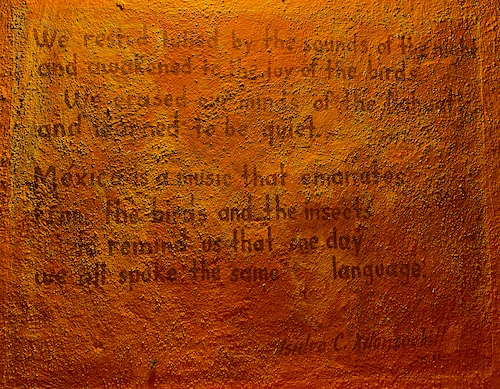
Twenty years ago when I moved to Mexico, I wrote the above piece for a local magazine and when the time came that I wanted a local artist, Isidro Xilonxochitl, to paint a mural on my outside wall, I asked him to use the themes from my essay.

He painted a wall covered by birds and insects, but also wrote a poem in Spanish that I translated into English.  Wall damage made it necessary to paint over the mural years ago, but the poem is still painted on my wall.  If you can’t make it out from the photo, I’ve rewritten it below. (Note: Nahuatl is a language of the Uto-Aztecan language family.)

We rested lulled by the sounds of the night
and awakened to the joy of the birds.
We erased our minds of the Nahuatl
and learned to be quiet.

Mexico is a music that emanates
from the birds and the insects
to remind us that one day
we all spoke the same language.

                                  — Isidro C. Xilonsochitl


This post is for Sam, because he asked.

College Daze

College Daze

I should have been cramming for English—­reading Macbeth or Candide­
and finishing off all my papers on Shakespeare or Becket or Bede.
But I always put off all assignments until the last possible minute,
lugging around every textbook without really looking within it.

When final week came, I was panicked. I studied all day and all night.
Living on No Doz and coffee, my eyes were a terrible sight.
Bloodshot and ringed with dark circles, they read on and read on nonetheless—
Chaucer and Dickens and Somerset Maugham (and Cliff’s Notes, I have to confess.)

My very worst procrastination was ten papers in just seven days—
my mind racing onward and onward as I searched for each insightful phrase.
Biology, German and history, psychology and all the rest
battled to come to the front and be heard when they came to be put to the test.

By the end I was crazed and exhausted, craving only closed eyes and my bed—
putting authors and symbols and figures and facts right out of my overstuffed head.
I could have avoided this torment, the pressure, exhaustion and dread
If only I’d started three months in advance to prepare for each “big day ahead.”

In college I fear I was guilty. I put all things off just a smidge.
I majored in procrastination and minored in marathon bridge!

( This poem is dedicated to Marti, Yvonne, Patty, Ramjet, Karen Rea and all the house hashers, with whom I wasted many a long college afternoon and evening expanding my mind by playing bridge. I must admit that I haven’t played it since, which is why I have the time to write a poem a day and post it on my blog. Sometimes we learn more after college than during!)

The Prompt: Big Day Ahead—It’s the night before an important event: a big exam, a major presentation, your wedding. How do you calm your nerves in preparation for the big day?

Justification

Justification

I spent all day in town today for business and for pleasure,
so by the time I got back home, I felt I’d had full measure
of driving-selling-trying on, shopping-eating-walking;
so I just thought I’d have some time that didn’t include talking.
I put my suit on thinking I would jump right in the pool,
but then the cat began to whine, the dogs commenced to drool—
sure signals it was feeding time—in this they were united.
They’ve learned their human serves their supper faster when invited.

The problem was, the dog food was still up in the car,
so I ran out to get it. (It wasn’t very far.)
I fed the dogs and cat, then found new flea collars I’d bought,
and so, of course, I had to put new collars on the lot.
Then, finally, the pool was mine—aerobic exercise
kept my body busy while a movie wooed my eyes
to disregard the time that passed while bending, kicking, flopping,
for when I am distracted, I am less intent on stopping.

With no prompt to finish early, I just went on and on.
Two hours passed so quickly that the setting of the sun
(and the ending of the movie—I guess I must admit)
finally gave the signal that it was time to quit.
But as I climbed the ladder, something poked my breast—
something sharp and lumpy that had made a little nest
there between my cleavage all my hours in the pool;
and when I drew it out you can’t image what a fool

I felt like, for this faux pas cannot help but win the prize
of all the times that I’ve done stupid things in any guise.
As teacher, daughter, writer, artist, sister, lover, friend,
I’ve committed stupid acts impossible to mend.
But this one takes the cake, I’m sure, as stupidest by far.
I’ve told you how I went to get the pet food from the car,
then fed and put flea collars on protesting dogs and cat.
(I doubt you’d do much better when dealing with all that!)

When I went out to do all this, I didn’t want to lose ‘em.
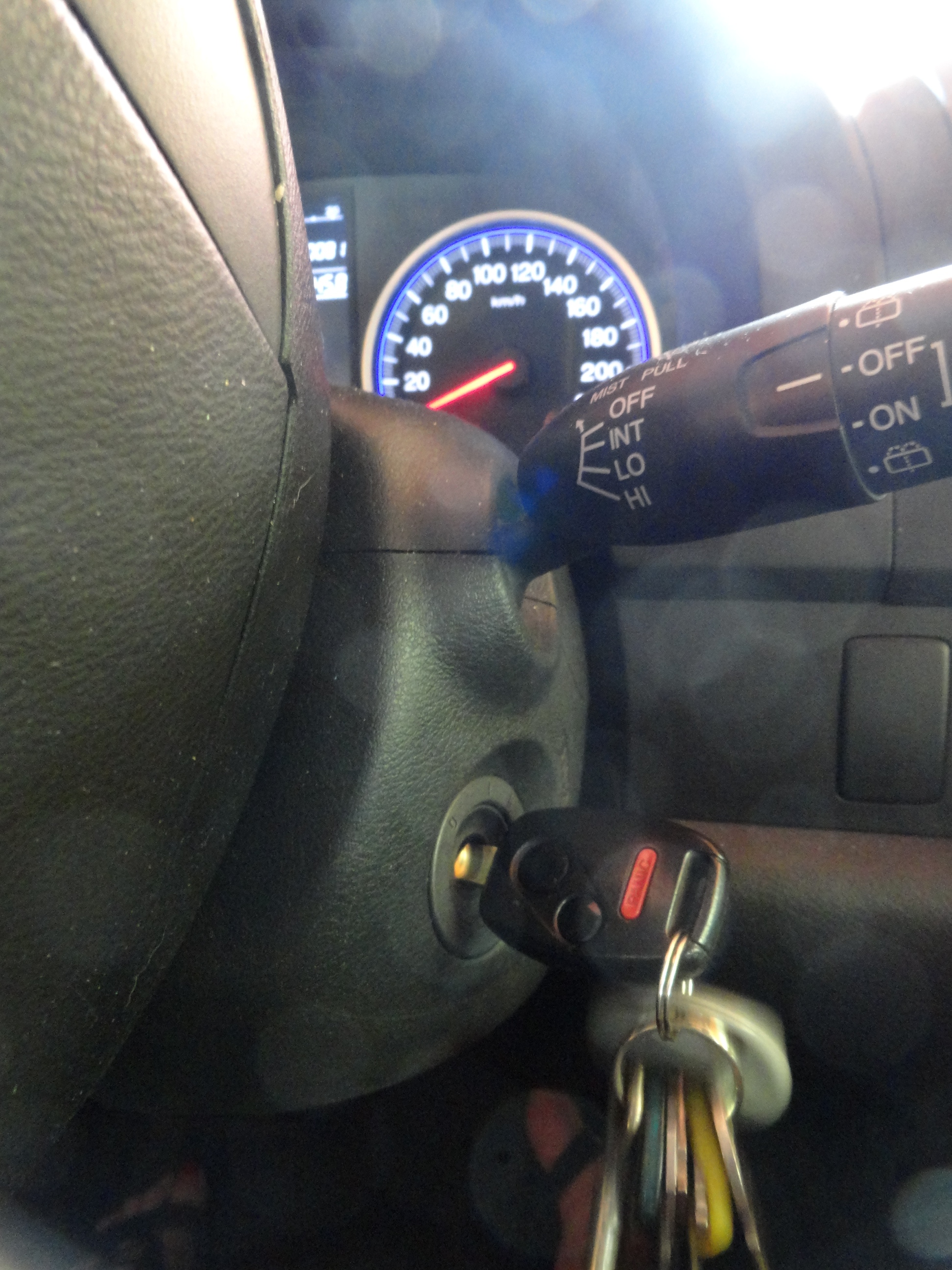
That’s why my car keys (with remote) wound up within my bosom!


Try as we may, those little indicators of age will sneak up on us.  There is no plastic surgery for a sagging memory!!!  (The Prompt today was:  “Age is just a number,” says the well-worn adage. But is it a number you care about, or one you tend (or try) to ignore?”)

DSC07216
Wonder of wonders, when I put the key in the ignition the next morning, it worked!!! Saved on this one!

First Friends

DSC07187

The Prompt: Do you — or did you ever — have a Best Friend? Do you believe in the idea of one person whose friendship matters the most? Tell us a story about your BFF (or lack thereof).

First Friends

I am three years old, lying in my Mom’s room taking a nap. I can hear voices in the front room. The world comes slowly back to me as I rouse myself from the deep sleep I swore I didn’t need. I hear my mom’s voice and the voice of a stranger. I slide my legs over the side of the chenille-covered bed, balancing for a moment like a teeter totter before giving in to gravity and letting my feet slide through space to the floor below. I creak open the door, which had been left ajar. My mom’s voice gets louder. I smell coffee brewing and hear the chink of china coffee cups in the living room.

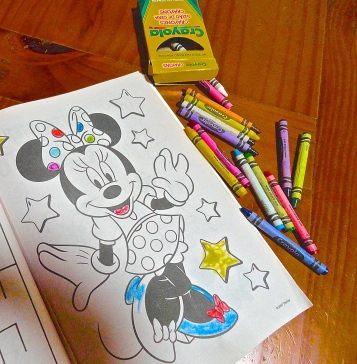
I hear a dull rubbing sound and move toward it—through the kitchen to the dinette, where a very small very skinny girl with brown braids is sitting at the table coloring in one of my coloring books. She is not staying in the lines very well, which is crucial—along with the fact that she is coloring the one last uncolored picture in the book which I’ve been saving for last because it is my favorite and BECAUSE I HAVE IT PLANNED SO THERE IS SOMEWHERE IN THAT PICTURE TO USE EVERY LAST COLOR IN MY BOX OF CRAYOLAS!

I sidle past her, unspeaking, aflame with indignation. Who could have—who would have—given her the authority to color in my book? I stand in the door of the living room. My mom is talking to a mousy gray-haired lady—tall, raw-boned, in a limp gray dress. My mom sees me, and tells me to come over and meet Mrs. Krauss. They are our new neighbors. They are going to live in Aunt Stella and Uncle Werner’s house two houses down. Did I meet their daughter Pressie in the kitchen? She’s just my age and Aunt Stella and Uncle Werner (who are not actually related to us, but just friends of my folks) are her real aunt and uncle.

The gray lady calls Pressie in to meet me. She is quiet and I am quiet. Then we go back to color at the table together. We drink orange juice and eat potato chips. We will be best friends for what seems like a lifetime but what is really only until we approach adolescence. I will have a love-hate relationship with her mother, who will continually set up competitions between Pressie and me to see who will win. She will try to coach Pressie first; but still, I will always win.

Pressie and I will play hollyhock dolls and dress-up. We play, sometimes, with Mary Boone; but her parents are too religious and don’t think we’re nice enough to play with her very much. I want to put on neighborhood plays and circuses, but none of the other kids want to perform. I want to play store and school, but Pressie eventually goes home to help her mother varnish the floors.

Pressie’s house is full of loud brothers and a sulky teenage sister. It is full of high school-aged cousins who tease us unmercifully and old ladies who come to play Scrabble with her mother. It is full of a missionary sister who comes back from South America and married brothers who come from Florida with babies that Pressie and I take charge of.

Pressie’s house is full of slivery floors that are always in the process of being varnished or de-varnished. There is one drawer in the kitchen full of everybody’s toothbrushes, combs, hairpins, hair cream, shampoo tubes, old pennies, crackerjack toys, rubber balls, lint, hairballs, rolled up handkerchiefs and an occasional spoon that falls in from the drain board above it. They have no bathroom—just the kitchen sink and a toilet and shower in the basement, across from the coal bin and the huge coal furnace. Their toilet has a curtain in front of it, but the shower is open to the world.

Sometimes when I am peeing, someone comes down to put coal in the furnace or to throw dirty clothes in the washtub next to the wringer washer. I pull the curtain tight with my arms and pray that they won’t pull it back and discover me, my panties down to the floor, pee dripping down my leg from my hurried spring from the toilet to secure the curtain. To this day, I have dreams about bathrooms that become public thoroughfares the minute I sit down. To this day, I get constipated every time I leave the security of my own locked bathroom.

Pressie babysits with the minister’s kids for money. I go along for free. She spanks them a lot and yells a lot. I think I can’t wait until I’m old enough to have kids so I can yell at them, but when Pressie is gone and the minister’s wife asks me to babysit, I don’t yell at them.

At Christmas I can’t wait to have Pressie come see my gifts: a Cinderella watch, a doll, a wastebasket painted like a little girl’s face, complete with yarn braids, books and toilet water from aunts, a toy plastic silverware set from my sister, stationery from my other aunt, playing cards, sewing cards, paint by numbers, a new dress. I run over through the snow to Pressie’s house to see her presents: a new pair of pajamas, a coloring book and new crayons, barrettes and a comb. In her family, they draw names. Quickly we run to my house, but she doesn’t pay much attention to my presents. She is funny sometimes, kind of crabby. The more excited I get, the more withdrawn she gets.

Later, I want to make snow angels in the yard and feed leftover cornmeal muffins to the chickadees, but Pressie wants to go home. Pressie always wants to go home. What she does there, I don’t know. She doesn’t like to read. None of us will have television for another five years. She doesn’t much like games or cards. I don’t know what Pressie does when she isn’t with me.

When she is with me, we take baths together and sing the theme music from “Back to the Bible Broadcast,” washing our sins away in the bathtub. We play ranch house in our basement. We pull the army cot against the wall and put old chairs on either side of it for end tables. We upend an old box in front of it for a coffee table. My grandma’s peeling ochre-painted rocking chair faces the army cot couch. We sneak into the hired man’s room and steal his Pall Mall cigarettes and sit talking and smoking. We rip the filters off first, which is what we think you’re supposed to do.

Pressie will always stay longer if we smoke. I blow out on the cigarette, but Pressie inhales. We smoke a whole pack over a few weeks’ time and then go searching for more. When the hired man starts hiding his cigarettes, we discover his hiding place and learn to take no more than four at a time so he doesn’t miss them. When he has a carton, we take a pack and hide it under the mattress on the army cot. My mother wonders where all the filters are coming from that she sweeps from the basement floor, but never guesses our secret.

Pressie spends more time with me than before, drops by almost every morning and always wants to go to the basement to play and smoke. Then the hired man finds another room and moves out and when Mrs. Church’s granddaughters come to visit, I will want to play with them but Pressie won’t. Then we will pair off—Pressie with Sue Anne, the girly one, me with Kate, the boyish one. We have a little war—mainly instigated by the sisters.

When the new farm agent moves in with two daughters—one a year younger than Pressie and me, the other a year younger than my sister Addie—I want to ask the girl our age to play with us, but Pressie won’t. I have a slumber party for everyone—all the girls we know. I invite the new girl, whose name is Molly, but no one talks to her much. She is shy and doesn’t push herself on us. No one else ever wants to include her. I go play with her anyway and spend the night at her house. Her mother is nervous, her dad cocky. Her older sister laughs nervously under her breath a lot, as does her mother.

Many years later, by the time we are in high school, everyone has accepted them. By then, all of those girls have parties where I’m not invited. They are always a little reserved when I come up to speak to them. Maybe they’re always reserved. How would I know how they are when I’m not around? Later, they all got to be pretty good friends. But in the beginning, I was everyone’s first friend.


“Adult”ery


JudycurlsJudycurls - Version 2

Unfortunate hairstyles of the past


“Adult”ery

I don’t remember, as a child, ever really thinking about what it would be like to be an adult in terms of where I would live or what I would choose as a profession. I do remember, however, two things I worried about.

First of all, I worried about what instrument I would play in the school band. I had two sisters, one eleven years older and the other four years older, who both played saxophone. As a matter of fact, there being 7 years difference in their ages, they both played the same saxophone! When I entered the sixth grade and was old enough to play in the starter band, I knew two things. #1: I had to play in the band because both of them had done so. #2: I had to find a way to be unique in doing exactly what they had done, and so I had to find a different instrument. This resolve was strengthened by the fact that my sister Patti was still using the “family saxophone.” As long as I was being different, I decided to stretch my uniqueness as far as it would go. No one in either the starter or the regular band had ever played a flute. It was exotic and not very heavy to carry. I would play a flute!!! Or rather, I would attempt to play a flute.

I faked it for two years, blowing energetically into the little hole as we sat in the band loft at games or marched along behind the regular band, practicing for parades or football games; but I never really developed much of a tone and my memory of which note was which was limited. It was really easy, though, to carry that little case about as large as a large pencil case the two blocks to the auditorium where our band practice occurred. My band instructor could not afford to be picky as there were only 200 students in the entire school system—grade school and high school combined—so every warm body available was required to flesh out the physical body of the band. If a few were miming, so be it. As long as they could stay in step for the marching band and didn’t play any really loud false notes, who would ever know?

When my sister left for college, she left the sax behind; and when I headed out for my first band practice as a high school freshman, I left that dread flute behind as I took sax in hand to continue the family tradition. I was not a whole lot better at it, but found something held between the lips and teeth was a lot easier than something held sideways and blown across and although the sax was heavier, it was held in a much more sustainable position than the flute, which was an exercise in arm isometrics as I held it aloft!!

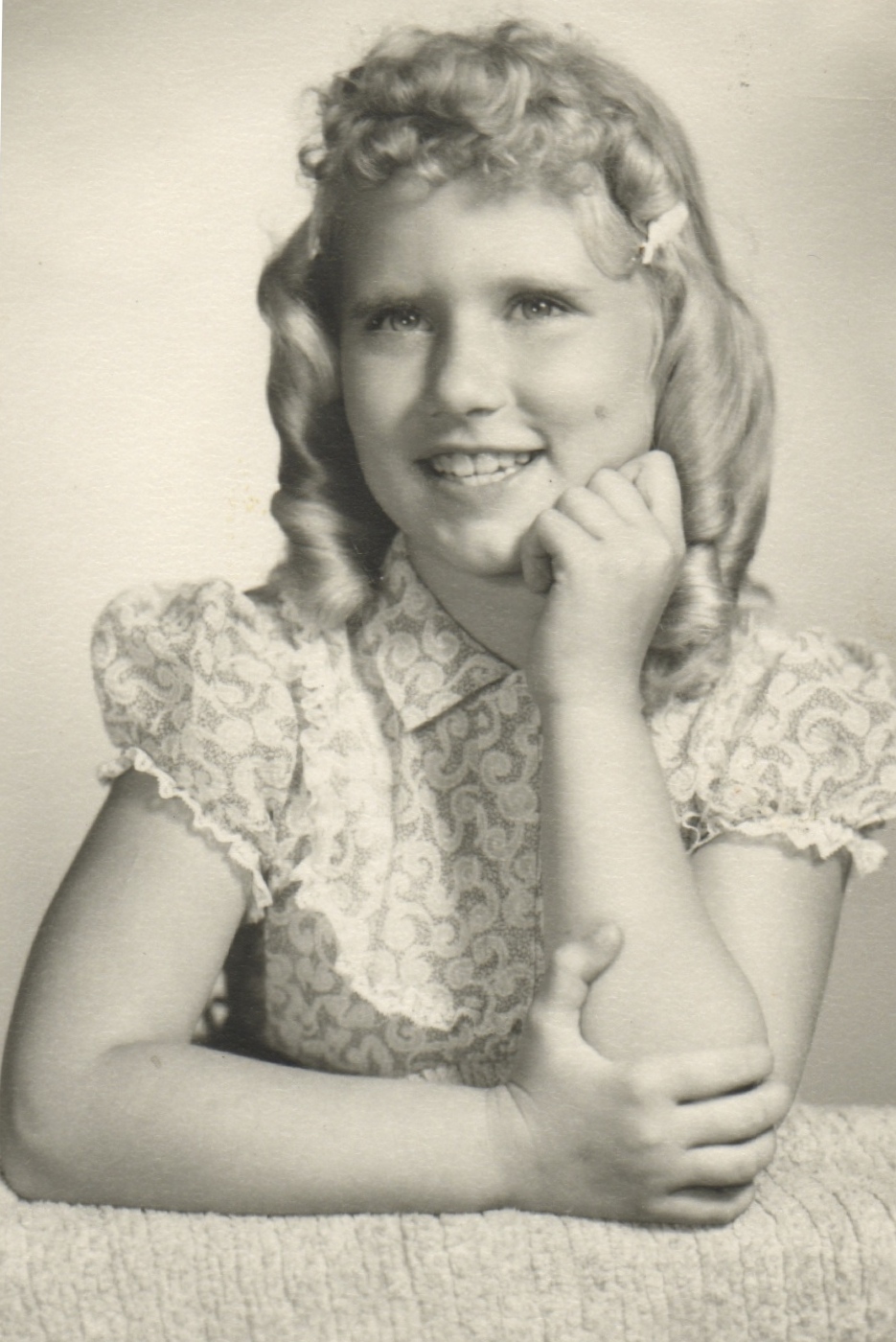
The second worry I had about growing up was how I would wear my hair. I would lie awake nights worrying about what hairstyle I would adopt when I could no longer sport the sausage curls my mother formed around her finger each morning. Shirley Temple, who had already grown to adulthood, needed to be replaced! My hair was too long, however, to duplicate Shirley’s bouncy little curls. It hung in fat tubes down beside my cheeks, offsetting my tight little bangs curled up each night in pink rubber curlers. For some reason, both my mom and I thought this made me look real good, and I am not exaggerating when I admit that there were nights when I’d lie in bed, tears streaming down my cheeks, worrying about what I would do when I grew up and could no longer wear curls!!

So now you know why I dropped the saxophone as soon as I graduated high school and why I had to move to Mexico to escape the shame of all those years when I allowed my mother to shape my esthetic sense of hair. I haven’t owned a curler of any type for 20 years. That saxophone was handed on to the next generation of my family and its mouthpiece, at least, met its demise when it snapped in two as my niece tried to grip it with the fourth pair of teeth in three decades. With a new mouthpiece, it survived four more years—hopefully this time with someone with more talent than I. I know not where it ended up. Probably in some second hand store or donated to some child who couldn’t afford an instrument. I hope it wound up with some talented individual who could restore its pride in itself.

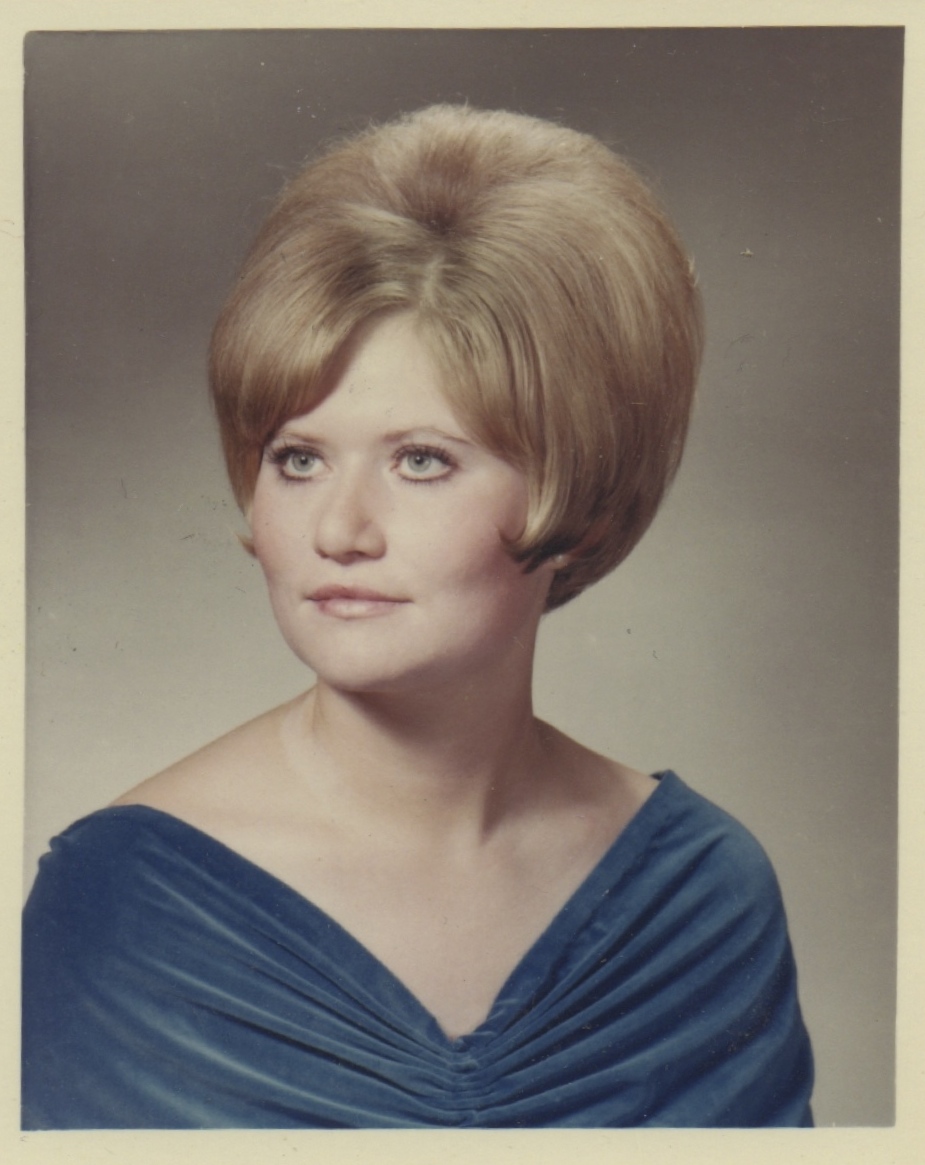
Now that I have been an adult for many many years, I have conquered most of its demands. I have found many hairstyles, only a few of them more ridiculous than sausage curls (see my college picture above as an illustration of this fact) and attempted only one additional instrument, the guitar. Having played only solo or in duet with a college friend who tried to mold me into Joan Baez but failed, I did learn about seven chords and learned to adapt a whole succession of seventies songs to fit into those seven chords. I played for sing-alongs with the kids I counseled at summer camp and for groups of little neighbors around the world, who would come to my house on Saturday mornings to sing silly songs. And I have that guitar to this day. But I haven’t played it for years and harbor no illusions about my prowess. It is there for visiting friends who want to play for me and as a big, cumbersome, hard-to-store reminder that I can choose my own failures as surely as my own successes.

I am an adult like other adults—growing more childish year-by-year, but in my regression toward soft food and adult diapers, I will never sink so low as to repeat some mistakes of my youth. Never ever more sausage curls or flutes held aloft like punishment. And never again will I try to be different just to be different. “The Far Side” has shown that this is nothing that really needs to be aimed for. We all grow odd enough just following the path of nature, thereby furnishing the humor for all the generations that follow us.

The Prompt: As a kid, you must have imagined what it was like to be an adult. Now that you’re a grownup (or becoming one), how far off was your idea of adult life?

P.S. Thirty years after high school, when I was doing an art show in Oregon, a man walked by my display and then did an about-face and came back and said, “You’re Judy Dykstra, aren’t you?”  I admitted the fact and asked him how he knew me.  He said he was 5 years behind me in school in the small South Dakota town where I grew up.  He was a country boy and since we’d never been in school together, I didn’t recognize him but did recognize the family name.

“How in the world did you even know what I looked like, let alone recognize me thirty years later?” I asked.

“Well, a bunch of us used to collect in the the school library and look at old annuals,” he said.  “I recognize you from your high school picture.”  Suddenly, it all came clear.

“You used to look at them to laugh at all the funny hairstyles, didn’t you?”   Sheepishly, he laughed and admitted it.  I had hit the nail (or the girl?) right on the head!!!!

NOSTALGIA: POPCORN AT THE NICKELODEON

POPCORN AT THE NICKELODEON

The Nickelodeon Theater in Santa Cruz, CA, is the only theater I’ve ever known where one can literally just show up and watch whatever movie is coming up next and not be disappointed. (And unlike most modern theaters, starting times for movies are staggered so no matter what time one arrives, it is never necessary to wait longer than 20 or 30 minutes for a movie to start.) An old building with some of the viewing rooms so small that they only accommodate 60 people, others the size of a regular small theater, they show foreign and independent films as well as films suggested by viewers in a big book left in the lobby for customers to record their comments.

Santa Cruz is a small town on the ocean where new hippies are still being born—a town whose university is built on a mountainside covered with redwood trees. The school boasts an organic farm, a succulent garden, and running tracks where joggers are known to have encountered jaguars. It is the town where deadheads used to hang out between tours and where a local restauranteer went to jail countless times for opening up a free soup kitchen for the homeless on the street and another man went to jail for routinely putting quarters in the lapsed parking meters of strangers.

Obviously, the town government was not always in sync with the thoughts of its citizens, but the Nick always was. This is where I watched “My Life as a Dog” and “Bagdad Cafe” three times each, as well as “Killer Klowns from Outer Space” and “The Lost Boys”—two bizarre little films shot in Santa Cruz and featuring familiar locations such as the boardwalk and beach. A small town girl who traveled for 4 years after graduating from college and who then moved to another small town, I had never lived in a town with alternative theaters until I moved to California, and although I had occasionally seen art and independent films, in an era before computers and savvy television made the whole world of film available to viewers, the Nickelodeon was a mind-expanding experience.

Now I live in Mexico, where what foreign and art films are available tend to be dubbed in Spanish. Yes, one can get almost any film on one’s computer now, but it is not the same as sitting in a small room chuckling and crying, surrounded by an audience of 60-300 of one’s peers, munching giant tubs of popcorn covered with brewer’s yeast (offered in shakers right next to the salt)—a tub that comes along with promises of a free refill for those with an unlimited appetite for popped corn.

A year after I Ieft Santa Cruz, The Nick bought the Del Mar—a regular theater with three much larger viewing rooms. That theater continued the tradition of showing movies unavailable in other venues and had the same policies, but the smaller theater continued to function and whenever I went back to Santa Cruz—once for a wedding and other times just to visit friends—it is the original theater I headed for. Some things just can’t be improved upon. The Nick has now expanded its family to include the Aptos Theater. All three theaters continue the tradition of showing wonderful indie, art and foreign films.

I love Mexico, but other than friends from El Norte, the Nick is probably the thing I miss most about my former home. In a minute, it is the feature or landmark I’d choose first to have transported to Ajijic. I’d position it near our own malecón that runs along the lakeside near the pier and I would happily leave my own big screen Smart TV and drive for 15 minutes to join once again with others ready to be delighted by whatever offerings it presented.

Daily Prompt: City Planners. If you could clone one element from another city you’ve visited — a building, a cultural institution, a common street food, etc. — and bring it back to your own hometown, what would it be?

Immigration, Misspelled Inspiration and Soap Dispensers

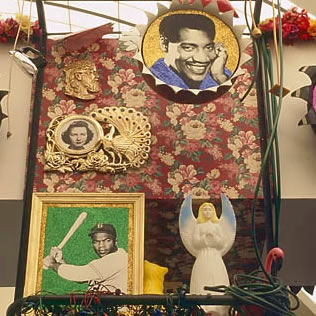
"Southern Icons of the 20th Century"  By Joni Mabe

“Southern Icons of the 20th Century” by Joni Mabe

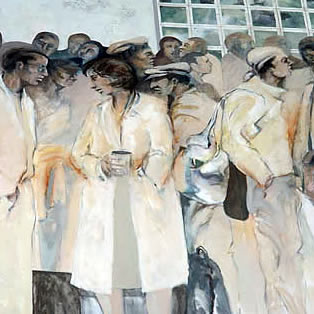
"Travelers"  By Larry Walker

“Travelers” By Larry Walker

Yesterday, I arose at 3 a.m. (after just 3 hours of sleep) to be driven by taxi to the Guadalajara airport to catch a plane to Dallas/Ft. Worth where I would catch a connecting flight on to St. Louis, MO. After visiting Mexican immigration at one end of the airport and pulling two heavy bags the length of the airport to wait in the American Airlines line for an hour, I discovered that bad weather in Dallas had caused them to cancel all flights, and would it be convenient for me to come back tomorrow? No, coming back tomorrow was not convenient! Not only was a friend waiting for me in St. Louis, but the additional two taxi fares would amount to my taxis costing more than my airline flight. American was able to schedule me onto a later Delta flight and so it is that at the hour when I should have arrived in St. Louis, I am instead in the Atlanta airport with three hours left before my flight leaves, sitting next to a man who snuffles like a pig every 30 seconds, held prisoner by the electric power strip providing juice to the loyal MacBook Air that is making it possible for me to tell you today’s story.

If you’ve ever gone through your customs and immigration check in Atlanta, you probably already know what I have discovered: that the Atlanta airport has the longest walk and most circuitous queue lines of any airport so far experienced, after which you arrive at an automatic passport check where you scan your own passport, pose for the most unflattering picture possible, then go through yet another maze that is nothing short of an endurance check/ordeal after which you wait in line forever along with 500 other travelers to again be sorted into lines by an immigration employee on the job for the first day (she told me so) who for some reason has a grudge against your line to the point that the other two lines are empty before she sees fit to select people from the pariah line to again get in line to see one of the 4 humans assigned to double check our worthiness to enter the U.S., walk for another 15 minutes to retrieve our luggage and then wait in yet another line for customs.

By the time I actually made it through customs and began my loooooooong trek to where I could catch a train to another concourse, I was as perspiration-soaked as if I had been through an hour-long workout at the gym. You will have guessed right if you are thinking that once I arrived on “B” concourse, I discovered that my gate was the last one on the concourse. Of course it was! There is, however, a fact that mitigates all of the frustration previously endured, for the corridors of the Atlanta airport leading from the plane to Immigration are lined with some of the best and most varied art I’ve ever seen in any airport exhibition and most art museums. Collage, wall sculpture and paintings made me wish the automatic walkways would stall to give me time enough to actually look at the art—with the result that I got off the moving walkway to walk back to do just that. With no hands free to record any of the names of artists, I’ll just have to leave it to Google or airport authorities to give you more specific information, but the art was whimsical, colorful, original, thought-provoking and sometimes naïf. (For certain of those outsider art pieces giving exhaustive social commentary, do not judge the artistic merit by the spelling.)

A $13 pulled-pork plate assuaged my appetite as at that time it had been 13 hours since I arose to drive to the airport and begin my long day’s journey. But it was a trip to the ladies room that assured me that I was in fact back in the good old U.S.A. Spotless cleanliness, two full toilet paper rolls, paper seat covers, a hook to hang my purse, enough room to store my carry-on rolling bag without having to squeeze myself into a corner to do so, a self-flushing toilet that actually flushed and the piéce de résistance—A SHELF TO PUT MY DRINK ON!!!! Upon my easy exit from the roomy stall, I enjoyed an automatic foam soap dispenser installed in the sink next to the warm water faucet, then found paper towels and trash can within easy reach. This of course made me remember (with no nostalgia) the new movie theater in Ajijic, Mexico—my home town for the past 13 years—where only one sink of the eight present actually works and is, of course, the one furthest away from the only towel dispenser. Ah, Atlanta airport. I forgive thee for all other sins.