Category Archives: Mexico

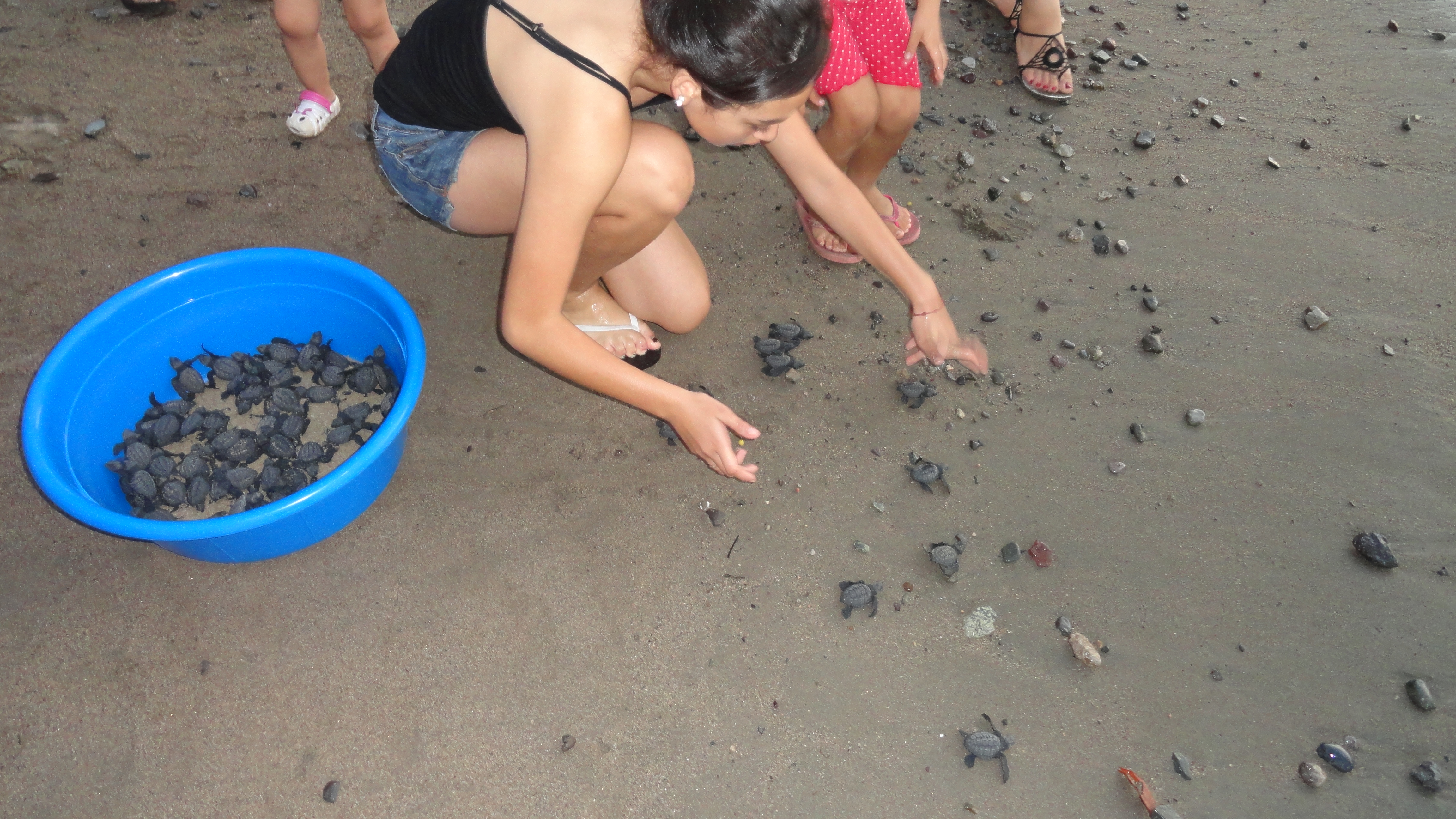
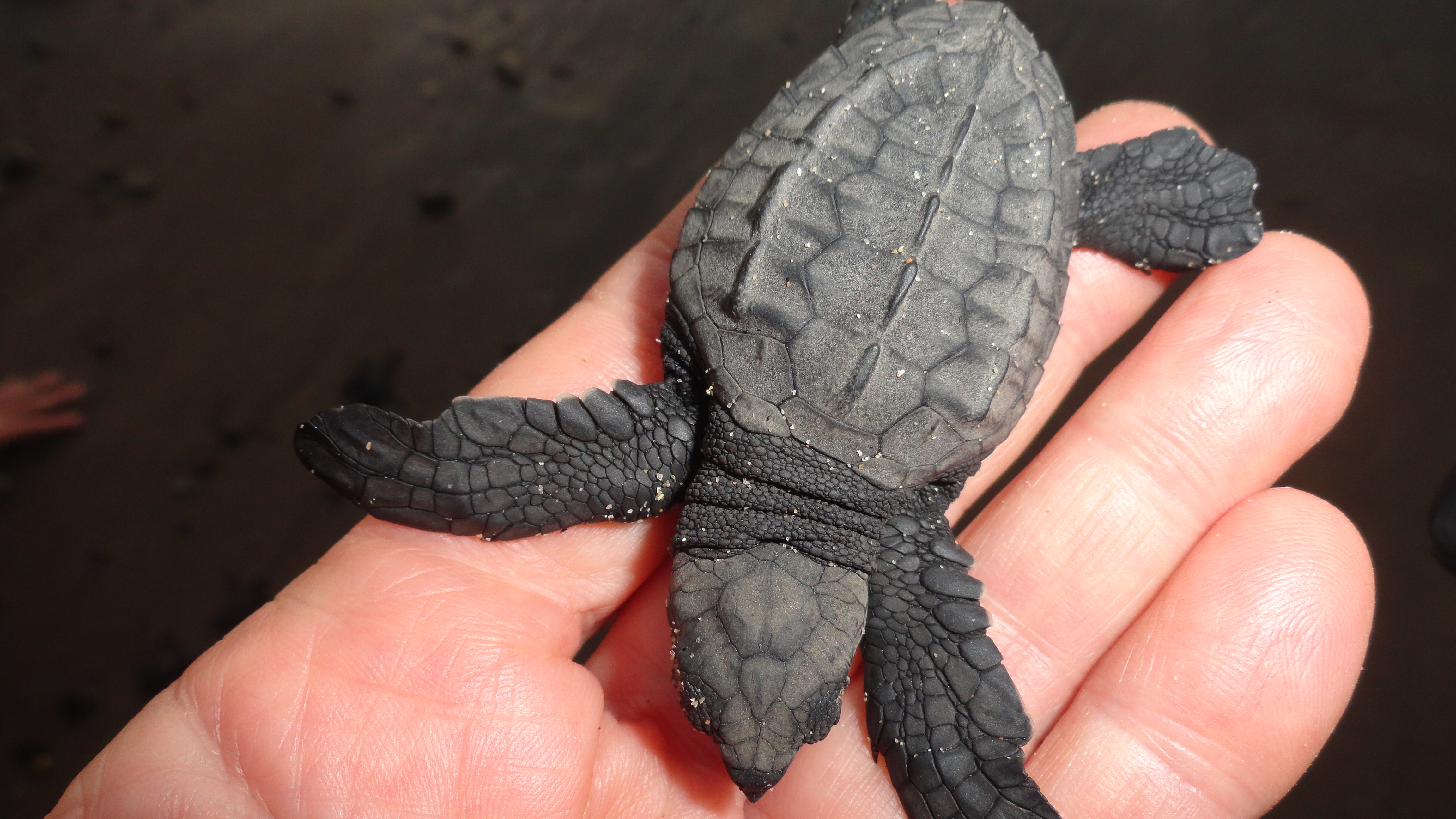
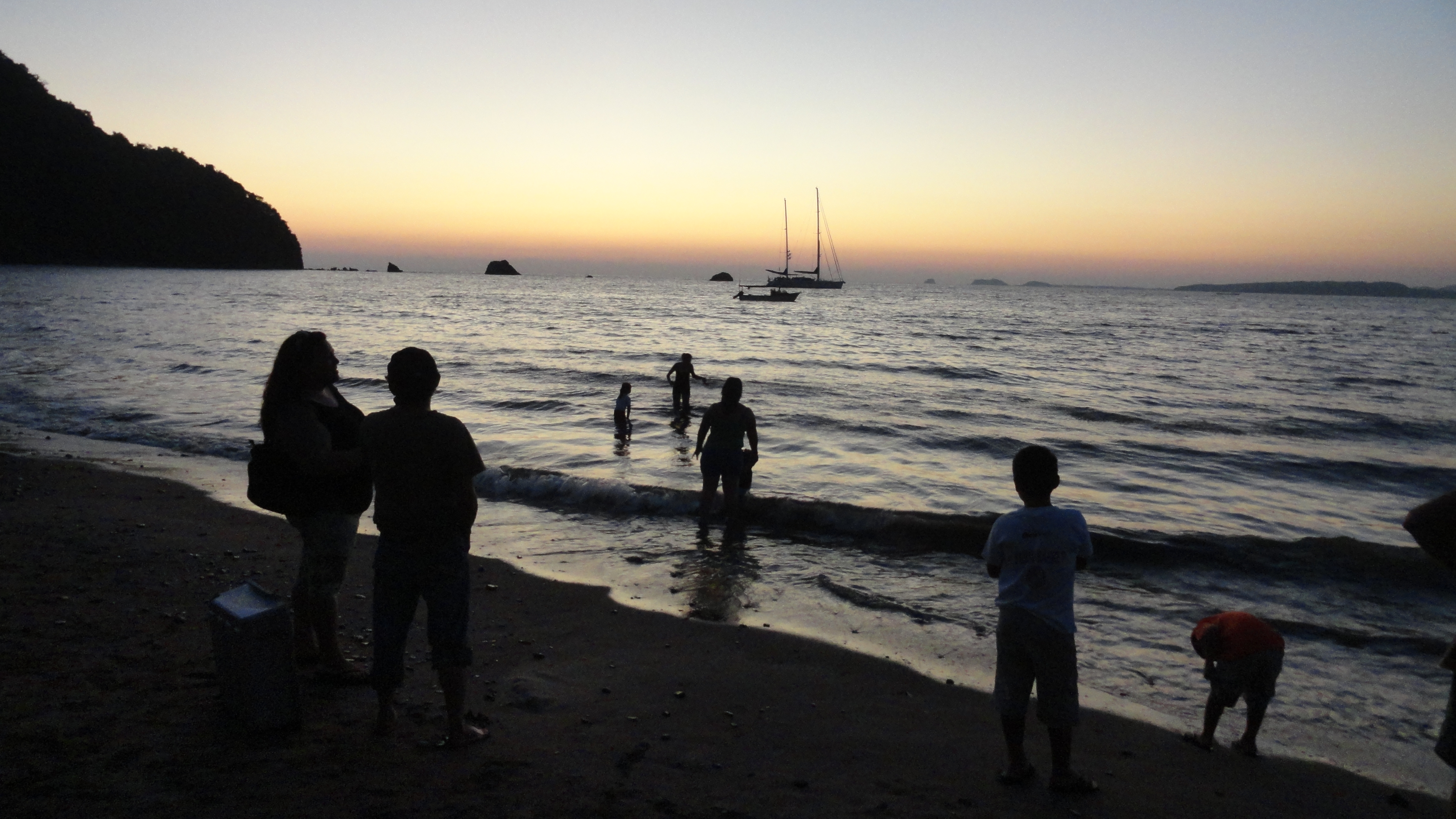
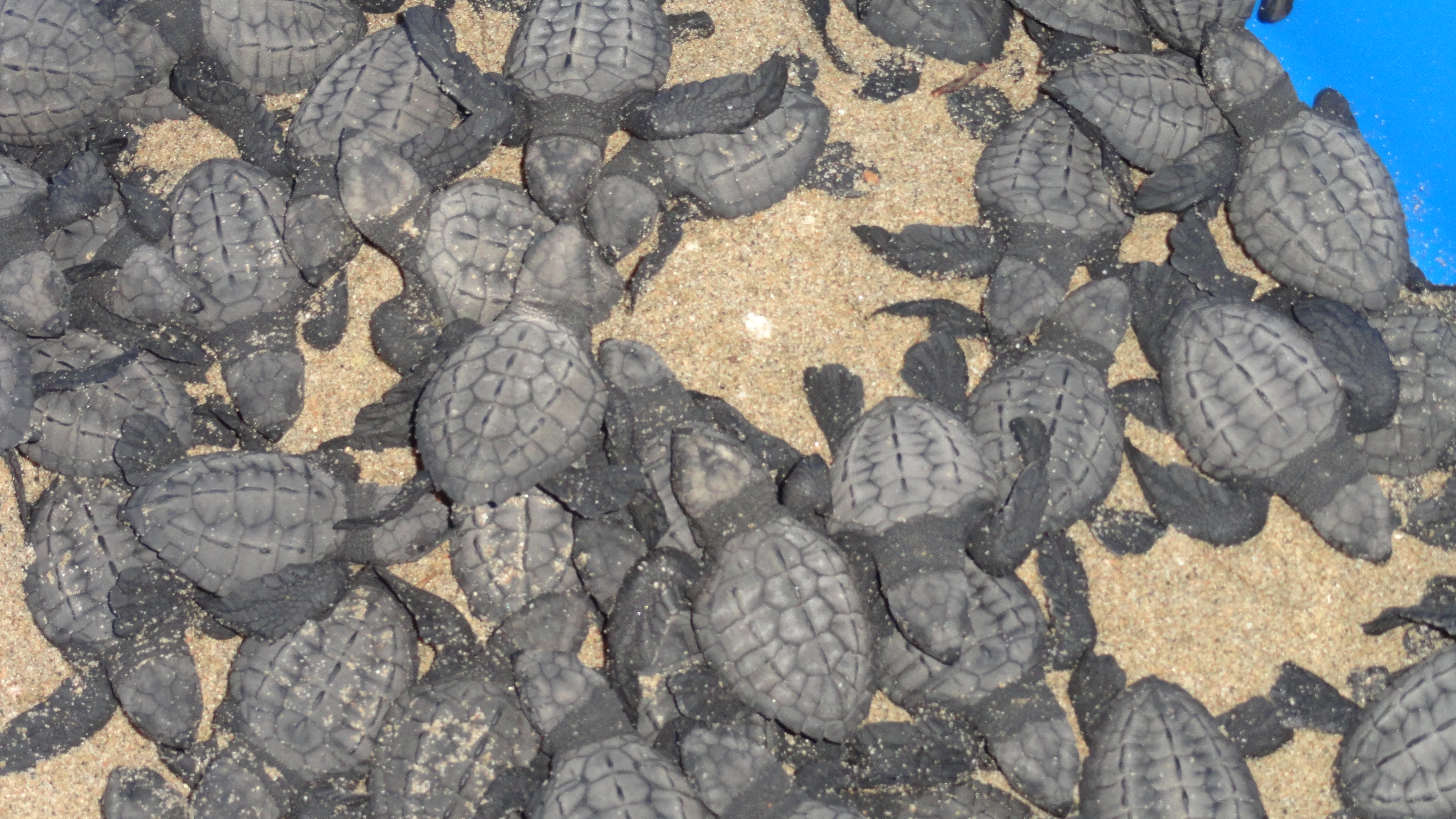
Putting the Tiny Sea Turtles into the Sea

DSC00181 DSC00184 DSC00188
DSC00195

Cruel Harvest

In this middle morning,
pelicans drop like hail on the surface of the water.
This is not their usual style,
for they do not dive headfirst
and squeeze bills to necks
and swallow as before,
but merely float and dip their beaks
and raise their heads and dip again.

I hope it is not the tiny sea turtles
that we put in the water last night
that they are feeding on like hors d’oeuvres,
greedily.
But surely those turtles,
placed in to swim away 15 hours ago
are elsewhere than this,
facing other dangers, no doubt,
but at least to one I don’t bear witness to.

 We had waited until sunset
when the birds had gone
to lift the tiny creatures
from their plastic world
and set them,
confused and stunned,
upon the sand
to turn in circles
until we placed them right again
and again,
sometimes patting their tails
to encourage their voyage
to a new life shocking in its largeness.

 “What is this
lifting up and putting down?”
they must think,
“and then this broad expanse
that lifts us, spins us,
submerges us?
We lift our heads and swim,
then tumble, in shock.
What more has life to surprise us with?
First bursting from the shell that had protected us
now this thrusting into a colder world.”

Children squeal with glee and are warned by elders
not to step back lest they step on turtles that surround us all.
All of us look backwards as we step.
Cameras clicking,
voices in English, Spanish, French—
all enchanted with these creatures perfectly formed
with black flippers and beautiful shells.
We see their tiny heads like periscopes above the waves—
swarms of them at first and then separate,
swimming off to their individual fates.
Fifteen minutes later, the rising action
features a solitary pelican that swoops for one
and then another and another
bedtime snack.
“No,” we scream.
One woman throws a rock.
These pelicans that have enchanted me for weeks
as I watched their graceful flight and sure plummetings,
now prompt a new story.
They are villains, stopping new life,
bringing back the theme I am so aware of here
for these weeks floating in the sea.

Every organism, every animal, every person on this earth
lives only by merit of the death of others.
When life ends in infancy, how sad, how sad, we say;
but also say seeing the full grown pelican on the beach,
bleached to bones,
its beak sealed shut with a plastic circle from a six pack
or the needlefish, stretched on the sand and picked by carrion.
Never so obvious as here, this feeding of life on life
and never so startling as when we place the baby turtles
on the sand, wanting to save one for ourselves,
but knowing this action has a larger purpose than that.

We surrender them to their life apart from us,
then moments later,
see the pelican feed on them
guiltlessly,
living his place in the world.
Oh that I, too, had acted more selfishly—
palming the tiny turtle,
putting it in my loose pocket,
keeping it safe
away from that broad sea
that has so many means
by which to claim it.

Frozen

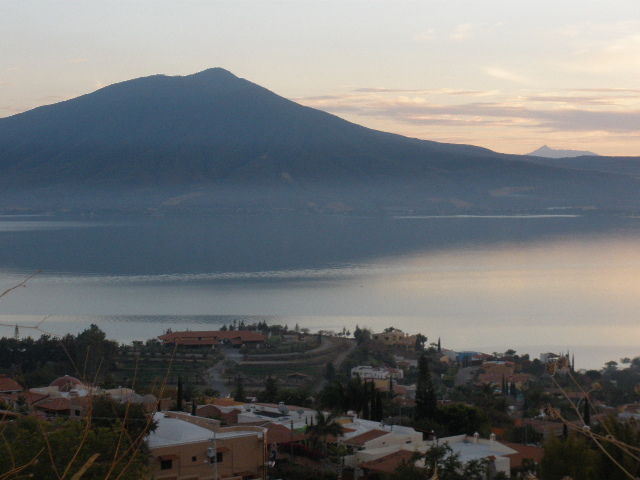
  OLYMPUS DIGITAL CAMERA That little peak you see peeking over the shoulder of the big mountain we all call Senor Garcia is the sister peak to Colima Volcano, who gifts us with the 120 degree steaming hot water that streams into our pools, hot tubs and cisterns in the neighborhood above San Juan Cosala, where I live.

Frozen

Lately, the mornings had grown crisp. Even here, below the tropic of Cancer, where they were rumored to have the second best climate in the world, they suffered a few weeks of weather where she regretted having neither heat nor air conditioning in her house. Its brick and concrete walls held-in the cool air. In the summer, this was a welcome fact. Now, in mid-November, it created the effect of the cold storage locker at the butcher shop in the small South Dakota town where she had grown up.

The butcher shop had a room-sized walk-in freezer that functioned as a meat safety-deposit vault. People in the town paid to rent private lockers. Ranchers could bring  a live cow to the butcher and he and his family would kill it, age the meat, wrap it in neat packages labeled hamburger, rib eye, chuck roast, rump roast or sirloin; and then stow it away in drawers big enough to hold an entire dismantled cow. When she was very small, she could remember going to the locker with her mother or father to get the week’s meat from the drawer that had their name scrawled on a piece of masking tape stuck on its front.

The locker also sold ice cream sandwiches by the carton of 50 or so, which they would take home and store in the freezer compartment of their refrigerator. They were square little bars—half the size of the bigger ones you could buy individually at the supermarket, and she grew chubby the year she turned nine—probably mainly due to her mother’s lack of rules about how many could be consumed daily. When the supply grew sparse, it was replenished by whoever went to the locker—her mom or dad or oldest sister.

It is early morning and she puts off getting out of bed to face the brisk air. Water is streaming into the pool. She can hear its hiss as the hot volcanic water hits the cooler water of the pool. Pasiano the gardener clears his throat. Later, when Yolanda arrives, the dogs will grow restless and bark to be fed. It is not the bright morning promised by the precognition of the weather channel. Even through the white scrim of the manta cloth drapes, She can tell that the sun is muted. The past two days have been marked by intermittent rain showers coming from a sky permanently cottoned-over by a layer of clouds that now and then the sun peeks through. As she lies in bed typing, she can see a light ray through the curtains, but it fades quickly away.

8:01. It is now legal for the noises of the day to begin. The neighbor’s spoiled son roars by in his ATV that is muffler-less. The harsh sound slashes a gash through the gentler sounds of the day: the whisk whisk whisk of Pasiano’s broom, the surge as a steadier supply of hot water streams into the pool from the pipe hidden within the concrete form of a plumed serpent that spews water from between the fangs of its open mouth.

She has fantasized about stringing a wire across the cobblestone road to spill that teenaged brat from his ugly machine. This is the violence prompted by an early morning slaughtered by his ear-splitting exit. On weekends, he is up the hill and down the hill with his friends. Once, when she went to protest, they steered their monster tricycles in her direction, veering off just as she jumped back onto the sidewalk. She couldn’t hear their laughs above the deafening din of three bikes, but the girls on the back of the vehicles  turned to look at her as they roared away, and their mouths were stretched in broad grins of amusement over this aged gringo who had come out with a frown to comment on the fun of youth.

They have gone. She can hear their mechanical beasts speeding down the road toward the carretera, their loud roars terrorizing neighborhood after neighborhood as they pass. She returns to the house to make the phone call to the office that will protest this noise and this small terrorist action.

“Yes, senora, we will look into it.”

“Will you call their father this time?”

“Yes, senora. The father is in Guadalajara now, but when he comes, we will call him.”

“They veered their bikes toward me so I had to jump back on the sidewalk!”

“Yes, senora. We will tell them.”

She hangs up knowing they will not tell the parents anything. They are important enough to have a huge house here in the tennis club where she lives— house they use on occasional weekends. A house which sits empty for most of the year. A house where they once brought their children and their cousins and friends to swim in the steaming hot water of the club pool or their own pools. A party house for their children, now that they have reached their teen years.
The father would be an important business man with connections, perhaps a judge or politician. It was rumored that one of the houses on her street, one further up the mountainside, was owned by a member of the cartel.

Whatever the truth of this, the complaint would not be made. In Mexico, so long as their misdeeds did not come too completely to the surface, the rich were invulnerable—cushioned by a layer of privilege augmented by mordida. No foreigner who chose to come up against a Mexican would ever win—no matter how large the misdeed. Murderers might be caught, but the case would then fade away in time so that they might never be tried, but again would be released on some technicality given birth to by mordida. Houses and land paid for in full by gringos could be reclaimed by entrepreneurs or ejidos powerful enough to know the right judge or the right politician.

Now the roar of the ATV’s is forgotten with the passing of the first truck hauling gravel and stone up to the construction site at the highest point presently reachable on the mountain. One day those mountains that rose so beautifully above her would be filled with houses to the very top; but for now, as the noise of the churning engine fades into the cold white sky, she contemplates what she will write about now that the demands of the prompt have been met. She will not write a funny rhyme today. Her mind has already been trapped by the mood prompted by the demands of this day’s topic.

She wonders how the parts of what she has written can be brought together. It is as though she has written a beginning and an end with no middle. Perhaps that was how a novel was begun in the mind of a novelist—to start out with meat in a cold storage locker and end up with a neighbor’s son terrorizing the neighborhood on an ATV. Was that how it went? Could she stuff those two vignettes with enough information to stretch them apart like a bota bag full of sweet wine? Did she have the capacity to grow those grapes, the skill to ferment them and siphon them into the bag she has created on this cloudy morning that only now was beginning to let the rays of sunlight through? That strong Mexican sun made more powerful by the high elevation of this place at the almost top of a mountain on a street set at such an angle that if there were ever snow here, she could step outside her house and sled in one straight line down to the lake that was a mile away, across its frozen surface, all the way to the other side.

The Prompt: Today you can write about anything, in whatever genre or form, but your post must include a speeding car, a phone call, and a crisp, bright morning. (Wildcard: you can swap any of the above for a good joke.)

HALLOW E’EN

1913688_1136038127859_5133796_n
The Prompt: Trick or Trick—It’s Halloween, & you just ran out of candy. If the neighborhood kids (or anyone else, really) were to truly scare you, what trick would they have to subject you to?

Hallow E’en

They pound upon my door and wait outside my wall.
One climbs a tree to peer within. I hope he doesn’t fall.
I cower here within my house. Perhaps they’ll go away.
Though I am not religious, eventually I pray.

Their little voices raise a pitch. They start to bay and howl.
There’s a flutter in my heart region, a clutching in my bowel.
I purchased Reese’s Pieces and miniature Kit Kats
just for all these masked and costumed little brats.

My motives were unselfish. The candy was for them,
for I don’t eat much candy in efforts to grow slim.
And yet that bag of Reese’s, those small Kit Kats and such
called to me from where they were sequestered in my hutch.

It started with a whisper, hissing out their wish:
“We would look so pretty laid out on a dish!”
I knew that they were evil. I knew it was a trap.
I tried hard to resist them, my hands clenched in my lap.

I turned up my computer, listening to “The Voice.”
Those candy bars would not be seen till Halloween—my choice!
My willpower was solid. No candy ruled me.
(If that were true, no kids would now be climbing up my tree.)

Yes, it is true I weakened. I listened to their nags.
I took the candy from the shelf and opened up the bags.
Their wrappers looked so pretty put out for display
in one big bowl so colorful, lying this-a-way

and that-a-way, all mixed and jumbled up together.
No danger of their melting in this cooler weather.
I put them on the table, then put them on a shelf,
so I would not be tempted to have one for myself.

When people came to visit, I put them by my bed.
Lest they misunderstand and eat them all instead.
Then when I was sleeping, one tumbled off the top.
I heard it landing with a rustle and a little “plop.”

I opened up one eye and saw it lying there
just one inch from where I lay, tangled in my hair.
Its wrapper was so pretty—foiled and multi-hued.
Some evil force took over as I opened it and chewed!

This started a small avalanche of wrappers on the floor
as I ripped & stuffed & chewed & swallowed more & more & more!
This story is not pretty but has to be confessed.
My only explanation is that I was possessed.

They pound upon my door and wait outside my wall,
but I have no candy for them. No treat for them at all.
Surrounded by the wrappers, bare bowl upon my lap,
I think I’ll just ignore them and take a little nap.

I hear them spilling o’er my wall and dropping down inside.
I try to think of what to do. Consider suicide.
They’re coming in to get me. Beating down my door.
They are intent on blood-letting—the Devil’s evil spore.

I guess it’s not the worst death a gal could ever get.
I’ve heard of much worse endings than death by chocolate!

1913688_1136038527869_395578_n1913688_1136038367865_7037617_n1913688_1136038287863_5588685_n1913688_1136038207861_6603987_n1913688_1136038167860_1696102_n1913688_1136038087858_6027993_n1913688_1136038007856_1648819_n1913688_1136037847852_2468748_n1913688_1136037767850_5683525_n1913688_1136037727849_5594428_n1913688_1136037567845_630735_n

Sunday Stills: Water

DSCF1721DSC09971DSCF1189IMG_0745DSC08938DSCF1665DSCF1205DSC00313 DSC00153 - Version 3

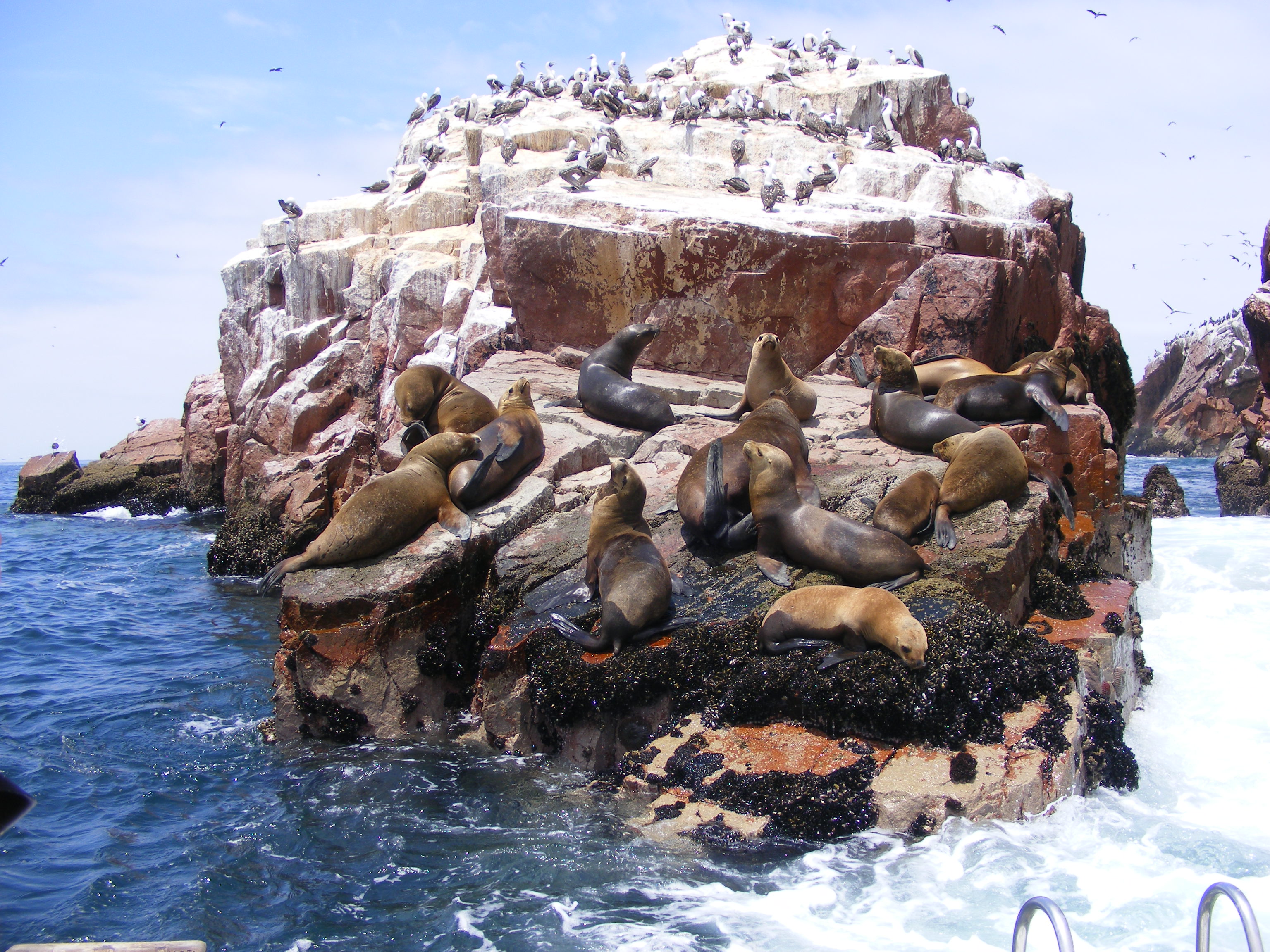
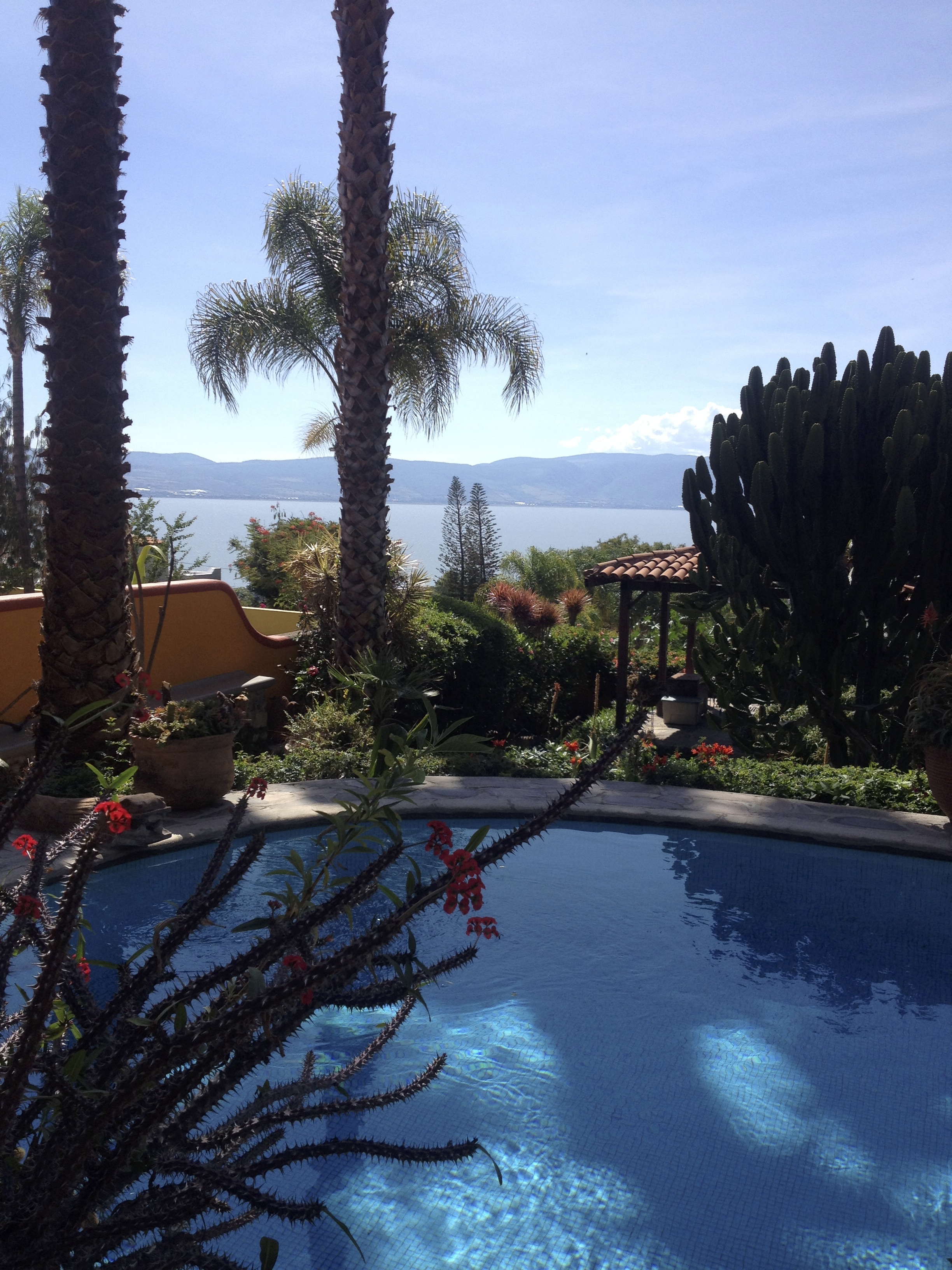
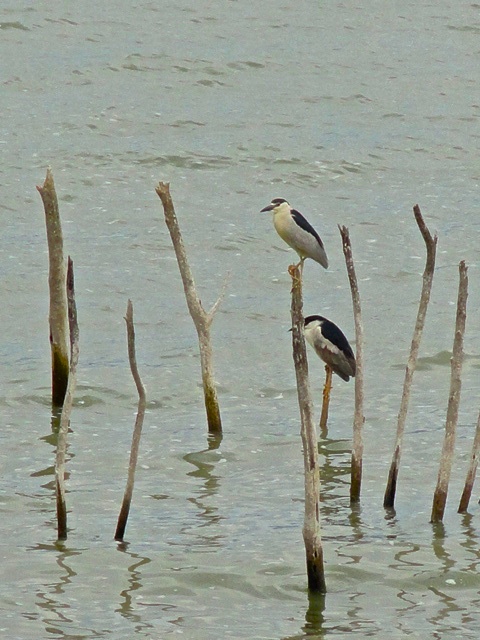
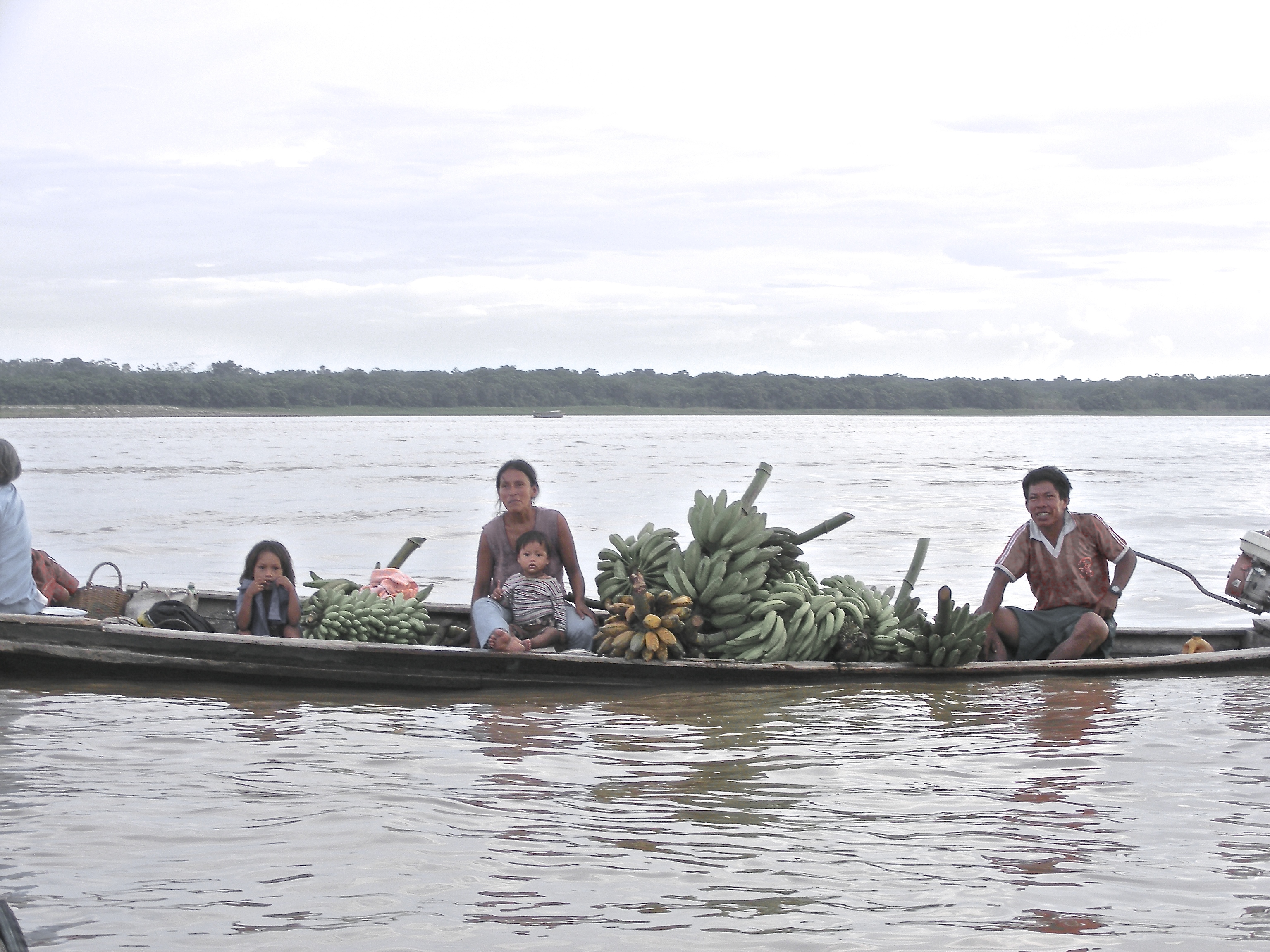
My water-themed pictures were taken at la Manzanilla beach, the Amazon River in Peru, Candelabra Island in Peru and my own pool/terrace overlooking Lake Chapala in Mexico.  Obviously, I couldn’t choose and actually could have posted hundreds more.  Water seems to be my “thing.”


There is Always Music


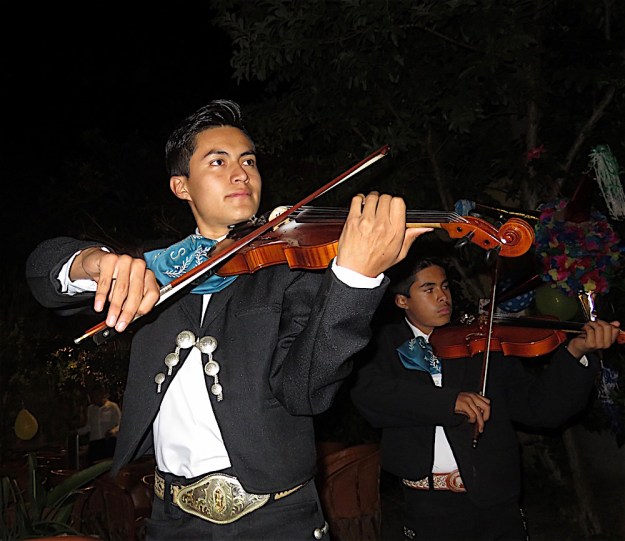
This is the young man who was absolutely world class but who can’t read a note of music!

There is Always Music

The music of Mexico is composed of a cacophony of sounds—all of them loud! Trumpets, drums, violins, guitars, tubas and trombones are backed up by fiesta revelers, insects, burros, cattle, roosters, fireworks, church bells, air brakes, stone drills and vendors driving the street with loudspeakers announcing gas, produce, knife-sharpening or bottled water for sale.

Living in Mexico is like living in a place where one or another of your neighbors celebrates a party every other day of the week. Patriotic holidays, weddings, saints days, baptisms, funerals, fifteenth birthdays—all are occasions for fiestas of often grand proportions; and although these parties do not always take place in your own neighborhood, the lake and mountains act as a sounding board which makes it sound as though they do.
Recently, it has become the style to set off fireworks from a boat positioned mid lake to celebrate nuptials. Then loud music and loudspeaker shouts proceed far into the night. Tonight as I got home a half hour before midnight, the music was so loud that it could have been coming from the house next door, but it was coming from a large hall on the carretera a half mile away. It was a wedding party I had seen the beginnings of earlier in the day, now grown into a full-scale bash.

The loudest celebrations are held on saints’ days or national holidays. These celebrations are frequent, as in addition to the usual holidays such as Dia de la Independencia and Aniversario del Revolución, each town has a ten-day celebration of the town’s patron saint. During one week-long celebration in the nearby town of Ajijic, it is rumored that 10,000 bottle rockets were set off, each of them launched into the air and exploding at the decibel level of a cherry bomb.

To demonstrate the frequency of such celebrations, take the six-day period of April 30 to May 5. The most famous Mexican holiday in the U.S. is Cinco del Mayo, but in Mexico, but in Mexico it is a celebration of minor importance. There are four other major holidays in the five days leading up to it, all of them more important. The week starts out on April 31 with El Dia del Nino, a celebration and parade for the day of the child, followed the next day by labor day—Dia del Trabajo—the day of the laborer. After a day’s vacation from holidays, there is Dia de Santa Cruz, followed two days later by Cinco de Mayo, the commemoration of the Battle of Pueblo. All of these celebrations bring with them the sounds of revelry: loud banda music, fireworks, guns fired into the air and the accompanying barks of protesting dogs and encouragement of human revelers.

In December, Christmas is preceded by the week-long commemoration of the Virgin of Guadalupe, which in my village is the occasion for hundreds of plant-decked altars to be set up along the streets in front of houses, garlands over the street and cobblestones strewn with fresh alfalfa. One day in early December, a neighbor came by to visit. Later, we went for a walk in the San Juan Cosala main plaza. The most beautiful feature of the square was a large faded portrait of the Virgin of Guadalupe that stood near the church. Flowers and lights surrounded it in preparation for her saint’s day. Unfortunately, one of the strings of colored lights that swathed the portrait was a musical strand. In the fifteen minutes we took to traverse the square, we heard nasal computer-like renditions of, “I Wish You a Merry Christmas,” “Santa Claus is Coming to Town,” and “Rudolph the Red Nosed Reindeer.”

There is always music. Now the steady hum of the pump which recycles water from the jacuzzi to water the plants stops and I hear the steady whisk whisk whisk of the gardener’s broom on the stone patio. Outside hundreds of bees hum around the Virginia creeper that blankets the awning over the patio.
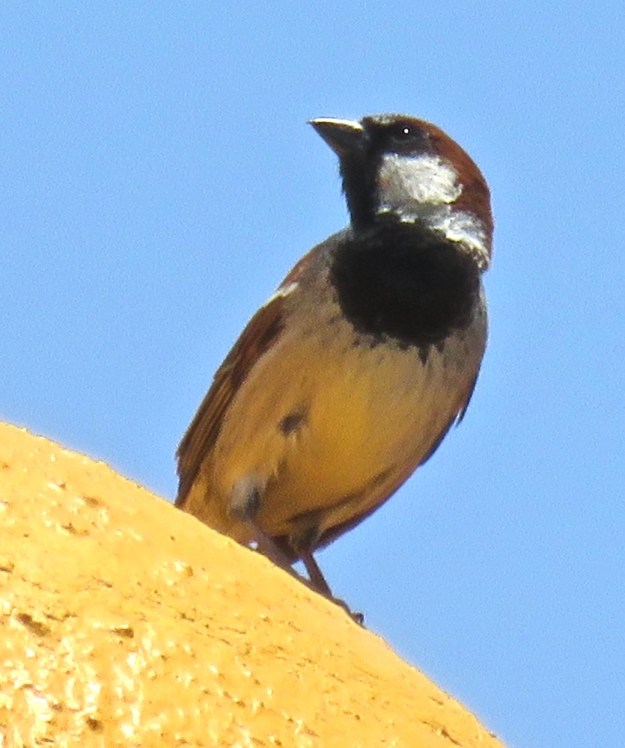
Birds furnish a counterpoint harmony to these domestic arias. In the few months that I have been living here, I believe I’ve heard whippoorwills, Baltimore orioles, grackles, and tanagers. I have heard the mysterious night call of a bird with a voice disguised as an interloper whispering, “Pssssst. Pssssst.” (I have since learned that this is probably an insect.) I have never seen either this bird or the bird whose call sounds like a squeegee being scraped against a chalkboard, but I did eventually see the ubiquitous insect called a rainbird (local name for a cicada) whose voices (by the thousands) proceed from a few seconds of castanet sounds to the buzz saw melody that fills the hills and trees around my house with their mating music in May and June .

In my first six months living lakeside, my solitude has been broken by few people other than my housekeeper, gardener, workers and repairmen who make daily pilgrimages to my house to correct problems at about the same rate as they create them. When now and then they switch off the loud competing blarings of their individual radios, I hear music in the noises of their industry as they administer to the house and grounds like neophytes to a high priestess. It is the house that is the god here, not me. I sit in another part of it making my own music on the keys of my laptop.

This morning, I awoke to the chink chink chink of the gardener’s shovel as he dug concrete chunks from the flowerbed beside my pool. He used neither of the new shovels I bought him, but instead the flat edged old shovel with the handle broken in half. I have stopped demanding or even suggesting that anyone do things the easy way. The squeegee sits dry in the storeroom along with the dried out sponge mop. Nearby are the damp rags and buckets are are actually used to wash the windows; and in the living room, I can hear the rhythmic slosh of Lourdes moving the string mop that is used so frequently that it rarely dries out.

On Monday, as Lourdes ironed in the spare room, I asked if she wished to listen to my Spanish/English tapes. If it is true that she will soon go to join relatives in the States, she should know some English. She nodded yes enthusiastically, but after one cycle, she removed the tape and switched to the radio. I could hear her singing along even two rooms away through two closed doors. She sang slightly off key, in a happy voice, unaware that anyone listened. In the afternoon, she ironed 30 garments, even though I had asked her to iron only three. As she ironed, she sang.

Every day I learn more about Mexico. On this day I have learned this. The pool man may be missing, there may be no water in the aljibe (cistern), and you can be sure that if you need hardware, the hardware store will be closed for comida (the afternoon meal). If you want to go to the restaurant you have passed twenty times, on the day you go it will be closed. There is a page-long list of things my house needs that I cannot find. But on this day, I learned of one thing that you can always find. In Mexico, there is always music.
                                                                                                                   –by Judy Dykstra-Brown


Twenty years ago when I moved to Mexico, I wrote the above piece for a local magazine and when the time came that I wanted a local artist, Isidro Xilonxochitl, to paint a mural on my outside wall, I asked him to use the themes from my essay.

He painted a wall covered by birds and insects, but also wrote a poem in Spanish that I translated into English.  Wall damage made it necessary to paint over the mural years ago, but the poem is still painted on my wall.  If you can’t make it out from the photo, I’ve rewritten it below. (Note: Nahuatl is a language of the Uto-Aztecan language family.)
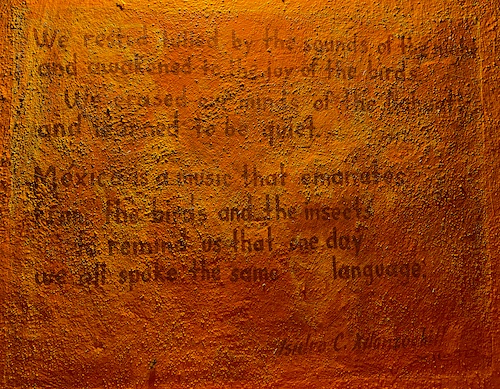
We rested lulled by the sounds of the night
and awakened to the joy of the birds.
We erased our minds of the Nahuatl
and learned to be quiet.

Mexico is a music that emanates
from the birds and the insects
to remind us that one day
we all spoke the same language.

                                  — Isidro C. Xilonsochitl
 

This post is for Sam, because he asked.
D-Picted (X-Rated)

                                                                               D-Picted (X-Rated)

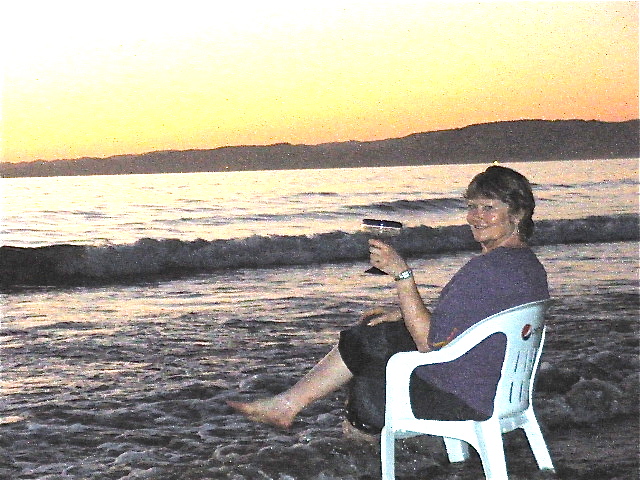
I was taking my daily sunset walk on the beach at La Manzanilla, Mexico when I came upon this idyllic scene. He was sipping a margarita and staring out to sea as the water ebbed and flowed—never reaching higher than his chair bottom. Of course, I had to comment.

OLYMPUS DIGITAL CAMERA

“Is the view good enough for you?” I queried, with a noticeable lack of originality.

“Do you want to see for yourself?” he asked. He quickly rose from his chair and motioned for me to take his place, taking my camera from my hand as he handed me his Margarita.
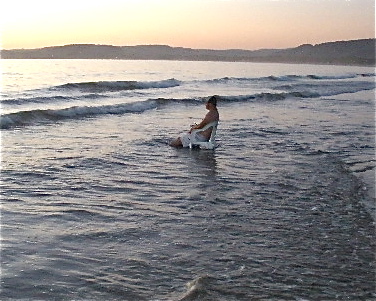
OLYMPUS DIGITAL CAMERA

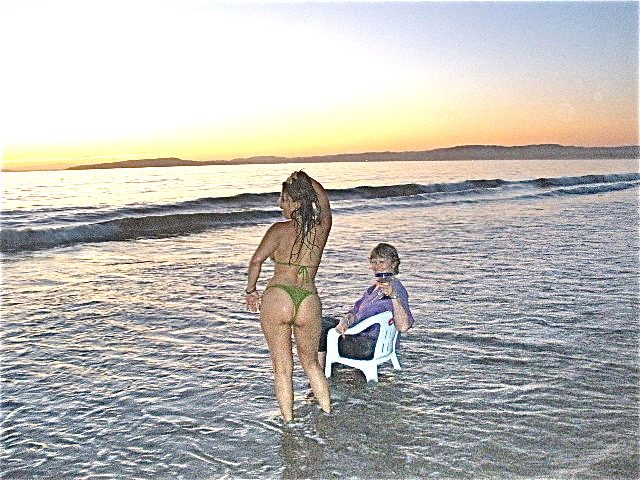
He told me to look his way as he turned the tide by taking a picture of me, and so I didn’t see at first a part of the landscape obvious in this next picture.

OLYMPUS DIGITAL CAMERA

But as often happens in an evening tide, that object quickly washed ashore to enter my picture,

OLYMPUS DIGITAL CAMERA

and quickly dominate it.

OLYMPUS DIGITAL CAMERA

The End

(I promise.  This was not a staged incident.  It happened exactly as I describe it with no prompting by me.  I love getting out in the world.  No imagined story ever duplicates what happens in real life!!)

The Prompt: Edge of the Frame—We often capture strangers in photos we take in public. Open your photo library, and stop at the first picture that features a person you don’t know. Now tell the story of that person.

Special Note to viewers of my blog:  Please also see the next posting “Sur-Prize” to enter a contest celebrating my 10,000th viewing.

The Brick Throwers

The Prompt: Reviving Bricks—You just inherited a dilapidated, crumbling-down grand mansion in the countryside. Assuming money is no issue, what do you do with it?

The Brick Throwers

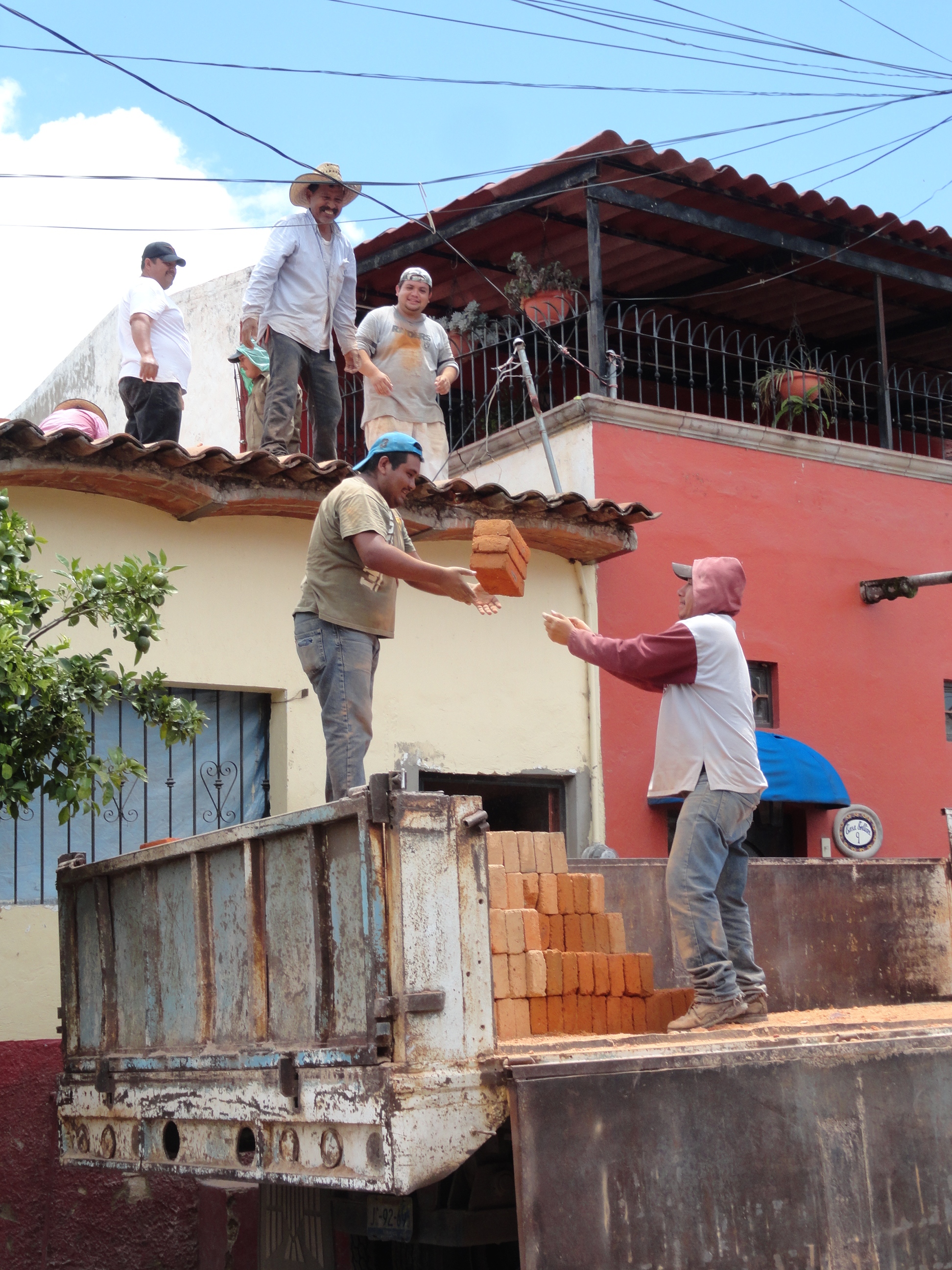
They were five in a chain from truck to rooftop,
each throwing the piles of adobe bricks
in stacks of four, from hand to hand
up from the bottom of the truckload
now nearly emptied.
Two of them waved me on
when I tried to park near,
my trunk full of heavy wall sculptures
to deliver to a gallery just half a block away.

And when I tried to park farther along the block,
again and again, they waved me away
until I was a block away and safe, I guess,
from straying bricks or errant cars that swerved
too far to the right to avoid the bricks or truck that held them.
They were a cheerful lot, and when I passed,
walking towards the gallery
carrying one sculpture after another,
they waved, and on my final trip back to the car,
again, the man second in the chain
who stood balanced on the highest level of the brick pyramid
that remained within the truckbed,
seemed to intuit my purpose, waving from me to them
as I drew my camera from my purse.
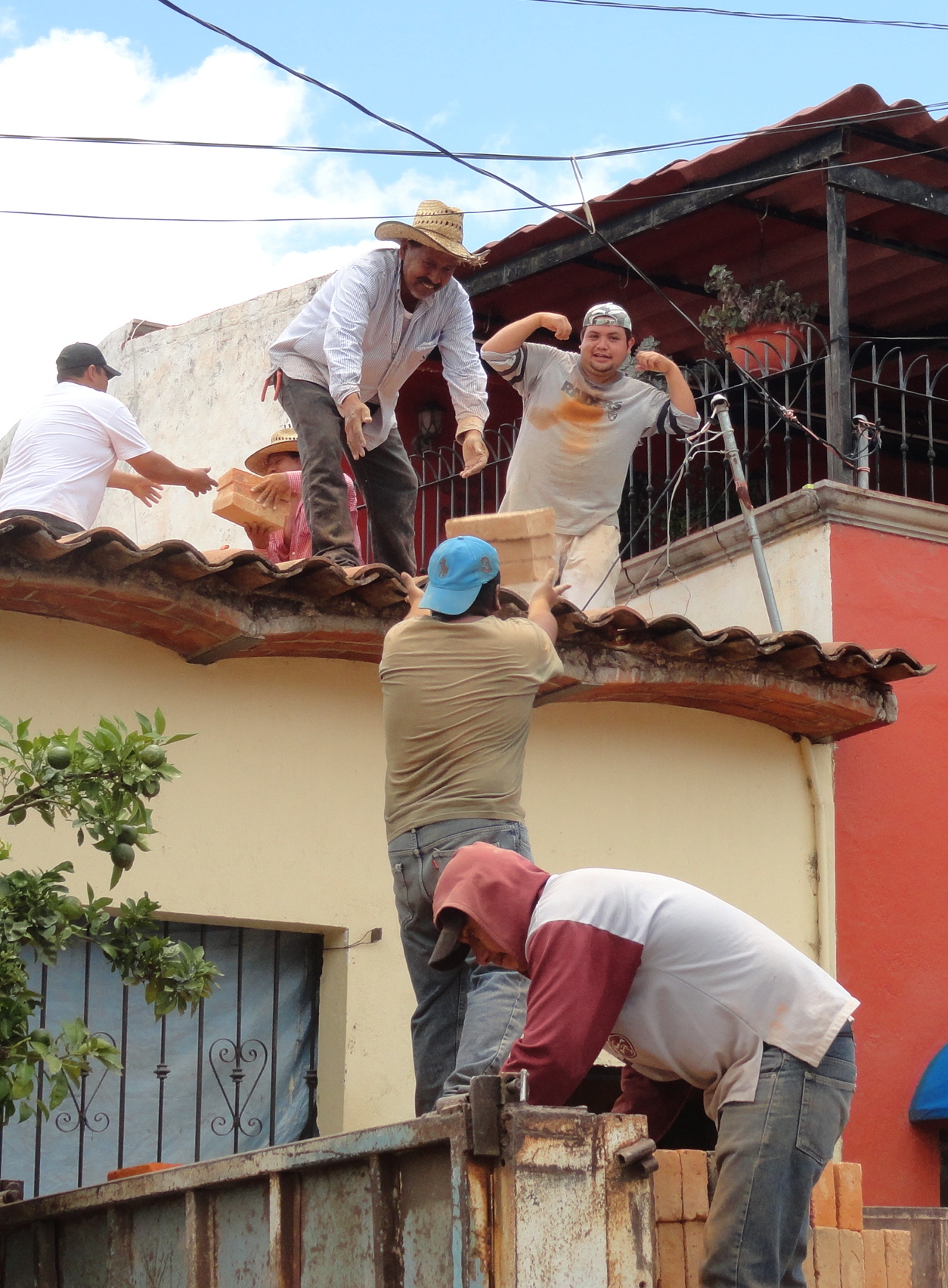
They all posed for minutes, miming their labor
as I tried to get them to actually throw, as before,
those piles of bricks, hoping to catch them
flying through the air between two pairs of hands.

Finally understanding, they threw and threw,
asking me for a prompt to help me catch that flight
I feared I’d never catch.

(more)

DSC07054

Minutes later, I turned to leave
and they, cheering and smiling in their fame,
turned back to that labor which is an art in Mexico:
giving bricks wings before mortaring them
into a permanency that holds them rigid for lifetimes
until they crumble back into that soil that was their nativity.

This poem should be a metaphor for something
and probably is.
Some future day, when I am moldering in my grave
like some lesser Ozymandius,
some graduate student or scholar of mediocre
Twenty-First-Century poetry might publish a treatise
revealing it.
And they will dig this website from the rubble
of the Internet and find
I wrote it as a daily prompt
and if such records still exist,
find how I hired those men to build a monument
from that crumbling manse of brick
that was my prompt on the Daily Post
and tell how they spent their lifetimes restoring it
and how their children and their children’s children
have benefited from catcalls
and instructions to move on down the line
and the clicking of a camera lens
and from one who follows blindly
where each prompt leads her.

DSC07049

Nesting (May 3, 2014)

                                                                           Nesting
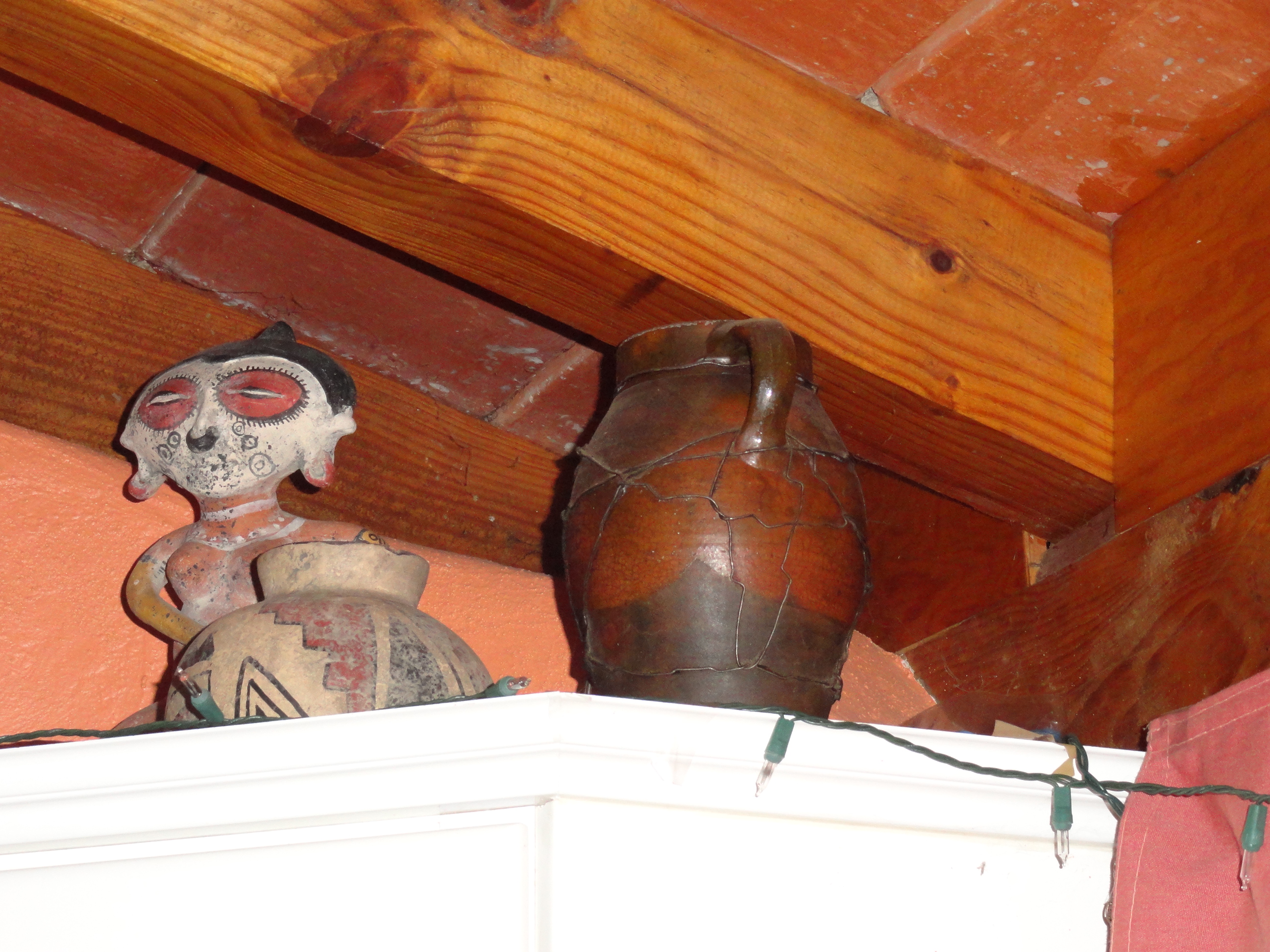
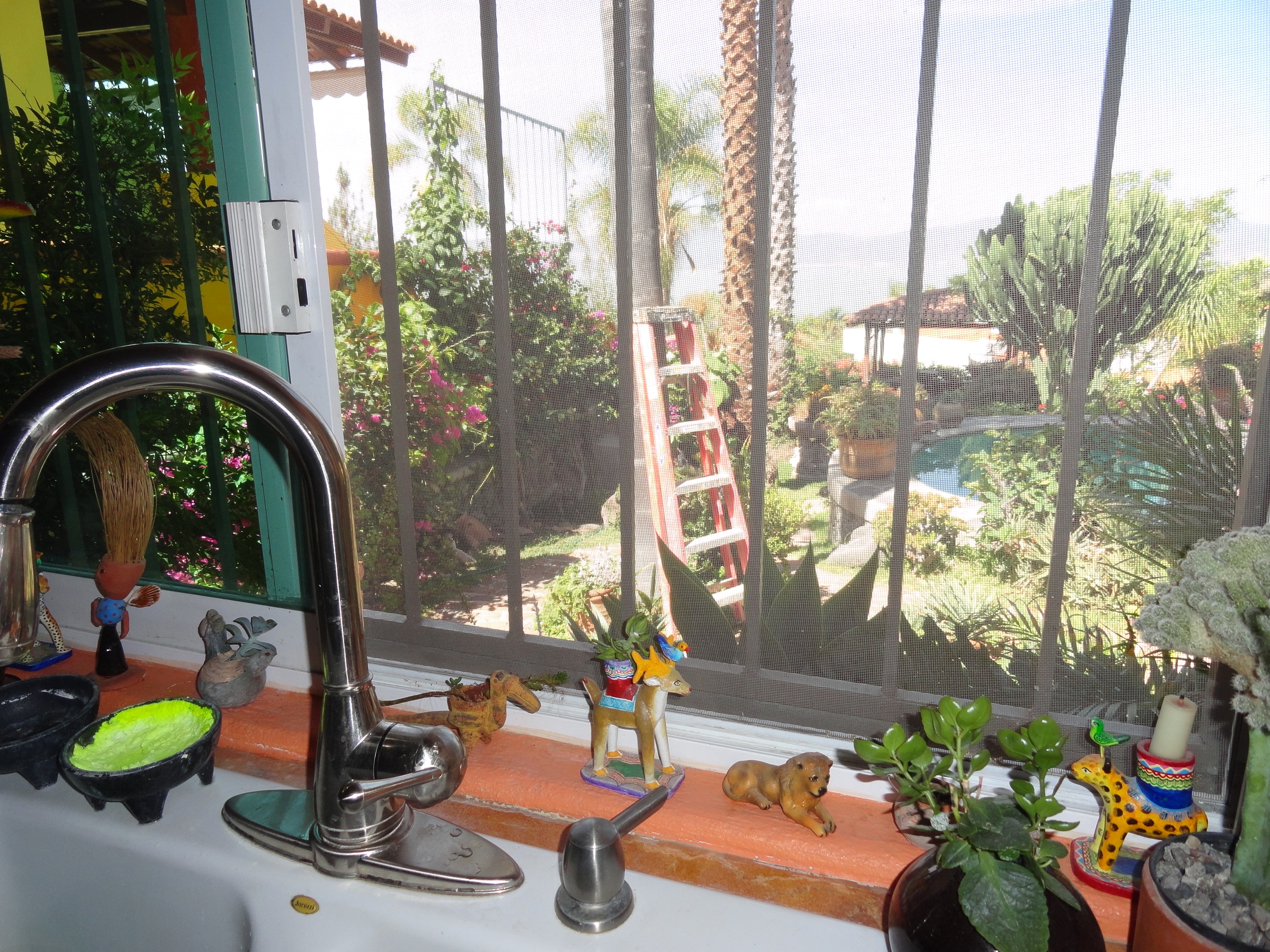
For most of the day on Thursday, I wondered at the profusion of birds whose cheeping seemed to be filling the air outside my kitchen, but as the afternoon wore on, I realized that the sounds—like a cross between a puppy’s squeeze toy and a handful of fingernails scraping across a chalk board or 5 squeegees being pulled across dry glass—was coming from my kitchen. A dining room chair served as a step up to the counter top, where I stood as I removed  the terracotta statues and pots from the top of my cupboards. The sounds seemed to be coming from there, but I found nothing but a half-inch crack between the concrete wall overhang and a triangular piece of board that had been placed in the corner to seal the gap.

Image

I went outside to see if I could locate what I now was sure was a nest of baby birds making all the racket, but I could see no place other than the half-cylindrical teja roof tiles where the nest could be. Meanwhile, every time I drew close to the corner where the sound was coming from, they grew quiet, but when I whistled for the dogs, the little chirping choir resumed, as though I’d called out to them and they were answering. The next morning, I feared the worse, as for an hour there was no sound, but when Yolanda arrived to clean, they started out again, and she was as intrigued as I was about where they could be. We got a ladder and Pasiano climbed up to inspect every inch of area on the outside of the house where they could be. He peered up a six foot long expanse of tejas but could see nothing up the tubes for as far as he could see. Yet the chirping went on for all of yesterday as well as today.

ImageImage

The biggest part of the mystery is that I have never seen a parent bird enter the tejas from any side. The babies are quiet in between chirpings, which seems to indicate a mother bird arriving with fresh nestling fuel, but I can’t figure out how she is getting to the nest—wherever it is. Needless to say, as irritating as their shrill chirpings have grown to be, I prefer them to the opposite—the silence that indicates the mother has not been coming back and that her nestlings have met with a premature demise.

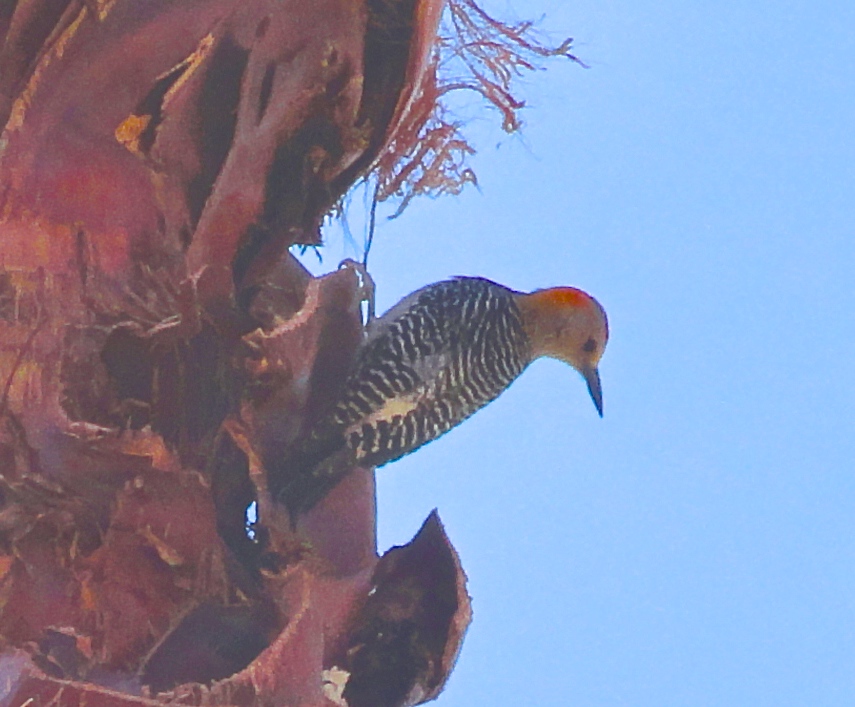
Birds abound here, if not in the same profusion as when 13-year-old vines covered every surface of the walls and palms, but this morning I was awakened by the loud peckings of three woodpeckers on the now-exposed trunks of my 80-foot-high palm trees. I scrunched my eyes up to watch them hop up and down a 20 foot expanse of palm, working their way around the circumference of the tree as well as up and down, their very loud pecking forming a percussion background to the chirping coming from the kitchen. For once, I knew where my camera was, so I snapped a few shots.

ImageImage

I had thought to spend this day in isolation to get some writing done, but sometimes the quieter our day, the more activity we find in it. Bottle rockets as loud as cherry bombs have been going off in the hills all around me for the past two hours. I don’t know what the celebration may be, but I’ve grown accustomed to their weekly if not daily presence. There is a birthday or a communion or a wedding or a quinceañera being celebrated. Or a holy day or some national holiday.
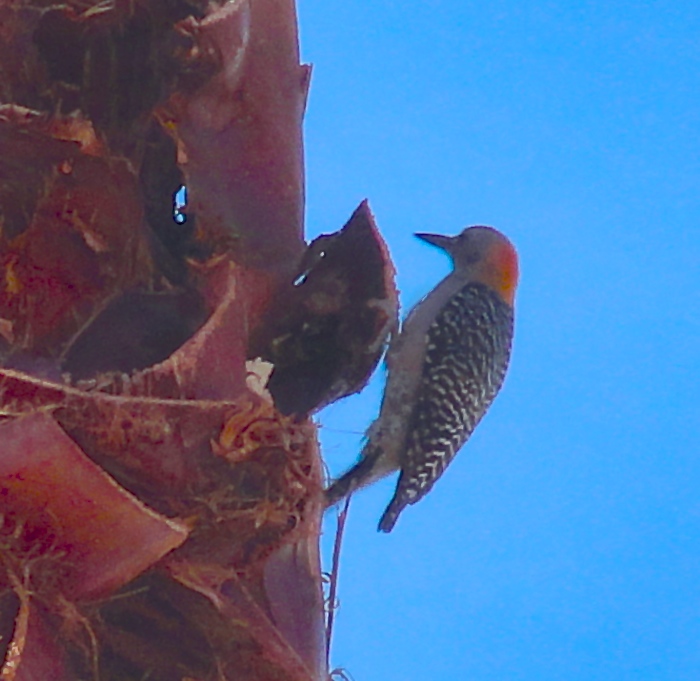
Even if I stay inside my house and do not answer the phone, the world finds me and I can’t complain, for I always have something to write about, even if it is not the topic I had planned.


NaPoWriMo Day 30: Ciao, Adios, Auf Wiedersehen, Adieu

Ciao, Adios, Auf Wiedersehen, Adieu

To NaPoWriMo we must say
a fond “Goodbye” on this last day.
I‘m able to, for I have found
the strength to say it the whole world round.

When I was young, I traveled far
from Germany to Zanzibar.
Australia, Bali, France and Spain,
to Africa and back again.

And though I mostly loved them all,
from Venice to the Taj Mahal,
as my departure time grew nigh
I had to voice a sad goodbye.

To Ethiopia I strayed.
For eighteen months I stayed and stayed;
and when I had to leave too soon,
I had to say “dehena hun.”

In college days, when I was young,
German was my foreign tongue;
but when to Frankfurt wir mussten gehen
I just remembered, “Auf Wiedersehen.”

The French were rude and cold and snotty.
They mocked my accent and were haughty,
so while I had to bid “adieu,”
I’d have preferred to say, “pee-ew.”

Florence thrilled me from the start.
Their lasagna is a work of art.
When I left, they all said, “Ciao.”
Their kitties, though, all said, “Miao.”

I never went to Israel
but nonetheless, I’m proud to tell,
the rabbi books? Read every tome.
So I know how to say “Shalom.”

Though “Arigato” is bound to do
when you want to say thank you,
Sayonara” is the way to go
to bid farewell in Tokyo.

Bali’s full of dance and art
that treat your eyes and fill your heart.
I must admit, I had a ball
before I said “Selamat tinggal.”

Mexico was saved for last
And now I fear my lot is cast
Since “Adios” I cannot say,
I’ve decided I will stay!

(for the sake of pronunciation, I have taken the liberty of adding an extra “e” to “dehna hun.”)

You might have already guessed that on this last day of the NaPoWriMo challenge, the prompt was to write a farewell poem.

NaPoWriMo Day 29: Chew the Train

Chew the Train

A metaphor is a freight train
that gets us within 30 miles
of our final destination,
but we still have to catch a taxi to get all the way there.
And a simile is just a metaphor whose brakes have failed.
If we know that peanut butter
is like a circus on a tired tongue,
does it bring us any closer to the smell of peanut butter?
Elephants and sawdust
and sequined camisoles flavored
with the sweat of 100 performances?
Is that what peanut butter smells like?
Does it taste like candy apples
and too-bitter mustard
on stale buns
and hot dogs turned too long
upon the rollers of their grill?
Does peanut butter feel
like the unoiled bump of the Ferris wheel?
Does it sound like a calliope
or look like an ice cream cone?
Peanut butter is peanut butter.
I rest my case.

So how am I going to write a poem
without metaphors and similes?
How can I write verse
while telling the pure unadulterated truth?
How can I make you taste a poem
that is only itself?

How can I be Janis Joplin
when I’ve been taught to be Joni Mitchell?
A Rose is a Rose is a Rose,
said Gertrude Stein,
predating my insight
by a generation or two.
But this isn’t Paris,
and folks in Mexico
want a dollop of figurative language
in their poetry.

So let me say
that my mind is a busy beaver,
trying to fulfill this impossible task
of twenty little things.
I’m expected to imagine
how peanut butter sounds.
The sucking gumbo sound
of South Dakota mud
or thick mucus of a cold?
Anything but appetizing.
Ay, Caramba! you might say,
but if you were Australian,
you would say, “Don’t come the raw prawn on me, mate,”
and you would mean
“Don’t try to pull the wool over my eyes,”
or “Don’t try to con me, man.”

So let me just say that peanut butter is made
by grinding peanuts so finely
that all the oil comes out
and it acquires the consistency of butter.
It isn’t like butter
nor is it butter.
It acquires the consistency of butter.
This is literal fact.
But to know the taste of peanut butter,
you will need to spread a bit upon a cracker
and have a taste, or grab a finger full.
What you will taste will be peanut butter.
The truth of it. Its reality.

And only then will I tell you
that literal truth doesn’t always tell
the whole truth.

My friend says
it is the peyote leached into the soil
the corn grows from
that gives Mexicans
such a remarkable sense of color.
The bright pigments of imagination
flood his canvasses.
His peyote dreams leak out into the real world
and wed it to create one world.
“Peyote dream” becomes its opposite—
a freight train taking us into the universal truth.
A larger reality.
This stalk of corn, this deer,
this head of amaranth,
all beckon, “Climb aboard.”

So when you bite into a taco
or tamale, when the round taste of corn
meets your tongue, and pleasure tries to flow
like a lumpy river down your throat,
look up at the poet standing in the shadows.
She’ll call herself Remi if you ask,
but do not ask. Instead, look deeper
into the shadows she wears around her like a cloak
and see that it is light that creates shadow.
See the many colors that create the black.
Follow where the corn beckons you to go––
into the other world of poetry and paint
and dance and music. Hot jazz with a mariachi beat.
Chew that train that takes you deeper. Hop aboard
the tamale express and you will ride into your
new life. It will be like your old life magnified
and lit by multicolored lights and the songs of merry-go-rounds
and when you bite into your taco, it will taste
like cotton candy and a snow cone
and your whole life afterwards will be a train that takes you nowhere
except back into yourself—a Ferris wheel
spinning you up to your heights and down again, with every turn,
the gears creaking “Que le vaya bien.”
I hope it goes well with you
and that you see the light
within the shadow
and the colors
in the corn.

glass-gem-corn-2-460

Today’s prompt is called the “Twenty Little Poetry Projects,” and was originally developed by Jim Simmerman. Here are the twenty little projects themselves — the challenge is to use them all in one poem:

1. Begin the poem with a metaphor.
2. Say something specific but utterly preposterous.
3. Use at least one image for each of the five senses, either in succession or scattered randomly throughout the poem.
4. Use one example of synesthesia (mixing the senses).
5. Use the proper name of a person and the proper name of a place.
6. Contradict something you said earlier in the poem.
7. Change direction or digress from the last thing you said.
8. Use a word (slang?) you’ve never seen in a poem.
9. Use an example of false cause-effect logic.
10. Use a piece of talk you’ve actually heard (preferably in dialect and/or which you don’t understand).
11. Create a metaphor using the following construction: “The (adjective) (concrete noun) of (abstract noun) . . .”
12. Use an image in such a way as to reverse its usual associative qualities.
13. Make the persona or character in the poem do something he or she could not do in “real life.”
14. Refer to yourself by nickname and in the third person.
15. Write in the future tense, such that part of the poem seems to be a prediction.
16. Modify a noun with an unlikely adjective.
17. Make a declarative assertion that sounds convincing but that finally makes no sense.
18. Use a phrase from a language other than English.
19. Make a non-human object say or do something human (personification).
20. Close the poem with a vivid image that makes no statement, but that “echoes” an image from earlier in the poem.