The Summer Home
THE SUMMER HOME
When my dad bought the land
where the Big White River and Little White River joined,
I couldn’t believe that we owned land with trees on it.
While he plowed the small field,
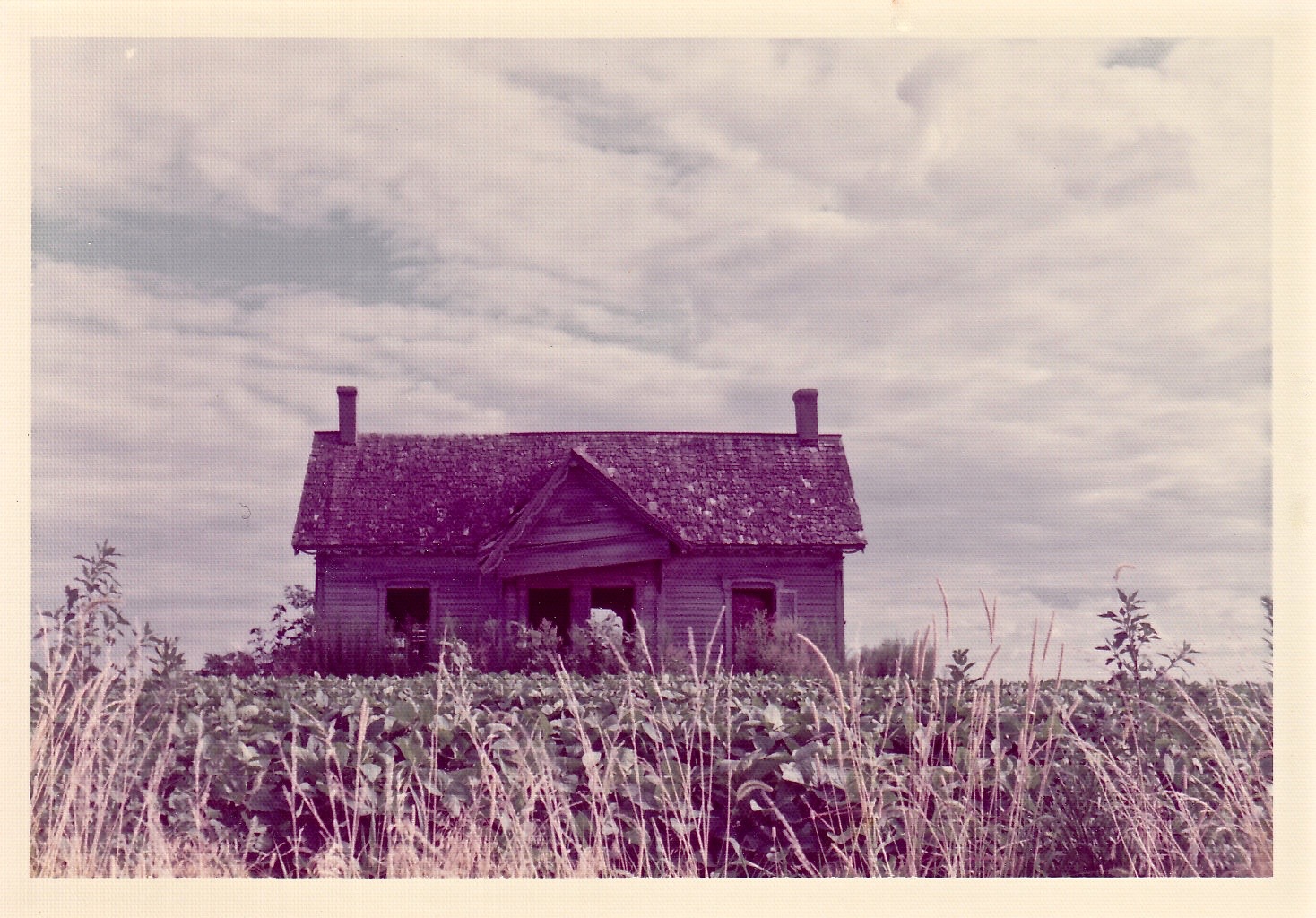
I walked the woods and found the abandoned shanty.
Its door was open; in fact it could not shut.
Inside was a mysterious, sweet and fecund smell–
a mouse smell new to me
that I couldn’t stop myself from breathing in.
The mildew and the dust,
the musk of warm linoleum,
every new smell and sight was magic.
I was enchanted by this house emptied
of chairs and tables and beds,
yet full of the accumulated energy of past tame lives
and present wild ones:
the moving of leaf shadows
across the chipped linoleum of the L-shaped kitchen,
the dents on the floor where the kitchen chairs had set,
as though someone had taken care each day
to line up the legs in their holders.
Upstairs I found crayon scribbles halfway up the wall–
the arm reach of a three-year-old.
When I asked about the house,
my dad said that it was our summer home,
and the next time we went to the field,
I brought a broom.
I cleaned out the mouse droppings and the tumbleweeds.
I collected the peeled tile fragments,
imagining gluing them back again.
I washed out a quart canning jar at the pump
and filled it with spring water
and sweet clover,
putting it on the floor
between the kitchen chair holes
in the exact middle of the vanished table.
With the old shirt I found in the corner,
I rubbed mud and river sand
from the linoleum counter tops.
More sand worked as Ajax to scrub out sinks.
All summer long I worked on our summer home,
and for that summer and many summers to come,
I waited in vain for our move to the river house.
I sat on its screened front porch.
Outside the screen grew spearmint and peppermint.
On the top leaf of the tallest branch was a grasshopper,
the kind that left tobacco stains in your hand
when you held it.
All around me were the trees–
the swaying shedding cottonwoods
and scrub chokecherries.
It was a wealth of trees I’d never seen before
in the town where we lived on the bare prairie
nor on the roads we traversed for hundreds of miles
to see a movie or a dentist
or to buy clothes.
Around the screens buzzed the heavy flies,
their motors slow in the heat of July–
all the flies on the outside
wanting to get in
and all the flies on the inside
pressing the screen to get out–
like I longed to get out
to the freedom of trees
where black crows
and dull brown sparrows
rustled their wings
and flew from branch to branch.
In the distance, meadowlarks called
the only birdcall I ever recognized.
No squirrels, no chipmunks; but, rabbits? Yes.
My father said no bears,
but he’d told me the story of Hugh Glass,
mauled by a bear,
walking this river for a hundred miles
past this very joining of the Big and Little White,
in search of help;
and I could imagine one last bear or two
hidden in my woods.
So at night, at home in our winter house in town,
when he told the story I loved the best,
I was the one who discovered the bears’ cottage,
and the cottage was our summer home.
The chairs–too hard, too soft, just right—
I sat upon in turn,
taking great care every time to nestle each leg
back into its correct place on the kitchen linoleum.
And when I lay in the perfect bed of the little bear,
I could touch the crayon markings on the wall.
So when the three bears found me asleep
in the little bear’s room,
they weren’t really very scary;
but I ran anyway,
into my dark and shadowed owl-calling woods,
my woods still echoing the day lit fluted calls of meadowlarks,
their music shaken from the snarled leaves
in the evening breeze.
I ran to trees–
their leaves frosted by moonlight and the Milky Way,
vibrating with the power of the Big Dipper and Orion,
the Seven Sisters and the North Star.
Into the trees
to where I stored my memories
in the frog-croaking depressions under clumps of grass,
in the tangles of Creeping Jenny
and the fluff of dandelions,
in the sand hollows
that crept up from the riverbanks,
in the cocklebur and the chigger-infested grass,
in the crooks of cottonwoods and caves of thickets,
in the tiny cupped palms
of sweet clover and purple alfalfa,
in the wheat grass and the oats and trefoil.
The year my dad decided to expand the field
on the river bottom,
I pleaded, I cajoled, I promised, I prayed
for the summer home
where I had lived for neither one summer
nor one night, in actuality,
but where, nevertheless, I’d had faith
I would someday live.
Of course, there was no saving the woods
and summer house.
It was rich river land, prime for irrigation.
The trees were a waste of soil.
The summer home–everybody’s gentle joke on me.
After the cats and bulldozers were through,
I went with my dad to see
where trees had been ripped out,
the house burned to the ground,
the soil turned and planted
with crops that would build the land.
Their woods now furrowed soil,
the crows and sparrows
had gone to some other shaded place;
the mice, back to the fields.
My former references of trees forever gone,
the present references of sky and fence posts
too wide and new,
I wasn’t sure where my summer home had stood.
The house’s ghost destroyed by the bright sunlight,
the woodland paths replaced by tractor treads,
I watched instead a meadowlark
soar over brown fields and settle on barbed wire,
claiming the new field for its own.
With no house or forest left,
my only shade was chokecherry bushes,
my only chair, the pickup running board.
And so my summers at the river
vanished in the smoke of my summer home
and smoldering tree stumps.
But every night, my woods again threw still shadows
over the summer house,
and I ran once more the corridors of moonlight
cut through dense trees
like parts in a small girl’s hair.
I ran in the wet dew of the condensing summer heat.
I ran on the fuel of my need for magic
and wildness
and rivers
and trees.
I ran fueled by my need to be with something
that lived outside my window
as I passed long nights in my winter house.
It lay in the dark tapping of the trumpet vine branch
against my window
and the crunching of gravel
as someone walked by on the unpaved street–
out past midnight and I couldn’t tell who.
It lay in the pricking of the hair on my arm
as I stuck it out from the bed
and pressed it to the screen.
Always, in town, it lay outside of me–
except for when I floated the paths
of the woods surrounding the summer house,
joining it in dreams,
night after night and then less frequently
until the dreams came once a month
or once a year–
in darkness, always recognized;
but nonetheless forgotten in the light.
So by the time I saw the river field grown lush with corn,
I was a teenager in my first grownup swimsuit,
floating the milky Little White in an inner tube,
down to its junction
with the clear and colder-running water of the Big White,
my best friend next to me,
our cooler full of Coca-Colas and ham salad,
our conversations full of boys and music.
At the border of the field, to get to the river bank,
we crawled over the border of large tree trunks
laid horizontal, half-buried in sand.
I guess I knew they were the bones of my midnight woods.
I guess some part of me felt
the ghost of my summer house.
But, as I lay on my back on the submerged sand bank,
the warm water flowed so sensuously over my shoulders
and down my legs
that my suit seemed to peel itself
from my shoulders, breasts, thighs, calves.
And in a dream I floated the muddy water
of the Little White,
turning in the current
until the water seemed to flow inside of me,
floating me down
to the cool clear water of the Big White,
farther and farther away
from the summer home.
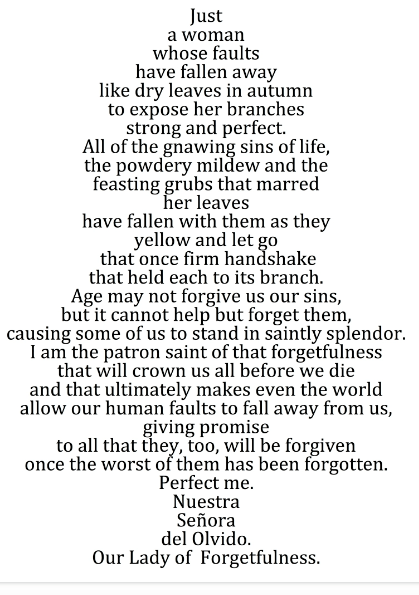
This poem was posted specifically as a response to THIS post on Red’s Wrap.
“The Summer Home” is excerpted from Prairie Moths–Memories of a Farmer’s Daughter, which is available Available on Amazon in Print and Kindle Versions and at Diane Pearl Colecciones and Sol Mexicana in Ajijic, MX

Just as moths rise from prairie grasses to fly away, so did the author yearn to be free from the very place that nurtured her. Judy Dykstra-Brown’s verse stories and accompanying photographs give a vivid portrayal of rural life in the fifties and sixties, evoking the colors and sounds of the prairie and the longing a child with an active imagination feels for faraway places. From a small child curled up on the couch listening to her father’s stories of homestead days to pubescent fantasies of young itinerant combiners to her first forays into romance in the front seat of a ’59 Chevy, her memories acquire a value in time that she did not acknowledge while living them. Lovers of good poetry and those who miss the magic of childhood will relish Prairie Moths. (Excerpted from a review by Harriet Hart)


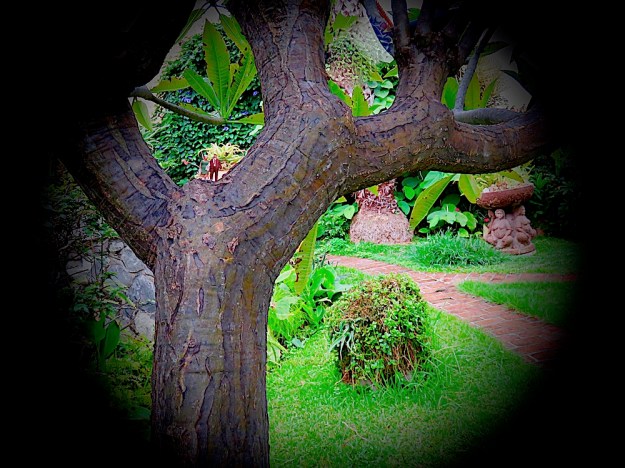 Please enlarge and examine this photo carefully, lest you miss the point of it.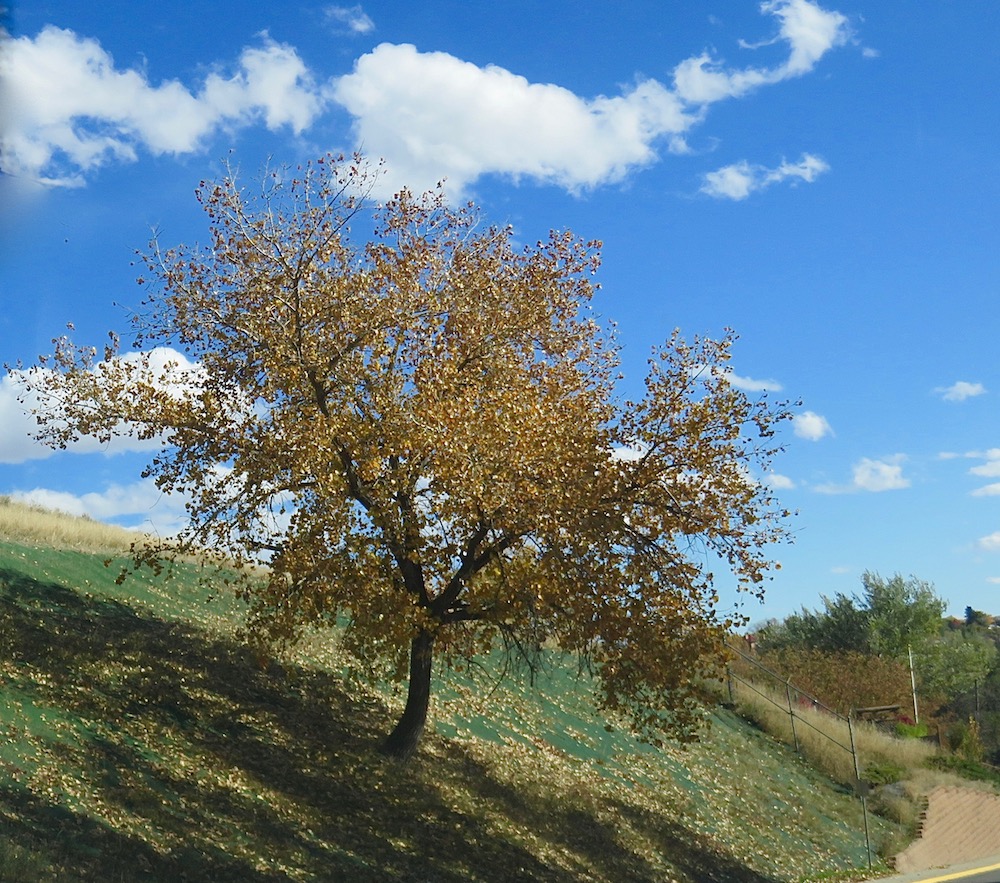

 lifelessons - a blog by Judy Dykstra-Brown