Category Archives: Nostalgia

“Adult”ery


JudycurlsJudycurls - Version 2

Unfortunate hairstyles of the past


“Adult”ery

I don’t remember, as a child, ever really thinking about what it would be like to be an adult in terms of where I would live or what I would choose as a profession. I do remember, however, two things I worried about.

First of all, I worried about what instrument I would play in the school band. I had two sisters, one eleven years older and the other four years older, who both played saxophone. As a matter of fact, there being 7 years difference in their ages, they both played the same saxophone! When I entered the sixth grade and was old enough to play in the starter band, I knew two things. #1: I had to play in the band because both of them had done so. #2: I had to find a way to be unique in doing exactly what they had done, and so I had to find a different instrument. This resolve was strengthened by the fact that my sister Patti was still using the “family saxophone.” As long as I was being different, I decided to stretch my uniqueness as far as it would go. No one in either the starter or the regular band had ever played a flute. It was exotic and not very heavy to carry. I would play a flute!!! Or rather, I would attempt to play a flute.

I faked it for two years, blowing energetically into the little hole as we sat in the band loft at games or marched along behind the regular band, practicing for parades or football games; but I never really developed much of a tone and my memory of which note was which was limited. It was really easy, though, to carry that little case about as large as a large pencil case the two blocks to the auditorium where our band practice occurred. My band instructor could not afford to be picky as there were only 200 students in the entire school system—grade school and high school combined—so every warm body available was required to flesh out the physical body of the band. If a few were miming, so be it. As long as they could stay in step for the marching band and didn’t play any really loud false notes, who would ever know?

When my sister left for college, she left the sax behind; and when I headed out for my first band practice as a high school freshman, I left that dread flute behind as I took sax in hand to continue the family tradition. I was not a whole lot better at it, but found something held between the lips and teeth was a lot easier than something held sideways and blown across and although the sax was heavier, it was held in a much more sustainable position than the flute, which was an exercise in arm isometrics as I held it aloft!!

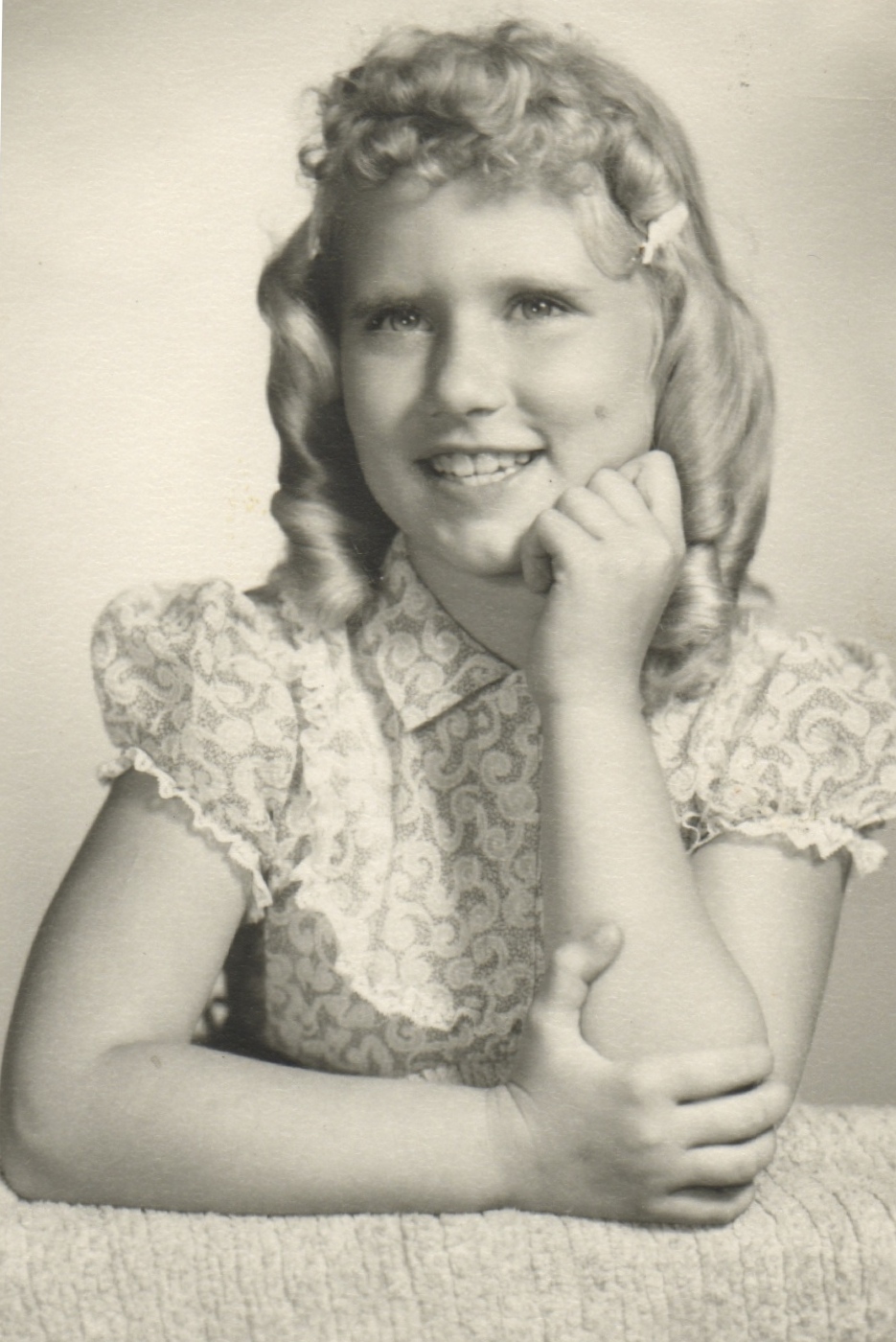
The second worry I had about growing up was how I would wear my hair. I would lie awake nights worrying about what hairstyle I would adopt when I could no longer sport the sausage curls my mother formed around her finger each morning. Shirley Temple, who had already grown to adulthood, needed to be replaced! My hair was too long, however, to duplicate Shirley’s bouncy little curls. It hung in fat tubes down beside my cheeks, offsetting my tight little bangs curled up each night in pink rubber curlers. For some reason, both my mom and I thought this made me look real good, and I am not exaggerating when I admit that there were nights when I’d lie in bed, tears streaming down my cheeks, worrying about what I would do when I grew up and could no longer wear curls!!

So now you know why I dropped the saxophone as soon as I graduated high school and why I had to move to Mexico to escape the shame of all those years when I allowed my mother to shape my esthetic sense of hair. I haven’t owned a curler of any type for 20 years. That saxophone was handed on to the next generation of my family and its mouthpiece, at least, met its demise when it snapped in two as my niece tried to grip it with the fourth pair of teeth in three decades. With a new mouthpiece, it survived four more years—hopefully this time with someone with more talent than I. I know not where it ended up. Probably in some second hand store or donated to some child who couldn’t afford an instrument. I hope it wound up with some talented individual who could restore its pride in itself.

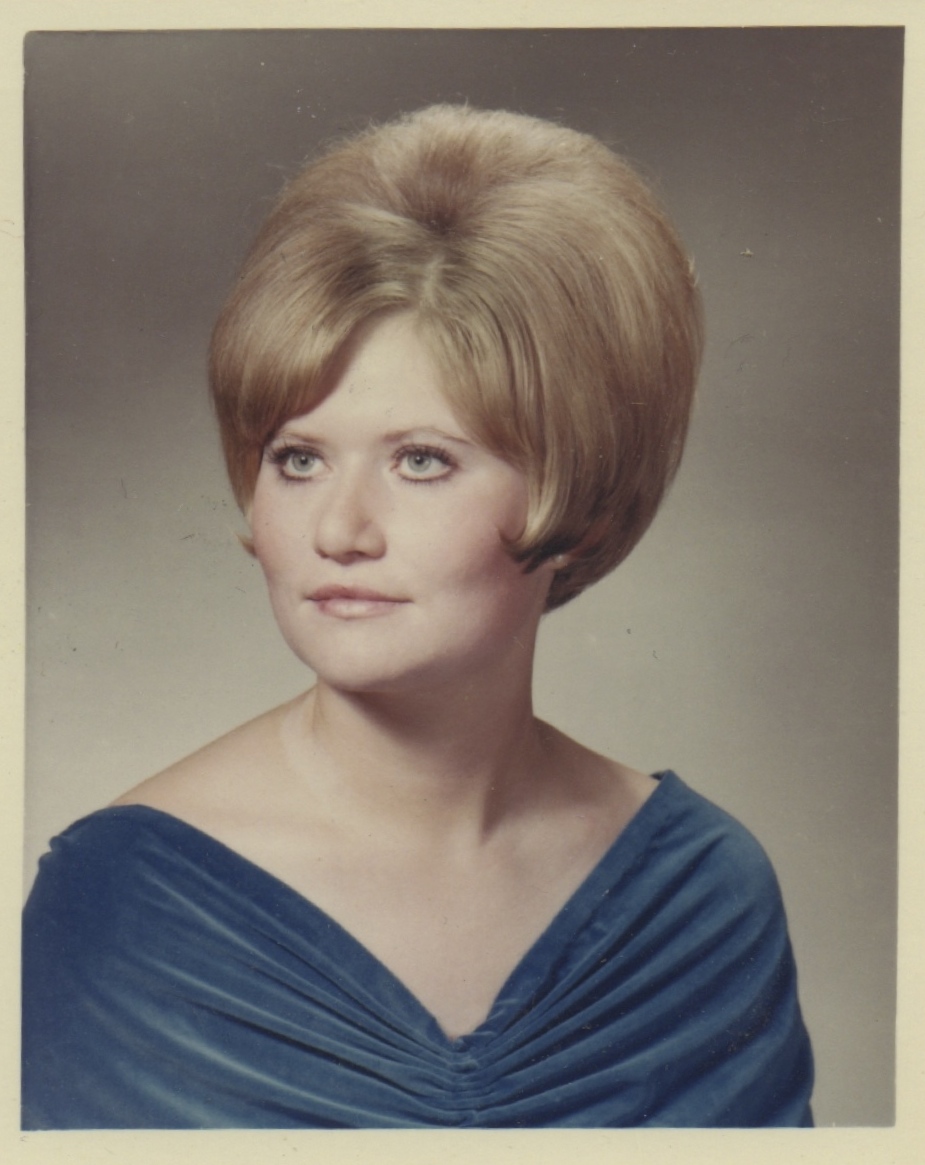
Now that I have been an adult for many many years, I have conquered most of its demands. I have found many hairstyles, only a few of them more ridiculous than sausage curls (see my college picture above as an illustration of this fact) and attempted only one additional instrument, the guitar. Having played only solo or in duet with a college friend who tried to mold me into Joan Baez but failed, I did learn about seven chords and learned to adapt a whole succession of seventies songs to fit into those seven chords. I played for sing-alongs with the kids I counseled at summer camp and for groups of little neighbors around the world, who would come to my house on Saturday mornings to sing silly songs. And I have that guitar to this day. But I haven’t played it for years and harbor no illusions about my prowess. It is there for visiting friends who want to play for me and as a big, cumbersome, hard-to-store reminder that I can choose my own failures as surely as my own successes.

I am an adult like other adults—growing more childish year-by-year, but in my regression toward soft food and adult diapers, I will never sink so low as to repeat some mistakes of my youth. Never ever more sausage curls or flutes held aloft like punishment. And never again will I try to be different just to be different. “The Far Side” has shown that this is nothing that really needs to be aimed for. We all grow odd enough just following the path of nature, thereby furnishing the humor for all the generations that follow us.

The Prompt: As a kid, you must have imagined what it was like to be an adult. Now that you’re a grownup (or becoming one), how far off was your idea of adult life?

P.S. Thirty years after high school, when I was doing an art show in Oregon, a man walked by my display and then did an about-face and came back and said, “You’re Judy Dykstra, aren’t you?”  I admitted the fact and asked him how he knew me.  He said he was 5 years behind me in school in the small South Dakota town where I grew up.  He was a country boy and since we’d never been in school together, I didn’t recognize him but did recognize the family name.

“How in the world did you even know what I looked like, let alone recognize me thirty years later?” I asked.

“Well, a bunch of us used to collect in the the school library and look at old annuals,” he said.  “I recognize you from your high school picture.”  Suddenly, it all came clear.

“You used to look at them to laugh at all the funny hairstyles, didn’t you?”   Sheepishly, he laughed and admitted it.  I had hit the nail (or the girl?) right on the head!!!!

Unwrapped Packages

daily life  color008

Unwrapped Packages

It is the difference between that present handed to you
by a person who says, “It’s only a tie,”
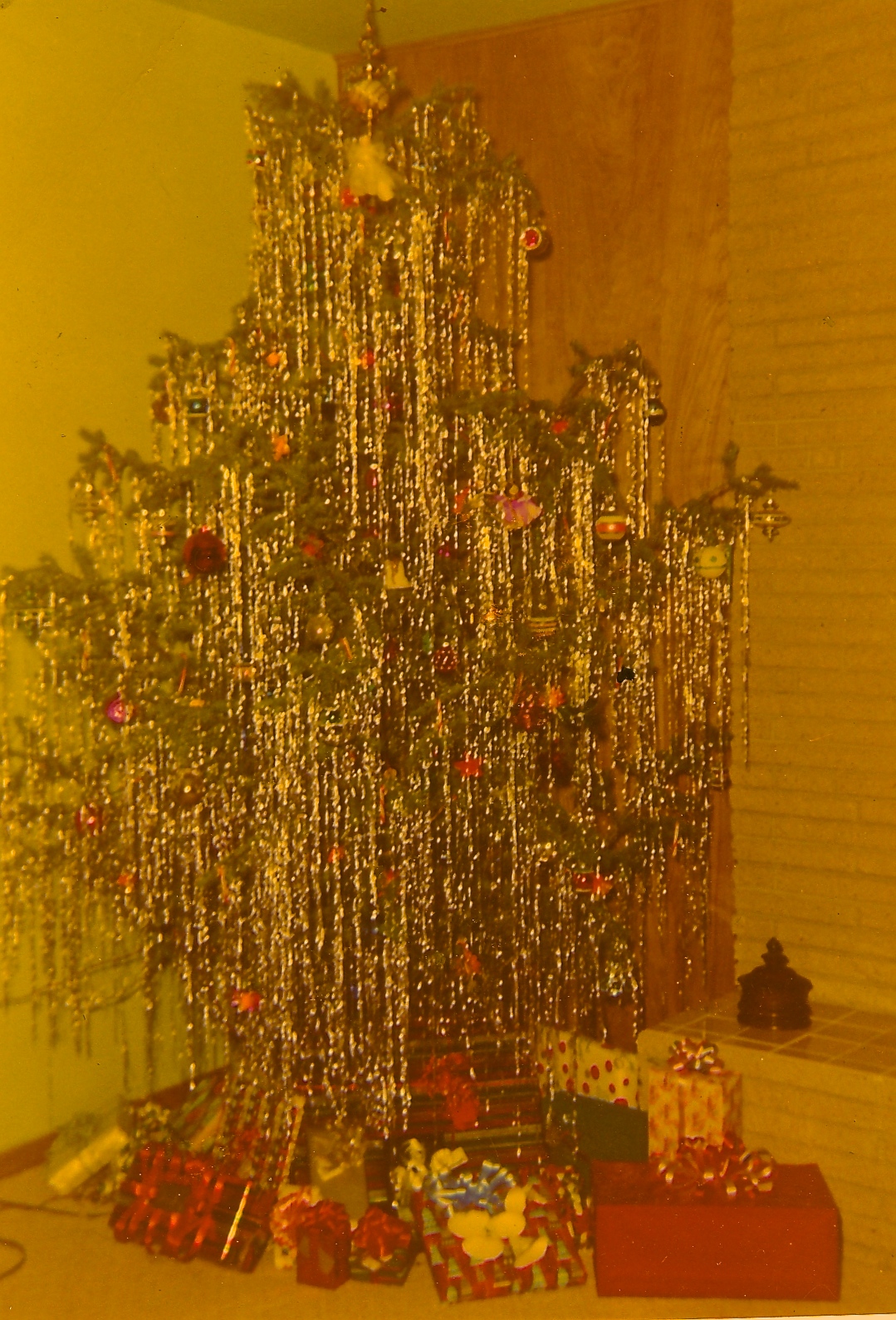
and a package under the tree
squeezed and prodded at—perhaps a corner loosened
or a hole poked in through supposed accidental handling,
pondered like a good detective show.

Who wants these mysteries revealed before their time?
What value in the present whose contents you already know for sure?
The magic of Christmas for some is that faith that the girl,
untouched by human lover, gave birth—and it is that sort of faith
that “saved” the world. If we knew the whole truth of that story
would all it prompted fall into the hole covered all these years by mystery?
The whole world seems to be standing more on what we don’t know
than on what we absolutely know empirically—what we can prove.

And so I look at the picture of my young mother
in her cotton housedress and saddle shoes
holding her baby in front of her in her stroller,
whole contraption, child and carrier,
a foot or two above the ground,
and there is mystery in the reveal.
I do not hear what transpired to cause this pose.
I do not know if my father caught her carrying me
from the porch to sidewalk and said,
“Here, Tootie, turn around,” and snapped the picture,
or whether my older sister planned the pose.
Or whether some movie star was snapped in a similar scene
and my mother and sister, like two conspiring fans,
planned the shot to steal the glamor formerly reserved
for “Photoplay” or “Look” or “Life.”

There would be no reel-to-reel
in any normal person’s life for years.
No movie camera to tell me exactly what my mother was like
or my sister or me before my memory took hold and even then,
my mind’s remembrance
more like reflections in a lake that color and change
depending on the clouds or rain,
distorting the light like moods.
My Aunt Peggy’s house,
always remembered as feeling like
the color chartreuse,
and I will never know why.
That smell of a friend’s house that became associated
with her memory more than any concrete proof of reel-to-reel
or spinning film of movie camera.

I do not know my mother’s voice at thirty.
I did not witness myself since birth
by either sound or sight.
There is a different mystery
to a past caught
in boxes of Kodacolor prints
curling and yellowing in a closet
than one documented like a science experiment
with every event taped and filmed.

Where does the mystery of you reside when you see yourself
so clearly, as others have seen you all along?
What does it leave for you to try to discover?
No tapes.
No film.
No Internet.
No Skype.
No YouTube.
No home movies.
All of our pasts were once wrapped up forever.
Only our fingers poking in the edges.
Only our voices asking,
“What was it like the day when I was born?”
What do you remember about the day when. . . .?

The Prompt: Can’t Stand Me—What do you find more unbearable: watching a video of yourself, or listening to a recording of your voice? Why?

Groundhogs in Sri Lanka

Groundhogs in Sri Lanka

Groundhog Day (the movie) was frustrating for sure.
When that same day kept happening, there seemed to be no cure.
But this was not reality. It really could not be.
And so to write about it has no appeal for me.

Instead I want to write about something on my mind;
and it, indeed, is something day after day I find.
When I look at my statistics on my blogging site,
I see the countries that have viewed my blog each day and night.

And when I see “Sri Lanka” occur day after day,
I wonder who that person is and what they’d have to say
if they could comment on the words that I have said to them
and wish that I could know a little more of her or him.

So if you read this message and know that it is you
who reads my blog, reveal yourself. Say who you are, please do.
I’ve been to Sri Lanka many years ago and saw
Colombo and the stupas—I viewed them all with awe.

The elephants in Kandy, the tea fields on the way,
the little inn called “Bird’s Nest” where we slept at end of day.
We climbed Anuradhapura, we stood beneath the tree
where Buddha sat 2,000 years ago. (How can this be?)

You probably weren’t born then so I’m sure we didn’t meet;
or as a babe in arms, perhaps you passed me in the street.
But nineteen sixty-seven (or was it sixty-eight?)
is very long ago and so I’m sure it’s not my fate

to reconnect with anyone I might have met back then
and it is not important what happened way back when.
To me, it is more vital to know what’s happening now,
and that is why a day or so ago I made a vow.

I mention this thing only to try to drive you to
share a little bit of what it might be to be you.
I’ve told you all my secrets, kept nothing back in shame;
so dear Sri Lanka viewer, please at least reveal your name!

 The Prompt: Groundhog Week—If you could relive the past week, would you? Would you change anything?


The Daily Post Snapshot Stories: Hair Washing Day

The Prompt: Open the first photo album you can find — real or virtual, your call — and stop at the first picture of yourself you see there. Tell us the story of that photo. (Note: Although I’ve posted this picture on my blog before, this was the first photo in my album, and since I’ve never told the story, I’ll do so now.)

Image

Hair Washing Day

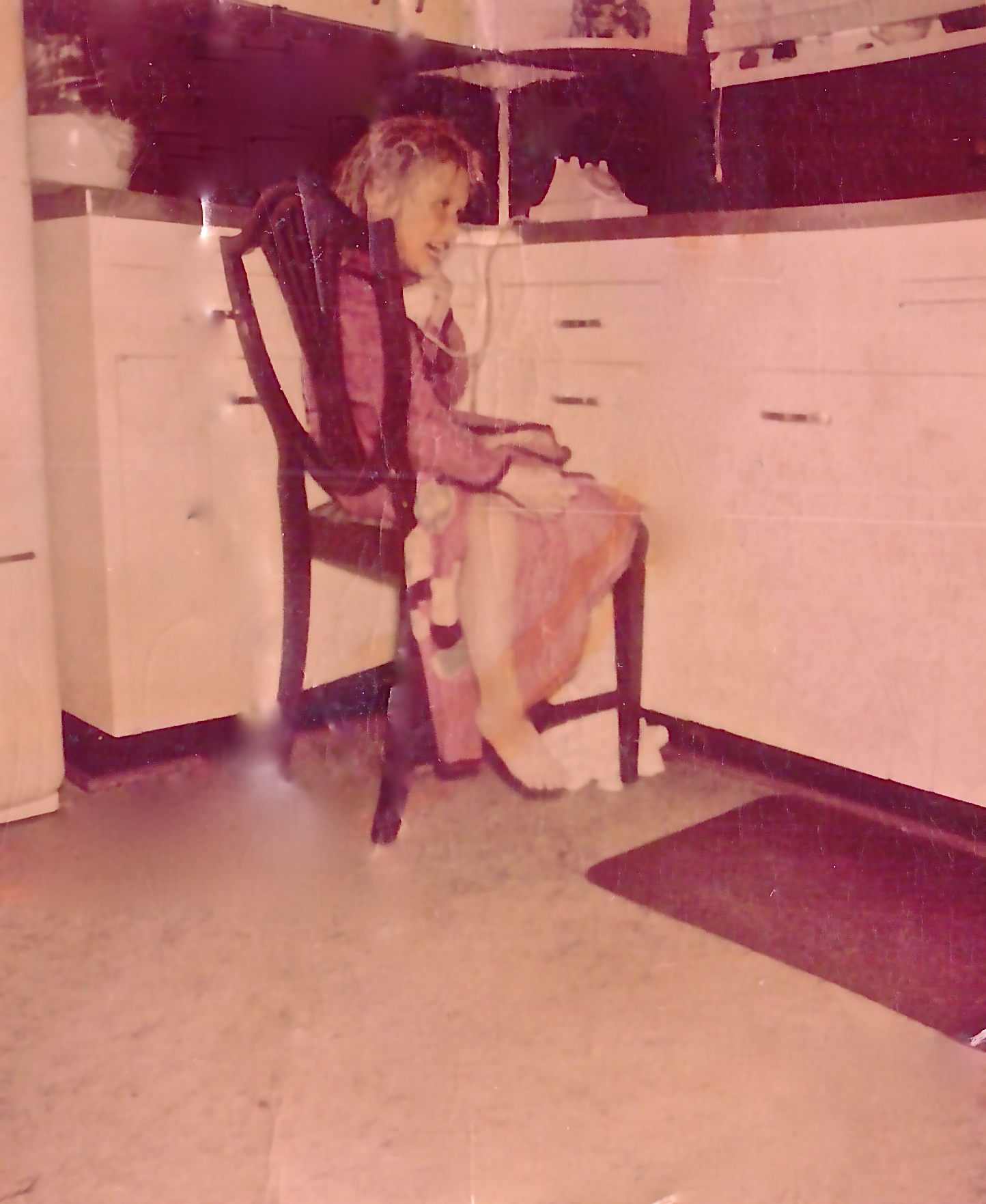
The phone was on a party line.
The leg, the robe, the hair was mine.
The chair was from our dining table.
I’d called as soon as I was able
with all the news that had occurred
since last we shared a private word.
Though my friend lived just two houses away,
my mom had had to break our play
so she could wash my dirty hair.
Take 15 minutes (how did she dare)
from “Cops and Robbers” or playing store?
Washing hair was such a bore.
First to take my clothing off,
barrettes and rubber bands to doff,
a chenille robe to cover all
my nakedness, and then the crawl
up on the chair to lie upon
the kitchen counter. My efforts done,
it was my mother’s turn to work—
to wash my hair without a jerk
or pull to create whines and tears,
avoiding water in the ears
and soap in eyes and water squirts
on ceiling, counters, shoes or shirts
of family who might gather there
to watch my mother wash my hair.
Then, trials done, my friend to phone
for all this time I’d been alone.
Without her fine complicity,
life had too much simplicity.
No imaginings or plots.
No hide-and-seek on empty lots.
No bike rides up to Mowell’s drug.
No comics on the bedroom rug.
No love letters to steal and read
from older sisters—that evil deed
we both adored and did most often.
No trumpet vine pods to peel and soften
in the sink to make our boats
for potential rainy season floats
down ditches swollen with summer rains
No paper dolls or paper chains.
I’d been away from my friend Lynn
for fifteen minutes! It was a sin.
So I’d called to say I’d be right over
to search with her for four-leaf-clover.
And tell her all I had to tell
since mother rang the “come home” bell.

Happy Mother’s Day!!!

With everyone posting pictures of their moms, I couldn’t find one on my computer, so this will have to do. The wet hair tells me my mom has just finished washing my hair by having me lie on the counter and put my head in the kitchen sink. I have on my pink chenille bathrobe with brown flowers with yellow centers and I’m sure I’m talking to Lynnie Brost on the phone. Someone on our party line might be listening, but what secrets might two five-year-olds have that the whole neighborhood cannot know? Later my mom will put my hair up in curlers for those awful sausage curls that I thought were the only way I would ever wear my hair. Mom, in an hour and a half, I’ll leave to go read a poem about you at Open Circle. Wish you were there in the audience. Perhaps you will be. oxoxoxooxox to Eunice King Dykstra—remembered by all who knew her as “Pat.”

IMG_0004

Poetry by Prescription: Goodbye Old Paint

Old friend, new friend.

Goodbye Old Paint

What have you eaten that we have forgotten?
What lost earring resides
in the deepest recesses of your front seat?
What coins shaken and pushed into your crevasses?
And do you remember the song made up on the spot
and sung just once, then left forgotten in Nevada?
Do you still carry the dust of Tonopah
or that yearning to actually see something extraterrestrial
on the Extraterrestrial Highway?
Do you carry shards of his boredom while driving
mile after mile of Utah beauty?
Do you still carry my expectations of sharing
the giant faces of Rushmore
and echoes of the fact that he expected more?

What of molecules of the Mississippi crossing
or dreams of the memories of Hannibal?
What sweat from those Mississippi hours
waiting outside the B.B. King Museum?

Salt grains and chocolate crumbs
and DNA of those few souls who rode along in you—
all parked in a parking lot waiting to be bought
by someone who will never know the hidden you.
Just like the rest of the world,
frequented by interlopers.
Only we, leaving you, will murmur “Goodbye Old Paint”
and know that although you neither hear nor answer,
somehow our past is locked up inside of you
and there a part of us will stay
while we depart without it.

The prompt today was by Forgottenman, who wanted me to memorialize his faithful automobile companion, Old Paint (pictured here to his right). To his left is his new love, Soul Red.  To see his prompt, go to his blog here.

Poems by Prescription

Yesterday I promised to write a poem about the best topic presented to me by “readers.” Four were proposed, but I can’t remember the fourth, so if you proposed one and I’ve neglected you, please submit it again. I can’t promise to always write about all topics submitted, but this time I did—well, with the exception of one.

mbYcPb-3OrpZsEna7oifPrg

“Sisterly Squabbles”

A little weep, a little sigh,
a little teardrop in each eye.

Grandma Jane and her sister Sue,
one wanted one hole, the other, two

punched into their can of milk.
(All their squabbles were of this ilk.)

The rest, of course, is family fable.
They sat, chins trembling, at the table.

When my dad entered, we’ve all been told,
their milk-less coffee had grown cold.

*(Prompt by Patti Arnieri)

“Take a Walk and Tell about It”

Straight out my bedroom door would be a doozie.
I’d end up right in my Jacuzzi  !!!

* (Prompt by Tamara Mitchell)

“Friends”

If not my friend
to the end,
you might a’ been a me
lifelong enemy.

*(Prompt by Patty Martin)


NaPoWriMo Day 30: Ciao, Adios, Auf Wiedersehen, Adieu

Ciao, Adios, Auf Wiedersehen, Adieu

To NaPoWriMo we must say
a fond “Goodbye” on this last day.
I‘m able to, for I have found
the strength to say it the whole world round.

When I was young, I traveled far
from Germany to Zanzibar.
Australia, Bali, France and Spain,
to Africa and back again.

And though I mostly loved them all,
from Venice to the Taj Mahal,
as my departure time grew nigh
I had to voice a sad goodbye.

To Ethiopia I strayed.
For eighteen months I stayed and stayed;
and when I had to leave too soon,
I had to say “dehena hun.”

In college days, when I was young,
German was my foreign tongue;
but when to Frankfurt wir mussten gehen
I just remembered, “Auf Wiedersehen.”

The French were rude and cold and snotty.
They mocked my accent and were haughty,
so while I had to bid “adieu,”
I’d have preferred to say, “pee-ew.”

Florence thrilled me from the start.
Their lasagna is a work of art.
When I left, they all said, “Ciao.”
Their kitties, though, all said, “Miao.”

I never went to Israel
but nonetheless, I’m proud to tell,
the rabbi books? Read every tome.
So I know how to say “Shalom.”

Though “Arigato” is bound to do
when you want to say thank you,
Sayonara” is the way to go
to bid farewell in Tokyo.

Bali’s full of dance and art
that treat your eyes and fill your heart.
I must admit, I had a ball
before I said “Selamat tinggal.”

Mexico was saved for last
And now I fear my lot is cast
Since “Adios” I cannot say,
I’ve decided I will stay!

(for the sake of pronunciation, I have taken the liberty of adding an extra “e” to “dehna hun.”)

You might have already guessed that on this last day of the NaPoWriMo challenge, the prompt was to write a farewell poem.

NaPoWriMo Day 25: She

She

She was fingers drumming lightly on my arm while I fell asleep,
a box of candy that my dad had to hide or it would be gone by morning,
fingerprints of bright coral rouge staining the top of her powder puff.
She was a girl’s rhymed diary that told of filling the church elders’ hats full of Bon Ami powder.
A fatherless girl sleeping with her sisters on a sun porch in Kansas.
A sister of a girl who wore a nightgown to a ball,
the sister of a man who couldn’t stop drinking,
the sister of a girl who died in the great flu epidemic of 1918
and of a father who died in the great flu epidemic of 1918.
She was the sister of a woman who died in childbirth
and the sister-in-law of a man she did not marry to raise her sister’s child.
A woman who liked radish and onion sandwiches
and cornbread and orange Jello with shredded carrots and pineapple.
She was a girl late to marry who lied about her age until in her nineties.
A woman who never told her real name to daughters
until her daughters were women as well.

She was a good friend who never revealed secrets.
A woman who finished her housework quickly to lie on the divan and read.
A woman with a mangle who ironed the body and arms of shirts
while her daughters ironed the collars and cuffs.
A member of the Progressive Study Club who wrote all the plays for State Conference.
The woman who wrote the play, “The Hillbilly Wedding”
that started out, “Ye critters and Ye varmints, we are are gathered here today
to wed this man and woman in hillbilly sorta way.
H’ebenezer, Hannabella, do ye promise to be true and always love each other?”
“We do, We do.”
She was the mother who played silly tricks on her pre-teenage daughter
and hid in the closet to see if they worked.
The woman who had all her teeth pulled on the same day and nearly bled to death.
A town girl who lived in a tiny trailer with my father on the empty prairies of Dakota
and traveled from dam building site to site with him the first year they were married.
The town girl with no bathroom, so they had to park by service stations to use theirs.
The girl who counted to see how long she could hold her hand in the oven
to determine when the heat was right to bake cakes in her wood-burning oven
and who swam with her mother-in-law in a large stock tank.

She was the woman who took her daughter out on summer nights to look for U.F.O.’s.
The woman who never learned how to play the piano
but insisted her daughter take lessons for 8 long years,
and the woman whose daughter never really learned how to play the piano.
She was the trainer of dogs and parakeets and baby bunnies
rescued from the prairie by my dad.
The assembler of Halloween costumes and the decorator of Christmas trees.
She was the woman whose Christmas decorations one year were entirely silver and pink
and who made an elaborate chandelier ornament out of sprayed coat hangers.
The woman who drove her daughters 60 miles to buy saddle shoes
and 150 miles in the opposite direction to see an eye doctor.
She was the woman whose husband loved babies—
the woman who collected spare babies in restaurants
to take them to her husband to hold
while their mothers finished their meals.

She was the woman who showed her daughters how to make
Philippine lanterns to use as May baskets.
The woman who dressed up as a witch for Halloween and was so good in her role
that she sent children screaming down the sidewalk.
The woman who took off her mask for the rest of the night.
She was the woman who made up long rhyming poems about what pieces of the body
were being handed around the circle in a darkened room on Halloween:
a peeled grape, a bowl of spaghetti, a piece of liver.
She was the woman who covered lamps with sheets and pinned on
paper ghost eyes, nose,mouth.
and who collected corn stalks for decorations.
She was the woman who loved Halloween
but loved Christmas even more.
The woman who hid grass nests full of jelly beans and sugar eggs
all over the house every Easter.
The woman who found one of her own nests when decorating for Christmas.

She was the woman who loved to read who could read her daughters like a book.
The woman who could sometimes read her husband like a book—
the woman who said, “What did you do? You brought home another animal, didn’t you?”
the day my dad entered the living room with a sheepish look,
even though he’d left the rubber boot with the tiny puppy inside in the mud room.
She was the woman who had said the same thing
when he brought home the bunnies, the kittens, the tiny mole, the raccoon and the magpie.
She was the woman with the quilted satin robe with the long train
that the baby bunny hopped up on for a ride around the house.
The woman who taught Chipper, the parakeet, to say,
“Hello, Betty Jo. Judy Kay. Judy Kay. Patti Adair. Gee you’re cute!
Gimmee a kiss (kissing sounds). Baaaaaaad Benny!”
She was the woman named Pat whose husband was named Ben.
They were the couple whom later we later learned were really
Eunice Lydia and Gerben Sylvanus.
She was the wife of a rancher but gave him three girls.
They were the ones to insist all three girls go to college.
She was the mother whose travels had extended from Kansas to South Dakota to Iowa
who gave permission for her daughter
to set out to travel around the world
when she was still in her teens.
She was the woman who convinced her husband to move to Arizona
the year her youngest went off to college.
The woman who sold her mangle and became a fashion plate again in her 50’s.
She was a woman with four swimsuits
who did 1,000 exercises in her Arizona pool every day.
A woman who went dancing every Friday night,
who tried to take up golf and failed,
who lay on her chaise on her patio and read books
while her husband went to the corner café to regale his new audience with old stories.
She was the woman who flew to Australia to visit her daughter.
The woman who traded houses every few years
for the fun of buying and decorating a new one.
She was the grieving wife who said, “Ben always hated that clock!”
and watched it fall off the wall.
She was a girl and woman and old woman who believed in ghosts
and who slept near Hadrian’s Wall in the haunted room
of an eleventh century Abbey in Scotland.
She was a woman who played with a cat on Dylan Thomas’s sea wall
and who slept in a room over a pub as well as the Grosvenor House in London,
where she saw Garfunkel walk across the hotel lobby.

She was a woman who liked to sit and look at the decorations in her living room.
An old woman who drank aloe vera and vinegar
and did leg exercises in her bed each morning.
An old woman who got a machine to help her read.
An old woman who listened to the news all day when her eyesight failed.
A woman who bought a breathing machine when her breath failed
and walked around her condo trailing a long rubber oxygen tube.
An old woman who lived to be 91
and who lived alone till the day she died.
A woman who put on makeup and jewelry and who dressed up
every day until the day she died.

I was her collaborator in writing silly rhyming poems to send to my sisters in college.
I was her collaborator the day she dressed like an old woman
and sat in my dad’s chair,
setting him up by saying, “Dad, there’s an old woman here,
and I can’t get her to say anything.”
When she sat hunched over in her white wig,
her shoulders shaking with suppressed laugher,
he said, “We’d better call the sheriff. I think she’s having a fit.”
She was the one who actually never grew old in my father’s eyes.
The one who lived alone for nearly 30 years after he died.
She was the one who wanted a boyfriend to take her dancing whom she didn’t have to kiss.
The one who wore the Evening in Paris perfume
I bought her every mother’s day
until I was in my teens.
The one who fed the baby coon with a doll bottle
and bathed and baby powdered it every day
and put it underneath my covers when I had the measles.
The one who went from matronly house dresses
to wearing my castoff college clothes.
The one who created a whole new life
when her children left and pulled my father after her.

She is the one who has been gone for 13 years.
The one who very rarely passes through my thoughts.
The mother who did what the best mothers always do.
Who released her children into the world and let them go.

Here is a link to the photo of my mother I wanted to use with this poem three years ago when I wrote it but couldn’t find then : https://judydykstrabrown.com/2018/08/01/parental-support/

Today’s prompt was to write a poem using Anaphora–a literary term for the practice of repeating certain words or phrases at the beginning of multiple clauses or, in the case of a poem, multiple lines.

NaPoWriMo Day 24: Building Walls

Our prompt today was to write a poem that features walls, bricks, stones, arches, or the like.

Building Walls

The new neighbors are not friendly.
From their side of my wall,
they have reached over my wall to sever the vines
that have covered my tall palms
that abut the wall
that has separated our properties
for thirteen years—
those maroon bougainvillea vines,
stretched ten feet wide
by covering layers of blue thunbergia,
formed a community that housed families
of birds and possums and possibly
a very large but harmless snake.
I saw it cross my patio once,
the dog and I turning our heads toward each other,
exchanging looks of surprise
like characters from a stage play or a comic book,
her so startled and curious that she followed,
nose to the ground, to the brush beside the
wall the snake had vanished into,
but never issued a bark.

At night the palm trees
and their surrounding cloaks
would give mysterious rustlings that
aroused the barking of the dogs
and I’d let them in—the pup to sleep
in the cage that was his security
and my security as well—against chewed
Birkenstocks and ruined Oaxacan rugs
and treats purloined from the little silver
garbage can that held the kitchen scraps
saved for Yolanda’s pigs.

Along with the vines,
the new neighbors cut the main stalk of the bougainvillea
that grew to fifteen feet on my side of the wall
and furnished privacy from the eyes
of those standing on their patio,
ten feet above mine,
so that now their patio looks directly down
on my pool and hot tub and into my bedroom,
their new bright patio light shines all night long
into my world formerly filled
with stars and moonlight and tree rustlings.

The old wall has revealed its cracks and colors
from several past paintings
that were later made unnecessary by its cloak of vines.
Now an ugly wall that  separates  neighbors,
it echoes the now-dead vines that stretch 80 feet up
to the fronds of the palms.
It takes three men three days to cut the refuse of
the dry vines down from the trees,
two truckloads to bear the cuttings away.

The dogs still bark, but the possum and the birds
have gone to some other haven,
and the men come to erect the metal trellis,
12 feet high, above the top of my low wall.
I hope the bougainvillea will grow
to cover it this rainy season,
building a lovelier wall
between neighbors who still have not met
by their preference, not mine,
causing me to wonder
if I really am as welcome in this country
as I have felt for all these years.
“My neighbors are the same,” my friend tells me.
“They do not really want us here,
and if you think they do,
you are deluding yourself.”

Thirteen years in Mexico. I miss my old neighbors,
best friends who would come to play Mexican Train at 5 minutes notice.
I miss their little yipping dog and the splash of their fountain
that the new neighbors ripped out and threw away
and the bougainvillea that drooped over my wall into their world.
“Scorpions!” the new neighbors decreed, and lopped it off wall-high.
It was a wall more than doubled in its height
by a vine as old as my life in Mexico
that can now be peered over
even from their basement casita.

With old walls gone,
higher walls of misunderstanding
have been constructed.
Each weekend their family streams in from Guadalajara.
Children laugh, adults descend the stairs
to their hot tub down below.
When I greet them, they do not smile.
I have painted the old wall,
now so clearly presented to view,
and I have taken to wearing a swimsuit in my hot tub,
waiting for my new wall to grow higher.

Before detail of tree vine

“Before” detail of tree vine and hedge.

"After" detail of tree vine.

“After” detail of tree vine.

DSC09288

Constructing a higher wall to limit their view into my yard.

DSC09907

Trimming the dead vines after their gardener reached over the wall to cut it’s main trunk.

DSC09878

Detail of my wall with the dead vines stripped away, prepped for repainting.

(Happy Ending: Eight years after writing the poem you have just read, I now have new neighbors, the bougainvillea and thunbergia have grown to cover the new trellis wall, and they love the vines that actually flower more profusely on their side than mine.)