Bees hum and die in brambles, hidden from our sight, and scrawled across the sky, untethered in their flight, are birds swept by a tempest, urged on by its blast, as down below, the earth cracks, and our future’s cast in hurricanes and fires and climate change so vast that mankind’s ancient rituals no longer work their magic. Our cut-down trampled forestlands foretell a future tragic. We leap ahead to our own end, speed it on its way, waiting for that reckoning for which we’ll have to pay.
For The Sunday Whirl the prompt words are: trample crack swept untethered hum urge scrawled bees sky ritual leap brambles
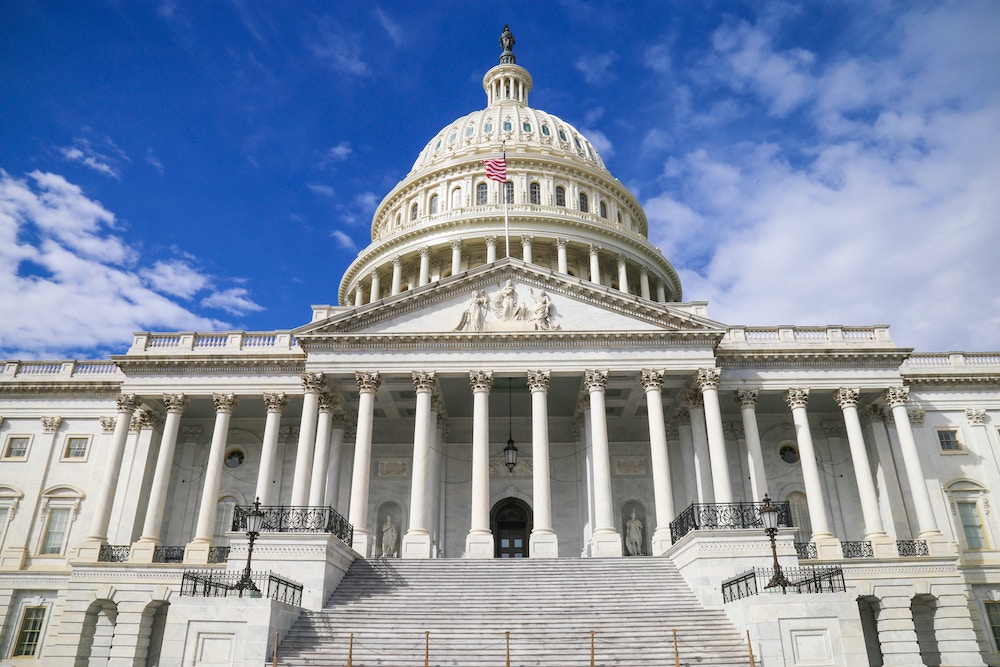
Some birds will still sing and flora abide no matter what human might reside in the colorless house with the POTUS inside. But not so for those that have already died. In the past year, seven more have ceased to run or swim or roar.
The outcome of our land and sea, each animal , insect and tree depends on policies they make. Will Earth survive or will we bake on the spit of reckless choices, protests made by unheard voices?
Will we find, at end of day we’ve voted our kids’ lives away? These are the species lost to us in last year’s sparring, useless fuss:
Sumatran Rhino. …
Chinese paddlefish. …
Yangtze giant softshell turtle. …
Indian Cheetah. …
Spix Macaw. …
Catarina Pupfish. …
Indochinese tiger
What new denizens will perish from this Earth we say we cherish? Yet we vote its life away And we’re the ones who’ll have to pay.
Today the loss of species is estimated to be between 1,000 and 10,000 times than that of the natural extinction rate. WWF reports that between 0.01% and 0.1% of all species go extinct every year. Considering the fact that there are around two million species on the planet, it means between 200 and 2,000 extinctions occur every year. And note, we are talking about species of which humans are one.
As per the 2018 report of World Wildlife Foundation (WWF), there’s a 60% decline in the population of mammals, birds, fish, reptiles, amphibians in just 40 years. As per the IUCN Red List, more than 30,000 species are threatened with extinction, which means 27% of the nearly 1,12,000 species accessed so far are under grave danger.
In the past ten years, 33 plant species have become extinct. The species listed above in my poem all vanished in 2019. I was unable to find a list for 2020.
Days of wild adventure, pulsing with delights are turning into zombie days that fade to zombie nights. Nothing on our agendas. No traveling, no dates— our calendars reduced to onerous empty slates.
It does no good to protest. God hears not when we ask. We merely have to don that necessary mask. Though every instinct urges camaraderie, Mother Nature warns us that she will wait and see.
Will we clean up our messes? Put out every fire? Calm her winds of warning before we all expire? Ban plastic from her oceans, stop digging for black gold? Cool the global warming and restore the cold?
If we will not listen, she’ll only turn deaf ears to all our present pleadings, to all our future fears. Oh foolish foolish children, just dealing with effects instead of paying heed to what nature expects.
Forgottenman posted a video of Beau talking about a new report on climate change on his blog last night, and I think this video is probably the most important thing anyone could post right now. I hope you will watch it over on FM’s blog HERE.
This picture is taken from my upstairs terrace. The dome you see covers the ceiling of my bedroom.
Remains of the day.
Payback Rhythms
The rhythm of the world as it tears us all asunder is of hurricane and fire, rain and wind and thunder. Fissures, ashes, ruins waterlogged and crumbled— all advances of mankind his foolishness has tumbled. What we do to it it does right back to us. This scientific fact is not so nebulous.
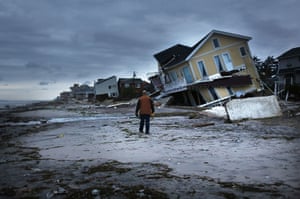
Prompt words today are nebulous, fissure, sunder and rhythm. With the exception of the UPI photo of the hurricane, all photos taken by me. Click on any photo to enlarge all. Please give photos a few seconds to load and focus.
Excerpt from The Guardian. Go HERE to read entire article.
Is climate breakdown to blame?
A range of factors influence the number of hurricanes smashing into land, from localised weather to periodic climatic events such as El Niño. Prior to 2017, the US had experienced a hurricane “drought” that had stretched back to Hurricane Wilma in 2005.
But there is growingevidencethat the warming of the atmosphere and upper ocean, due to human activity such as burning fossil fuels, is making conditions ripe for fiercer, more destructive hurricanes.
“The past few years have been highly unusual, such as Irma staying strong for so long, or the hurricane in Mozambique that dumped so much rain,” says Kossin. “All of these things are linked to a warming atmosphere. If you warm things up, over time you will get stronger storms.”
Climate breakdown is tinkering with hurricanes in a variety of ways.More moisture in the air means more rain, while storms are intensifying more quickly but often stalling once they hit land, resulting in torrential downpours that cause horrendous flooding.
Damage in the Rockaway neighbourhood of Queens, New York, where the boardwalk was washed away during Hurricane Sandy in 2012. Photograph: Spencer Platt/Getty Images
Rising sea levels are aiding storm surge whipped up by hurricanes – one study found that Hurricane Sandy in 2012 probably wouldn’t have inundated lower Manhattan if it occurred a century previously because the sea was a foot lower then. According to the UN’s Intergovernmental Panel on Climate Change, the maximum intensity of hurricanes will increase by about 5% this century.
The expanding band of warmth around the planet’s tropical midriff also means a larger area for hurricanes to develop, resulting in fierce storms further north than before, such as Florence. In the Pacific, this change means typhoons’ focal point is switching from the Philippines towards Japan.
Researchers are currently attempting to ascertain if climatic changes will help bend the path of hurricanes enough that more will charge in the direction of the UK in the future.
“This has implications for places that have historically been unaffected by tropical cyclones,” says Collins, who added these newly hit areas are likely to suffer a significantly higher risk of structural damage than traditional hurricane zones.
“We are already seeing effects of climate change,” says Collins. “While there is not consensus on the frequency of hurricanes in a warmer world, there is a consensus that the hurricanes are becoming more intense, and hence their impact will be worse.”
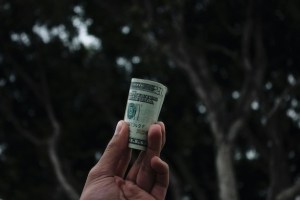 Image by Vitaly Taranov on Unsplash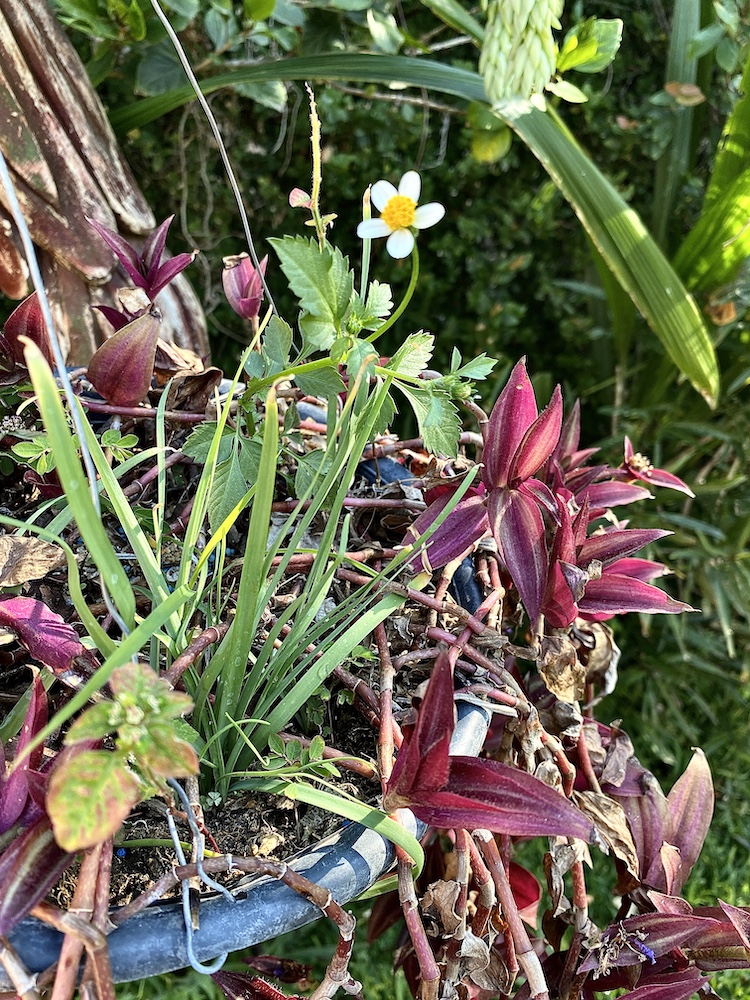




 lifelessons - a blog by Judy Dykstra-Brown