Category Archives: Children

Oh Baby, Baby

daily life  color130daily life  color129 (1)daily life  color128daily life  color127

Oh Baby, Baby

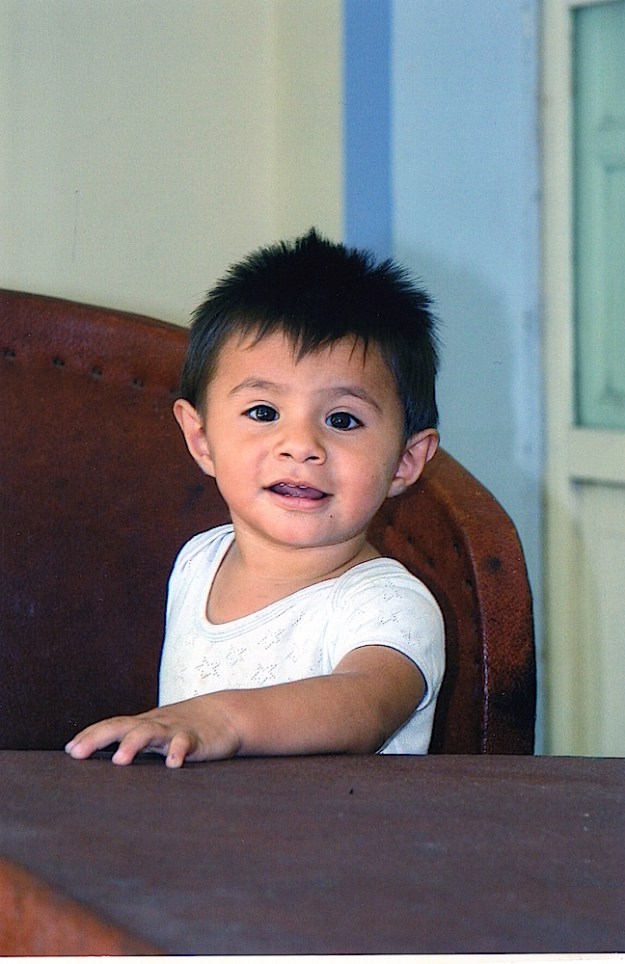
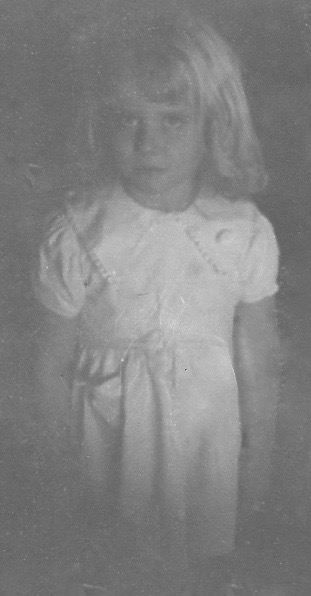
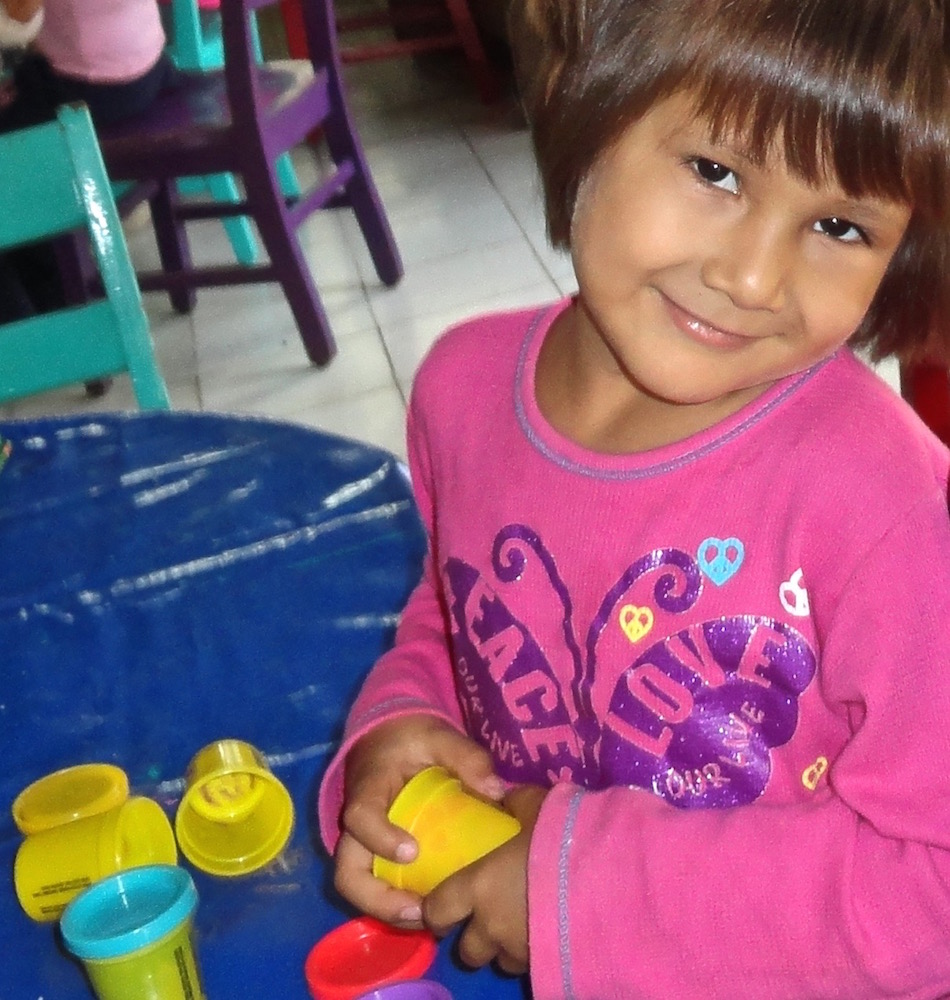
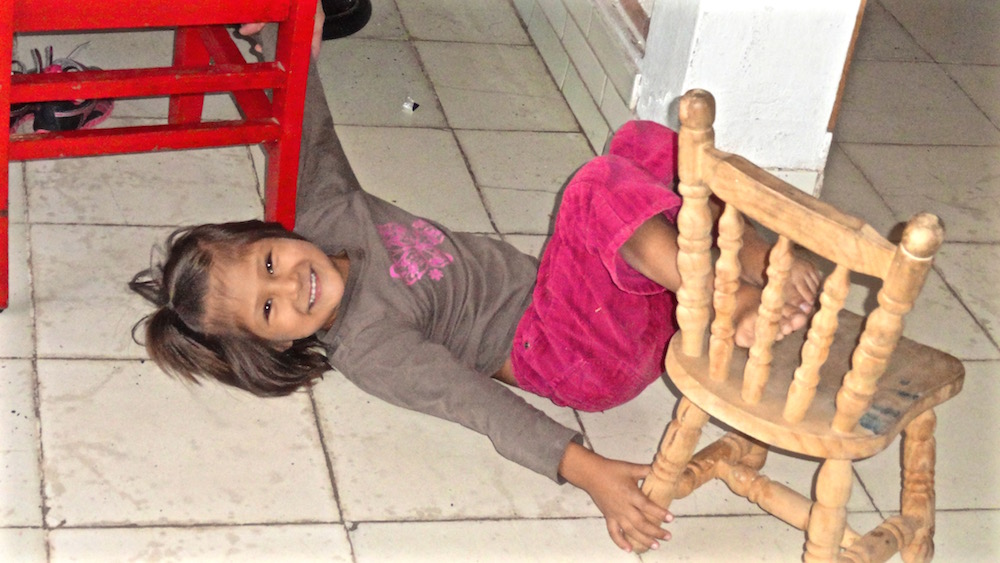
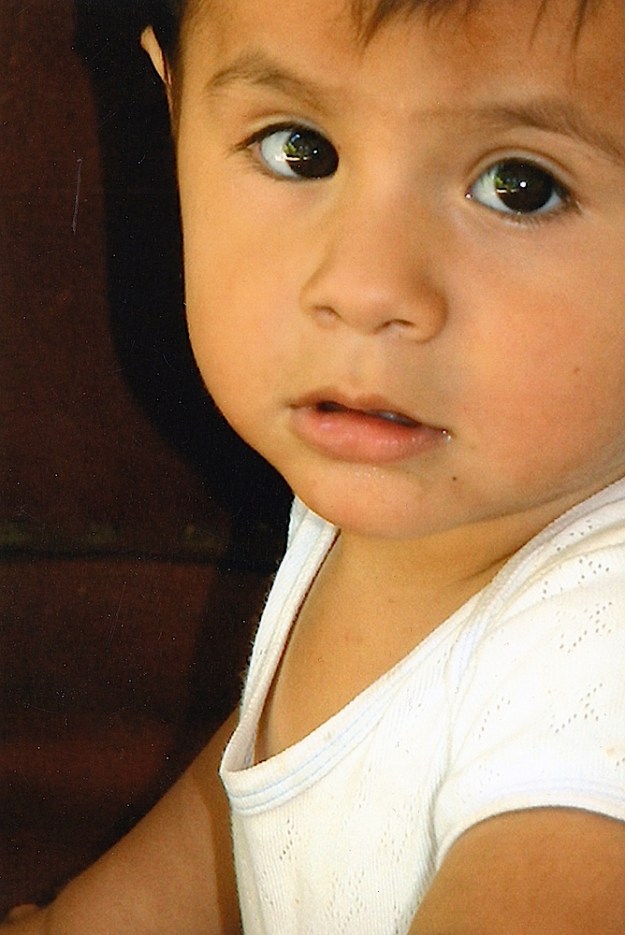
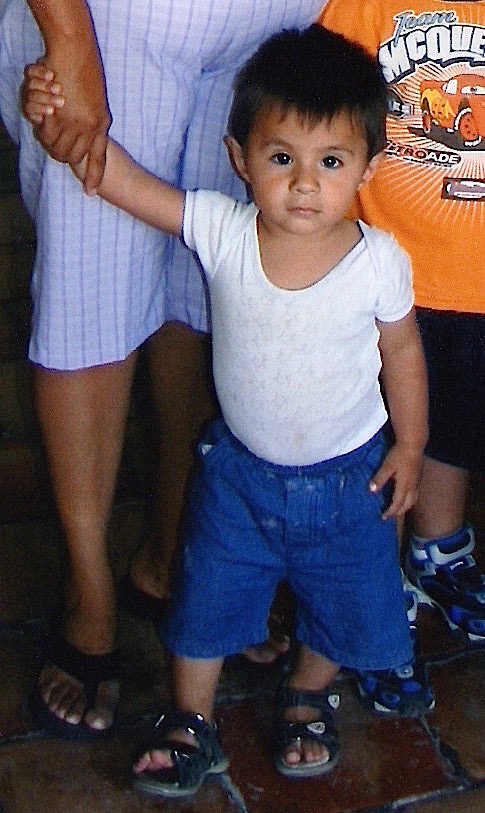
I just located these prints from a time long ago before I had a digital camera. They were taken in a hacienda long-abandoned by the family whose descendants still owned it, but was still being maintained by the descendants of a family that had been caring for it for hundreds of years. They were very grateful for the 200 pesos we pressed into their hand to see the remains of past glory and we were very grateful to see a house left pretty much as it was with furniture, paintings and kitchen intact.  The part of the experience I liked best, however, was capturing this charming little character on film!

To see more baby images, go here: http://jennifernicholewells.com/2016/01/12/one-word-photo-challenge-baby/

Color Your World: Beaver

Color Your World: Beaver             1024x768-beaver-solid-color-background.jpg

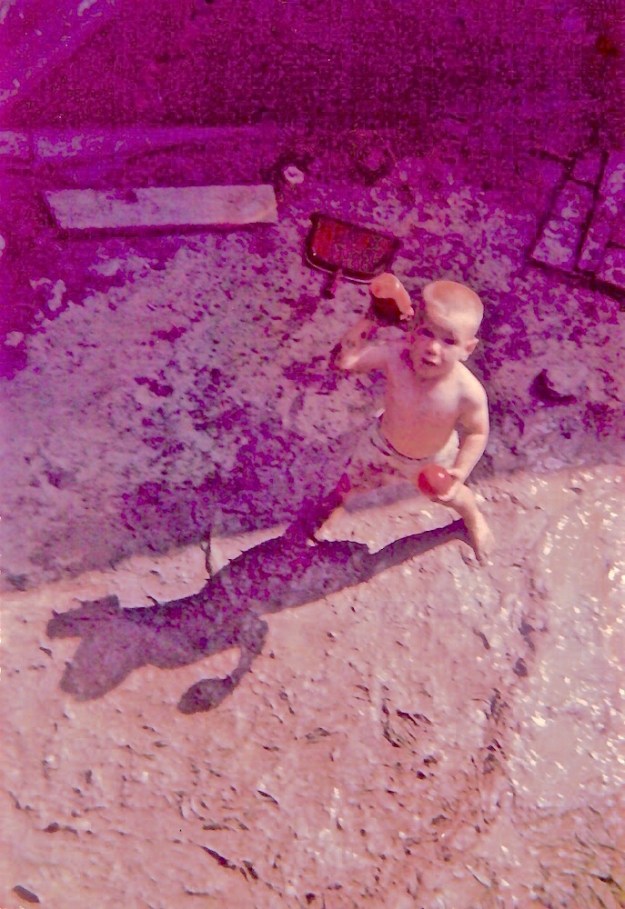
Back in the late fifties, my folks  built a new house a block away from our old one.  A modern ranch style, it was built on a small hill so the foundation of our house was level with the roof line of the house behind us.  My dad built a wooden walkway and porch that gave us access to our kitchen and basement entry from the garage on the other side of the house.  Underneath this walkway, which was up on very high supports, was a dirt  incline that was almost irresistible to the neighborhood kids–especially when it rained.  One day, as I stood at the kitchen sink doing dishes, I turned off the water but could still hear water running.  I went out on the back porch, looked down and saw this sight.  It was our little neighbor from across the street, Kenny Palmer, who had discovered the garden hose, turned it on, and created a wonderful mud party for himself.  Good photo opportunity. Would that I had had my present camera.  I would have taken twenty shots to this one and perhaps have achieved one a bit less fuzzy.IMG_0006


http://jennifernicholewells.com/2016/01/04/color-your-world-aquamarine/

Saved!

The Prompt: Sink or Swim. Tell us about a time when you were left on your own, to fend for yourself in an overwhelming situation — on the job, at home, at school. What was the outcome? For once, I’m going to take the prompt literally.  I wrote about this in January, so I’m going to use a rewrite of the tale I told at that time.

IMG_0013

Saved!

Although I’ve never had a child of my own, I love children; and from a very early age, my eye in any social situation was always drawn to babies. When I was little and my mother would take me along to meetings of her Progressive Study Club, I would always stand in the bedroom to watch the babies spread out on the bed by their mothers, surrounded by their coats.  In a similar fashion, I notice babies in restaurants and on the street––  especially babies who are facing backwards over the shoulders of their parents.  I love seeing what they are looking at––who they are communicating with through their eyes and their smiles.  I love it that babies have a private life even in the company of their parents.

In this modern age of child abductions and pedophiles, parents might find this creepy, no matter how benign one’s motive is in watching their children; but in my case, if they have not forgotten, there are two sets of parents who should feel very grateful for my interest in their children; for although I have never birthed a child, I am responsible for the presence of two children, now grown to adults, who would not be here but for me. In both cases, I saved a baby from drowning.  Both times, although there were other people in the proximity, they were in social situations where no one noticed what was going on as the baby nearly came to harm.

One of the times was at a housewarming party given by my boyfriend’s son in California.  We’d all been given the tour, including the garden and hot tub, which was up on a raised patio out of view of the house.  As we stood in the living room talking and drinking before the meal was served,  I noticed that the toddler of one of the couples was not with his mother. Looking into the other room, I saw he wasn’t with his father, either, and I suddenly had a strong feeling that something was wrong.

I ran out of the house and into the garden just in time to see him at the top of the stairs leading to the hot tub.  He toddled over to the side, fell in and sank like a stone.  I ran up the stairs, jumped into the hot tub and fished him from the bottom before he ever bobbed to the surface.  I remember the entire thing in slow motion and have a very clear memory of the fact that it seemed as though his body had no tendency to float at all, but would have remained at the bottom of the deep hot tub.

The parents’ reaction was shock.  I can’t remember if they left the party or if they really realized how serious it was.  I know they didn’t thank me, which is of no importance other than a measure of either their inability to face the fact that their child had been within seconds of drowning or simply their shock and the fact they were thinking only of their child.

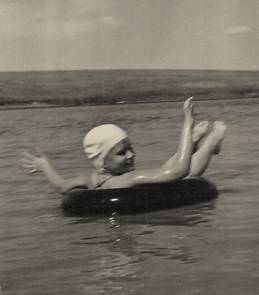
Strangely enough, this had happened before, at a stock pond just outside of the little South Dakota town where I grew up.  Everyone went swimming there, as there was no pool in town.  When I was still in junior high, I’d just arrived when I saw a very tiny girl—really just a baby—fall into the dam (what we called a pond) and sink straight down under the very heavy moss that grew on the top of the water.  Her mother had her back turned, talking to a friend, and no one else noticed.  I jumped in and fished her out, returning her to her mother, who quickly collected her other children and left.  Again, no word of thanks.  It is not that it was required, and I mention it here only because it happened twice and, having not thought about this for so many years, I am wondering if it wasn’t embarrassment and guilt on the part of the parents that made them both react so matter-of-factly.


https://dailypost.wordpress.com/prompts/sink-or-swim/

I Used to Eat Red

                                                                  I Used to Eat Red

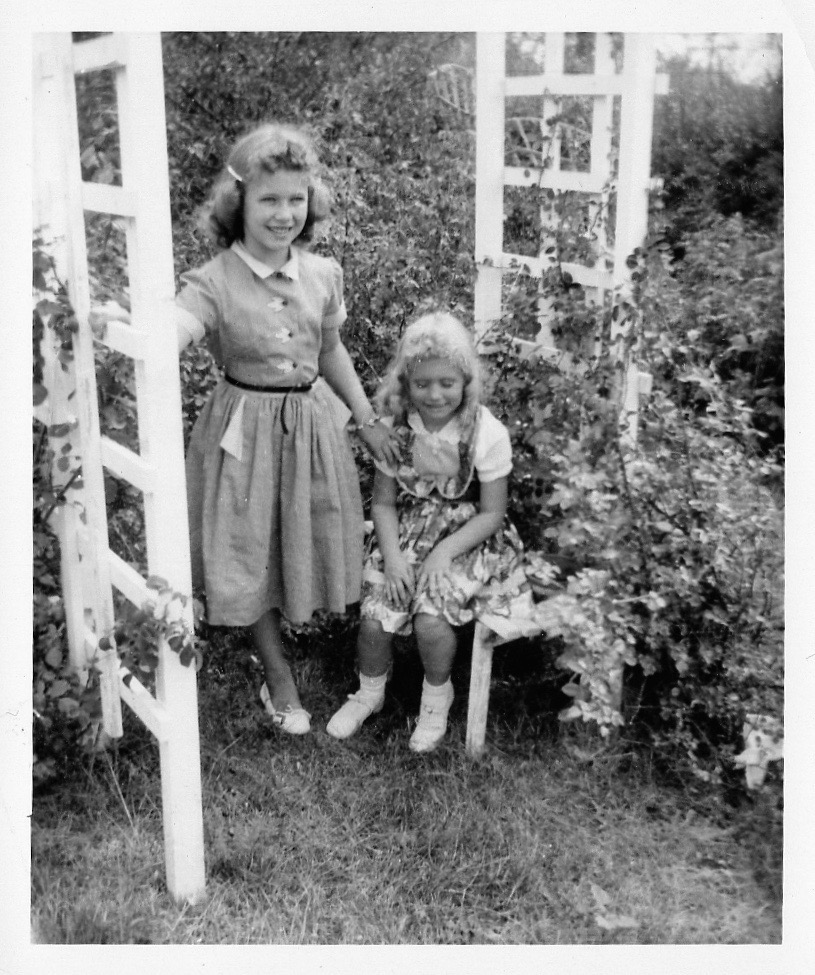
daily life color108 (1)My sister Patti and I, posed by my older sister Betty.  Those are “the” cherry trees behind us. The fact that we were wearing dresses suggests we were just home from Sunday school and church, our souls bleached as white as our shoes and socks!

 I used to eat red
from backyard cherry trees,
weave yellow dandelions
into cowgirl ropes
to lariat my Cheyenne uncle.

I once watched dull writhing gold
snatched from a haystack by its tail,
held by a work boot
and stilled by the pitchfork of my dad
who cut me rattles while I didn’t watch.

 I felt white muslin bleached into my soul
on Sunday mornings in a hard rear pew,
God in my pinafore pocket
with a picture of Jesus
won from memorizing psalms.

But it was black I heard at midnight from my upstairs window––
the low of cattle from the stock pens

on the other side of town––
the long and lonely whine of diesels on the road
to the furthest countries of my mind.

Where I would walk
burnt sienna pathways
to hear green birds sing a jungle song,
gray gulls call an ocean song,
peacocks cry the moon

until I woke to shade-sliced yellow,
mourning doves still crooning midnight songs of Persia
as I heard morning
whistled from a meadowlark
half a block away.

And then,
my white soul in my shorts pocket,
plunging down the stairs to my backyard,
I used to eat red,
pick dandelions yellow.

 (This is a reworking of a poem from my book Prairie Moths.) The prompt today was to talk about our earliest childhood memories.  https://dailypost.wordpress.com/prompts/childhood-revisited/

Uncornered

                                                                         Uncornered

daily life color103 (1)

Corners are the great equalizer, for it is a fact that no matter how large or small the house, every corner is exactly the same size. I remember being so small that I could fit all the way into a corner, right up to where it bent. If I was facing the wall, I could hold my head straight and fit my tongue into the crack that spread out in an L to form the two sides of the corner. If I faced outwards, I felt less punished and more ready to branch out from the corner into the kitchen, perhaps, with the refrigerator to be visited and a cherry popsicle to be collected on my way out into the world of my house.

Lying on my back on the purple living room rug––a floor that, although it extended to each corner of the room, had no actual corners itself. No chance of punishment. Facing downwards on the rug was entertainment: playing jacks or putting together a picture puzzle, moving paper dolls around their world of Kleenex box furniture, pot and pan swimming pools and matchbox coffee tables. In this paper universe were treasures purloined from the jewelry boxes of our mothers. Rhinestone bracelets became flapper necklaces and ruby-colored rings bangle bracelets. A folding fan stretched from side-to-side of the corner became the dressing room where Debra Paget donned her dressing gown, slipping out of her red paper high heels.

In the corner of my sister’s closet was the little cave I’d carved out of the shoe boxes and cardboard boxes of cast-off toys. There I’d wait for her to arrive home with friends in tow, to eavesdrop on their conversations in hopes of finding out who the boy was who had called her on the phone and hung up without identifying himself when he asked if she was there and I’d said no, she was out on a date. I might discover what she was going to give me for my birthday or hear any of the interesting secrets shared by girls four years my senior. But instead, it was the corner I fell asleep in, to wake up hours later when my mother called us down to supper.

“Where’s Judy?” I heard her ask my sister from the bottom of the stairs.

“She’s not up here,” I heard my sister answer as she went hop skipping down the stairs, two at a time. Even after I heard the door close at the bottom of the stairs, I stayed quietly where I was, barely breathing.

Five minutes later, I heard my sister clomping up the stairs again—looking in every room, the bathroom, under beds, in every closet except her own—I guess because she knew I couldn’t be there since she’d been in her own room for the hour before supper. I stayed quiet, giggling inside.

After my sister went downstairs,  I sneaked quietly out into the hall and down the stairs in my stocking feet, then creaked open the door and went running around the corner into the kitchen and dinette to take my usual place at the table—on the bench against the wall.

“Where were you?” my sister asked, “You weren’t anywhere!”

“It’s a secret!” I answered, and to this day, my whereabouts that day are an unsolved family mystery.

“Where was she?” They ask each other. Then, “Where were you?” they ask me again, but try as they may, no one has ever cornered me to give an answer.

Didn’t follow the daily prompt today as I’ve written about this one a couple of times, but here it is: https://dailypost.wordpress.com/prompts/strike-a-chord/


Toying Around: Cee’s Fun Foto Challenge/Kids or Pets with Toys

Toying Around

DSC07547 (1)

DSC07547 (2) DSC08297 DSC08417 Version 2

DSC08923

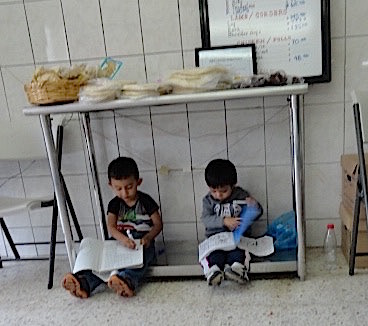
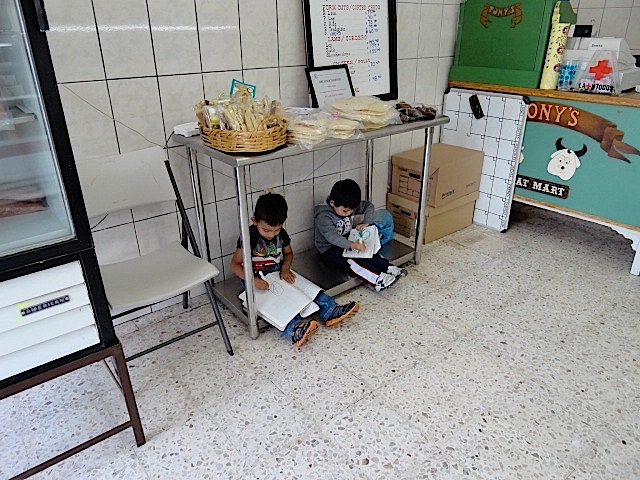
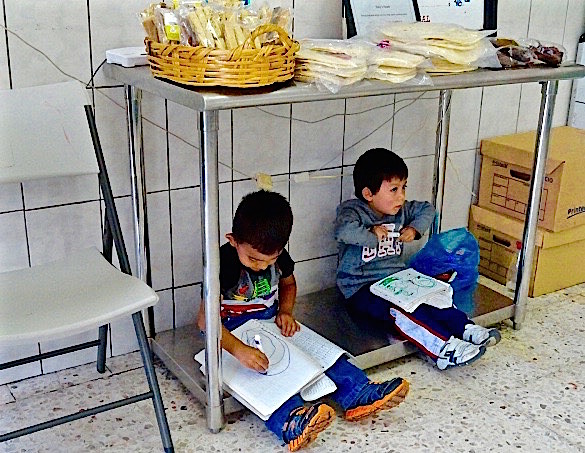
These little guys were entertaining themselves with coloring books in their dad’s butcher shop in Ajijic.

DSC08919 DSC08920

DSC08423http://ceenphotography.com/2015/11/24/cees-fun-foto-challenge-kids-or-pets-with-toys/

Summer

Summer

DSC09581DSC00929 DSC08599 DSC00936

http://jennifernicholewells.com/2015/11/03/one-word-photo-challenge-summer/

Tender Moments

Tender Moments
IMG_2234 Version 2 Version 2 DSC08882 DSC08430

https://nadiamerrillphotography.wordpress.com/2015/10/22/a-photo-a-week-challenge-tender-moments/

For Red: The Summer Home

The Summer Home

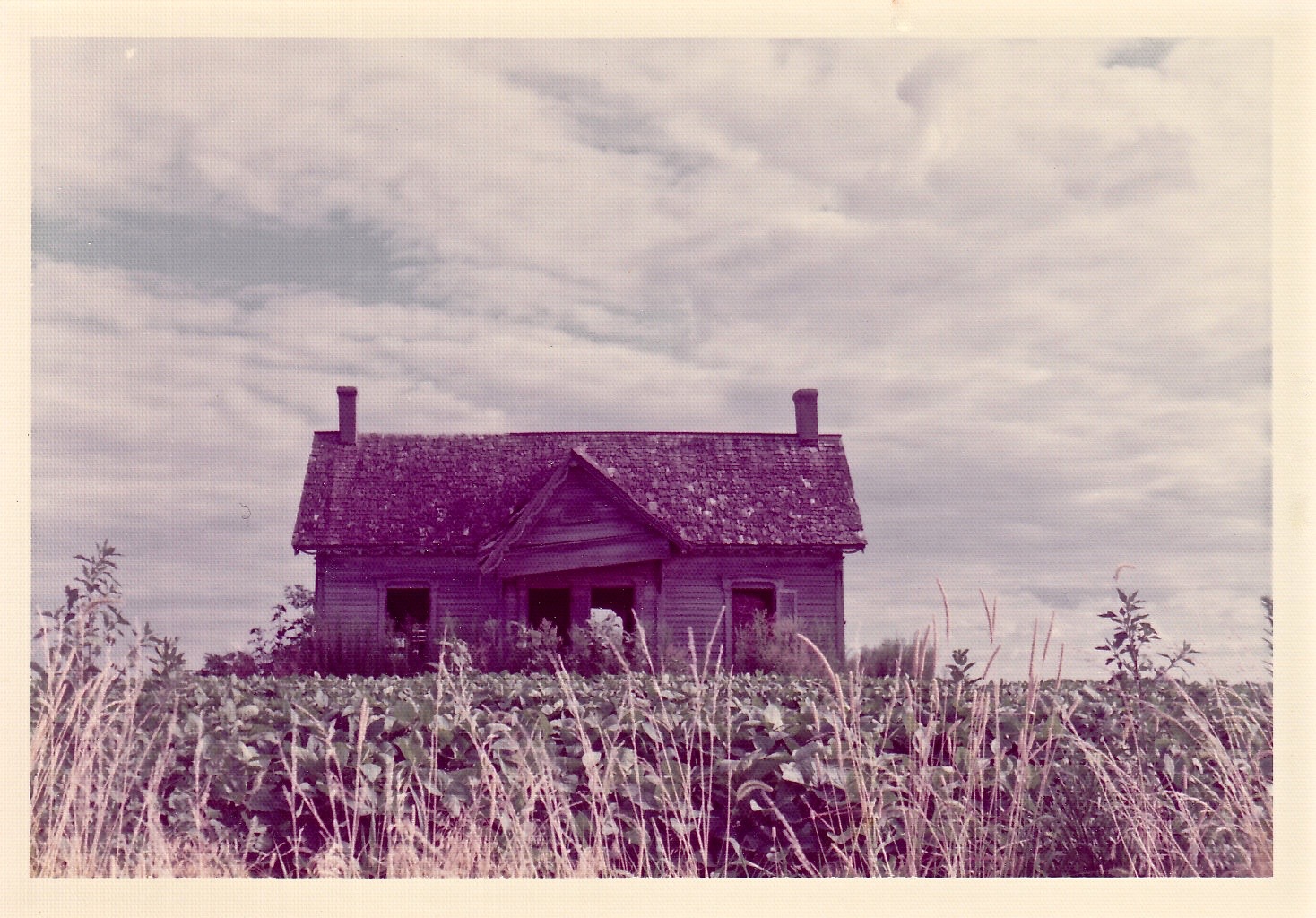
Decaying Farmhouse in Missouri Soybean Field

Photo by okcforgottenman, aka flycatcher

THE SUMMER HOME

When my dad bought the land
where the Big White River and Little White River joined,
I couldn’t believe that we owned land with trees on it.
While he plowed the small field,
I walked the woods and found the abandoned shanty.
Its door was open; in fact it could not shut.
Inside was a mysterious, sweet and fecund smell–
a mouse smell new to me
that I couldn’t stop myself from breathing in.
The mildew and the dust,
the musk of warm linoleum,
every new smell and sight was magic.

I was enchanted by this house emptied
of chairs and tables and beds,
yet full of the accumulated energy of past tame lives
and present wild ones:
the moving of leaf shadows
across the chipped linoleum of the L-shaped kitchen,
the dents on the floor where the kitchen chairs had set,
as though someone had taken care each day
to line up the legs in their holders.
Upstairs I found crayon scribbles halfway up the wall–
the arm reach of a three-year-old.

When I asked about the house,
my dad said that it was our summer home,
and the next time we went to the field,
I brought a broom.

I cleaned out the mouse droppings and the tumbleweeds.
I collected the peeled tile fragments,
imagining gluing them back again.
I washed out a quart canning jar at the pump
and filled it with spring water
and sweet clover,
putting it on the floor
between the kitchen chair holes
in the exact middle of the vanished table.
With the old shirt I found in the corner,
I rubbed mud and river sand
from the linoleum counter tops.
More sand worked as Ajax to scrub out sinks.

All summer long I worked on our summer home,
and for that summer and many summers to come,
I waited in vain for our move to the river house.

I sat on its screened front porch.
Outside the screen grew spearmint and peppermint.
On the top leaf of the tallest branch was a grasshopper,
the kind that left tobacco stains in your hand
when you held it.
All around me were the trees–
the swaying shedding cottonwoods
and scrub chokecherries.
It was a wealth of trees I’d never seen before
in the town where we lived on the bare prairie
nor on the roads we traversed for hundreds of miles
to see a movie or a dentist
or to buy clothes.

Around the screens buzzed the heavy flies,
their motors slow in the heat of July–
all the flies on the outside
wanting to get in
and all the flies on the inside
pressing the screen to get out–
like I longed to get out
to the freedom of trees
where black crows
and dull brown sparrows
rustled their wings
and flew from branch to branch.

In the distance, meadowlarks called
the only birdcall I ever recognized.
No squirrels, no chipmunks; but, rabbits? Yes.
My father said no bears,
but he’d told me the story of Hugh Glass,
mauled by a bear,
walking this river for a hundred miles
past this very joining of the Big and Little White,
in search of help;
and I could imagine one last bear or two
hidden in my woods.

So at night, at home in our winter house in town,
when he told the story I loved the best,
I was the one who discovered the bears’ cottage,
and the cottage was our summer home.
The chairs–too hard, too soft, just right—
I sat upon in turn,
taking great care every time to nestle each leg
back into its correct place on the kitchen linoleum.
And when I lay in the perfect bed of the little bear,
I could touch the crayon markings on the wall.

So when the three bears found me asleep
in the little bear’s room,
they weren’t really very scary;
but I ran anyway,
into my dark and shadowed owl-calling woods,
my woods still echoing the day lit fluted calls of meadowlarks,
their music shaken from the snarled leaves
in the evening breeze.
I ran to trees–
their leaves frosted by moonlight and the Milky Way,
vibrating with the power of the Big Dipper and Orion,
the Seven Sisters and the North Star.

Into the trees
to where I stored my memories
in the frog-croaking depressions under clumps of grass,
in the tangles of Creeping Jenny
and the fluff of dandelions,
in the sand hollows
that crept up from the riverbanks,
in the cocklebur and the chigger-infested grass,
in the crooks of cottonwoods and caves of thickets,
in the tiny cupped palms
of sweet clover and purple alfalfa,
in the wheat grass and the oats and trefoil.

The year my dad decided to expand the field
on the river bottom,
I pleaded, I cajoled, I promised, I prayed
for the summer home
where I had lived for neither one summer
nor one night, in actuality,
but where, nevertheless, I’d had faith
I would someday live.

Of course, there was no saving the woods
and summer house.
It was rich river land, prime for irrigation.
The trees were a waste of soil.
The summer home–everybody’s gentle joke on me.

After the cats and bulldozers were through,
I went with my dad to see
where trees had been ripped out,
the house burned to the ground,
the soil turned and planted
with crops that would build the land.
Their woods now furrowed soil,
the crows and sparrows
had gone to some other shaded place;
the mice, back to the fields.

My former references of trees forever gone,
the present references of sky and fence posts
too wide and new,
I wasn’t sure where my summer home had stood.
The house’s ghost destroyed by the bright sunlight,
the woodland paths replaced by tractor treads,
I watched instead a meadowlark
soar over brown fields and settle on barbed wire,
claiming the new field for its own.
With no house or forest left,
my only shade was chokecherry bushes,
my only chair, the pickup running board.
And so my summers at the river
vanished in the smoke of my summer home
and smoldering tree stumps.

But every night, my woods again threw still shadows
over the summer house,
and I ran once more the corridors of moonlight
cut through dense trees
like parts in a small girl’s hair.
I ran in the wet dew of the condensing summer heat.
I ran on the fuel of my need for magic
and wildness
and rivers
and trees.
I ran fueled by my need to be with something
that lived outside my window
as I passed long nights in my winter house.

It lay in the dark tapping of the trumpet vine branch
against my window
and the crunching of gravel
as someone walked by on the unpaved street–
out past midnight and I couldn’t tell who.
It lay in the pricking of the hair on my arm
as I stuck it out from the bed
and pressed it to the screen.

Always, in town, it lay outside of me–
except for when I floated the paths
of the woods surrounding the summer house,
joining it in dreams,
night after night and then less frequently
until the dreams came once a month
or once a year–
in darkness, always recognized;
but nonetheless forgotten in the light.

So by the time I saw the river field grown lush with corn,
I was a teenager in my first grownup swimsuit,
floating the milky Little White in an inner tube,
down to its junction
with the clear and colder-running water of the Big White,
my best friend next to me,
our cooler full of Coca-Colas and ham salad,
our conversations full of boys and music.

At the border of the field, to get to the river bank,
we crawled over the border of large tree trunks
laid horizontal, half-buried in sand.
I guess I knew they were the bones of my midnight woods.
I guess some part of me felt
the ghost of my summer house.
But, as I lay on my back on the submerged sand bank,
the warm water flowed so sensuously over my shoulders
and down my legs
that my suit seemed to peel itself
from my shoulders, breasts, thighs, calves.
And in a dream I floated the muddy water
of the Little White,
turning in the current
until the water seemed to flow inside of me,
floating me down
to the cool clear water of the Big White,
farther and farther away
from the summer home.

This poem was posted specifically as a response to THIS post on Red’s Wrap.

“The Summer Home” is excerpted from Prairie Moths–Memories of a Farmer’s Daughter, which is available Available on Amazon in Print and Kindle Versions and at Diane Pearl Colecciones and Sol Mexicana in Ajijic, MX


Wheat Cover 34 font

 Just as moths rise from prairie grasses to fly away, so did the author yearn to be free from the very place that nurtured her. Judy Dykstra-Brown’s verse stories and accompanying photographs give a vivid portrayal of rural life in the fifties and sixties, evoking the colors and sounds of the prairie and the longing a child with an active imagination feels for faraway places. From a small child curled up on the couch listening to her father’s stories of homestead days to pubescent fantasies of young itinerant combiners to her first forays into romance in the front seat of a ’59 Chevy, her memories acquire a value in time that she did not acknowledge while living them. Lovers of good poetry and those who miss the magic of childhood will relish Prairie Moths. (Excerpted from a review by Harriet Hart)
 

Step by Step

In response to The Daily Post’s writing prompt: “Community Service.” Your entire community — however you define that; your hometown, your neighborhood, your family, your colleagues — is guaranteed to read your blog tomorrow. Write the post you’d like them all to see.

IMG_2453

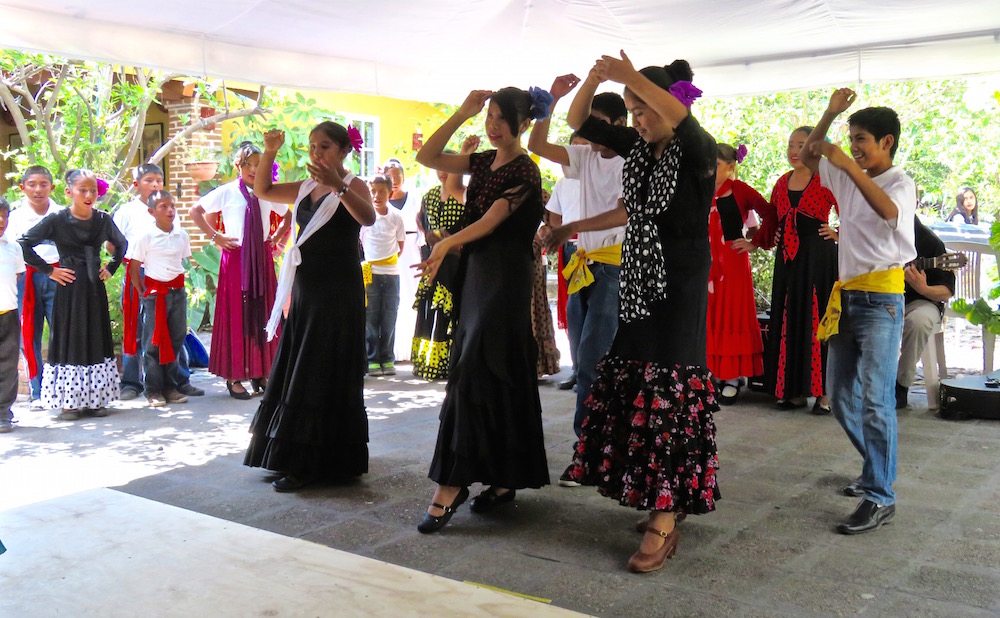
I’d like for the residents of my fraccionamiento and the village of San Juan Cosala to see the three blog posts whose links are given below and to perhaps then contribute to a dance program I am setting up in San Juan Cosala–at first mid-eastern dancing for 20 girls, then with more funding, perhaps we’ll branch out to flamenco as well as different dance styles that will be more appealing to boys.

I know that people in my community have huge hearts and they’ve proven that where there is a need, that will fill it.  They’ve set up soccer teams, a free spay and neuter clinic for dogs and cats, a 150+ child orchestra and chorus, English lessons, and a program that feeds and clothes the neediest families in town.

I would simply like to expand this wonderful world that is blossoming in the village of  San Juan Cosala. In Camp Estrella–a week long camp for 30 San Juan children–I saw how the dance lessons taught cooperation and gave a feeling of pride to the children–some of whom do not go to school or do not even have a house to live in but live in tents.

The three blog posts whose links are given below show their wonderful accomplishments during  Camp Estrella.  I’d like to continue that experience throughout the year by providing weekly free dance lessons for the girls.  I’ll pay instruction fees for the first twenty girls and buy their costumes that are necessary for the dance.  We’ll see how it goes and perhaps have a concert later in conjunction with the orchestra and/or chorus to raise funding to expand into break dancing and other dances attractive to the boys.  Let’s see what happens.

If you’d like to see the wonderful things thirty children accomplished in their week of activities that included art, dance and reading, please have a look at the below sites:

https://judydykstrabrown.com/2015/07/21/camp-estrella/
https://judydykstrabrown.com/2015/07/23/the-boy-in-the-blue-feathered-mask/
https://judydykstrabrown.com/2015/07/26/camp-estrella-final-show/