Tag Archives: Lake Chapala

The Willow Cutters

The Willow Cutters.

They gather in circles as the day ends.
Men sit in one circle, closer to the lake.
Women, still standing, cluster laughing around a ribald tale.
They’ve been cutting old willow, then burning it for weeks to clear the mud flats.
Now new willow, red-veined with opalescent skin, springs up from the graves of the old.
The teeth of slender leaves cup up to catch the far-off whirr of rain bugs in the hills.
Every night louder, their repetitious whirr is as annoying
a
s the temperature, which  grows hotter every day.

The birds all seek their evening perches—
night heron on the fence post in the water,
blackbirds in orderly evening strings,
swallows in frenzied swooping snarls.
A young girl lies on her back in the short cool grass
that in the past few weeks has sprung from the cracked mud.
With her baby in arms, she rolls over to face the red sun and in her journey,
sees the ones from her pueblo who burn off last year’s growth.

Sees also t
he gringa who cuts the tender willow.
She is an interloper who watches birds, and as she watches,
is watched—the bright colors of her clothes drawing eyes.
She is the one for whom being a foreigner isn’t enough—
an ibis among herons, a cuckoo among blackbirds,
Now and then, all flock here.

As mother with child  stands to go,
the willow cutter, too, straightens her back
and trudges heavy, arms filled with willow,
toward her car far up the beach.
As  sun like a cauldron  steams into the hill,
horses stream smoothly back to claim their turf,
and the other willow cutters circle longer, telling stories, moving slow.
Children run races with the night as sure as new willows
grow stubbornly from the ground of parents
uprooted, but victorious.


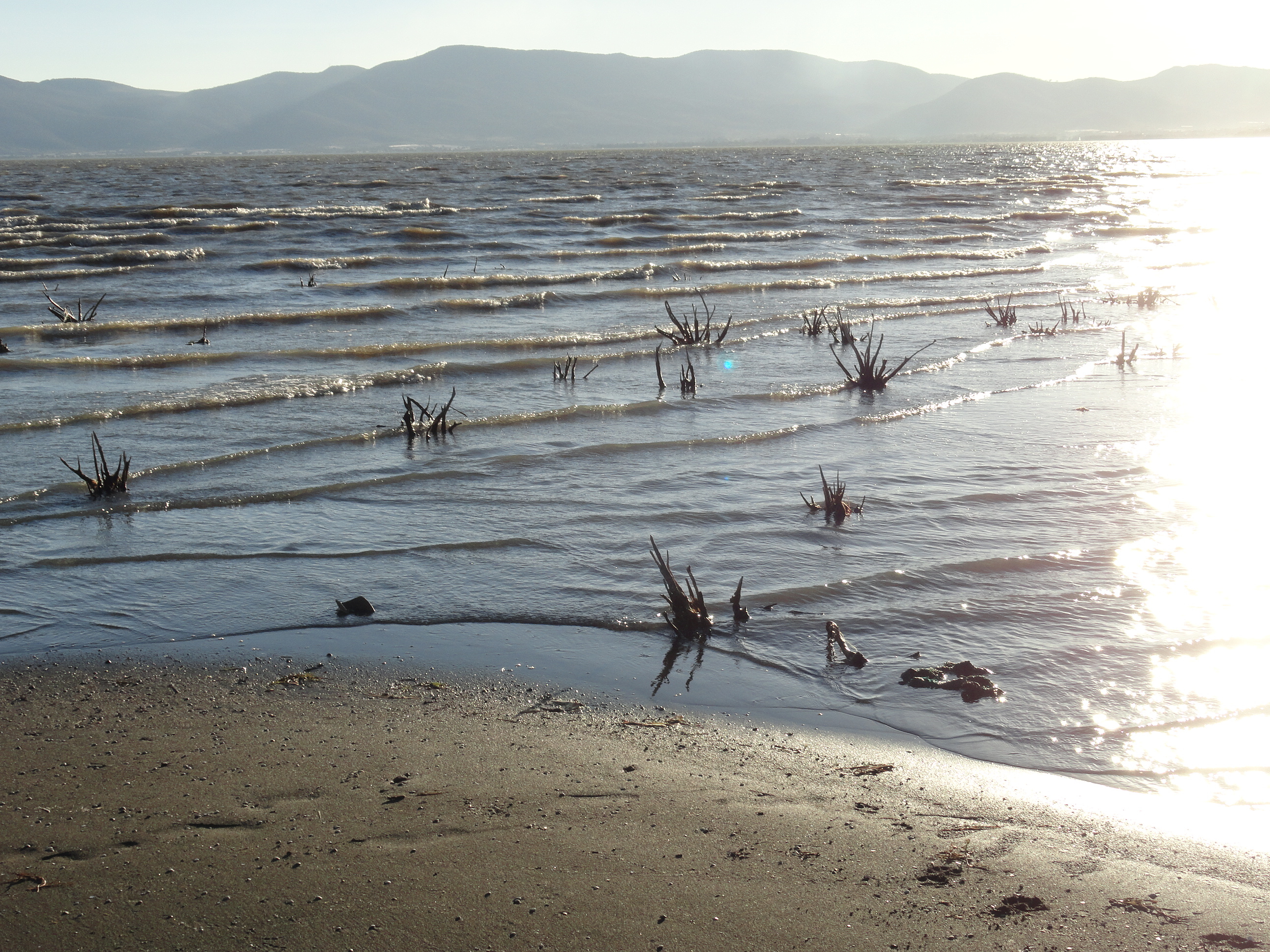
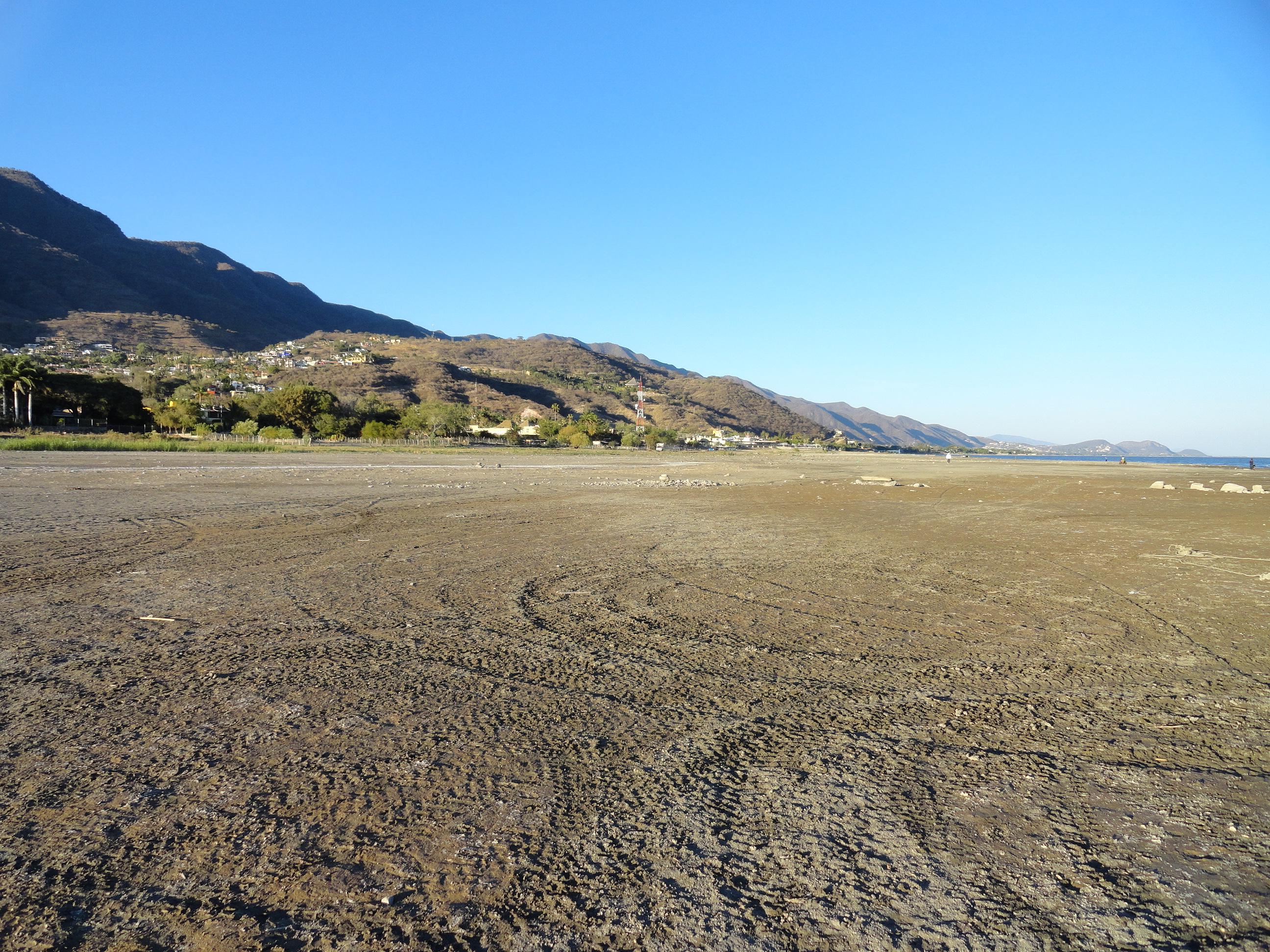
This is a poem written the year I moved to Lake Chapala, sixteen years ago.  Every day for two years, I walked on land that had formerly been lake. There were acres of willow that I later learned townspeople were hired to clear before Semana Santa, when hordes of tourists from Guadalajara always descended.  I was there to cut willow to make lamps. When the lake came up to its former banks a few years later, all of those willows, that grew back yearly, were destroyed.  Only their bones now stick up when the lake recedes a bit again every year.  They make perfect roosting places for birds. I rarely walk on the lakeside anymore. The lake has remained high enough so all of my former walking places are under water.  Instead, I stay home and write poems and post blogs. As usual, click on any photo to enlarge all.
Funneled


Interloper

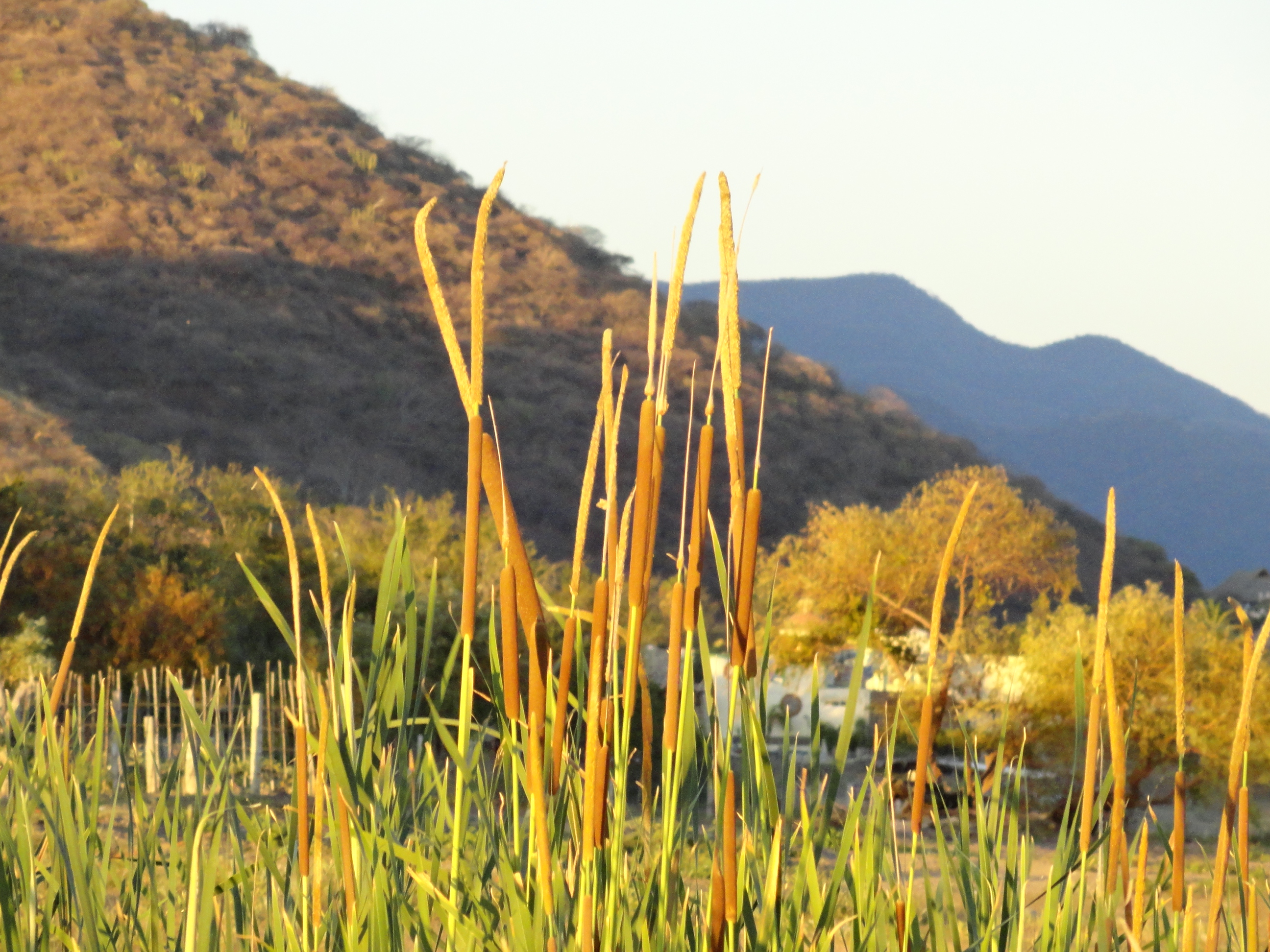
If you live long enough, what others consider history will become your life. Twelve years ago, I walked for hours every day on dry lake bottom, in places the lake a mile further out from its usual banks. Then, five years from its supposed extinction, the rains came. The floodgates of the dams upstream opened as well and the lake swelled to its former girth. My old walking trails through the cattails and the willows became suffused in a watery world. Tree tops became the perches for egrets scant inches above the waterline, and the lake became once more the private property of homes and landowners who fronted on the water.

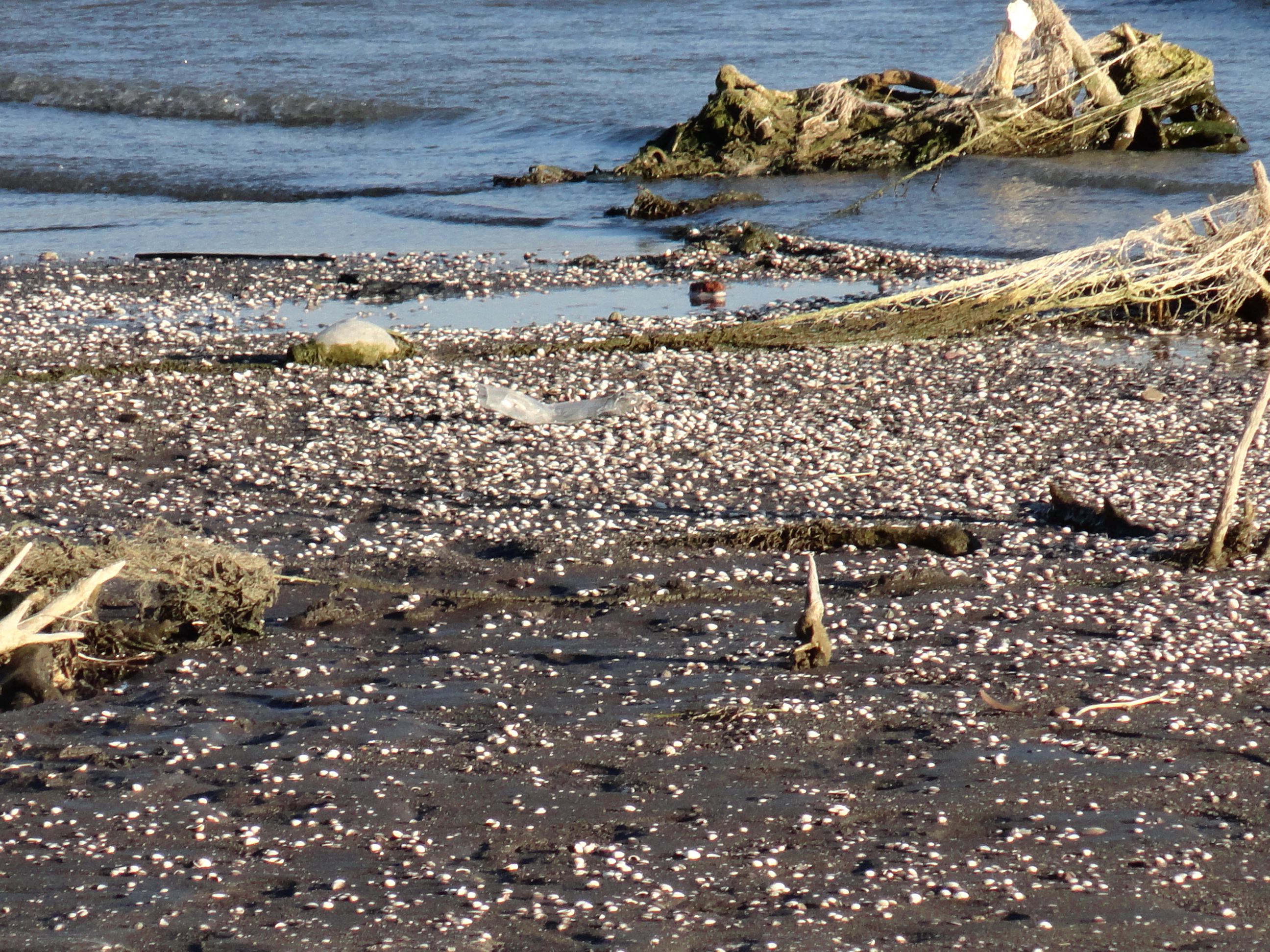
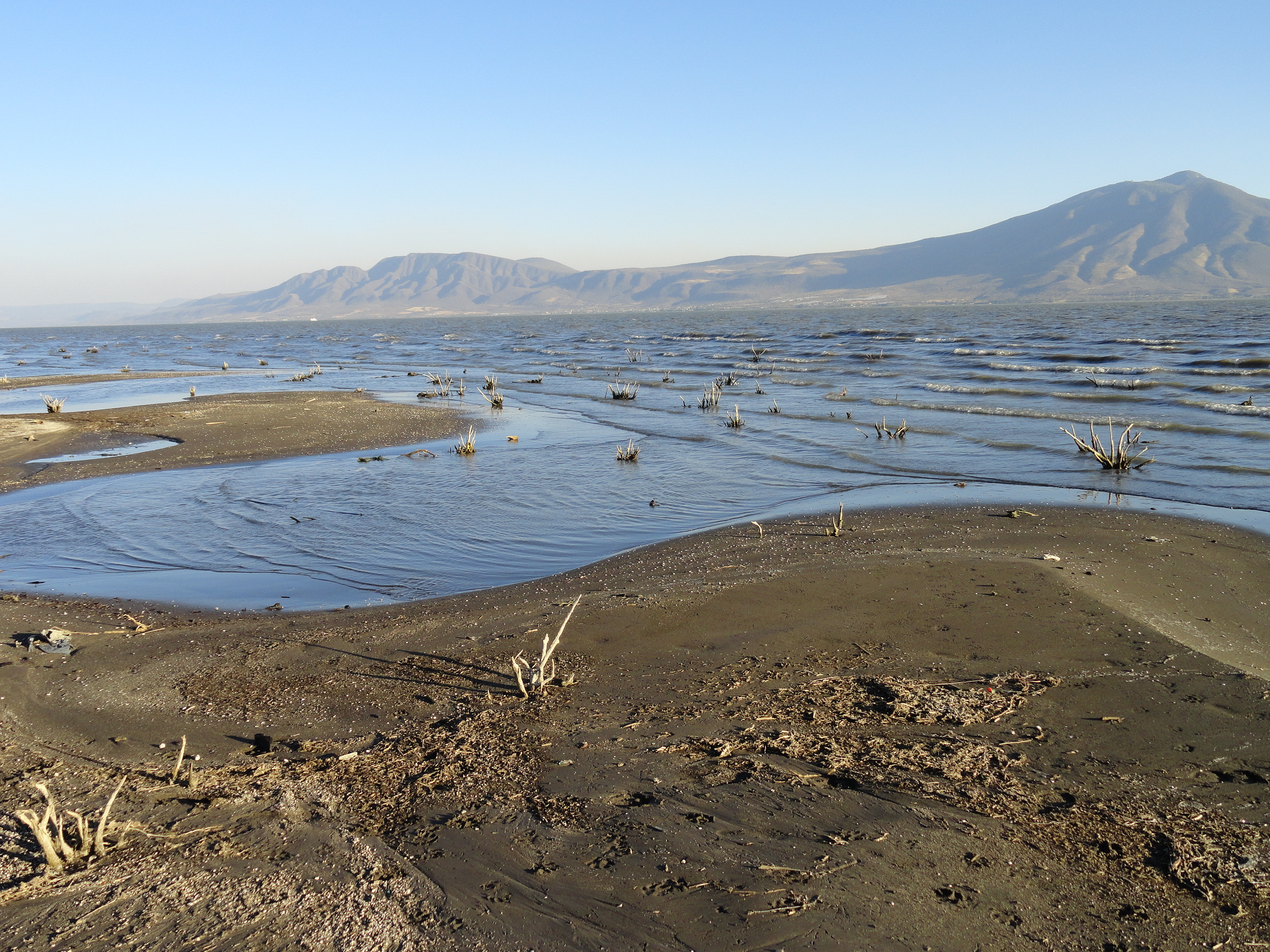
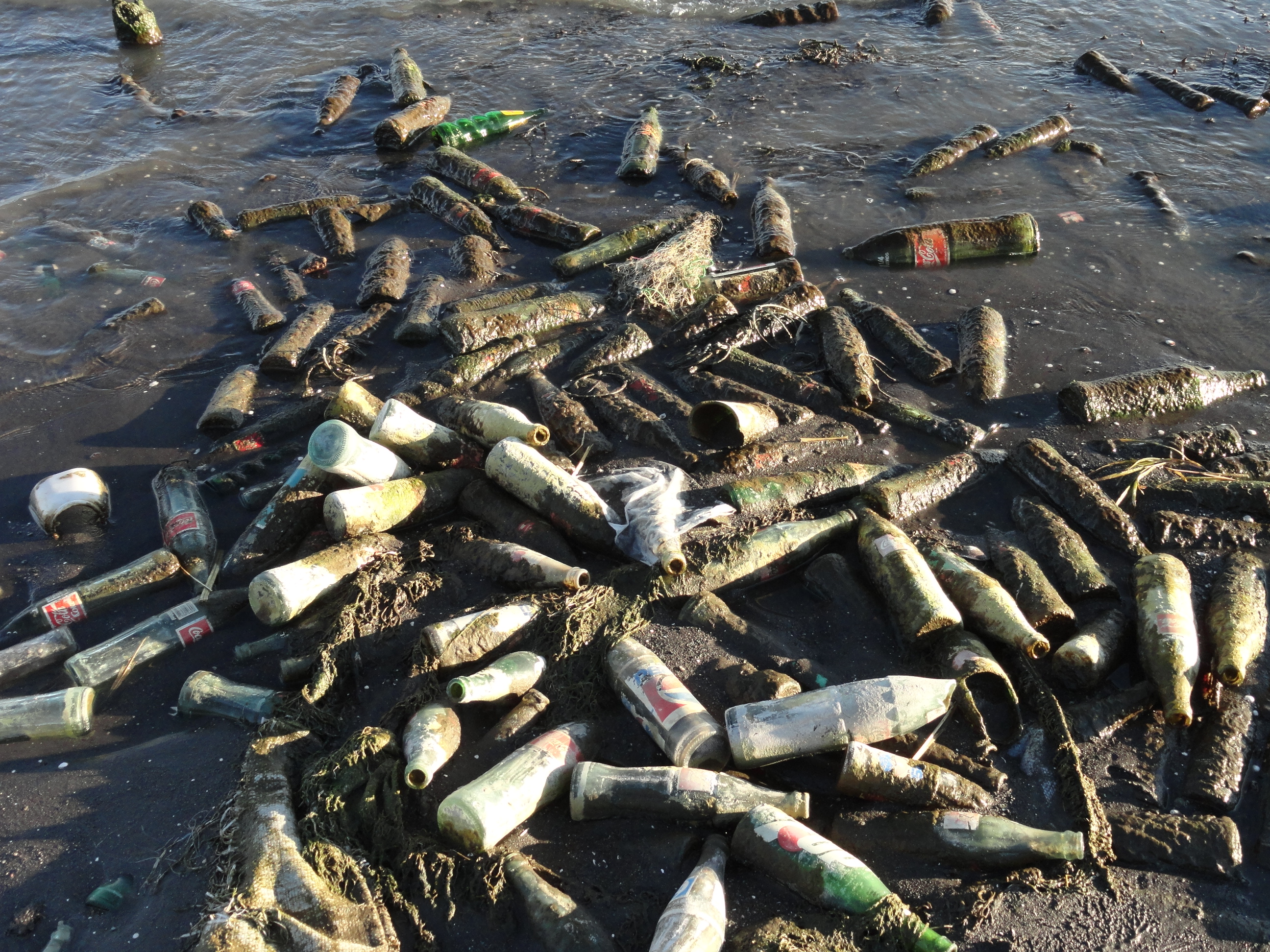
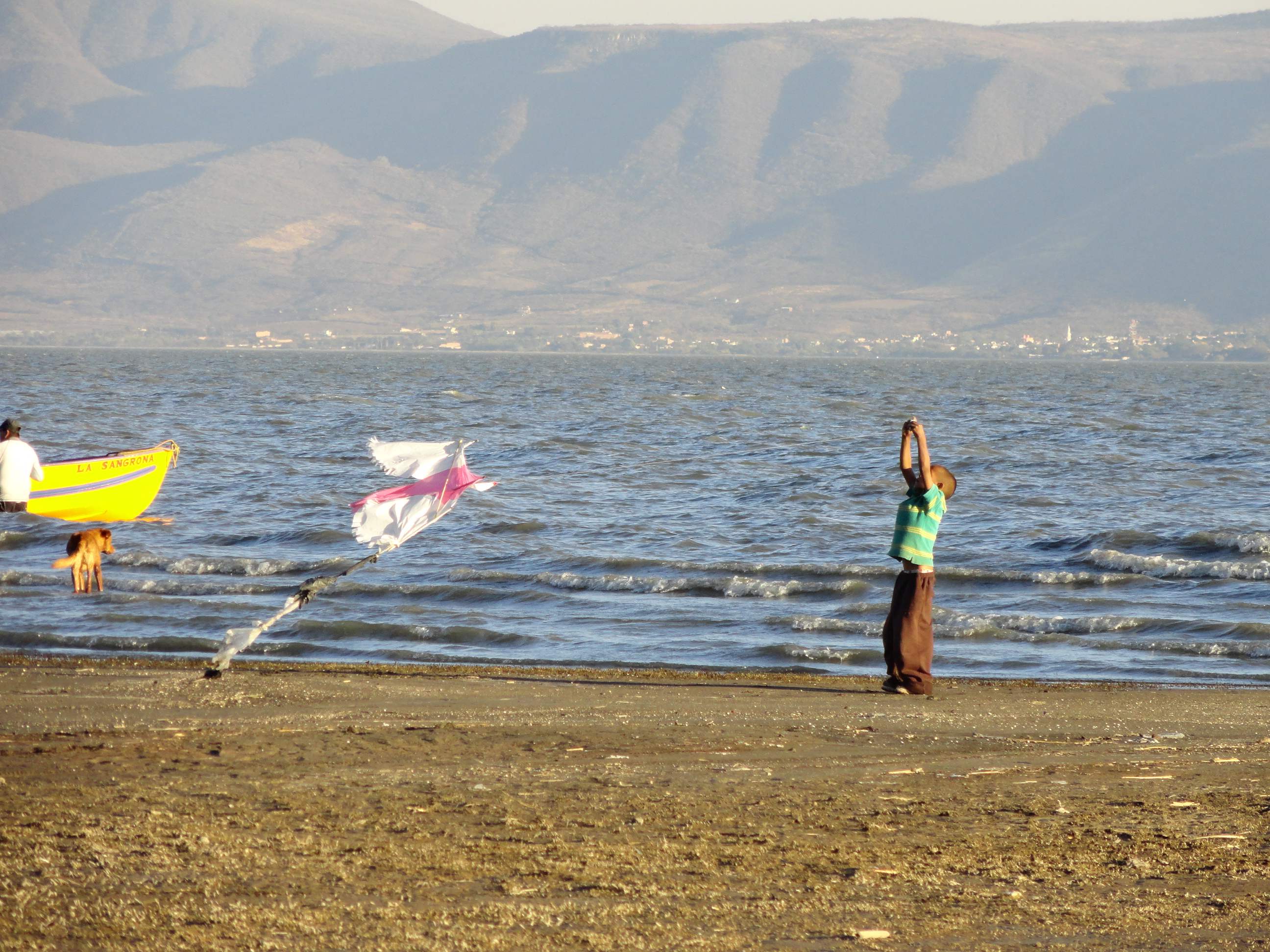
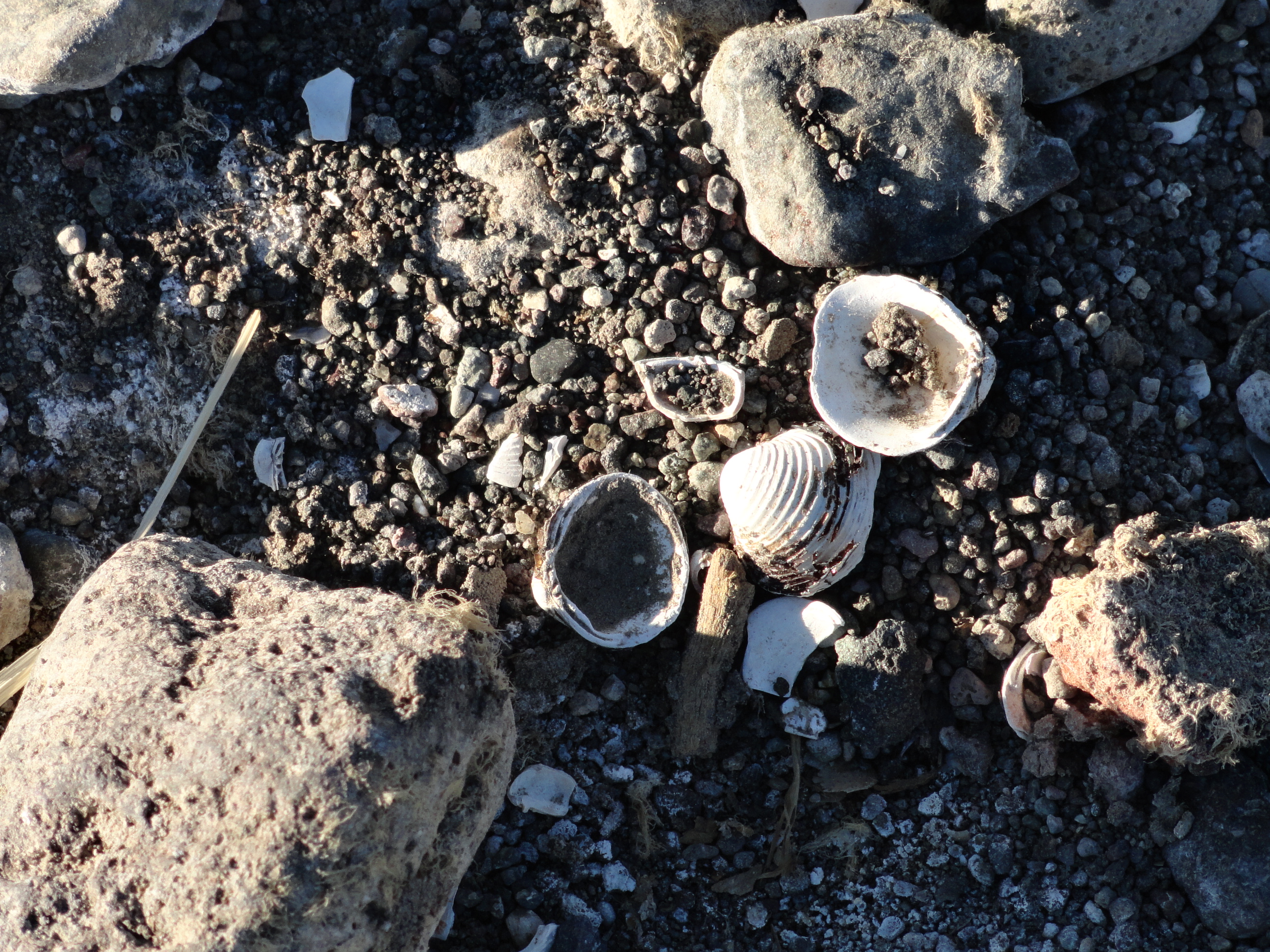
But now, again, the water has retreated, and for the first time in eleven years, I am again walking on what was once lake bottom. I see for myself how this venerable lady who spreads  her skirts under the mountain known as Señor Garcia, has done so in a curtsy, before beating a hasty retreat. Freshwater shells pave the dry silt. Discarded soda bottles , moss-covered and corroded, lie in a pile as though emptied like catch from a fisherman’s net. Coots and grackles replace the white pelicans who have circled over in their last goodbye like other snowbirds heading north. Sandpipers whistle their reedy pipes, as if to rein in the small boy who runs with a rag of kite streaming out behind him, creating his own wind.

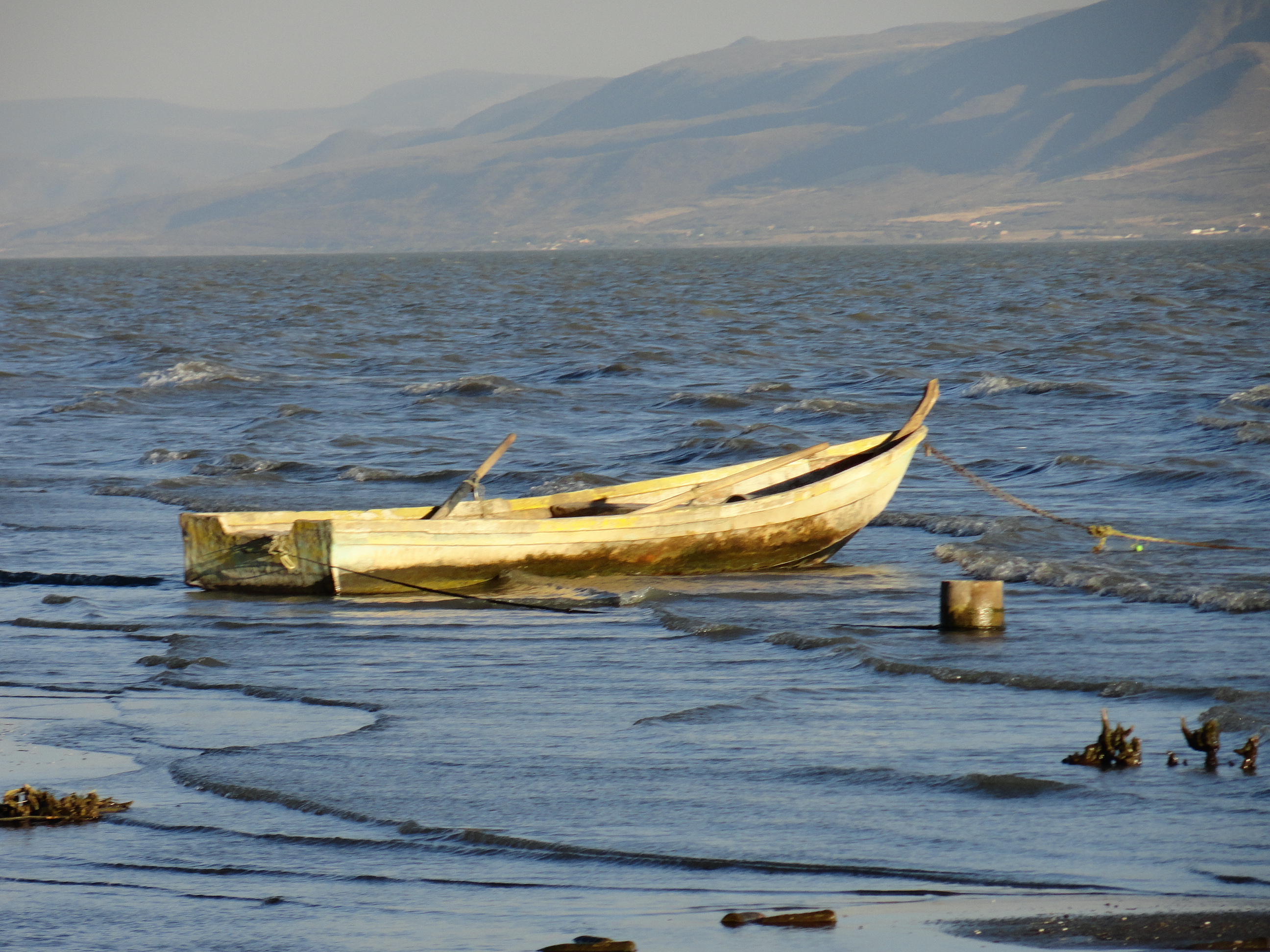
A man in red shorts wades out to a bright yellow boat, lugging a five gallon gas container. The kite pilot and his two brothers, as tattered as their kite, walk past, then circle as though I’m prey, to sit behind me on an archipelago of large stones that form a Stonehenge around the sheared-off skeletons of willows. I wrote about these willows in their prime— when the villagers had come to clear and burn them eleven years ago, not knowing they would not grow back. What had been foremost in their prayers for years would soon happen. The lake would rise again to her former banks. But now she once again beats a hasty retreat, leaving the stubs and skeletons of trees revealed again. It is a wasteland stripped of the life of water or of leaves.

“Rapido!” the boy in the green shirt demands of his brother. Their sister pulls the bones of the kite from their plastic shroud. Rags turn back to rags, their flight over. The brother in the black Wesley Snipes T Shirt winds the coil of string as though it is valuable and can’t be tangled or lost. The sun is half an hour from setting. “Be off the beach by nightfall,” a man had warned me as I set off for my walk. He was a gringo, and perhaps unwarrantedly cautious, yet still I am ready to start back. I remember the banks of blackbirds that used to settle in clouds in the reeds—acres and acres of cattails—enough to get seriously lost in. At sunset, the birds would lift in funnels by the thousands– a moving tornado of winged black that moved as one. But they are history, now.

“La Sangerona”—that bright yellow boat whose name translates as “the annoying one” does not disappoint. Despite her fresh infusion of fuel, she has to be pulled manually ashore. She is like a princess being towed up the Nile. She expends no energy to further her own movement. A red dog, wet sand to his high tide mark, settles politely in the sand beside me. Like iron filings drawn to their pole, the children gather closer. They pull at the rocks as though mining for worms— prod at the packed sand, casting eyes up, then away. Curious but silent.

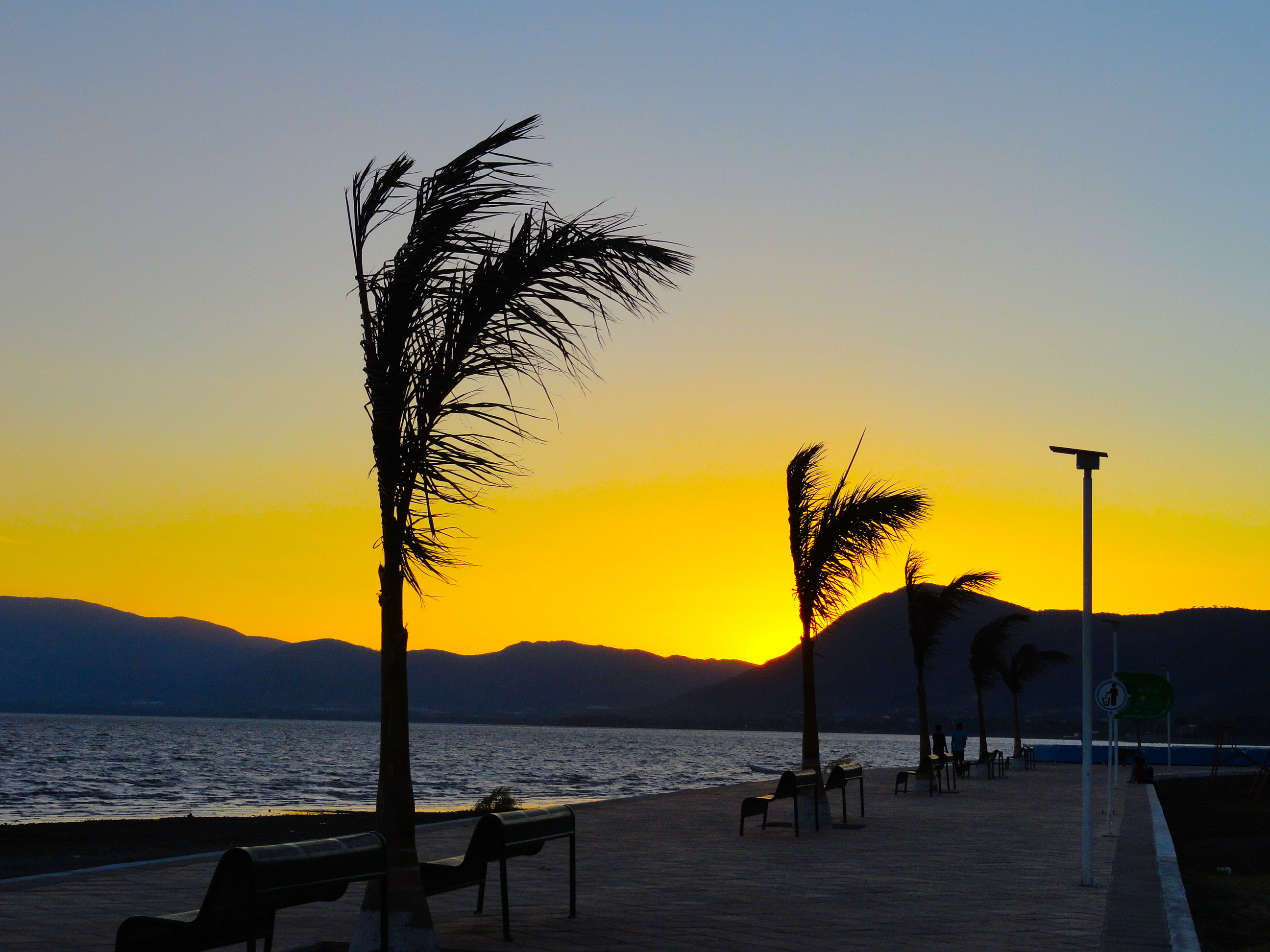
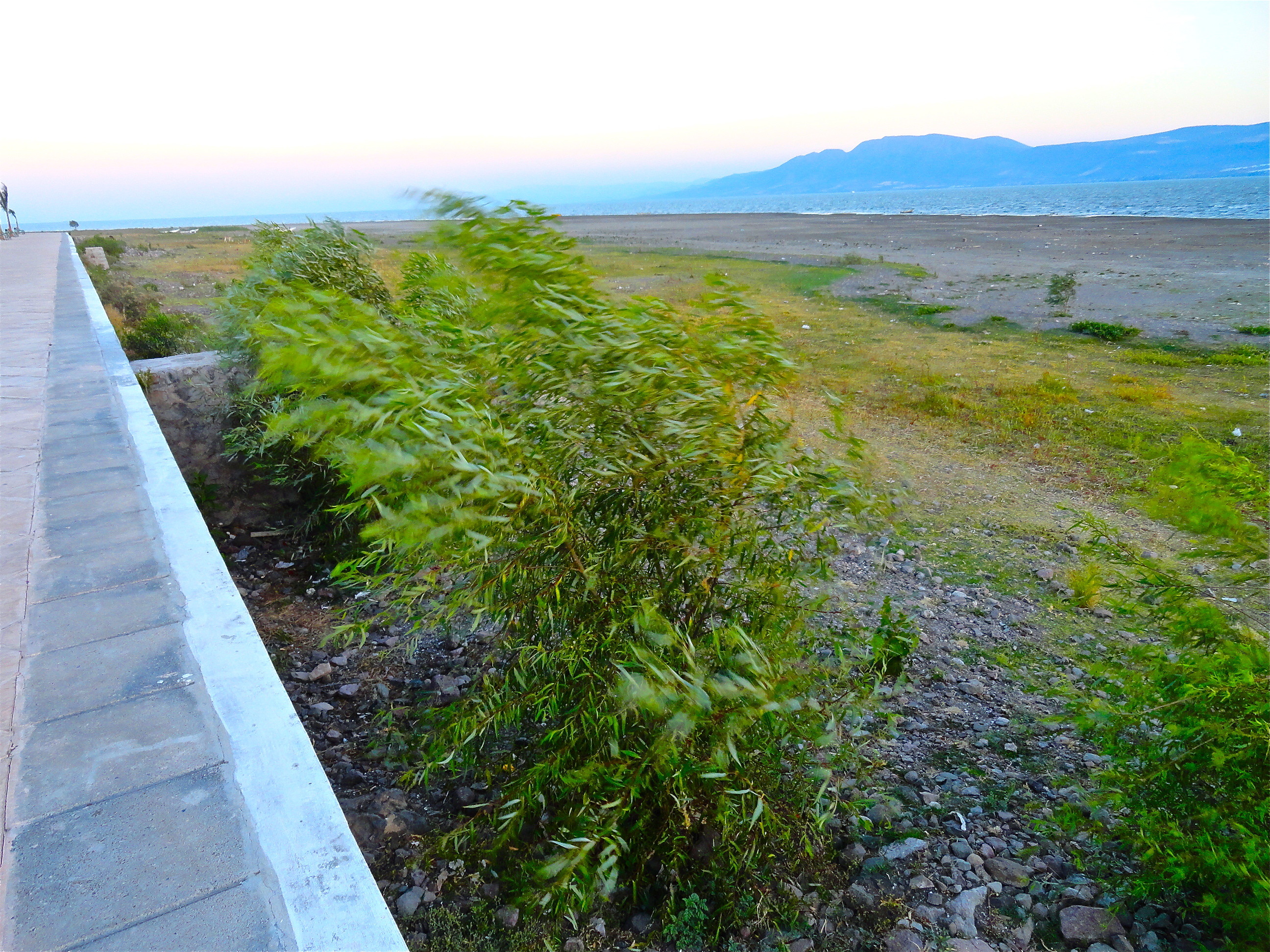
Now, all run away. I am left with one grackle, three sandpipers and fourteen coots, drawn out by the waves and pushed back in, over and over in a lullaby. As I climb to the malecon, the sun dissolves into the mountains to the west. Shadows of palms are blown in a singular direction, all pointing north. Below them, the skirts of lesser trees, as low as bushes but lush in their fullness, toss with abandon, as though this lower wind does not know its own direction. I have a hunch, go closer and examine. I am rewarded. They are willows, swaying to obscure a fresh stand of cattails, once again beginning their long march of dominance.The water that was interloper is history. And I am part of it.

Dry lakebed. Once again revealed

Dry lakebed, once again revealed.

closeup of freshwater shellsFreshwater shells, revealed by the retreat of the lake.

Freshwater shells revealed by retreat of lake

new serpentine shoreline

A new serpentine shoreline.

bones of the old willows again revealed

bones of the old willows again revealedFresh catch!Fresh catch!


The kite flyer and  the recalcitrant “La Sangerona.”

DSC07719

Palms point northwards in the sunset breeze.

The first surprise. New willows!

DSC07751

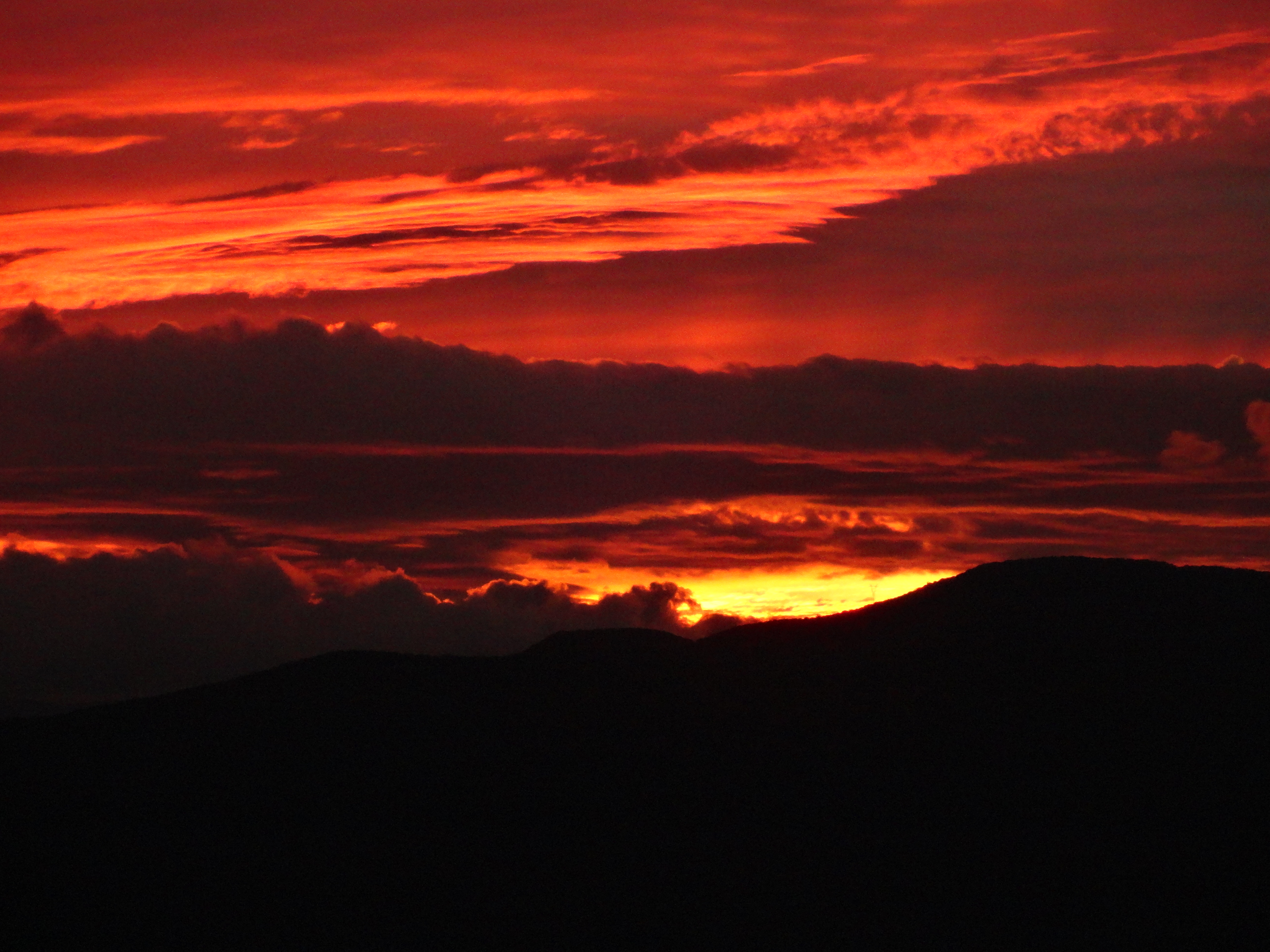
A lake sunset

A lake sunset


This is an extensive rewrite of a poem posted years ago. The prompt today is funnel.

Cee’s Fun Foto Challenge: Isolated Subjects

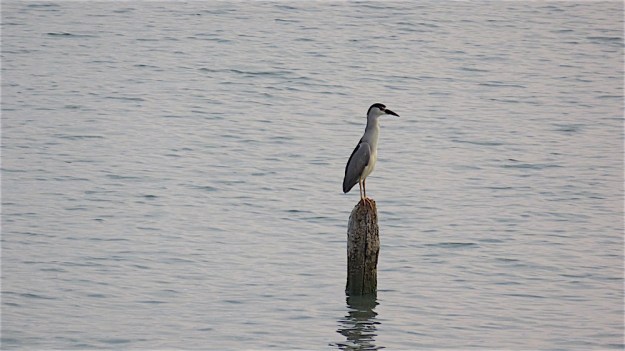
This single post sticking up far from the shore of Lake Chapala is the epitomy of isolation, but as I zoomed in on it, I learned more of its story.

IMG_4708

IMG_4710

It is in fact a handy perch for this solitary night heron.

Cee’s prompt was “Isolated Subjects.”

Sunset in Lake Chapala––Seven Day Nature Photo Challenge, Day 4:

IMG_8287

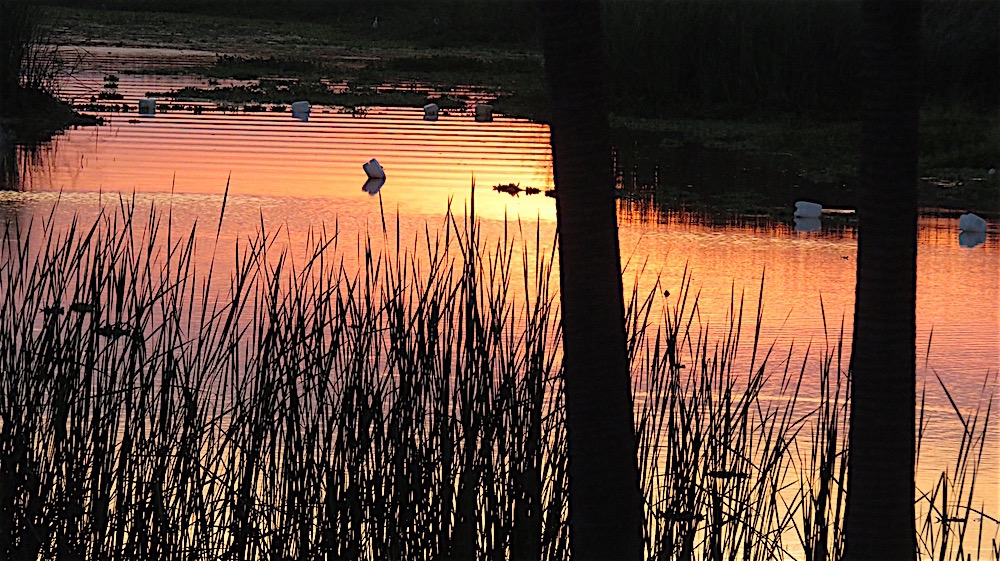
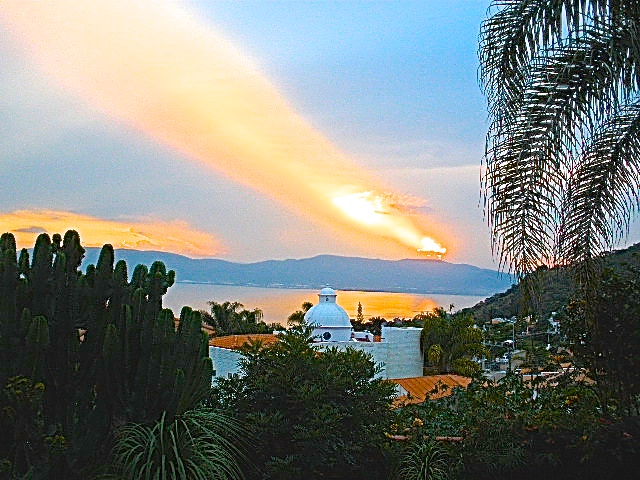
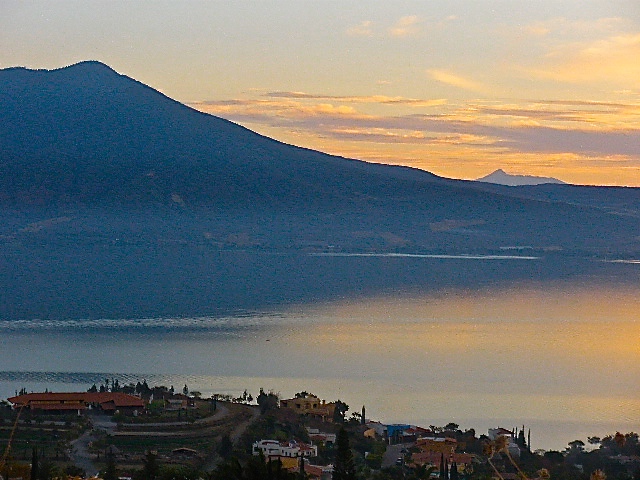
Sunset reflected in Lake Chapala, Jalisco, Mexico, last November.

I was invited by Cee from ceenphotography.com to participate in a challenge called Seven Day Nature Photo Challenge. (Check out Cee’s nature photos as well as her thousands of other wonderful photographs by clicking on the link above.

As part of this challenge, I am to post one nature photograph a day for one week and to ask one other person to join the challenge each day.  Today I ask you to check out the  photography of Irene Waters  and I’m nominating her to take part in the Seven Day Nature Challenge as well.


https://irenewaters19.com/

My Town

DSC09705DSC09825
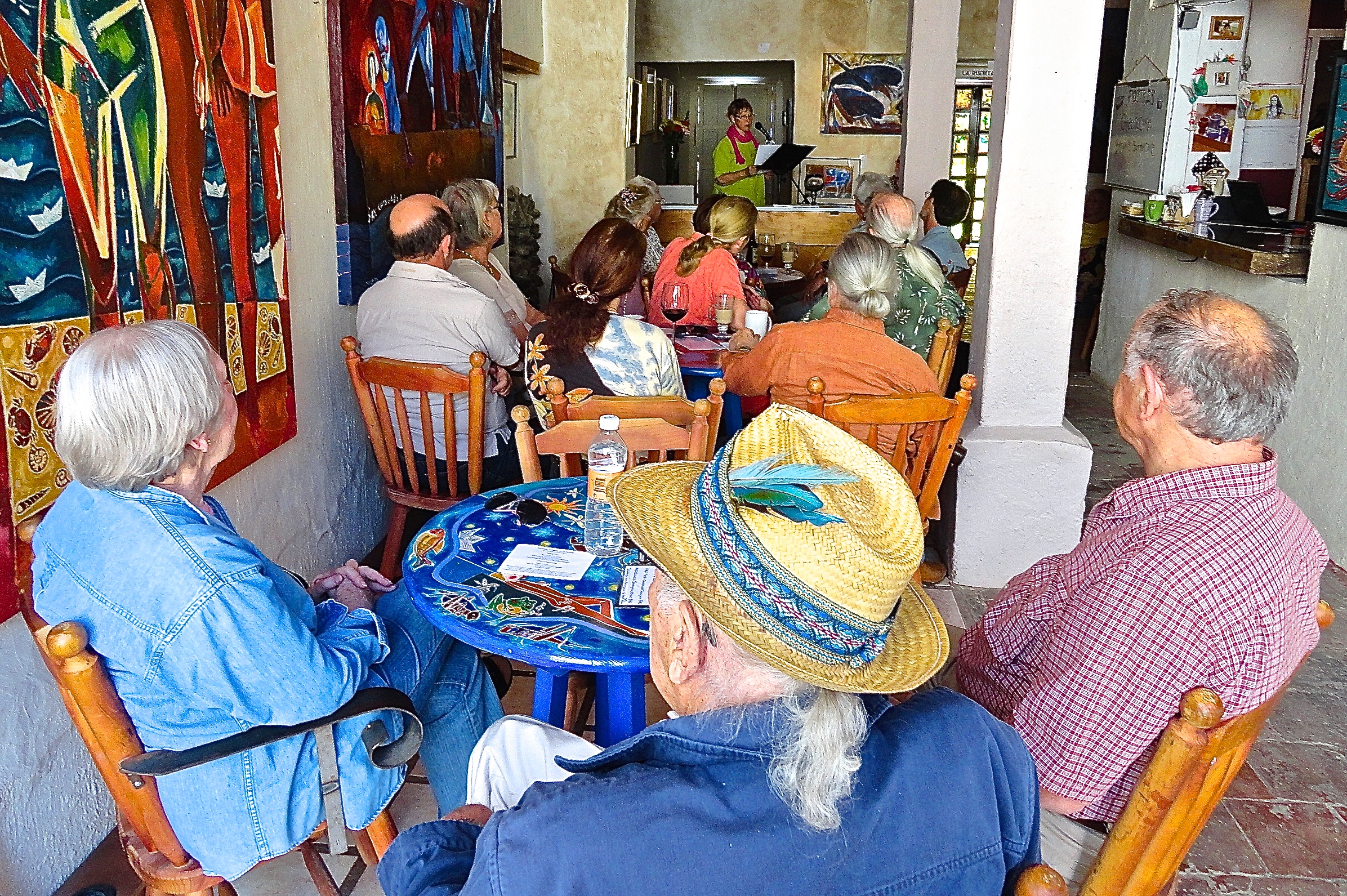
Two Poetry readings at La Rueda Coffee House in San juan Cosala and of the “Not Yet Dead Poets” at the Old Posada.

DSCF3572OLYMPUS DIGITAL CAMERA

BACK GARDEN1 OLYMPUS DIGITAL CAMERA OLYMPUS DIGITAL CAMERADSC08876
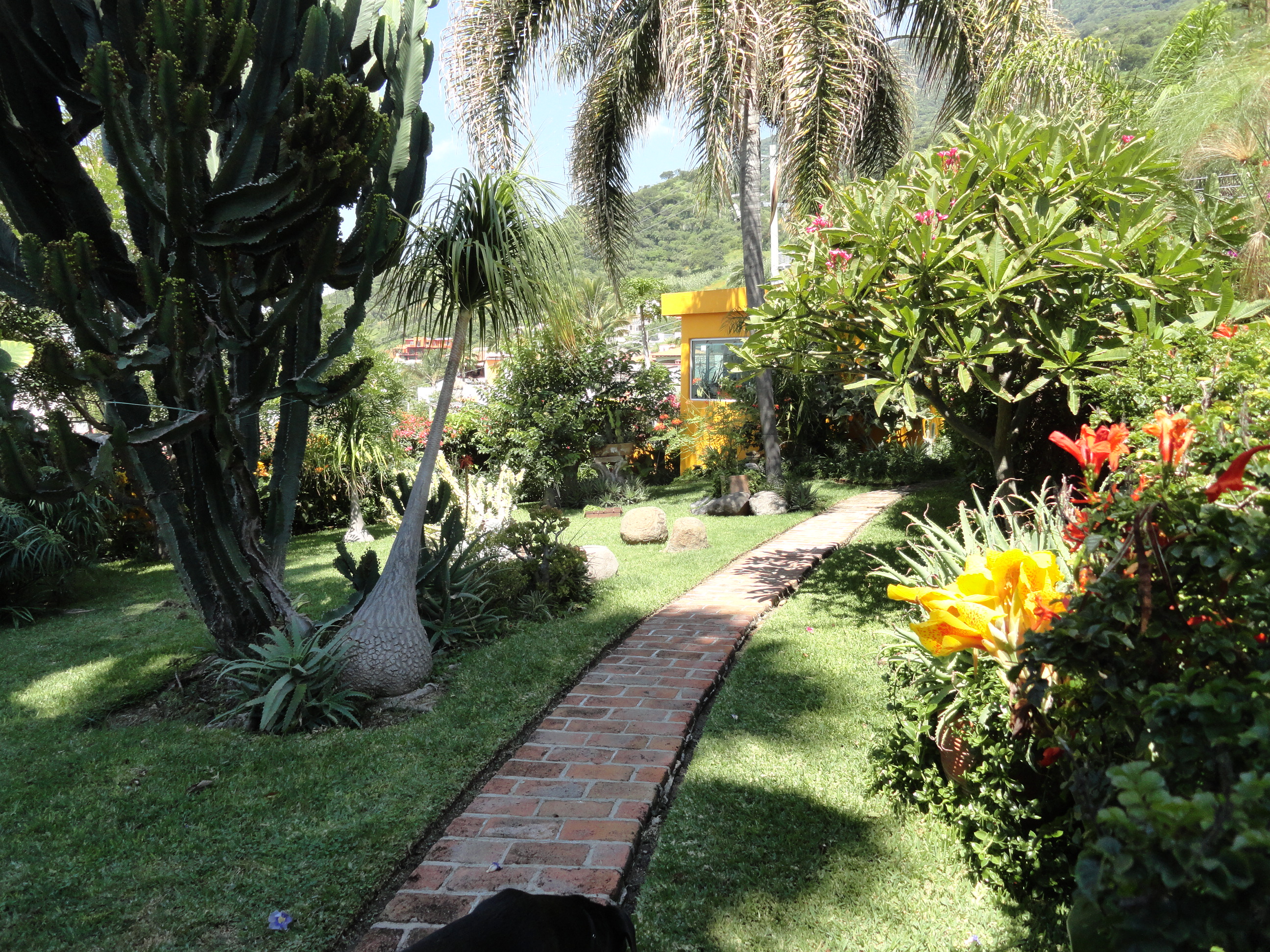
Shots from the Raquet Club in San Juan Cosala, where I live.

DSC00089

A small town on a large lake about an hour from a large city. A few hours from the ocean. Lots of flowering trees.  Horses grazing. Mountains in the background.  Birds overhead. Dogs underfoot. People who care planning and maintaining reasonable rules so I don’t have to. A community swimming pool heated by natural hot springs two blocks away.  Lots of music, poetry, art, theater.  Friendly people open to invitation. Nearby geological and archeological features ready to explore.  Lots of secondhand stores. Open plazas with restaurants to sit in and watch others walk by.  Outdoor markets.  Organic markets. Weekly street markets.

A place where people sit on chairs in front of their houses at night to watch their neighbors walk by. An affordable place to live where someone else happy for the job mows my yard and trims my vines and waters my plants. A place where I can afford to hire someone else to clean my house for me while I do art and write.  A community where people are invested in helping others and both give their money and time to support orphanages, schools for kids, old folks homes and to give medical help for those in need.

A place with temperate weather where people smile and say “hola” or “adios” as you pass them on the street.  A place 45 minutes from a major airport where airplanes hardly ever fly over. Cattle. Raspberry fields. Corn fields. Pelicans. Fiestas. Saints Day processions. Dia de los Muertos. Fish restaurants. Taco stands. The best ice cream in the world. Arrechera. Chicken mocojetes verde. Burritos. Flautas. Chiles en Nogada. Rainy season. Virgin of Guadalupe celebrations.

I’ve found my almost perfect society. So why am I traveling elsewhere?  Because there were other idyllic places in my past that are a pleasure to revisit. Because one of the less than idyllic things about the town I’ve lived in for the past 14 years is that so many of my favorite people and relatives do not live there.  So I travel to California and Wyoming and Minnesota and Alabama and Maryland and Missouri and other parts of Mexico, but so far I have always returned home.

for videos go HERE  or HERE or HERE

The Prompt: Describe what you consider to be an idyllic community.

https://dailypost.wordpress.com/dp_prompt/idyllic/

Weekly Photo Prompt: Descent

Photo Prompt: Descent—This week, show us your interpretation of descent.

You’ve seen this shot of a hot air balloon that has burst into flame and that is plummeting toward earth once before, but it is so perfect for this prompt that it is appearing for an encore performance. I guess I should mention that it was unmanned!DSC08029

Searching for a place to land on Candelabra Island, Peru.  I believe these are cormorants but I’m open to correction! One lonely pelican seems to have gotten in with the wrong crowd.DSCF1193

Peru Desert, descending to an oasis.DSCF1251

More Peru desertDSCF1264

Amazon Sunset.  Does the descent of the sun count?DSCF1721

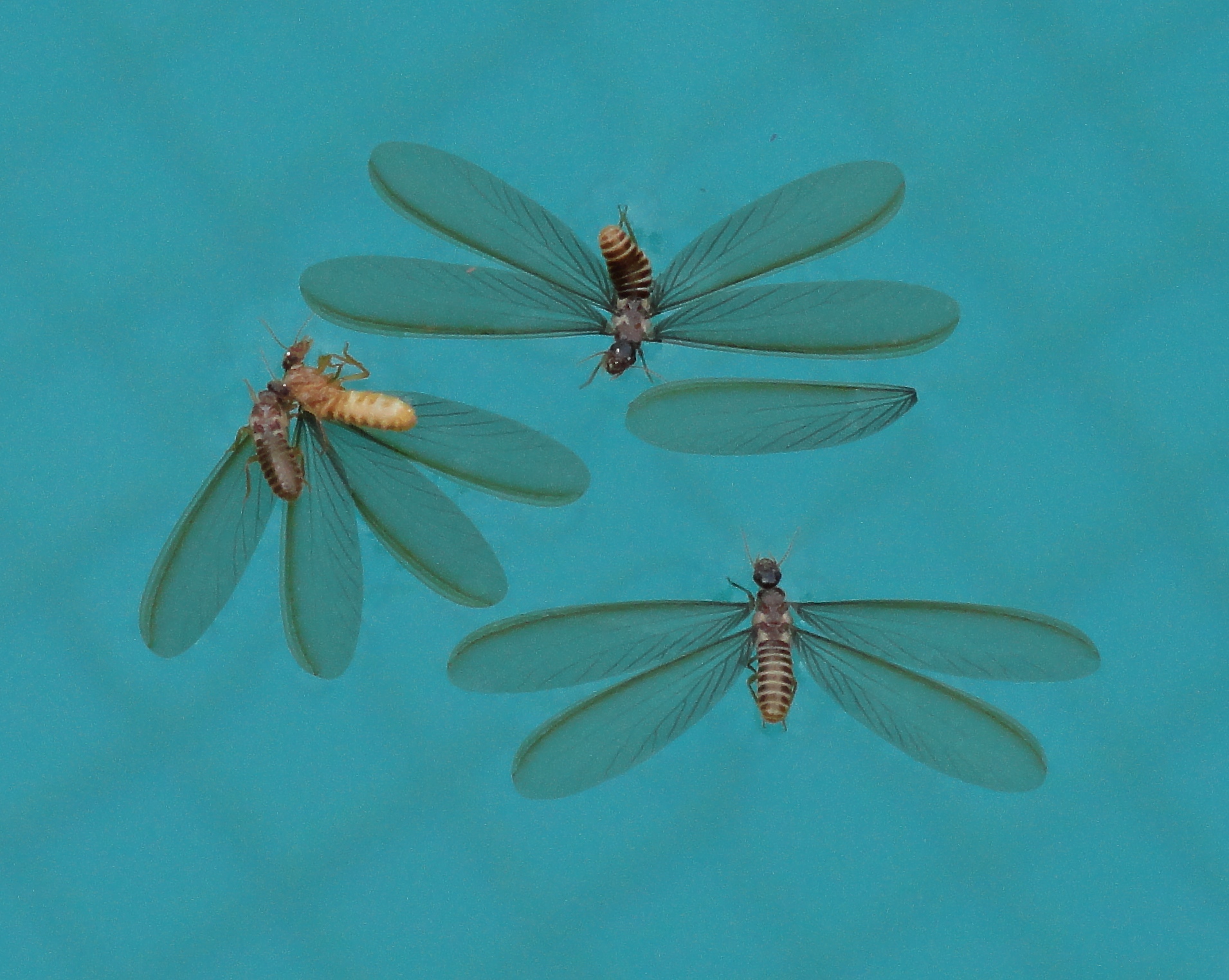
During the rainy season, flying termites descend by the tens of thousands, entering houses  under sliding glass doors, through keyholes and hairline cracks.  They swirl around any light like dervish planets, then chew their wings off and worm their way into any vulnerable wood.  I think they mate somewhere along the way as well, or perhaps they chew their wings off in frustration over being those wallflowers left without a mate.  At any rate, I was dumb enough to leave my pool light on and the next morning awoke to find thousands of insects such as these, pinned upside down by their wings in the water.DSC06940

Those nimble few who had managed to chew their own wings off then stood on their detached wings or the wings of others as they helped them to chew their wings off.DSC06939

Once free of their wings, they either swam to safety, found spare wings to use as flotation devices or swam off to aid other termites held captive by their wings in a crucifix position.  It was both ghastly and fascinating and a huge cleanup operation!DSC06938

Another Candelabra Island, Peru descent.DSCF1151

Thousands of white pelicans winter on Lake Chapala, Mexico, where I live. These are a very few making a landing after their descent.DSC08786


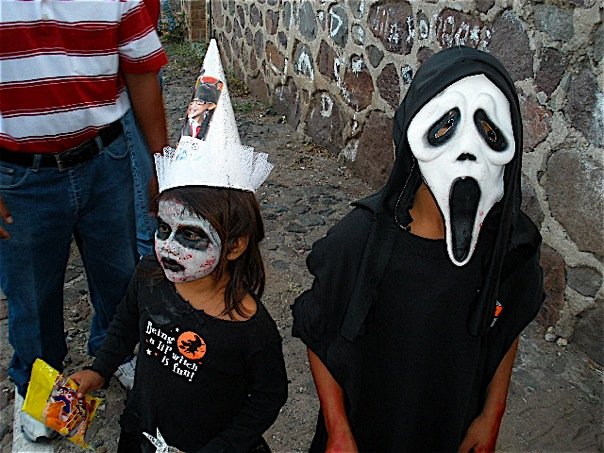
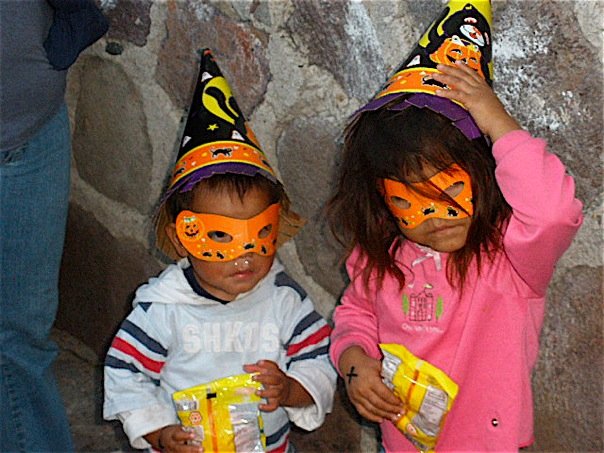
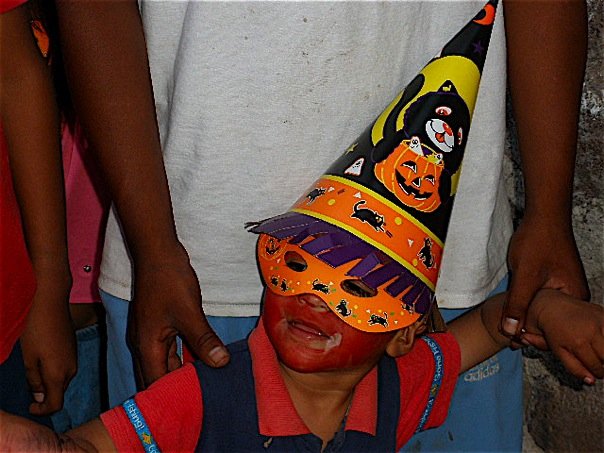
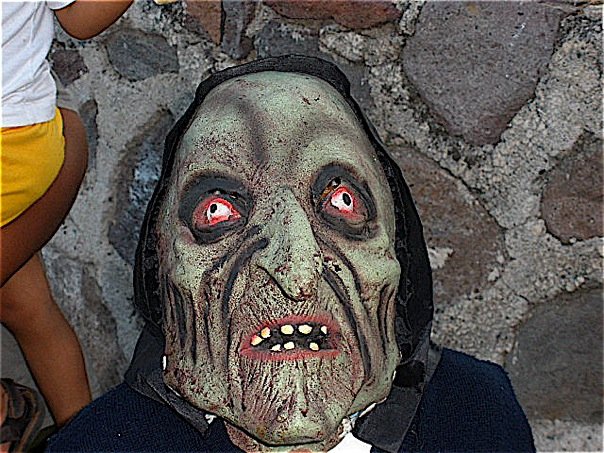
HALLOW E’EN

1913688_1136038127859_5133796_n
The Prompt: Trick or Trick—It’s Halloween, & you just ran out of candy. If the neighborhood kids (or anyone else, really) were to truly scare you, what trick would they have to subject you to?

Hallow E’en

They pound upon my door and wait outside my wall.
One climbs a tree to peer within. I hope he doesn’t fall.
I cower here within my house. Perhaps they’ll go away.
Though I am not religious, eventually I pray.

Their little voices raise a pitch. They start to bay and howl.
There’s a flutter in my heart region, a clutching in my bowel.
I purchased Reese’s Pieces and miniature Kit Kats
just for all these masked and costumed little brats.

My motives were unselfish. The candy was for them,
for I don’t eat much candy in efforts to grow slim.
And yet that bag of Reese’s, those small Kit Kats and such
called to me from where they were sequestered in my hutch.

It started with a whisper, hissing out their wish:
“We would look so pretty laid out on a dish!”
I knew that they were evil. I knew it was a trap.
I tried hard to resist them, my hands clenched in my lap.

I turned up my computer, listening to “The Voice.”
Those candy bars would not be seen till Halloween—my choice!
My willpower was solid. No candy ruled me.
(If that were true, no kids would now be climbing up my tree.)

Yes, it is true I weakened. I listened to their nags.
I took the candy from the shelf and opened up the bags.
Their wrappers looked so pretty put out for display
in one big bowl so colorful, lying this-a-way

and that-a-way, all mixed and jumbled up together.
No danger of their melting in this cooler weather.
I put them on the table, then put them on a shelf,
so I would not be tempted to have one for myself.

When people came to visit, I put them by my bed.
Lest they misunderstand and eat them all instead.
Then when I was sleeping, one tumbled off the top.
I heard it landing with a rustle and a little “plop.”

I opened up one eye and saw it lying there
just one inch from where I lay, tangled in my hair.
Its wrapper was so pretty—foiled and multi-hued.
Some evil force took over as I opened it and chewed!

This started a small avalanche of wrappers on the floor
as I ripped & stuffed & chewed & swallowed more & more & more!
This story is not pretty but has to be confessed.
My only explanation is that I was possessed.

They pound upon my door and wait outside my wall,
but I have no candy for them. No treat for them at all.
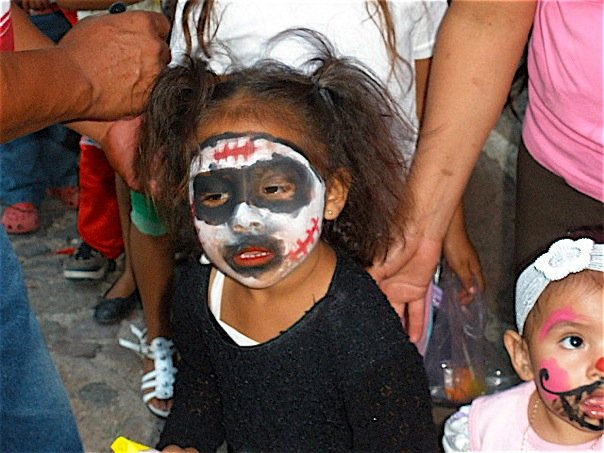
Surrounded by the wrappers, bare bowl upon my lap,
I think I’ll just ignore them and take a little nap.

I hear them spilling o’er my wall and dropping down inside.
I try to think of what to do. Consider suicide.
They’re coming in to get me. Beating down my door.
They are intent on blood-letting—the Devil’s evil spore.

I guess it’s not the worst death a gal could ever get.
I’ve heard of much worse endings than death by chocolate!

1913688_1136038527869_395578_n1913688_1136038367865_7037617_n1913688_1136038287863_5588685_n1913688_1136038207861_6603987_n1913688_1136038167860_1696102_n1913688_1136038087858_6027993_n1913688_1136038007856_1648819_n1913688_1136037847852_2468748_n1913688_1136037767850_5683525_n1913688_1136037727849_5594428_n1913688_1136037567845_630735_n

Fire on the Mountain

Fire on the Mountain

The smell of burning leaves us only when we sleep,
the hills above us aflame for weeks as the wind
catches the upraised hands of a dozen fires
and hurries them here and there.

It is like this every year
at the end of summer,
with the dry grass ignited by
light reflected by a piece of glass
or careless farmers burning off their fields.

The lushness of the rainy season
long since turned to fodder by the sun,
the fires burn for weeks along the ridges
and the hollows of the Sierra Madre—
raising her skirts from where we humans
puddle at her ankles.

Imprisoned in their separate worlds,
the village dogs bark
as though if freed
they’d catch the flames
or give chase at least.

The distracting smell of roasting meat
hints at some neighborhood barbecue,
but only afterwards do we find
the cow caught by her horns in the fence
and roasted live.

Still, that smell of roasting meat
pushes fingers through the smoke of coyote brush
and piñon pines and sage,
driving the dogs to frenzy.

The new young gardener’s
ancient heap of rusting Honda
chugs up the hill like the rhythm section
of this neighborhood banda group
with its smoke machine gone crazy
and its light show far above.

The eerie woodwinds
of canine voices far below
circle like children
waiting for their birthday cake,
ringing ‘round the rosy,
ringing ‘round the rosy
as ashes, ashes,
it all falls down.

I discovered a new prompting site. The prompt for this poem was to write down the following, then to use all six in a poem that begins with “The smell of burning leaves….” (I had a different take on that first line.)

Something you buy in a bakery. (Birthday cake)
A smell in a diner. (Roast beef)
A make of automobile. (Honda)
Something people do to relieve stress. (Sleep)
An unusual musical instrument. (Quena flute. I felt the actual name of the instrument distracted from the poem, so I used the more generic “woodwind.”)
A child’s game. (Ring around the Rosy)

Here is the link for that site if you want to follow the prompt or see other poems written to this prompt.

Pillage and Warfare

 Pillage and Warfare

As per Mandy’s request, I’m publishing these pictures.  As much as i admire the industry and organization of these fascinating creatures, it is also true that this year has been the worst in 13 years in my battle with the leaf cutter ants that have stripped my gardens time after time after time.  What used to be a once-a-year skirmish has turned into a year-round battle to try to preserve some of my greenery and flowers. 

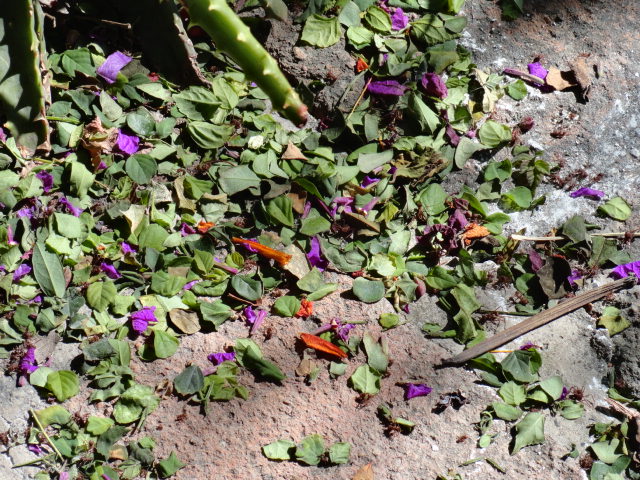
DSC09398(Above:) Here you see bougainvillea, honeysuckle and hibiscus fallen to the tiny but effective jaws of the leaf cutters. This pile of leaf segments cut from the bushes above awaits transport to the nest.

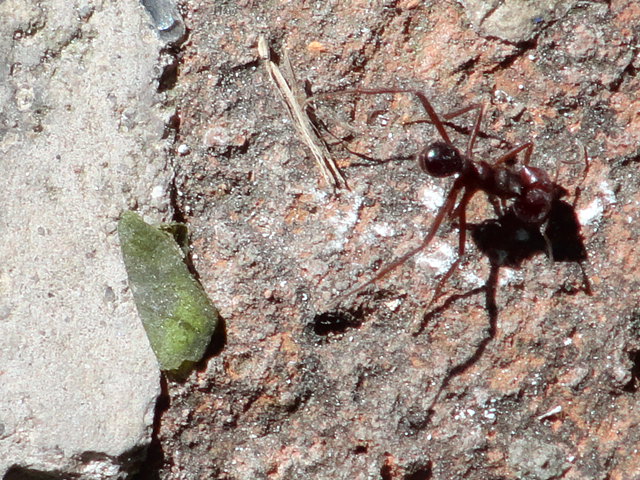
DSC09392(Above:) A lone ant approaches his load, walking over the chalk line.  At the time, this Chinese Chalk was  my only defense against a garden completely stripped of leaves and flowers!

DSC09394
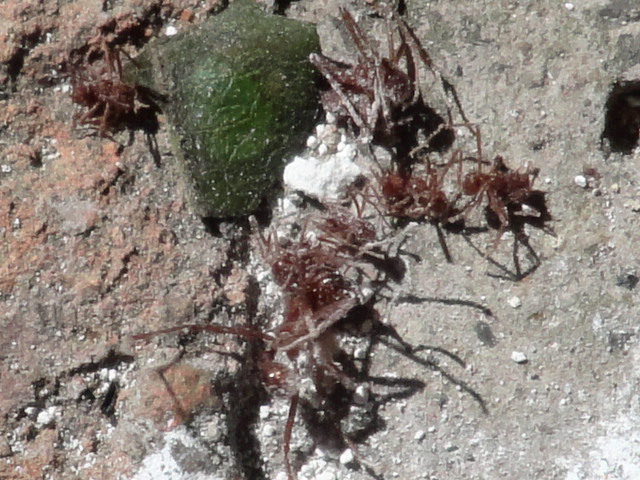
(Above:) Comrades at arms  struggle to move a leaf over the chalk line, in the process coating their bodies with the lethal “chalk.”

DSC09393
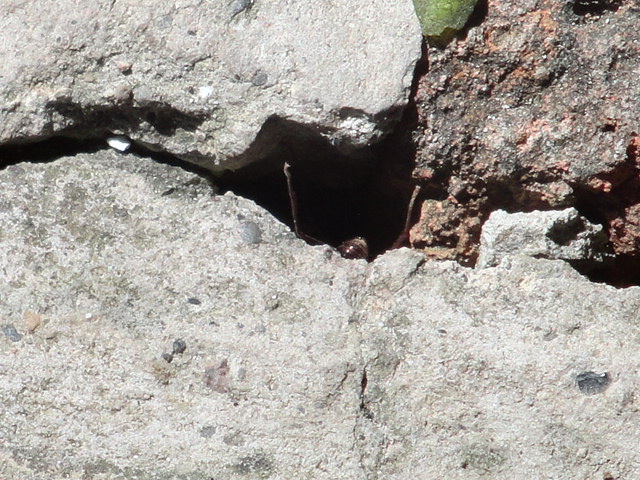
A lone ant vanishes into the crack in the concrete that leads to the nest.  A thin powder of the insecticide chalk can be seen on his hind quarters.

DSC09391

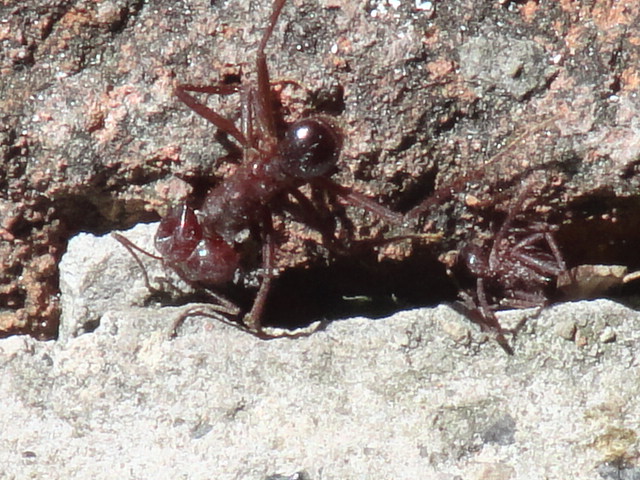
An ant struggles to move his fallen comrade back to the nest.

DSC09390
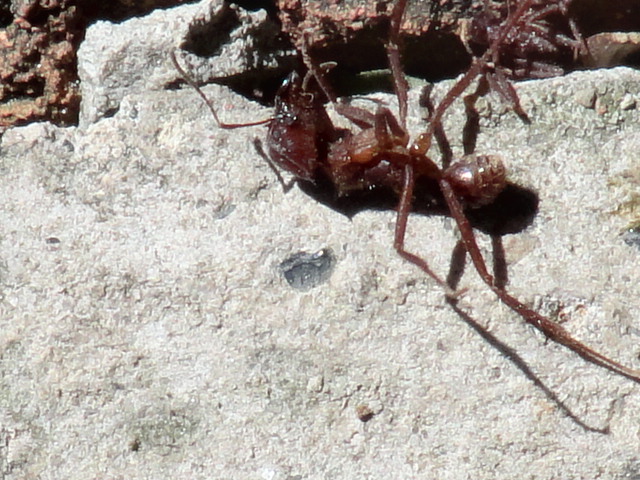
Too late, he himself falls.

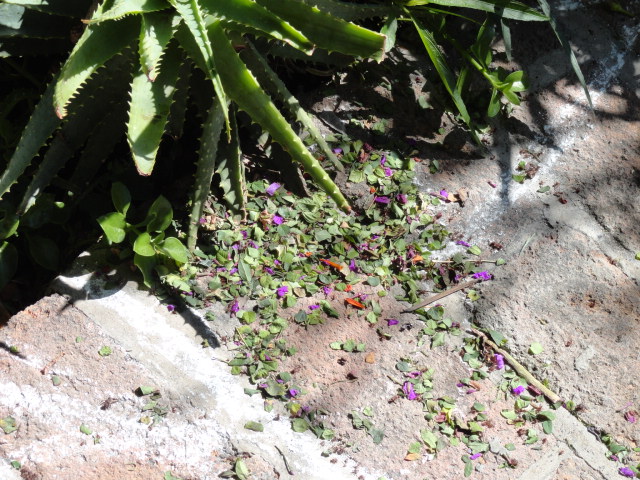
DSC09397In the end, only the remnants of the harvested leaves are left to mark their former workplace.  This round against this nest, I seem to have won; but experience has taught me that they will be back!

For a fascinating look at the devastation army ants can wreak, I recommend that you read “Leningren Vs. the Ants” by Carl Stephenson.


Autumn Schmautumn

The Prompt: Autumn Leaves—Changing colors, dropping temperatures, pumpkin spice lattes: do these mainstays of Fall fill your heart with warmth — or with dread?

Autumn Schmautumn

The only colored leaves I see are going to be faux,
for autumn never visits in my part of Mexico.
In fact, those piles of autumn leaves are far back in my past.
Green on the leaves in Mexico just lasts and lasts and lasts.
It’s true that each leaf everywhere must one day be defeated,
but down here where I live, the only way leaves are unseated
is not by frigid temperatures. There’s no cold to unglue them.
Our only leaf-removal means is cutter ants that chew them!
The ones who cut them down are all the bravest and the best.
Their comrades wait below to carry them all to their nest.
Their robberies completed without the slightest peep,
their piles of leaves depleted in the nighttime while we sleep.
Our guard dogs doze on soundly as ants pass by in the dark,
letting all these thieveries go on without one bark.
And so I fear that this far south no autumn colors are viewed.
Our trees create no spectacle. They go from green to nude!
And though ants harvest all our leaves—just chew them off and take them,
at least they grant us favors in that we don’t have to rake them!

OSDED-00000927-001