Tag Archives: dversepoets

Science and Politics at the Redneck Bar


DSC00996

Science and Politics at the Redneck Bar

It’s easier to talk than think,
especially when you’ve had a drink
or two or three or six or seven.
That’s when you’re sure you’re going to heaven.

And anyone more liberal
is surely going to go to hell
along with those who worship God
with rituals that you find odd.

And even worse is all of those
in turbans, robes or hippie clothes
who don’t believe in God at all.
They’re destined for the biggest fall.

Transsexuals and the profusion
of folks with sexual confusion
need to get their heads on right
or be removed from good folk’s sight.

Those who pontificate in bars
sport redneck slogans on their cars
and are so sure that them and thars
will live with God up in the stars.

Creationism is a fact
and scientists have made a pact
with one below who waits for them
to come and make their home with him.

And they don’t even need to think
beyond what they next want to drink.
They’re so securely in the know
because the Bible told them so.

They do not need to feed their brothers
or provide health care for the others.
Planned Parenthood’s the devil’s scheme
and Right To Life’s the savior’s team.

Woman should bear what she has sown
and raise the product all alone.
It is her punishment for sex—
this guilt for children she neglects.

Society should never pay
for lowlife children such as they.
Society should close its doors
to the progeny of faithless whores.

Retribution is the thing
Obamacare neglects to bring.
Cutting welfare’s the best way
to insure they pay and pay.

If you were smart like them, you’d know
this scheme is how the world should go.
First remove birth control and then
make sure she has her spawn of sin.

Do not provide for them at all.
Then you’ll begin to see Eve’s fall.
What she brought Adam to she’ll see
and be punished endlessly.

For dVerse Poets: a poem about drinking.

To Get a Poem (5 Quadrilles)


To Get a Poem

(5 Quadrilles)

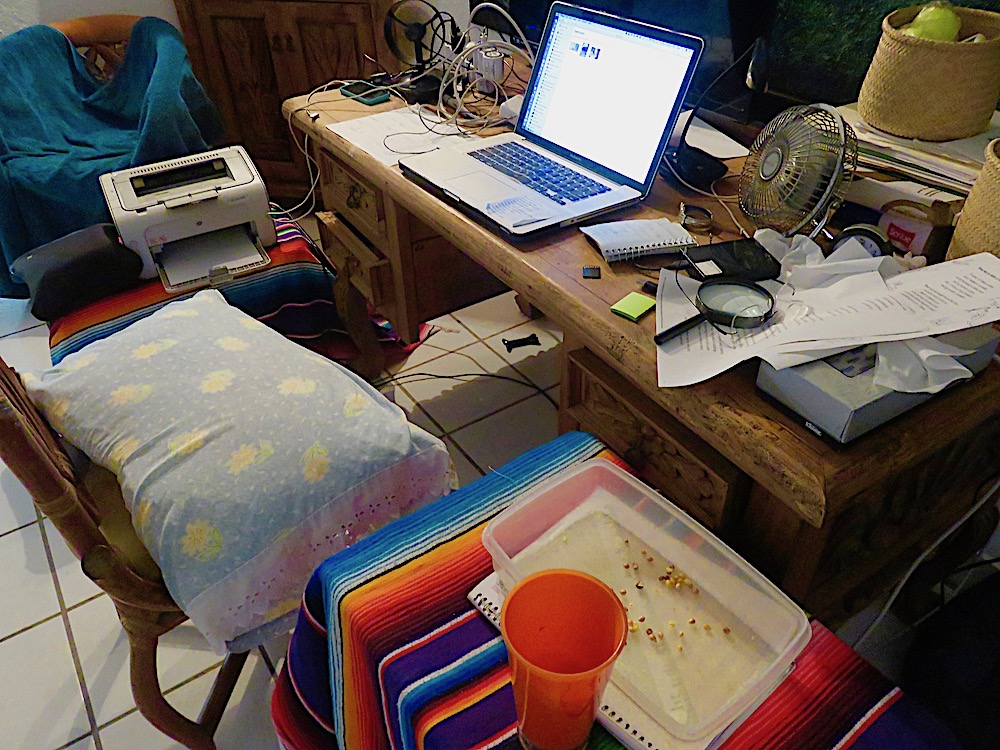
Leave the dirty dishes in the sink.
A dishwasher washes the poems away.
Allow cat hair to accumulate on the footstool.
Cat hair is a city for poems.
Let plants go another day before watering,
lest poems in the soil should be flushed away.

Let lie the crumpled sock a friend’s child
left in the sleeping loft.
Don’t destroy the poem of it.
Don’t bother to rake leaves.
Poems cannot live in neat piles.
Leave the soupstain on your shirt .
Tomato and basil are ingredients of poetry.

There is a poem in the confetti of paper on the bedroom carpet
and in the bread crumbs and the orphaned straight pins.
Bills in the “TO BE PAID” folder?
Each is the embryo of a poem.
Paying them now would be poetry murder.

In my living room, there is more poetry
in the blankets of dust on glass tables
than the burnished surface of the clay vase.
There is more poetry, more poetry, more poetry
than can ever be tidied up in this world or the next.

Falling poetry snarls in the weave of the hammock.
All of this raw poetry lies around us, primed for the collecting.
Messy poetry and dusty.
You won’t die from, but you could live on
poetry that’s hidden in the messy corners of your world.


For dVerse Poets. The prompt was to write a quadrille on the subject of poetry.


“Diet”ribe

DSC08682


“Diet”ribe

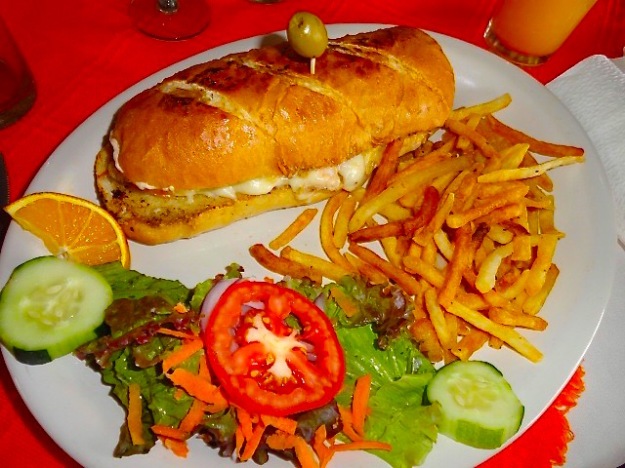
I have given up on oatmeal, overdosed on kale.
All these faddish food taboos have gone beyond the pale.
I do not count my calories, my glutens or my carbs.
The benefits for doing so are outweighed by the barbs.
I’m not turned on by Atkins. I can’t abide a fast.
I tried microbiotic, but the microbes didn’t last.

It’s become an epic battle when the girls go out to brunch.
It’s easier brokering world peace that where to go for lunch.
Before we take a mouthful, we must peruse all the ads
and compare what’s on the menu to the latest diet fads.
Then, once we find the perfect place and make the reservation,
Serafina calls me up to share her trepidation.

She’s started a new diet––something fabulously new––
and much as she hates to stir the pot, this restaurant won’t do.
We can’t go out for hamburgers. Laura’s a vegetarian.
She can’t abide the scent of flesh. She finds it most barbarian.
Of course, she will eat foodstuffs that are certified agrarian,
but salad’sout because my other friend is a fruitarian.

I asked them all to my house, bought exotic fruits and plums,
thinking a fruity salad would offend the fewest gums;
but a new friend cannot eat raw fruit. She finds it unhygienic,
and my artist friend will not eat foods she finds unphotogenic.
She balked at the rambutan and when she tried to swallow it,
choked and had to chug down a carafe of wine to follow it.

Molly is insisting on a diet ketogenic,
while Lucy won’t eat any vegetation that is scenic.
We’re reduced to no more dining out. Potlucks will have to do
with every guest providing whatever they can chew.
Me? I’ll bring a pizza. Pepperoni. Extra cheese.
And everyone can envy me as they eat what they please!


For dVerse Poets Open Link Night#204

Nosy Mortal Monologue

download-2.jpg

Nosy Mortal Monologue

Why is our living just part of our dying
and why must our failures be part of our trying?
Who made up this game and who’s throwing the dice?
Why do we play on, no matter the price?
How can men worship this ultimate gamesman
who gives us our faults and then unfairly blames man
for acting the way he’s created to be?
Why aren’t we given mind power to see
how something so seemingly unfair might tend
to all turn for the best when it comes to the end?
Could it be that our dying is part of our living?
That somehow our getting is tied to our giving?
Does Karma exist? Does Heaven or Hell?
Does the Universe know, and will it ever tell?

A question poem for dVerse Poets

44 Words of Bliss

IMG_0448

bliss

in darkness
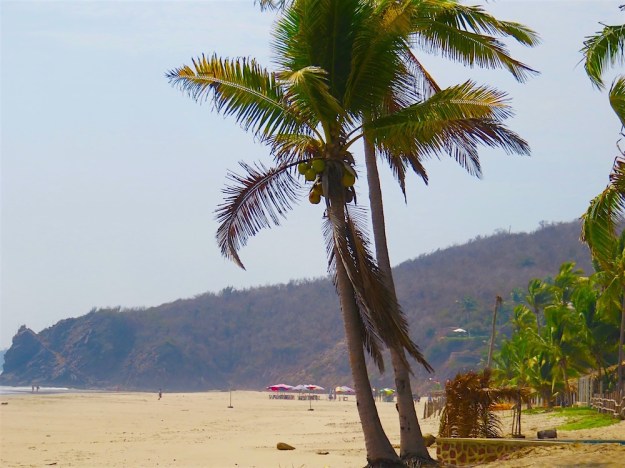
under tossing palms
clouds obscuring stars
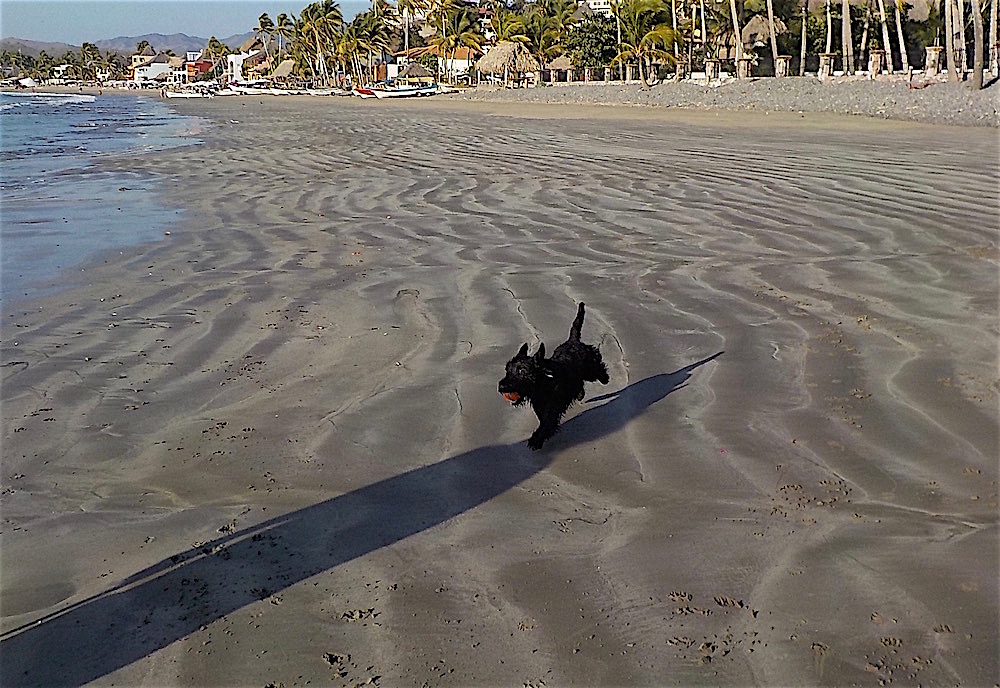
the small dog newly well
running to find the ball

bliss not a thing hand-delivered
for years now
I need to go find it like
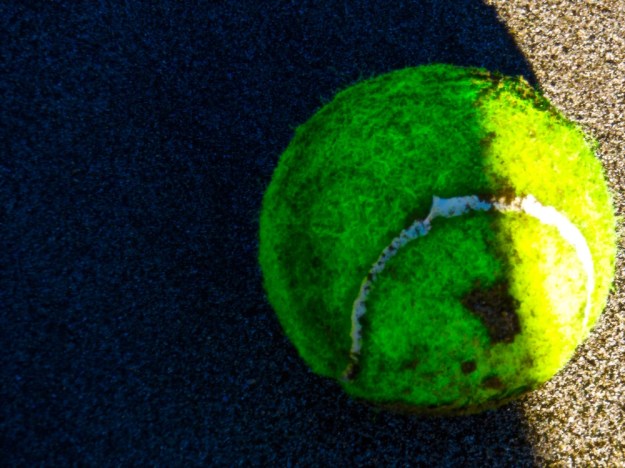
a green ball buried in the shadows
of succulent obscuring vines

For dVerse poets–a quadrille (44 word poem) on the topic of bliss.

Disappointing Petrarch (Three Shakespearean Sonnets for dVerse Poets)

Three Wan Dogs before Their Feeding

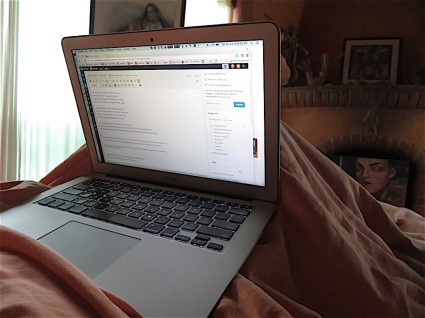
Our mistress lies upon her bed too long,
her favorite silver thing upon her lap.
That she should put our feeding off is wrong.
We sit and stare at her through her door’s gap.

She taps upon her thing and taps and taps.
Sometimes she chortles, but we don’t know why.
Where formerly her bed was used for naps,
a favorite dog cuddled against her thigh,

she now spends all  her time there with that thing
as we sit hungry, waiting to be fed.
She seeks the nourishment that words can bring,
for she is sure that if she leaves her bed

before she finishes her sonnet, then
her muse will not agree to come again.


Three  Hungry Dogs Intent Upon Their Feeding

At last at last she opens up her door
and feeds our sister first, lest we devour
her food ourselves and then not leave the poor
dear girl with any sustenance to power

her barking at the other dogs who pass.
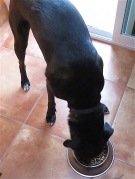
But now our mother fills our bowls as well––
each portion measured by a measuring glass.
Each second  we must wait becomes a Hell.

She scoops out first the dry and then the wet––
more for the big dog and less for the small.
We worry over how much food we’ll get,
remembering times when we had none at all.

But finally, our portions, too, are dished
(although not quite so full as we’d have wished.)


Three Patient Dogs after Their Feeding

Now see our dishes cleaned and neatly stacked?
Our human lolls once more upon her bed.
to write more stanzas that she formerly lacked
and free herself of rhymes that fill her head.

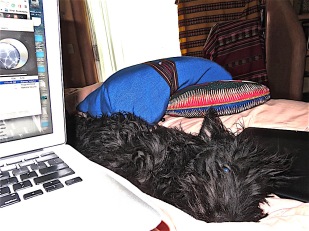
The small dog leaps upon her bed to lie
and garner a small scratching now and then.
We larger dogs lie watching from close by,
kept from our human in her iron pen.

See her now, look quizzical and rapt?
We know not what she thinks there on her back.
Where formerly she read or watched or napped,
she stews about just what her poems might lack.

For Shakespeare she is not, the silly goose.
Her talents? More in line with Dr. Seuss!!!

(Click on the first photo below to enlarge photos and read captions–also written in couplet form.)  Good grief. It’s my muse’s fault. The girl can’t help it!!)


A sonnet for dVerse Poets (Sorry, Petrarch.  These are Shakespearean!)

DVerse Players: “Shade” The Tile Layers

The Tile Layers


The Tile Layers

The tile cutter on his knees whistles “Fur Elise—”
five measures over and over—all day with no surcease.
A younger man behind him, in another room,
whistles tunelessly in rhythm as he wields a broom.
Hod carriers laugh and loudly call. Comida will be soon.
One of the youngest sings out a jolly ribald tune.
Their labors hard, their hours long as they hauled and carried,
and yet they have not seemed distressed, back sore, stressed or harried.

As they go to take comida, they move with one assent
as if to be relieved of where their labor time is spent.
Outside my wall they line the curb, their legs stretched in the street
to eat their warm tortillas­­­­––their chiles, beans and meat.
The only time they’re quiet is now their mouths are chewing,
for they are never silent when they are up and doing.
Five minutes and then ten pass as the silence swells around me,
until I feel the magnitude of silence might astound me.

Then one quiet voice is heard, and then another slowly after.
But still no music, calling out, whistling or laughter.
I can imagine well the scene. They’re spread out in the shade,
on their backs just resting in the shadows trees have made.
An hour’s camaraderie, like school kids taking naps,
their ankles crossed, their dusted clothes, their work hats in their laps.
Against their quietness, a motor hums out from afar.
Persistent birdcalls interrupt the tire crunch of a car.

A lawnmower chops at grass below. My clock ticks out the time.
This hour’s quiet interlude is almost sublime.
They must wonder what I do clattering on these keys––
my room cut off from all the dust , but also from the breeze.
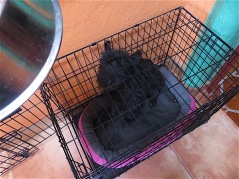
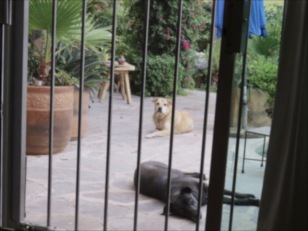
The large dog’s bed is in a cage with an open door.
The little dog forsakes his bed to curl up on the floor
nearer the larger, older dog, although he’s sound asleep.
They too prefer to sleep as one, their brotherhood to keep.

An hour passed, the jefe wakes and jostles all his neighbors
who find their voices as they waken to resume their labors.
The gentle scrape of trowels sets the rhythm for
young men shouldering hods of what old men spread on the floor.
The jefe scolds for tiles mismeasured, rails against the waste
of both time and materials lost because of haste.
After the day’s siesta, they work three hours more.
They measure, chip and cut and smooth, then fit and trim each door.

By day’s end, hands are coated, and collars ringed with sweat.
The dust of their day’s labors in their work clothes firmly set.
But folded in each backpack they once rested heads upon
is a fresh change of clothing that later they will don.
Cleaned and pressed, they’ll walk on home unmarked by dust or dirt,
ready for the ladies to admire and to flirt.
For a man’s not made of merely the work that he might do,
and when he leaves his labors, his day begins anew.

Actually, I was imagining the scene described in the poem as the house hushed for an hour after a morning and early afternoon of extreme noise. Diego and Morrie were imprisoned in the small run outside my door but in sight of the front entrance gate all the men had vanished through, tortured by observing all the activity they couldn’t get their paws on, not to mention all those lunches in the back packs.  Then, after I wrote the poem and started to hear a few voices from what seemed to be a direction not anticipated in my poem, I went out to the living room to see the younger members of the crew hunched over their smart phones on my patio, first watching some drama, then talking to what sounded like female voices. One lay stretched out as expected, but by the pool rather than out on the sidewalk. (I had earlier invited them to eat at the patio table and the table in the gazebo, but they had preferred to warm their tortillas in my microwave and then go eat in the street.) My former stereotypes dashed, I then ventured beyond my walls into the street, and there found the older generation living up to former experience and present expectations—asleep in the shade.

This is a reblog of an earlier poem.
 

If you want to play along and write a poem with the word “shade” in it, post it here:  https://dversepoets.com/2017/08/08/seeking-some-shade-today/

dVerse Poets Quadrille: Silent Spring

IMG_1643

Silent Spring

The best thing to remember to relieve a snowstorm’s sting
is that when there is no winter, there can’t be any spring.

And yet I must admit to you, I have not any qualms
about spending all my winters at the ocean, beneath palms!

https://dversepoets.com/2017/03/13/quadrille-28/

“I Imagine” dVerse Poets, Prose Poetry

img_1090

I Imagine

I imagine one more holiday.
My mother sits at a large picture window
looking out over a broad beach,
watching dogs fetching sticks.
Then, because she cannot help it,
she takes her shoes off to walk through packed sand.
I imagine her sighting the offshore rock
where puffins nest.
I imagine footprints—hers and mine
and the paw prints of the dog—
someone else’s—
who joins us for the price of a stick thrown
over and over into the waves.

My mother could count her trips to the beach
on one hand,
and most of those times have been with me.
Once, in Wales, we sat on the long sea wall
under Dylan Thomas’s boathouse.
A cat walked the wall out to us,
precise and careful
to get as few grains of sand as possible
between its paw pads.
As it preened and arched under my mother’s smooth hand,
its black hairs caught in her diamond rings.

The other time we went to the beach
was in Australia.
We stayed out all afternoon,
throwing and throwing a stick,
a big black dog running first after,
then in front of it,
my dad sleeping in the car parked at the roadside,
my mother and I playing together
as we had never played before.

My mother and the ocean
have always been so far divided,
with me as the guide rope in between.
I imagine reeling them both in toward each other
and one more trip.
My mother, me, a dog or cat.
Wind to bundle up for and to walk against.
Wind to turn our ears away from.
Sand to pour out of our pockets
to form a small  volcano
with a crab’s claw at the top.

So that years from now,
when I empty one pocket,
I will find sails from by-the-wind sailors
and shark egg casings,
fragile black kelp berries
and polished stones.
The bones of my mother. The dreams of me.

From the other pocket, empty,
I will pull all the reunions I never fought hard enough for—
regrets over trips to the sea we never made.
And I’ll imagine taking me to oceans.
Walks. Treasures hidden in and hiding sand.
Someone walking with me—
someone else’s child, perhaps,
and a dog chasing sticks.

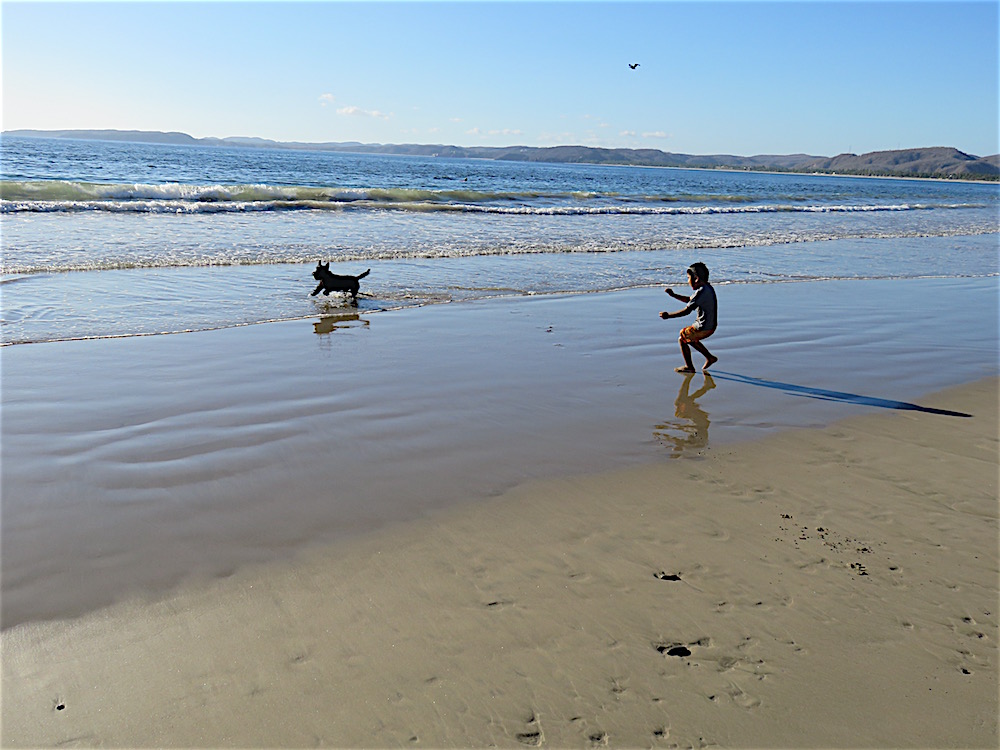
Note: I never took that last trip to the ocean with my mother, but I think of her every year when I come to stay at the beach on my own, and this year in particular, every time I throw the stick for Morrie and every time children come to play with us. Here is a link to my favorite photo of my mother, plus other stories and poems about her.

Written for the dVerse Poets prompt, Prose Poetry.To play along, go HERE.

Unique Gifts

Unique Gifts

Will anyone give me valentines? No, my friend, they won’t,
for the ones who might are absent and the ones around me don’t.
I haven’t romance in my life near enough to kiss
unless there’s someone close at hand I’ve been inclined to miss.
I  know the famous day is here. The streets are lined with flowers,
balloons and underpants with hearts and teddy bears in towers.
Cups with hearts and arrows. Chocolates tied in bows.
Who all these gifts will go to, heaven only knows.
I’m sure that none are meant for me, for I don’t have a honey
who knows how to buy anything with credit card or money.
Yes, he sleeps with me at night and gives me lots of kisses,
but holidays and gifts and flowers are all things that he disses.
So I’ll  be satisfied with gifts not  found in any mall—
like how he  pees outside now, and comes running when I call.

 dscn1803-1

For more poems about hearts, go to dversepoets  HERE.

The prompt today was expectation.